


Antique White Side Lamp
These antique white side lamp choices bring together period lighting and tables, offering functional illumination paired with classic design.
Antique White Side Lamp
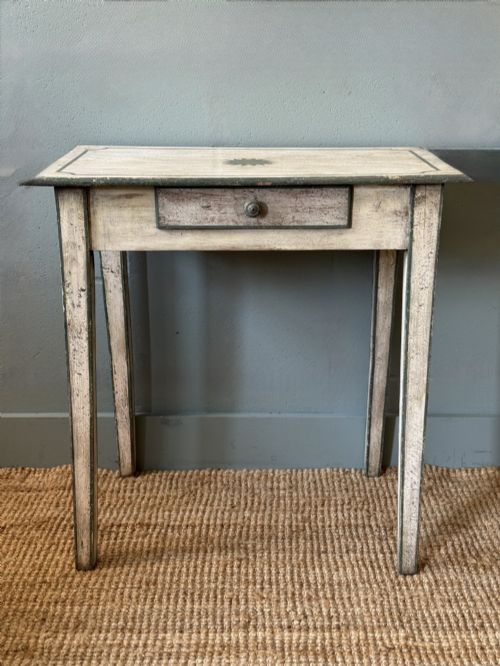
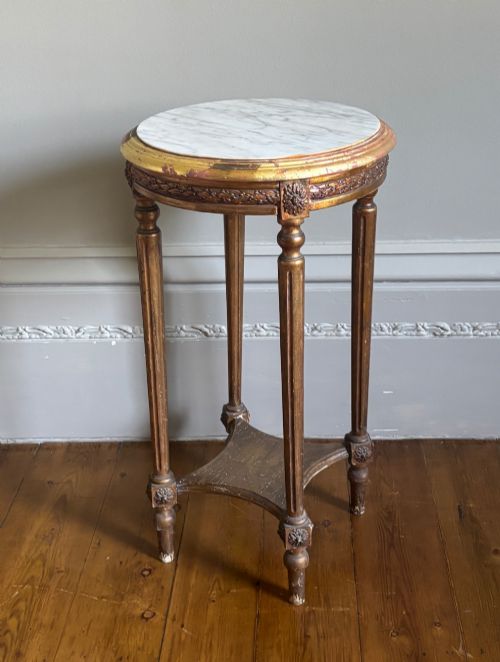
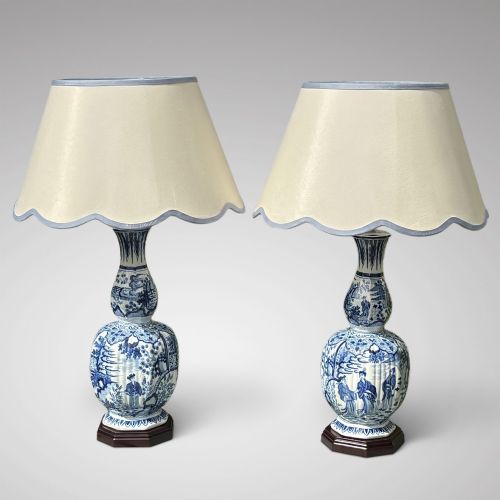
The selections you meet most often on this page pair painted wood surfaces with marble tops, or present standalone ceramic and alabaster table lamps in white and blue-and-white colourways. Forms range from occasional and centre tables to pedestal stands and wired porcelain vases.
Originating across England, France, Sweden, and Italy, these pieces reflect the interior tastes of the nineteenth and early twentieth centuries. They function today as practical side furniture or atmospheric lighting sources in traditional and eclectic rooms.
Materials and construction methods
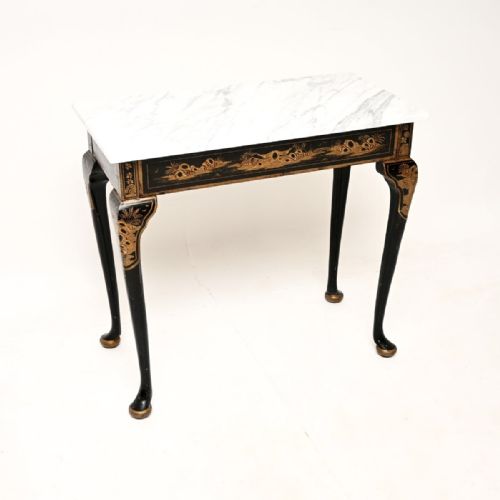
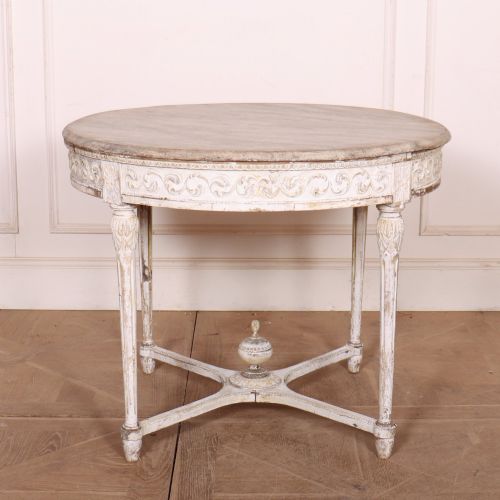
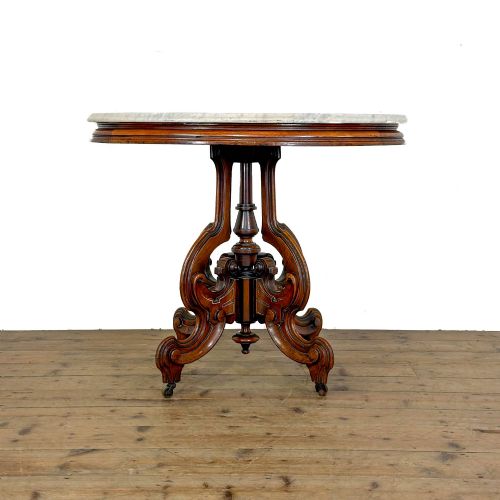
Construction relies heavily on traditional timber framing, utilising mahogany, fruitwood, oak, and pine beneath painted or lacquered finishes. Many wooden tables feature hand-carved detailing and giltwood highlights applied to the structural joints.
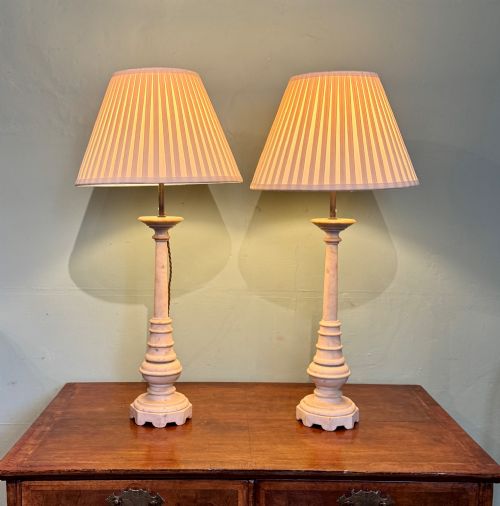
Surface luxury is achieved through the integration of white marble, onyx, and alabaster for tabletops and lamp bodies. Metalwork components incorporate cast brass and ormolu mounts to secure stone bases and frame porcelain or enamel vessels.
Lighting adaptations combine period ceramic vases and enamelware with electrical fittings, while painted surfaces utilise layered oil-based paints to achieve durable finishes on wood.
Listings combine 19th-century and early 20th-century items, featuring marble, brass, mahogany, and painted wood across side tables and table lamps.
Factors defining quality and execution
The upper tier of these pieces displays superior hand-carved detailing on wooden frames and precision in the stonemasonry of marble or alabaster components. Finer examples feature integrated ormolu mounts and authentic period giltwood rather than simpler painted finishes.
Material selection dictates much of the distinction, separating solid hardwoods and genuine natural stone from simpler painted pine or secondary woods. The integration of porcelain or enamel elements also marks the distinction between standard utilitarian items and decorative focal points.
The Antique White Side Lamp Glossary
- Gueridon
- A small round French table supported by a central pillar or three legs, frequently topped with marble. This form dates back to the seventeenth century and appears widely in nineteenth-century French furniture.
- Ormolu
- Gilded bronze mounts applied to furniture and decorative objects for ornamentation. It provides a bright metallic contrast against dark timber or white marble.
- Gustavian
- The Swedish interpretation of Neoclassical design characterised by restrained decoration and pale painted finishes. It is commonly found on nineteenth-century Scandinavian side tables.
- Alabaster
- A fine-grained translucent stone used for carving decorative objects and lamp bases. It accepts light well, giving lamp bodies a soft glow when illuminated.
- Chinoiserie
- European decorative style inspired by Chinese art and design, featuring painted lacquer scenes and motifs. It became particularly popular during the Victorian period.
Antique White Side Lamp: Frequently Asked Questions
What periods do these lamps and tables come from?
The pieces span the eighteenth, nineteenth, and early twentieth centuries. Items range from Georgian and Regency origins through to Victorian and Art Deco eras.
Specific dates within the listings reach from the mid-eighteenth century up to the 1930s, reflecting diverse European craft traditions.
Are the table lamps converted from older vases?
Several lighting options utilise historic vessels, including nineteenth-century Japanese Arita Imari vases, Chinese blue and white porcelain, and Paris porcelain.
These ceramic pieces have been adapted into table lamps while retaining their original decorative glazes and painted motifs.
What wood types are used in the tables?
Makers utilised a variety of timbers including mahogany, fruitwood, oak, pine, and general painted wood. Many pieces feature surface paint in white or pale tones.
Finishes range from natural polished mahogany to giltwood accents and lacquered Chinoiserie treatments.
How do I identify a Gustavian side table?
Gustavian pieces typically display clean Neoclassical lines with pale painted wood finishes, such as white or soft grey. They originate from Sweden and emphasise functional elegance.
Carved fluting and restrained floral motifs frequently decorate the apron and legs of these tables.
What stone types appear on the tables and lamps?
White marble forms the tops of numerous side and lamp tables, often paired with wooden or gilt bases. Alabaster and white onyx are used primarily for solid lamp bodies.
These natural stones provide substantial weight and distinct veining patterns across the items.