

Turn of Century Lamp Table
A turn of century lamp table brings compact surface space and period timber into a room, serving as a sturdy perch for illumination.
Turn of Century Lamp Table
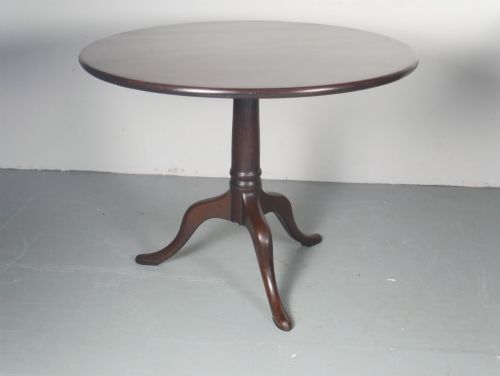
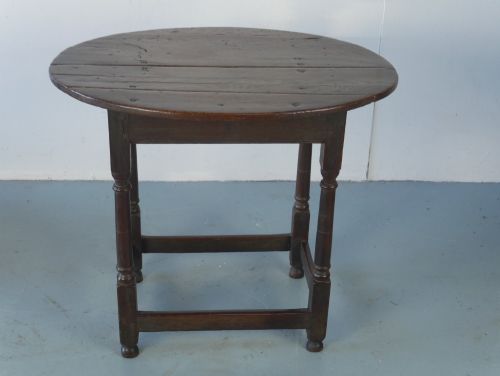
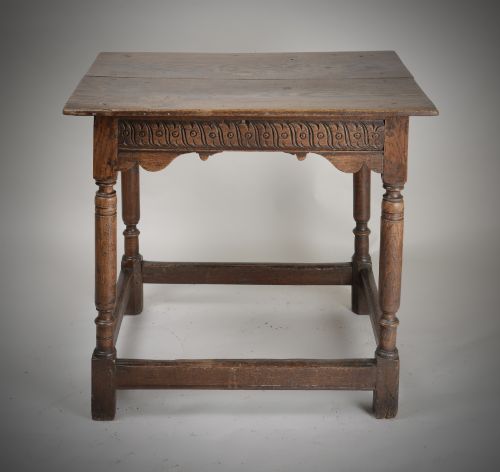
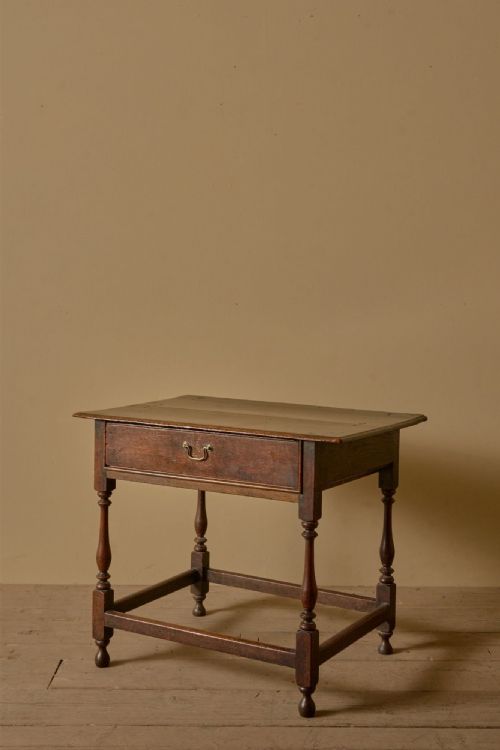
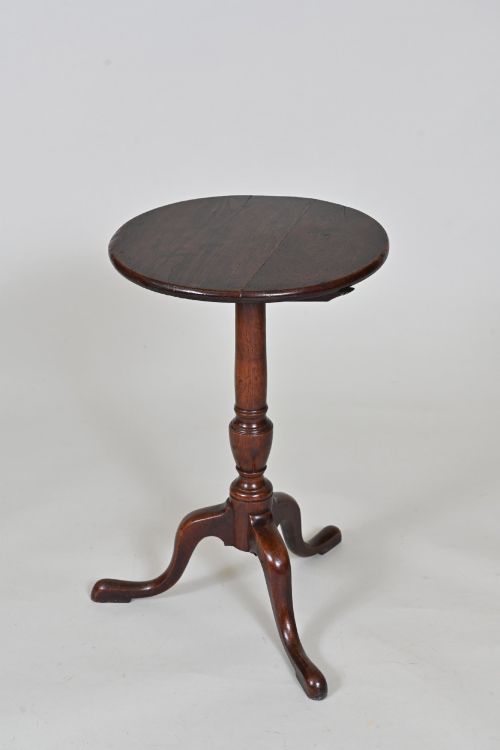
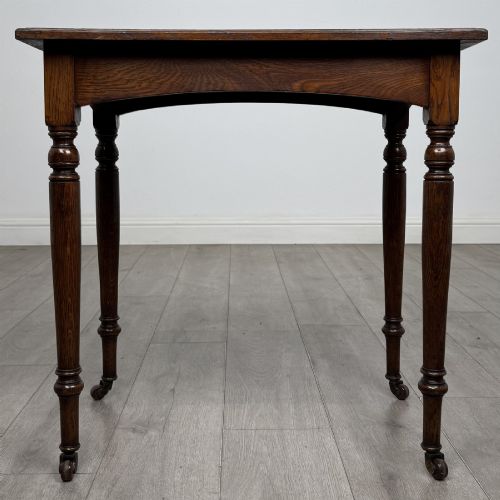
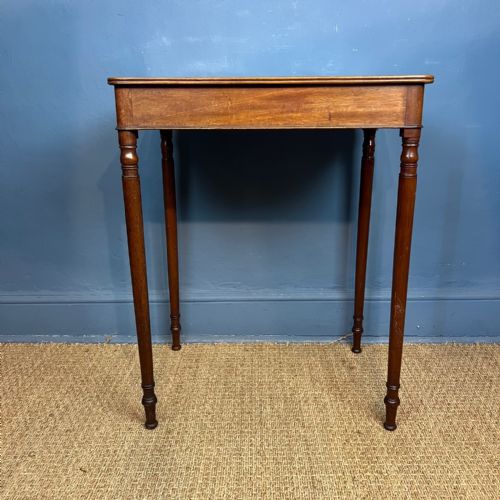
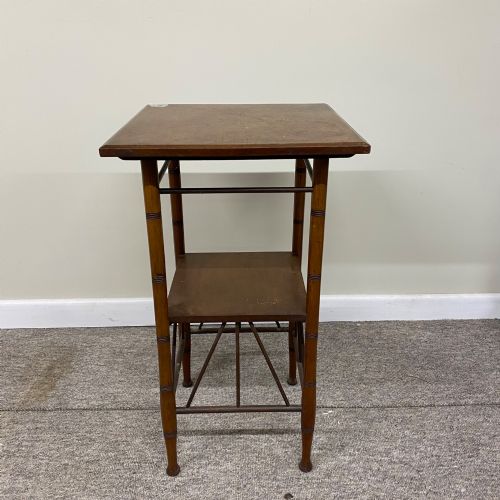
A turn of century lamp table encompasses small occasional, side, wine, and tripod tables built to hold illumination and ornaments. These pieces span centuries of design, with specific variants adopting descriptions like side table, occasional table, and wine table across the listings.
The versions most frequently encountered on this page date from the Victorian, Edwardian, and 1900 periods, alongside earlier Georgian and 18th-century forms. Makers adapted these compact surfaces for domestic rooms using diverse timber species.
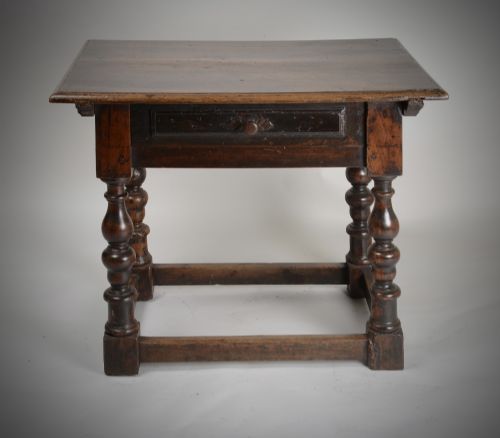
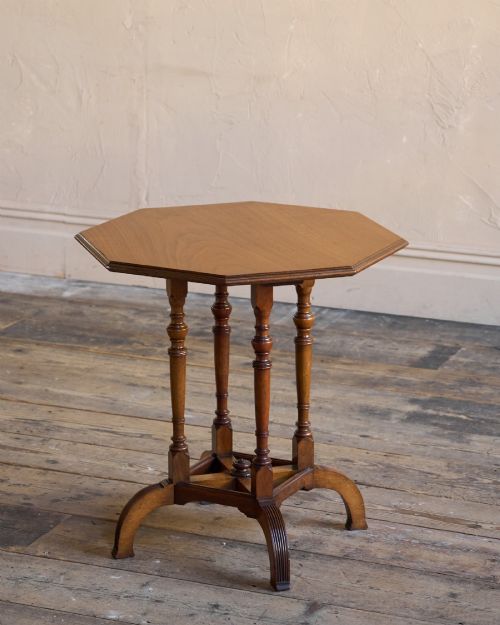
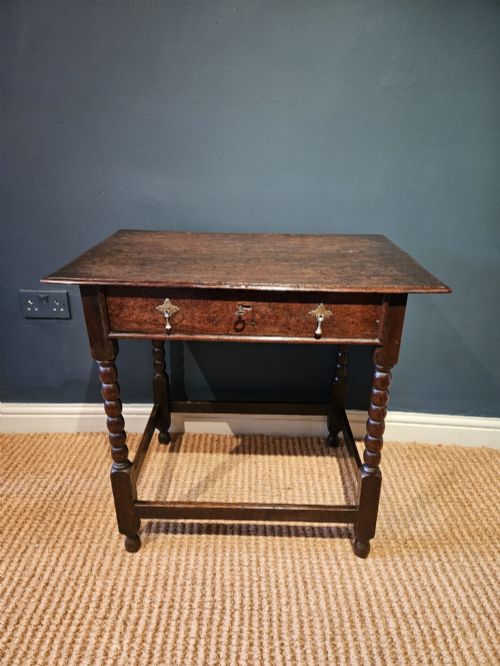
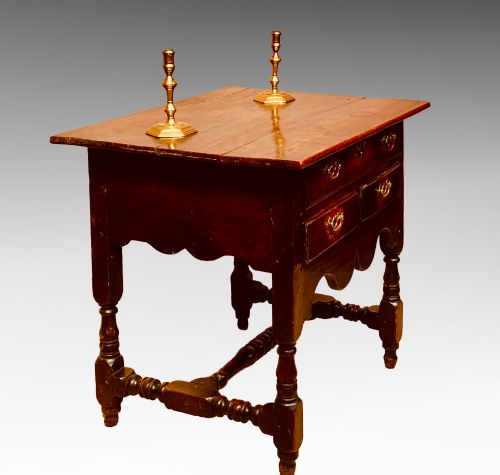
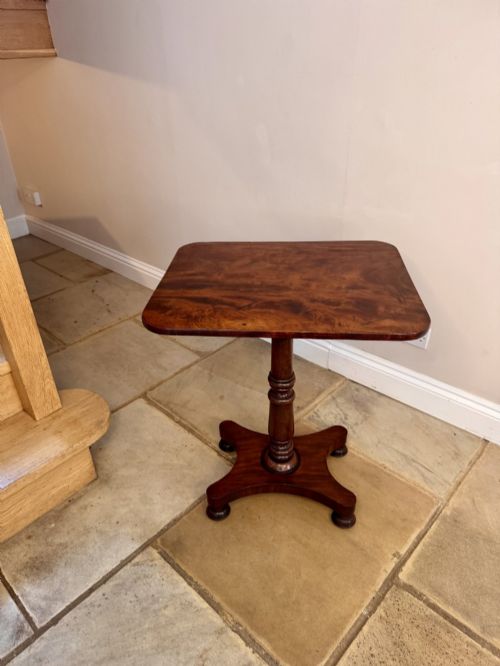
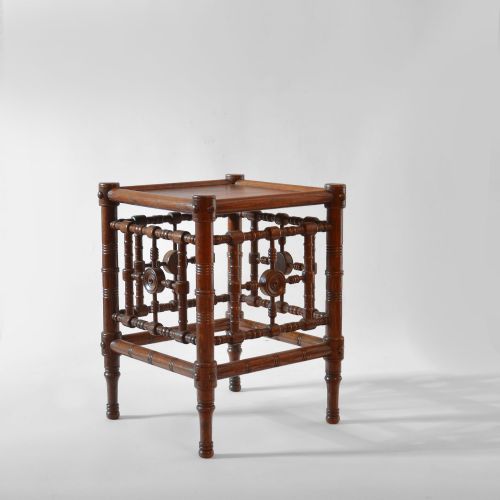
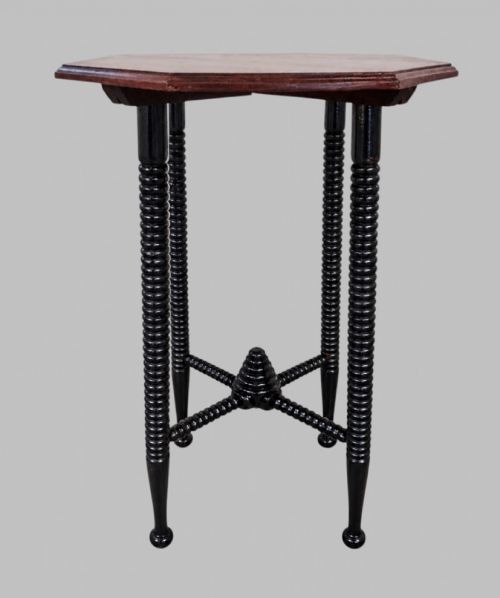
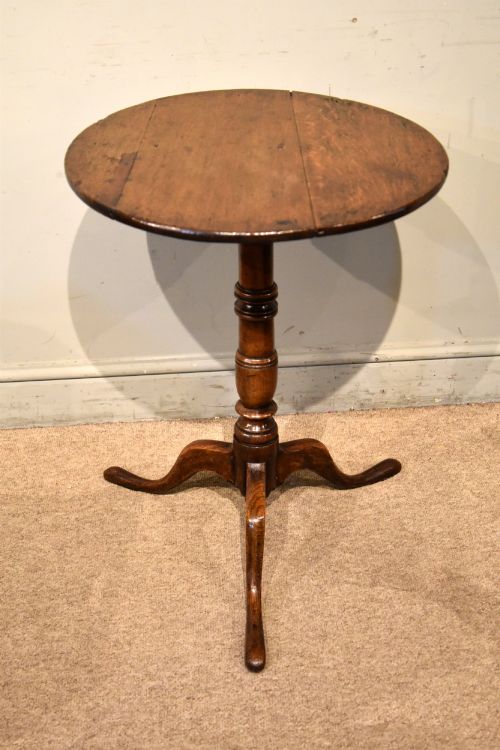
Forms range from simple rectangular and oval tops to octagonal and shaped surfaces supported by pedestals, tripod legs, or bobbin-turned bases. Buyers select these items to fit beside seating while introducing historical character to interior spaces.
Materials and construction
Construction relies heavily on traditional hardwoods such as oak, mahogany, walnut, and rosewood, often complemented by burr walnut, fruitwood, yew, and satinwood veneers. Artisans selected these dense timbers for structural stability in small-scale tables.
Joinery techniques include pegged frames, turned supports, and tilt-top mechanisms, alongside inlaid decorative work and carved detailing. Certain examples incorporate marble tops, leather inserts, and painted surfaces to vary the finish.
Turn of Century Lamp Table Retail Price Guide 2026
Typical asking prices for turn of century lamp table among the pieces listed under this phrase on Sellingantiques today, from the lower quarter to the upper quarter. They describe what is for sale here now, not the wider market.
Listings span multiple centuries, ranging from 17th-century oak examples to Edwardian mahogany and Arts and Crafts specimen tables.
Distinctions in craftsmanship
Quality separates through the selection of timber figures, such as burr walnut and figured mahogany, and the precision of inlaid details. Superior pieces demonstrate crisp carving on legs and supports, maintaining structural integrity without looseness in joints.
The refinement of turning on legs, such as bobbin-turned or spiral supports, indicates the maker's skill level. Original hardware, balanced proportions, and undisturbed timber patination further distinguish higher-tier examples from simpler utility items.
Gillows
The Turn of Century Lamp Table Glossary
- Tripod table
- A small freestanding table supported by three legs radiating from a central pillar. These formats appeared frequently in 18th-century and 19th-century rooms for holding candles or small items.
- Tilt-top
- A tabletop hinged to its pillar base so it can pivot vertically when not in use. This mechanism saved floor space in period drawing rooms.
- Bobbin-turned
- A style of furniture leg or support shaped on a lathe to resemble a series of bobbins or spools. It appears on 17th-century styles and later revival pieces.
- Occasional table
- A small, movable table designed for secondary use in a room rather than a primary dining or writing function. These surfaces accommodate lamps, books, and decorative objects.
- Wine table
- A small circular or oval table traditionally used to hold a glass and bottle of wine. They often feature pedestal bases and tilt-top mechanisms.
Turn of Century Lamp Table: Frequently Asked Questions
What is a turn of century lamp table used for?
These compact tables serve primarily to hold table lamps, candles, and small decorative items beside seating areas in living spaces. Their modest footprint allows them to fit into tight corners and beside armchairs.
Historically, similar small tables functioned as wine stands, candle tables, or occasional surfaces for holding personal items in drawing rooms and bedrooms.
How do I identify the period of a lamp table?
Dating relies on examining the timber species, construction methods, turning styles, and overall decorative motifs. For instance, bobbin-turned supports often point to 17th-century styles or later revivals, while satinwood inlay suggests late 18th-century or 19th-century work.
Comparing leg forms, such as cabriole legs on Edwardian pieces versus straight or pillar supports on Georgian examples, helps establish the era of manufacture.
Are tilt-top tables stable?
Tilt-top tables utilise a catch mechanism beneath the surface to lock the top horizontally onto the pillar and tripod base. When the mechanism is properly adjusted and maintained, the surface remains stable for holding lamps and drinks.
Over time, the wooden blocks and pivots can wear, so checking the firmness of the pivot joint ensures the top sits level without excessive wobble.
How do I care for antique wood tables?
Maintenance involves keeping timber surfaces away from direct heat sources and strong sunlight, which can dry out the wood and fade polished finishes. Regular dusting with a soft, dry cloth preserves the natural patination of the timber.
Applying occasional appropriate wax polish helps nourish hardwoods like oak, mahogany, and walnut without building up sticky residue on the surface.