

Turkmen Tribal Wall Hanging
Turkmen tribal wall hanging items bring the rich textile heritage of Central Asian nomads directly into modern interiors.
Turkmen Tribal Wall Hanging
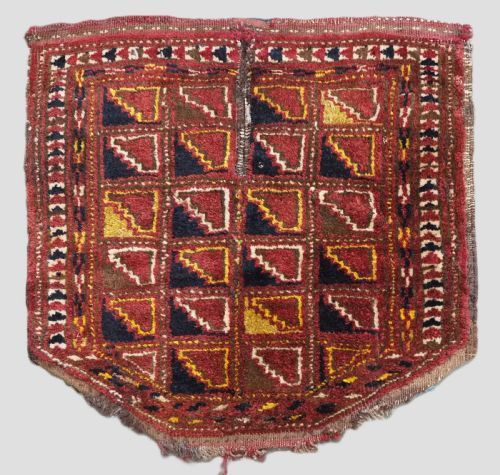
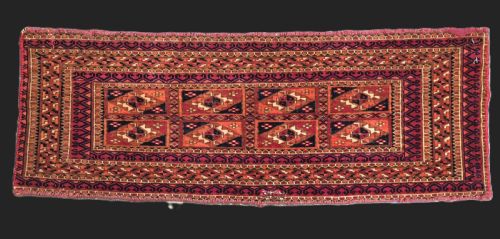
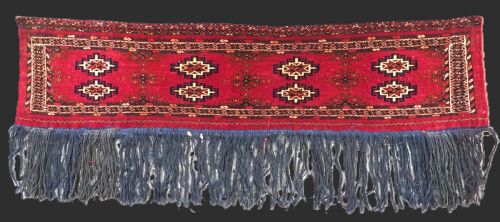
When searching for a turkmen tribal wall hanging, a buyer examines woven and embroidered works originating from Central Asian regions such as the Trans-Caspian Steppes and the Merv Oasis. The listings here present diverse utilitarian tribal objects from the nineteenth and early twentieth centuries, repurposed for display.
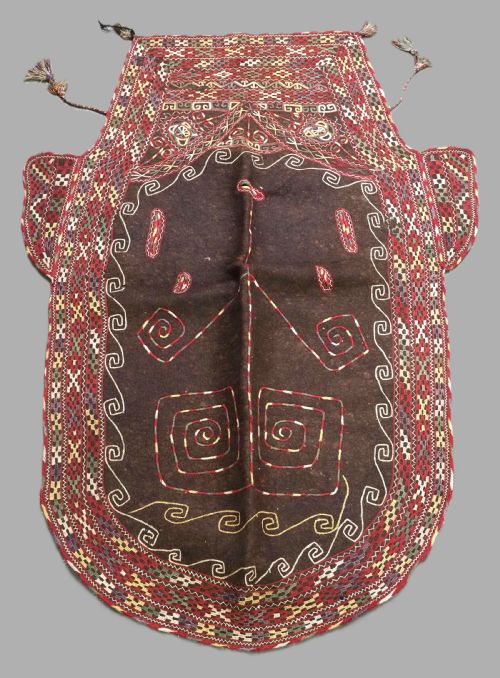
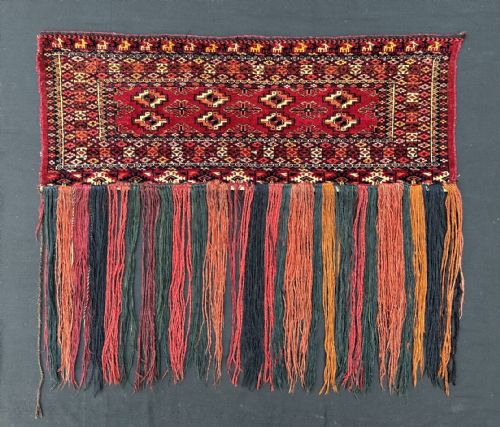
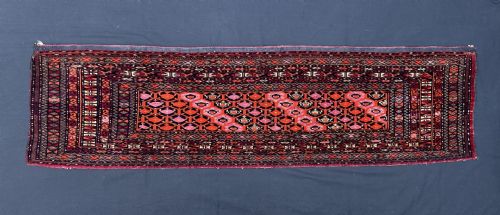
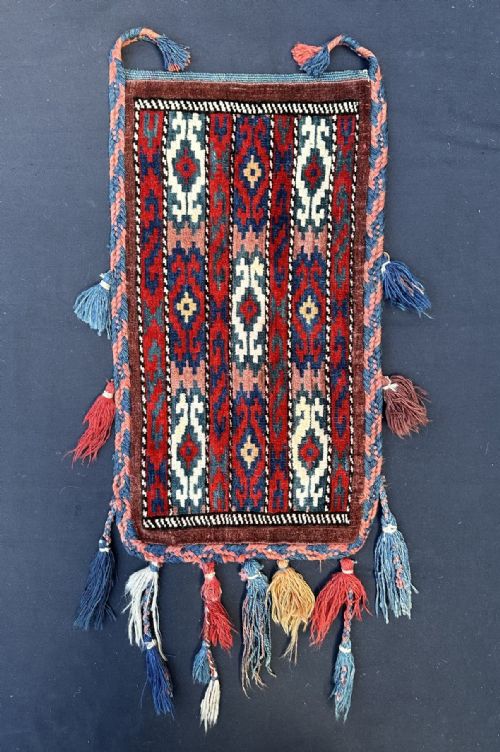
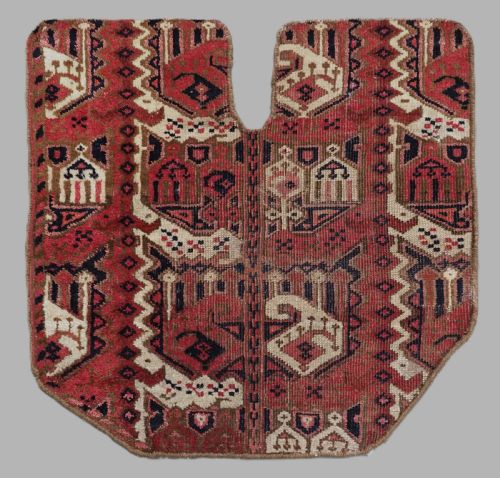
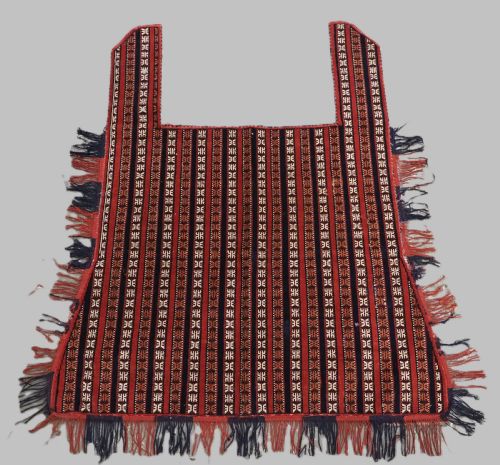
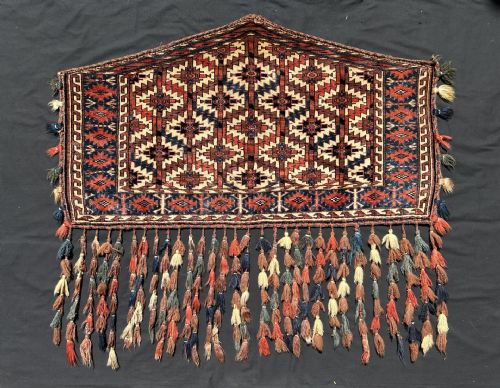
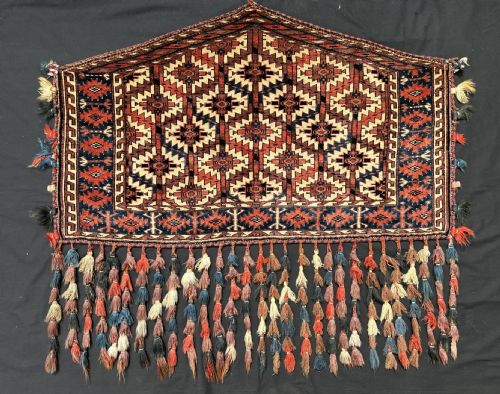
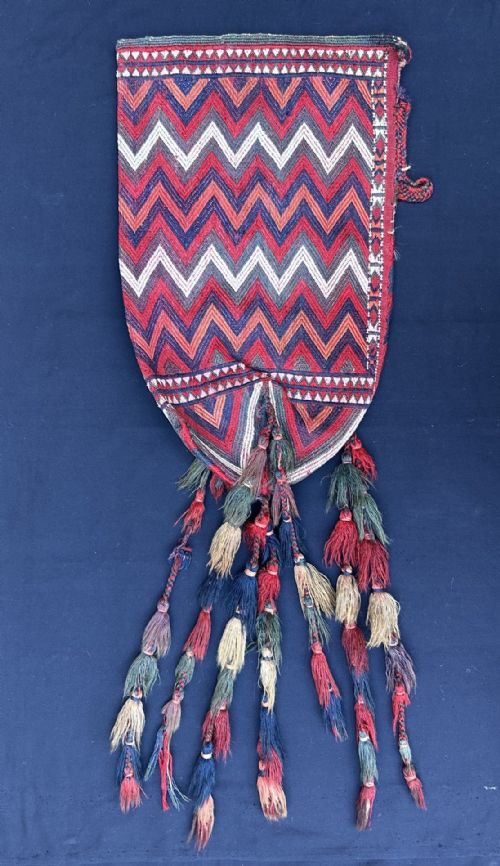
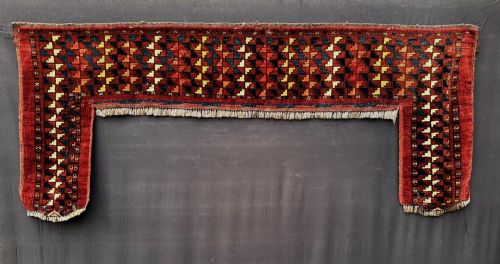
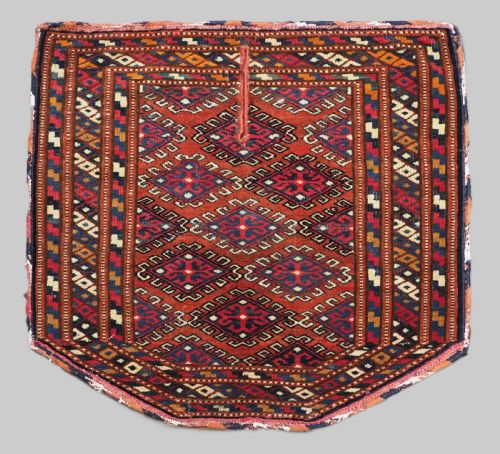
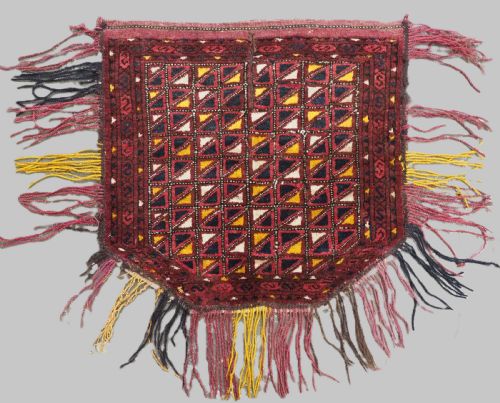
Common forms on this page include horse covers, saddle rugs, asmalyks, and storage bags like torbas and chuvals created by various tribal groups including the Yomut, Tekke, Ersari, and Saryk. These items translate nomadic functional weaving into decorative wall art through intricate repeating motifs and traditional formats.
Materials and construction
The objects rely primarily on hand-spun wool and natural dyes, occasionally augmented by cotton, felted wool, and silk thread for tactile and visual contrast. Weavers utilised traditional techniques to produce durable flatweaves and pile rugs designed for the rigours of nomadic life.
Dye baths using natural colourants provided deep reds and contrasting secondary tones that define the regional aesthetics. Structural details such as plain weave backs and original tassels remain visible on surviving examples from the eighteen-fifties onward.
Nomads wove elaborate horse blankets so their mounts looked properly dressed for weddings.
Assessing quality
Quality rests upon the fineness of the weave, the clarity and complexity of tribal gul designs, and the condition of the wool surface. Dense knotting and precise geometric layouts indicate skilled workshop or tribal execution.
The integrity of the natural dyes and the preservation of original elements like borders, fringe, and backings distinguish exceptional examples from standard pieces. Depth of colour and the precision of intricate patterns elevate specific torbas, asmalyks, and chuval faces.
The Turkmen Tribal Wall Hanging Glossary
- Gul
- A primary medallion motif used in Turkmen carpets and tribal trappings. Each tribal group typically utilised distinct gul variations to signify lineage and identity.
- Asmalyk
- A large, pentagonal trapping traditionally hung on the flank of a camel during wedding processions. These pieces now serve as decorative wall textiles.
- Torba
- A small utility bag used within the yurt for storage. Collectors prize the decorative face panels for their dense iconography and portable scale.
- Chuval
- A large tent storage bag produced by nomadic weavers. Surviving faces display repeating primary guls and elaborate border systems.
- Kizil
- A term denoting red-ground pieces characteristic of specific tribal palettes. These works rely on deep madder-based dyes for their dominant visual warmth.
Turkmen Tribal Wall Hanging: Frequently Asked Questions
What are Turkmen tribal weavings?
These textiles are practical items made by nomadic and tribal groups in Central Asia, including horse covers, tent bags, and saddle rugs.
Over time, collectors and interior designers adapted these functional objects to hang on walls for display.
How were these textiles used originally?
Nomadic families utilised these woven and embroidered pieces inside yurts for storage, transport, and ceremonial processions like weddings.
Animals also wore specialised trappings during communal celebrations and travels across the steppes.
How do I care for a textile on the wall?
Mounting requires a supportive sleeve or professional conservation framing to distribute the weight evenly across the wool fabric.
Direct sunlight and excessive moisture should be avoided to protect the natural dyes and delicate threads.