

Turkmen Nomadic Weaving
Turkmen nomadic weaving encompasses the tribal rugs, tent bags, and domestic trappings created across Central Asia by groups such as the Teke, Yomut, and Ersari.
Turkmen Nomadic Weaving
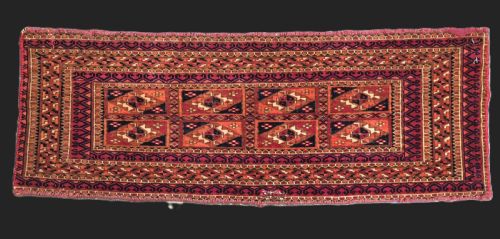
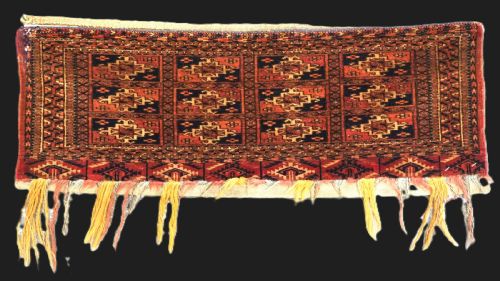
The pieces encountered most frequently on this page date from the nineteenth century into the early twentieth century. They reflect the distinct visual vocabularies of regional tribes, including the Teke, Yomut, and Ersari peoples.
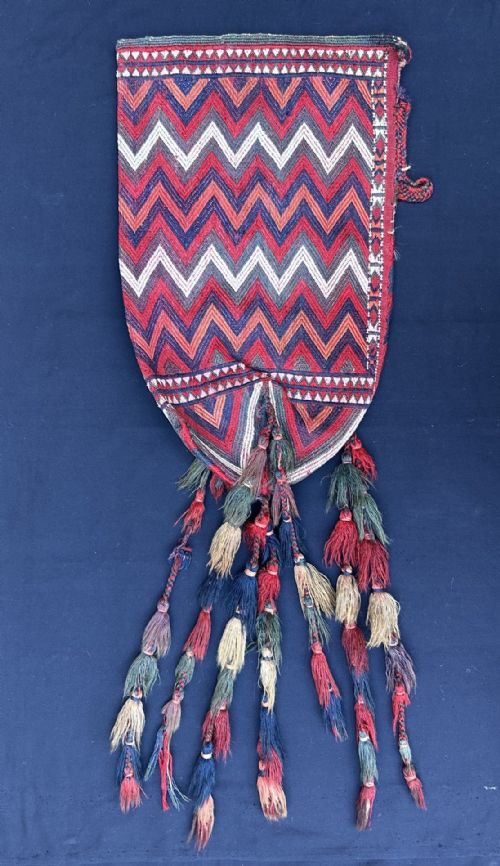
Objects range from small spindle bags and wedding trappings to large storage sacks and floor coverings. Each format served a specific domestic purpose within the felt tent or yurt.
How they were made
Weavers utilised hand-spun wool as the primary foundation and pile material, occasionally incorporating cotton for structural strength or silk for decorative highlights. Natural dyes provided the deep reds, madder tones, and secondary colours that define the palette of these tribal textiles.
Structure varied from dense pile carpets to flatwoven surfaces, sometimes augmented with extra-weft techniques or embroidery. Additional details such as glass beads, goat hair, and horsehair were integrated into specific utilitarian items.
Listings feature wool, natural dyes, silk, and goat hair across nineteenth-century regional types.
What varies in quality
The standard of execution depends on the density of the weave, the clarity of the drawing, and the vibrancy of the natural dyes. Finer examples display precise execution of traditional gul motifs and balanced proportions across the field.
State of preservation also determines distinction within the range, particularly the survival of original plain weave backs, tassels, and selvedges. Pieces retaining their structural integrity and complete design fields represent the upper echelon of tribal production.
The Turkmen Nomadic Weaving Glossary
- Gul
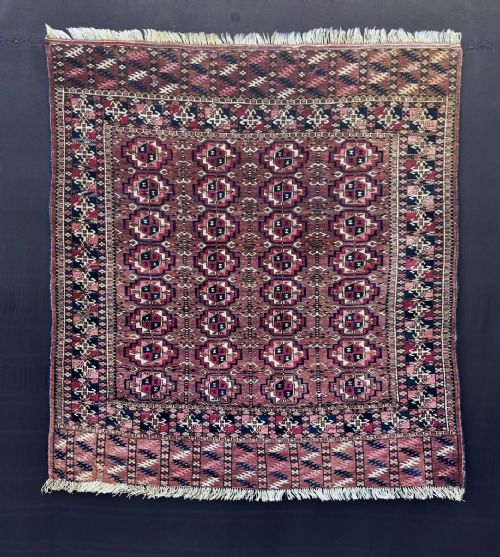
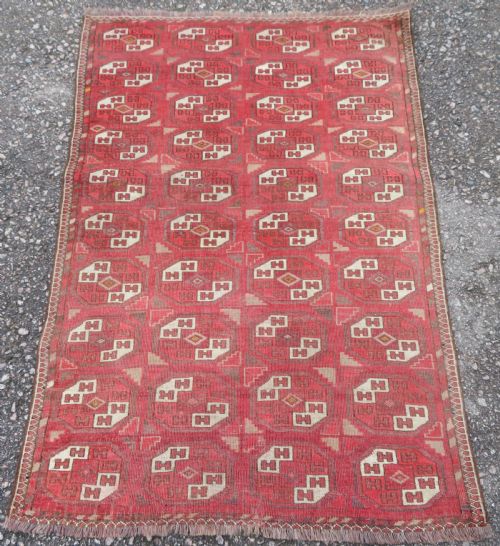
- The primary repeating medallion motif characteristic of Turkmen tribal carpets and bag faces. Each major tribe traditionally utilised its own distinct form of this octagonal or cruciform design element.
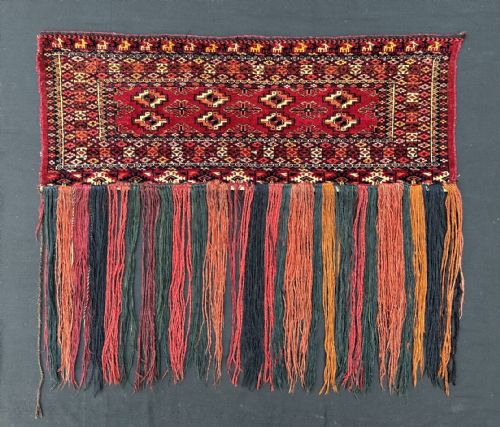
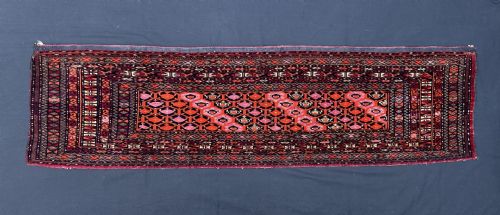
- Torba
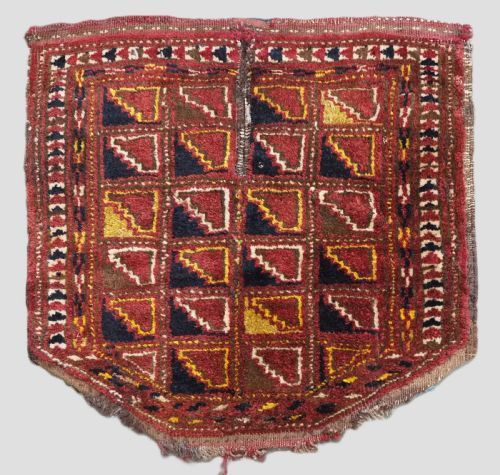
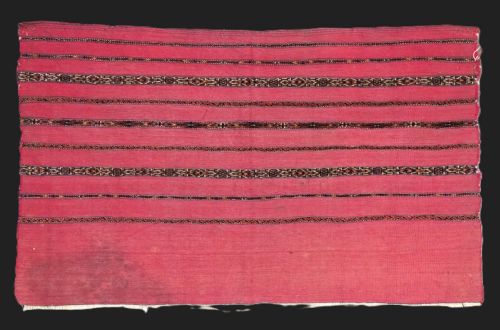
- A small horizontal storage bag used inside the yurt for household possessions. These items typically feature a decorated face and a plain weave back.
- Chuval
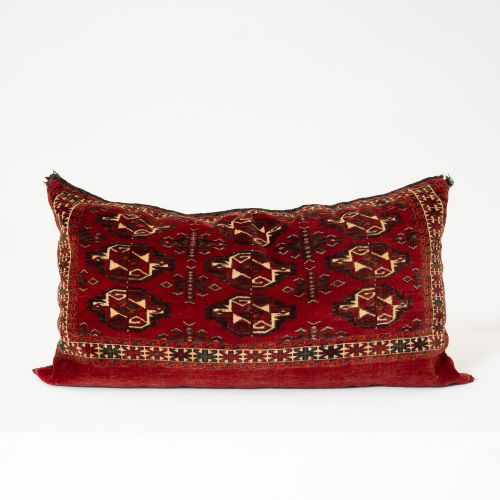
- A large tent storage bag designed for bedding and clothing. They frequently display multiple rows of primary guls across the face.
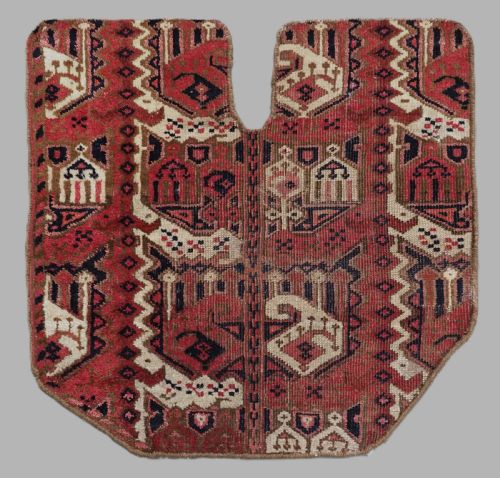
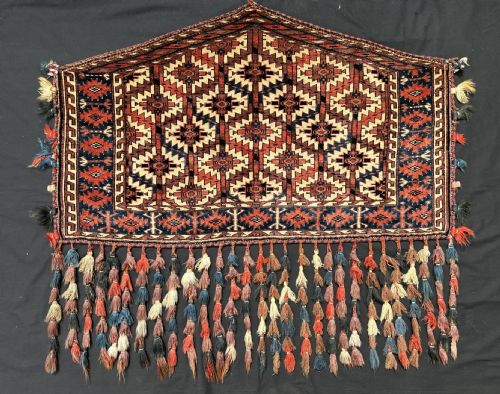
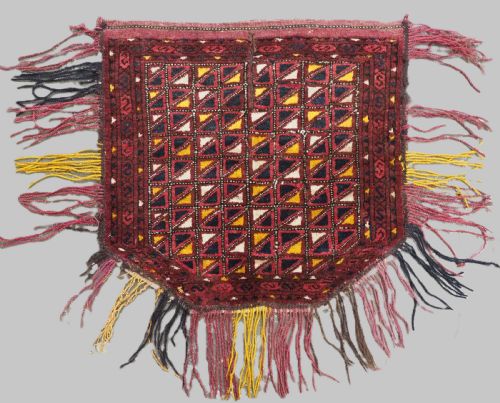
- Asmalyk
- A large pentagonal or polygonal trapping hung inside the yurt or used in wedding processions. These pieces often exhibit highly elaborate geometric or bird motifs.
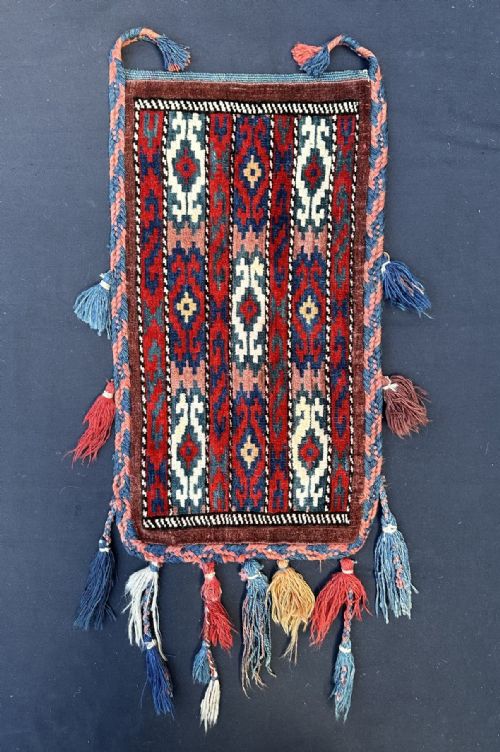
- Kap
- A general term for a bag or container used in nomadic daily life. Collectors apply this to various small storage formats found in tribal households.
Turkmen Nomadic Weaving: Frequently Asked Questions
How do I identify tribal groups?
Tribal attribution relies primarily on the specific gul motifs, secondary ornaments, and colour palettes employed in the weaving. Groups such as the Teke, Yomut, and Ersari maintained distinct design traditions passed down through generations.
Structural details like weave density and side-finish construction also provide clues to origin. Comparing the repeating patterns against known tribal canons helps pinpoint the likely makers.
How were these textiles used?
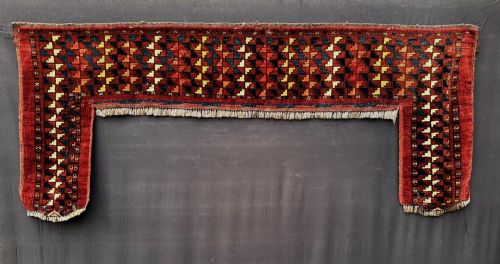
Nomadic communities used these woven pieces for domestic storage, animal trappings, and architectural decoration within the yurt. Door rugs, bag faces, and wedding hangings formed an integral part of the portable interior environment.
Many items served specific ceremonial functions during marriages or seasonal encampments. The trappings reflected both the practical needs and the social status of the family.
How do I care for antique wool?
Antique wool textiles require gentle treatment, starting with regular, light vacuuming using low suction without a rotating brush head. Keeping the pieces away from direct sunlight prevents the natural dyes from fading over time.
Professional textile conservators should handle any major cleaning or structural stabilization. Allowing the wool to breathe and maintaining stable indoor humidity protects the natural fibres from deterioration.