


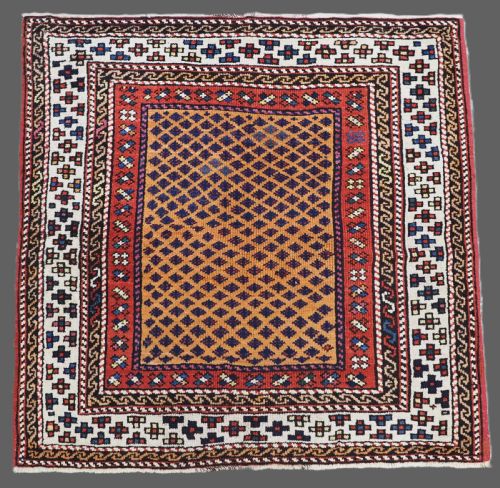
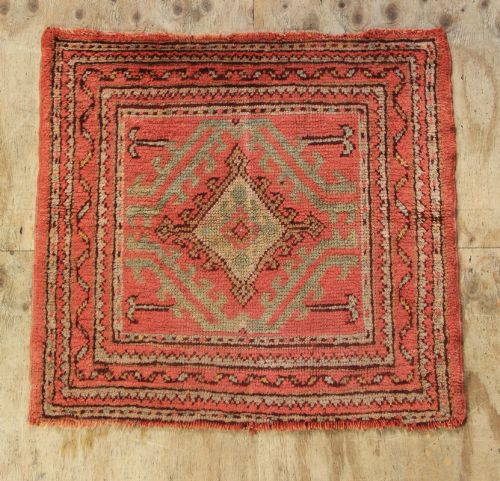
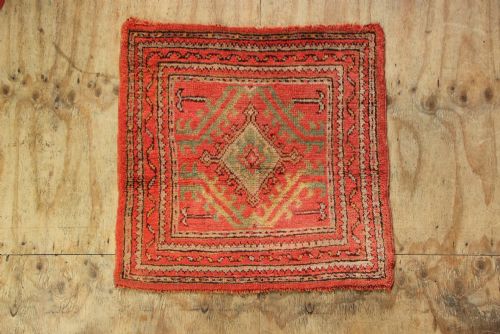
Turkish Tribal Carpet
A turkish tribal carpet brings geometric power and deep village tradition into a modern room through centuries of Anatolian weaving craft.
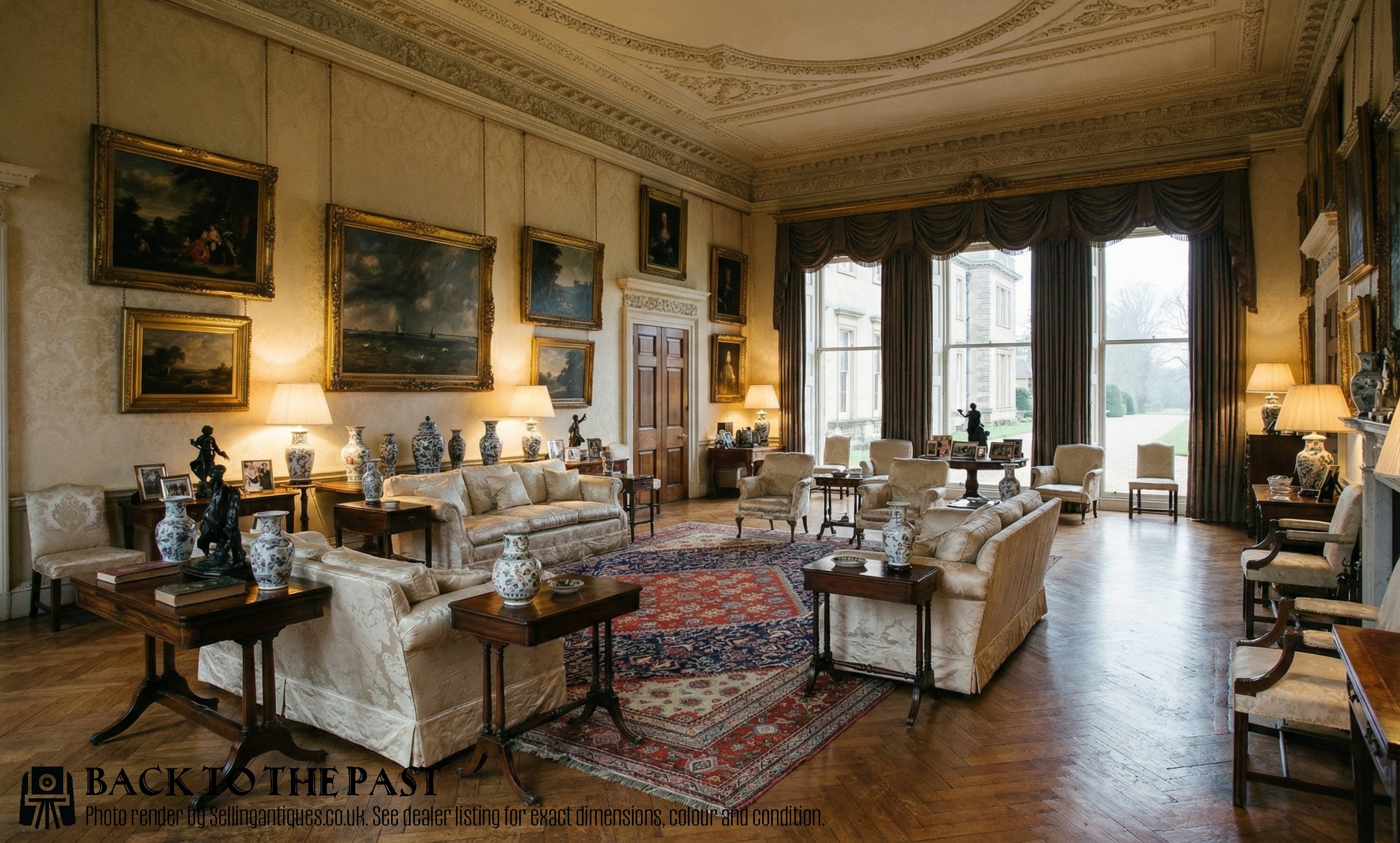
Turkish Tribal Carpet
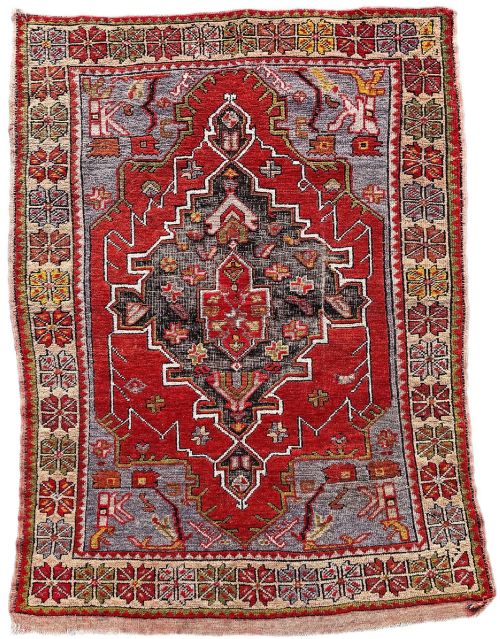
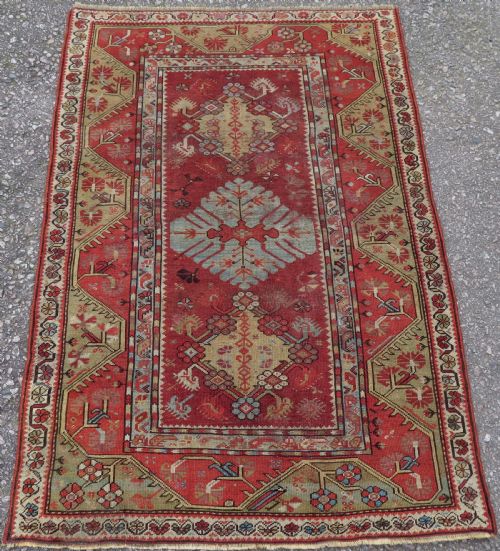
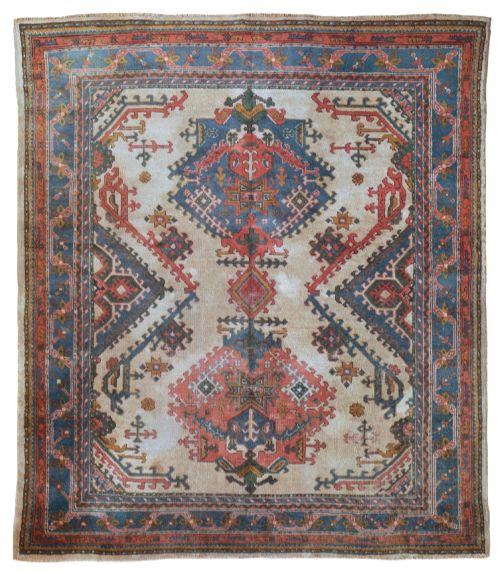
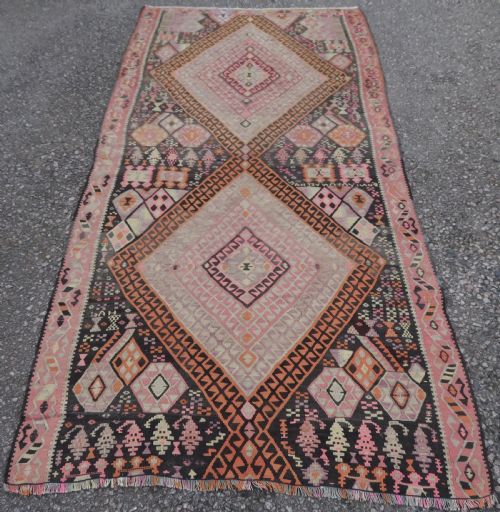
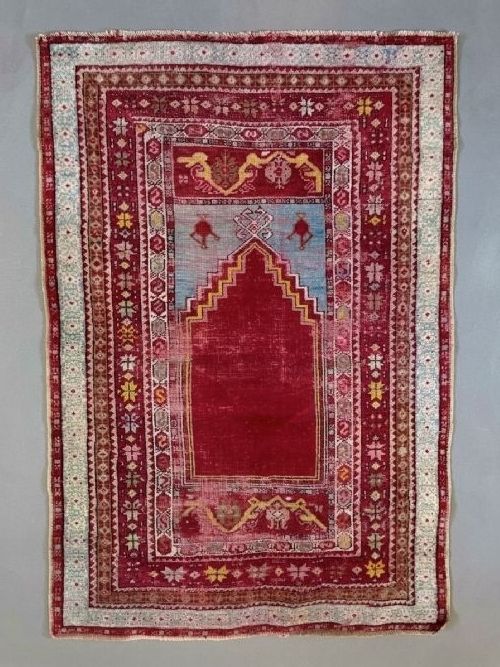
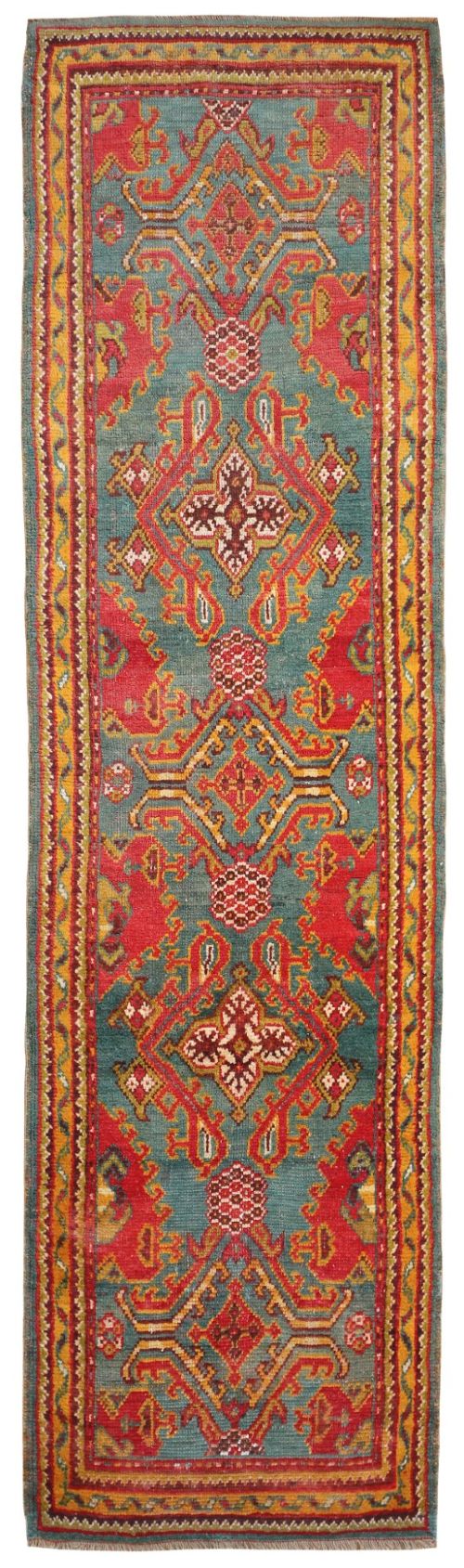
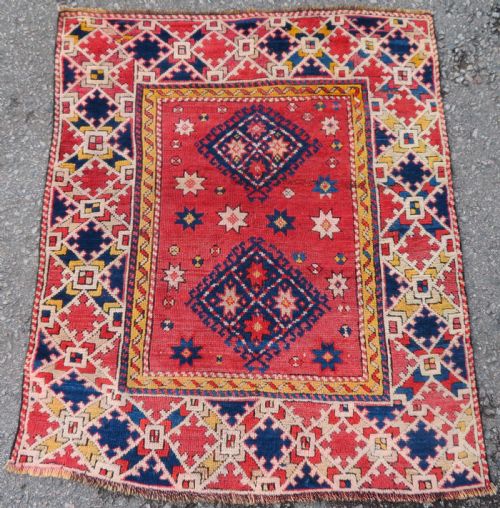
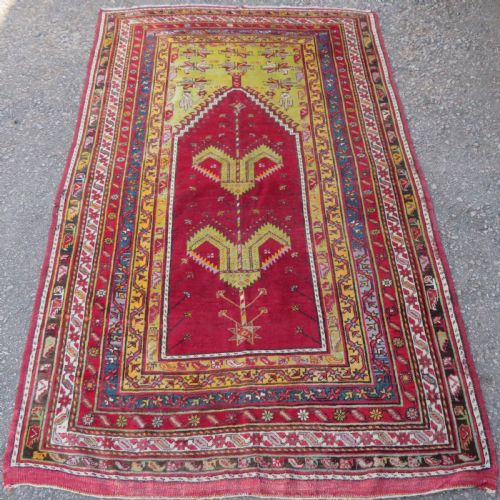
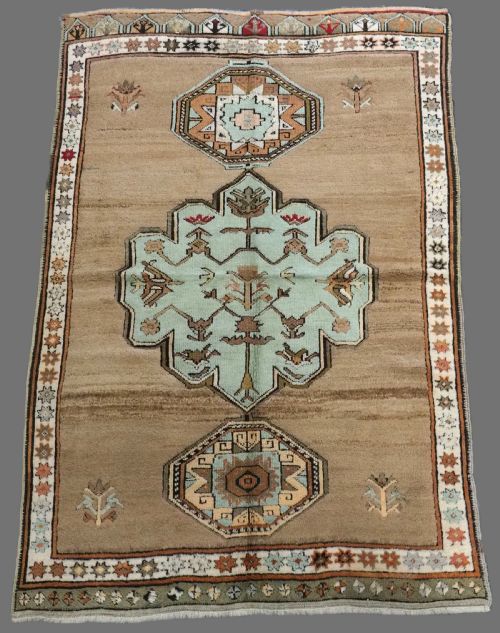
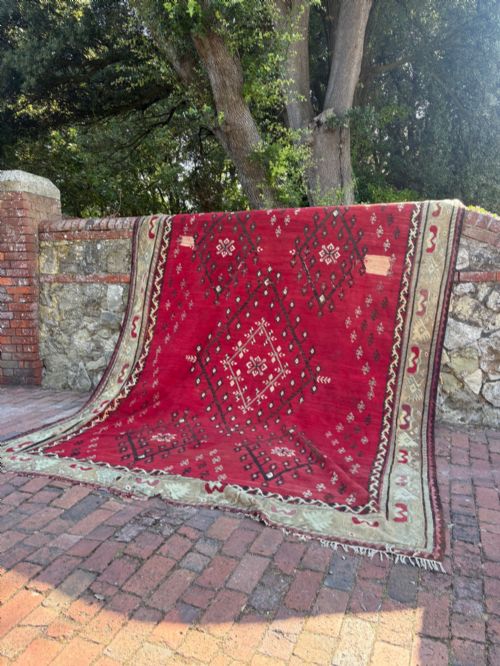
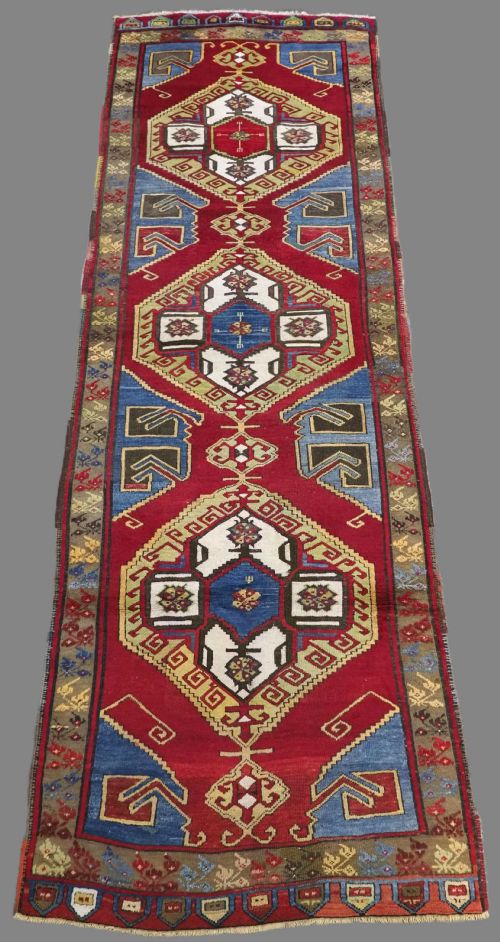
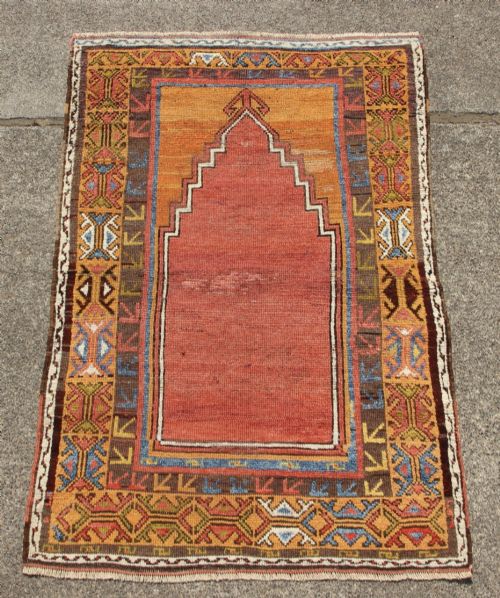
When searching for a turkish tribal carpet, buyers encounter hand-knotted village rugs, flatweave kilims, and narrow runners originating from Anatolian regions such as Konya, Bergama, Kirsehir, and Ushak. These pieces display distinct regional symbolism, geometric medallions, and prayer Mihrabs created by nomadic and village weavers.
The most common examples on this page date from the nineteenth and early twentieth centuries, spanning formats from small squares and mats to room-sized carpets. Village formats like yastics and long runners reflect the domestic and practical requirements of traditional Anatolian households.
Materials and construction
Weavers constructed these textiles predominantly using hand-spun wool and cotton foundations, occasionally incorporating camel wool for natural field tones. Natural dyes provided the characteristic soft colour palette found across traditional village workshops.
Techniques range from dense pile knotting seen in prayer rugs to flatweave kilim construction, where the pattern forms by interweaving warp and weft threads without a pile.
Turkish Tribal Carpet Retail Price Guide 2026
Typical asking prices for turkish tribal carpet among the pieces listed under this phrase on Sellingantiques today, from the lower quarter to the upper quarter. They describe what is for sale here now, not the wider market.
Judging quality in these textiles
Quality rests upon the fineness of the knotting, the integrity of the natural dyes, and the balance of the tribal design within the borders. Superior examples maintain structural stability and crisp geometry across the field.
The handling of wool quality and the depth of natural dye saturation differentiate standard village output from master-woven tribal pieces that retain luminous character over generations.
The Turkish Tribal Carpet Glossary
- Kilim
- A flatweave carpet or rug made without a pile by tightly interweaving warp and weft threads. These textiles often serve as floor coverings or hanging panels.
- Prayer Rug
- A textile featuring a niche or Mihrab design at one end, traditionally used for daily Islamic prayers. Weavers in centres like Konya and Kirsehir specialised in this format.
- Warp
- The vertical threads stretched lengthwise on a loom that form the foundational skeleton of the rug. Fringe typically extends from these exposed parallel cords.
- Weft
- The horizontal threads passed alternately over and under the warp threads to secure the knots. They hold the structural tension of the woven field.
- Yastic
- A small Turkish cushion cover or small rug traditionally used on low seating. These early pieces measure in compact formats.
Turkish Tribal Carpet: Frequently Asked Questions
How do I clean an old carpet?
Surface dust removes easily with gentle vacuuming across the weave without engaging a rotating brush. Professional textile cleaning remains essential for deep washing to protect natural wool fibres.
Water exposure requires immediate blotting rather than rubbing to prevent dye migration across the cotton and wool foundations.
Are these rugs suitable for hallways?
Narrow runners and long formats suit corridors and high-traffic walkways when paired with a quality underlay. Wool resilience naturally handles regular footsteps.
Placing a breathable pad underneath prevents slipping and reduces friction between the flatweave or pile and the floorboards.
What is a prayer niche?
The prayer niche, or mihrab, is an arch-shaped architectural motif pointing toward Mecca during daily worship. Weavers integrated this sacred geometry into regional prayer rugs.
Identifying this arched format distinguishes devotional textiles from standard floor carpets and tribal runners.
How do I date a village rug?
Stylistic shifts, structural materials, and natural dye variations offer clues to the approximate decade of production. Nineteenth-century examples often display softer vegetable dye palettes and looser hand-spun wool.
Comparing border motifs and regional medallion structures against documented museum pieces helps narrow the production era.