


Turkish Tribal Area Rug
A turkish tribal area rug brings regional character and traditional knotting into a room through geometric motifs and natural dyes.
Turkish Tribal Area Rug
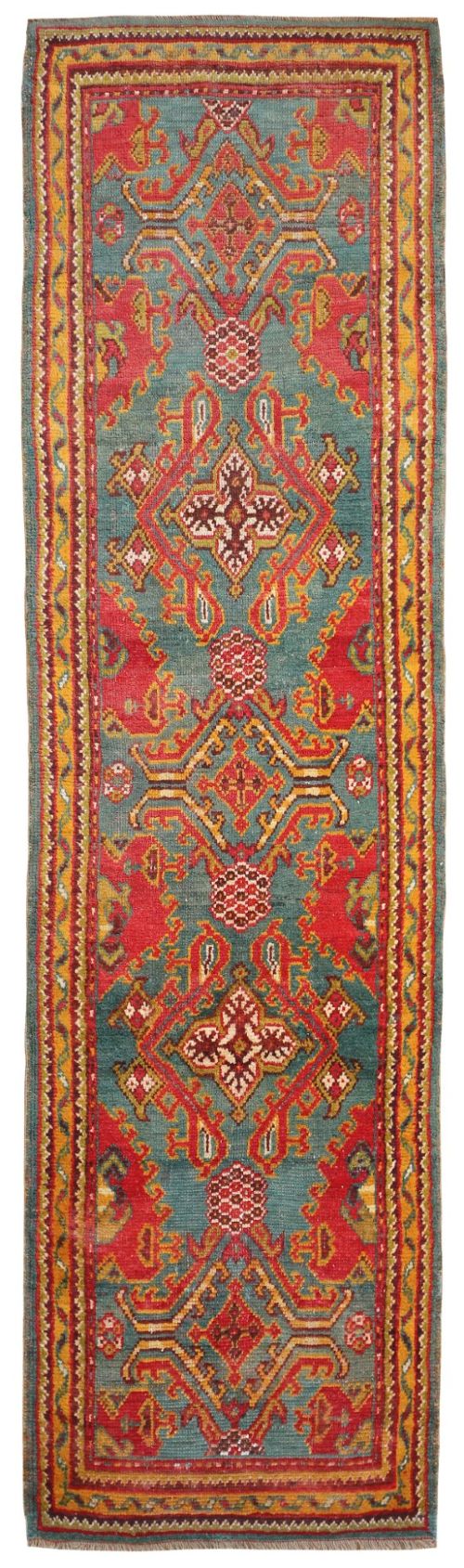
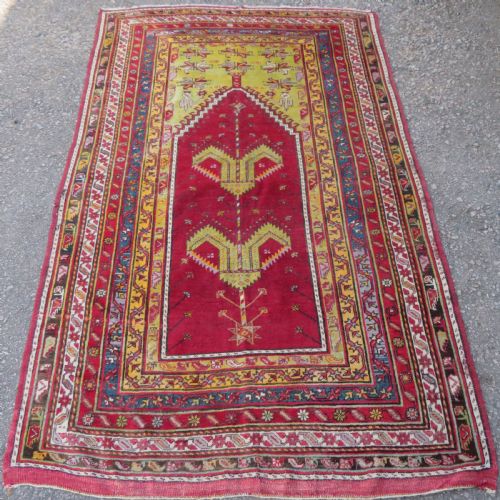
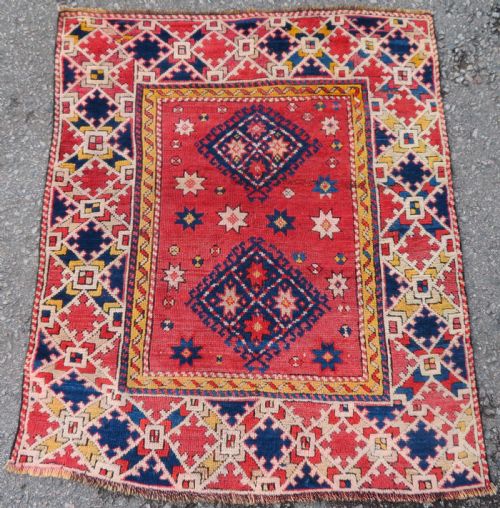
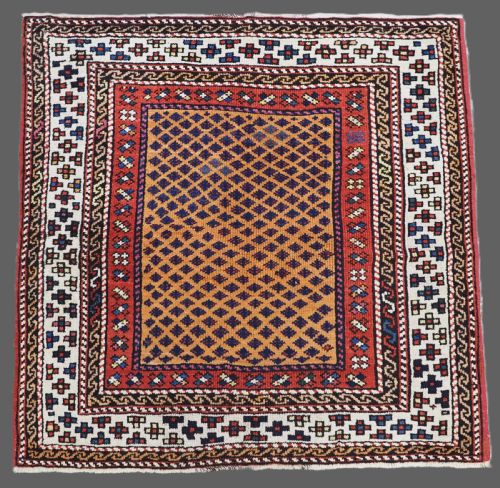
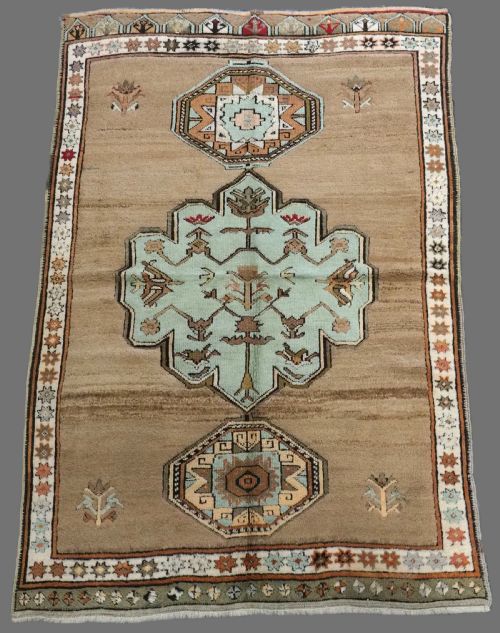
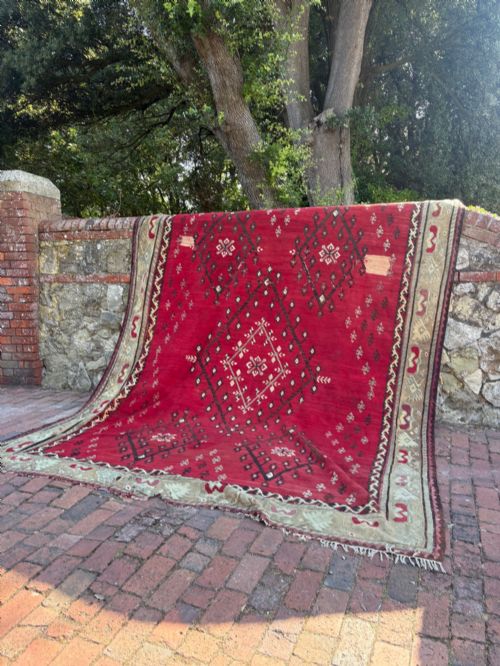
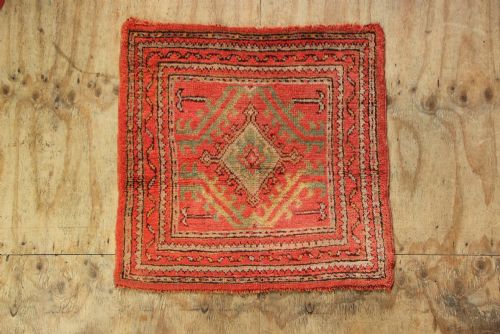
A turkish tribal area rug encompasses woven floor coverings originating from various Anatolian towns and villages, spanning periods from the mid-nineteenth century into the twentieth century. These pieces include smaller prayer formats, square formats, and long runners woven by regional weavers using traditional local designs.
The most common examples encountered on this page originate from nineteenth and early twentieth-century village workshops across central and western Anatolia. Pieces often display geometric medallions, lattice patterns, or prayer mihrab designs associated with historical weaving centres such as Bergama, Kirsehir, and Ushak.
Materials and Construction Techniques
Weavers constructed these textiles primarily using wool, cotton foundations, and hand-spun wool, sometimes incorporating camel wool for natural undyed brown tones. The pile was knotted by hand onto warps, or alternatively woven flat as a kilim without pile.
Dyes were traditionally derived from local plants and minerals, creating the soft colours and rich palettes observed across village carpets and runners. Structures range from single-piece weaves to kilims woven in two parts and joined together.
Listings feature pieces spanning from the mid-nineteenth century through the 1930s, utilising wool, cotton, and hand-spun wool.
Factors Distinctions in Quality
Quality in these textiles rests upon the fineness of the knotting, the crispness of the geometric drawing, and the condition of the original edges and ends. Superior examples maintain structural integrity alongside balanced, harmonious colour palettes.
The choice of materials also influences standing, with hand-spun wool and camel wool adding tactile depth compared to standard commercial yarns. Well-preserved early examples demonstrate greater precision in regional village patterns and a more substantial handle.
The Turkish Tribal Area Rug Glossary
- Prayer rug
- A textile featuring a mihrab niche design intended for ritual use, often characterised by directional motifs pointing toward Mecca.
- Kilim
- A flatweave carpet or rug produced without a pile by tightly interweaving warp and weft threads.
- Runner
- A long, narrow carpet format traditionally suited for hallways, corridors, or narrow spaces.
- Medallion
- A central decorative motif placed in the field of a rug, frequently geometric or star-shaped in village weaving.
- Warp
- The vertical threads stretched tightly on the loom that form the structural foundation of the textile.
Turkish Tribal Area Rug: Frequently Asked Questions
How do I care for a vintage rug?
Vacuum gently without using a rotating brush roll to protect the wool pile and delicate hand-spun foundations.
Keep the textile out of direct sunlight to prevent natural dyes from fading over prolonged periods.
Where were these rugs made?
These pieces were produced across various regions of Anatolia, including towns like Bergama, Kirsehir, Ushak, and Konya.
Each village or district developed distinct colour combinations and geometric patterns unique to local weaving traditions.
Are these pieces woven with wool?
Most examples utilise wool for the pile and surface design, often paired with cotton or wool foundations for structural support.
Some specialist pieces also incorporate camel wool for natural, undyed brown fields.