


Turkish Oriental Rug
A turkish oriental rug brings rich Anatolian heritage into a room, offering centuries of woven artistry through traditional patterns and tactile textures.
Turkish Oriental Rug
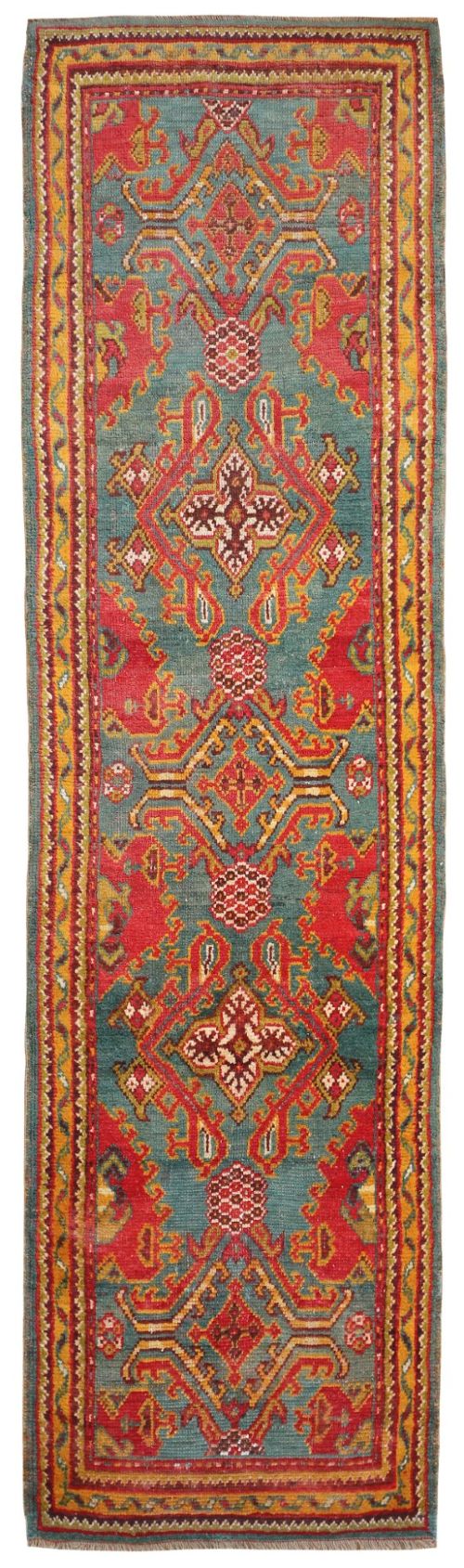
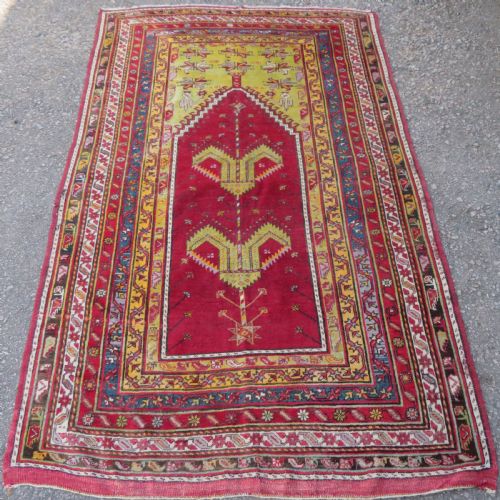
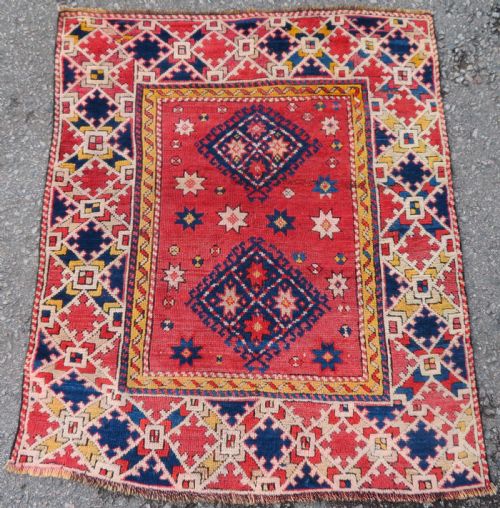
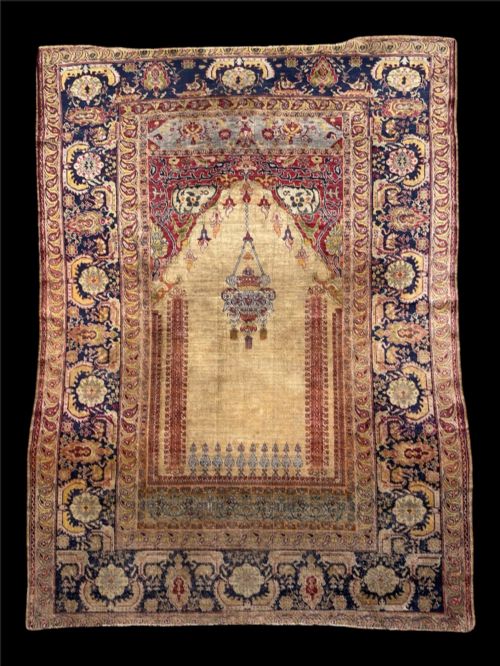
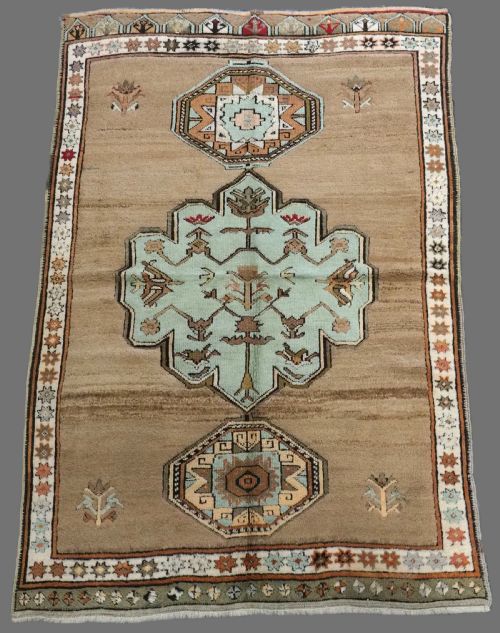
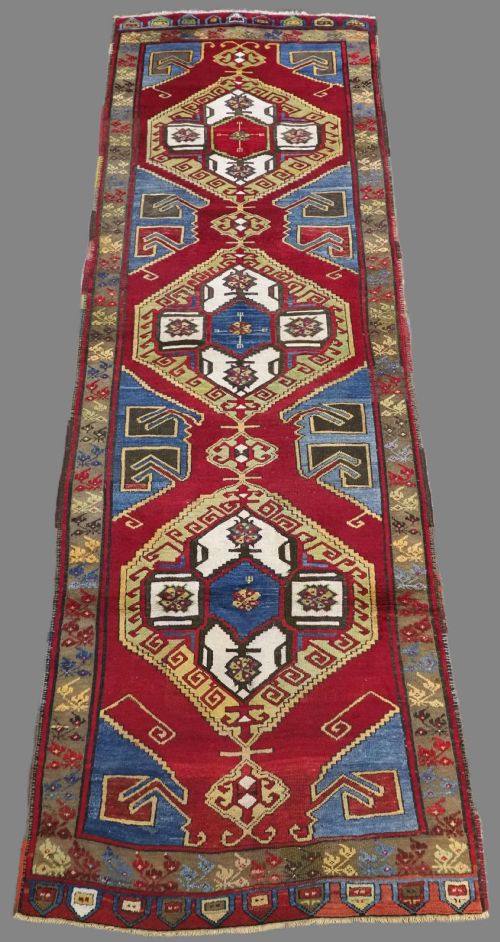
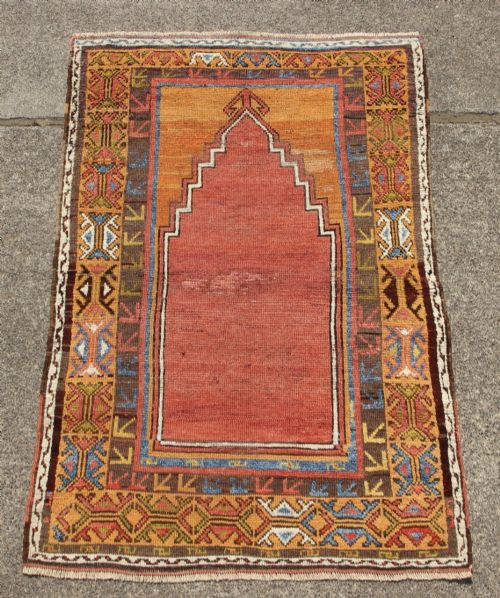
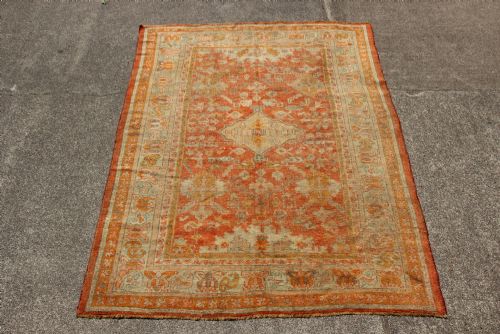
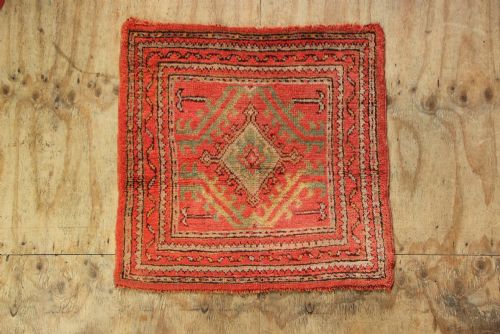
A turkish oriental rug encompasses woven floor coverings and decorative textiles originating from Anatolia and the broader Ottoman sphere, spanning periods from the eighteenth century through to the early decades of the twentieth century. These pieces include large carpets, long narrow runners, square formats, and specific devotional forms such as prayer rugs.
The selections encountered here frequently display regional weaving traditions associated with historic centres like Oushak, Konya, Bergama, and Ghiordes. Buyers routinely discover examples ranging from room-sized carpets down to compact accent pieces, alongside related flat weaves and fragments.
Village and tribal workshops produced these textiles using established local motifs, resulting in pieces that function as both practical floor coverings and historical artefacts. The aesthetic draws heavily on traditional Anatolian designs, often adapted through generations of local weavers.
How they were made
Traditional construction relies primarily on wool, cotton, and occasionally silk or camel wool, paired with hand-spun yarns that provide varied texture and resilience. Artisans utilised organic dyestuffs to achieve soft, muted colour palettes that patinate gracefully over time.
Certain finer examples incorporate metallic threads alongside standard pile yarns, while other formats employ flat-weave techniques characteristic of traditional kilims. The structural foundation commonly utilises cotton or wool warps and wefts to bind the pile securely.
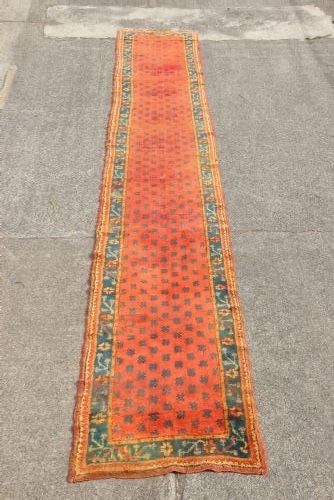
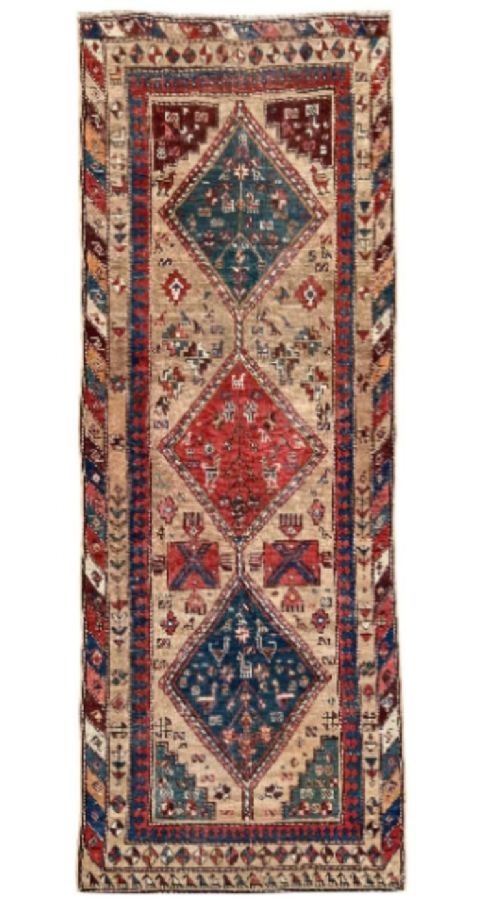
Formats available range from room-sized decorative carpets and long narrow runners to square rugs, fragments, and specific devotional prayer formats.
What varies in quality
Quality in these textiles depends on the fineness of the weave, the integrity of the foundation, and the clarity of the design execution. Superior pieces maintain structural stability while displaying purposeful handling of natural dyes and balanced proportions.
The handling of wool quality and the complexity of the regional design, whether an Oushak carpet or a Konya prayer rug, distinguish standard village production from finer workshop output. Preservation of original borders and pile depth also influences the standing of an individual piece.
Maple And Co
The Turkish Oriental Rug Glossary
- Prayer rug
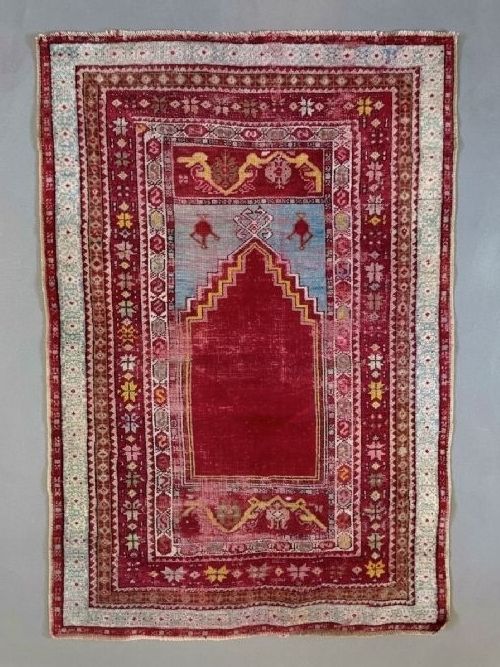
- A devotional textile featuring a distinct mihrab or arch design indicating the direction of prayer, traditionally produced in regions such as Ghiordes, Ladik, and Kirsehir.
- Kilim
- A flat-woven carpet or runner produced without a pile, created by tightly interweaving warp and weft strands to form geometric patterns.
- Oushak
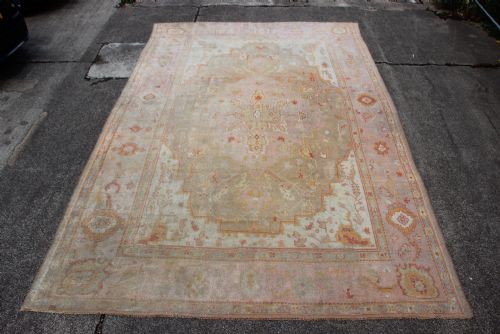
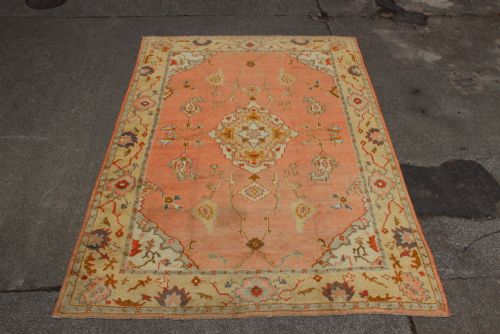
- A major weaving centre in western Anatolia known for producing large-scale decorative carpets with expansive fields and soft, faded pastel colorways.
- Mihrab
- The arched architectural niche depicted at one end of a prayer rug, symbolising a doorway or sanctuary.
- Warp
- The stationary longitudinal threads stretched onto a loom upon which the pile knots and horizontal wefts are built.
Turkish Oriental Rug: Frequently Asked Questions
How do I identify a prayer rug?
Prayer rugs feature a prominent arched motif known as a mihrab at one end, which directs the placement of the textile during daily devotions. This architectural layout distinguishes them from standard area rugs and runners.
Historically woven in centres like Konya, Ladik, and Ghiordes, these pieces often incorporate specific symbolic borders and smaller formats suited for personal ritual use.
What is an Oushak carpet?
Oushak carpets originate from the historic western Anatolian town of Uşak, renowned for producing large-scale decorative floor coverings since the Ottoman era. They are celebrated for expansive floral designs and pale, muted colour palettes.
These carpets frequently feature softer wools and generous proportions, making them popular choices for substantial living spaces and traditional interiors.
How do I care for an antique rug?
Antique textiles require gentle maintenance, beginning with regular light vacuuming without a rotating brush bar to protect fragile wool pile and historic foundations. Professional cleaning tailored to antique vegetable-dyed wools ensures safe upkeep.
Keeping pieces away from direct, harsh sunlight prevents the fading of natural dyes, while quality underlays protect the structural integrity of the flat weave or pile against hard floors.
Are flat weaves different from pile rugs?
Flat weaves, commonly referred to as kilims, are constructed without a raised pile by tightly interlocking the warp and weft threads together. This results in a thinner, lighter textile that can be used on floors or displayed as a wall hanging.
Pile rugs utilise individual knots tied to the foundation warp, creating a soft, tactile surface that provides greater cushioning underfoot compared to flat-woven counterparts.
Where were these textiles made?
These pieces were produced across various regions of Anatolia, encompassing urban workshops, rural villages, and nomadic tribal groups. Specific towns such as Bergama, Milas, and Kirsehir developed distinct local designs and colour preferences.
The geographic origin often dictates the structural characteristics, material choices, and geometric or floral motifs found within each individual runner or carpet.