



Turkish Medallion Carpet
A turkish medallion carpet brings centuries of Anatolian warmth and intricate central motifs into a room, offering both historic character and enduring floor coverings.
Turkish Medallion Carpet
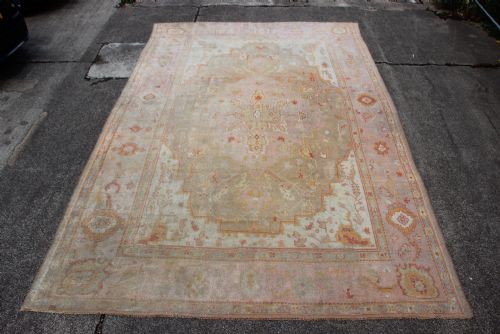
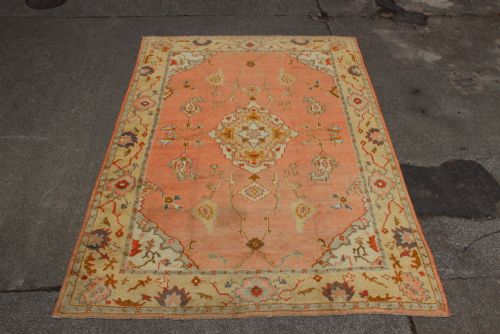
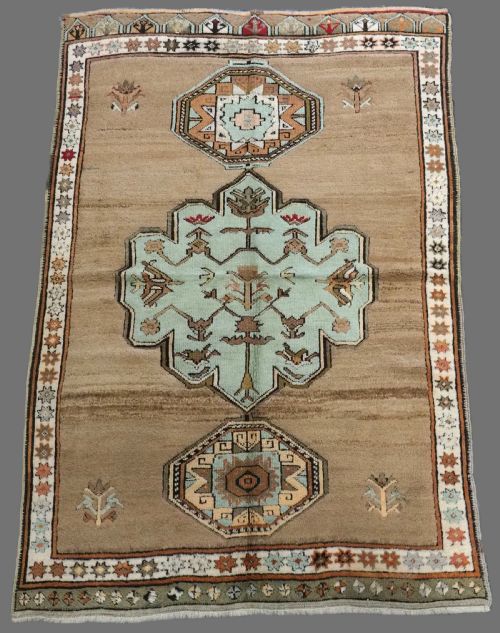
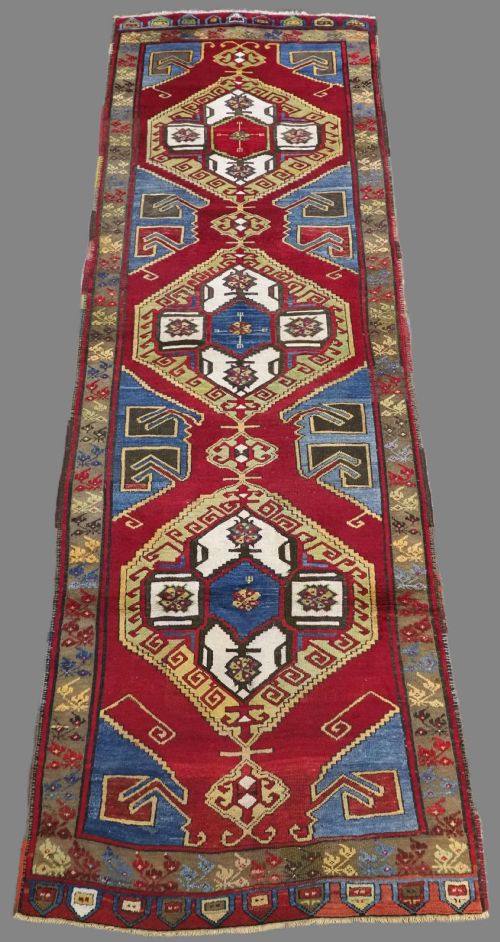
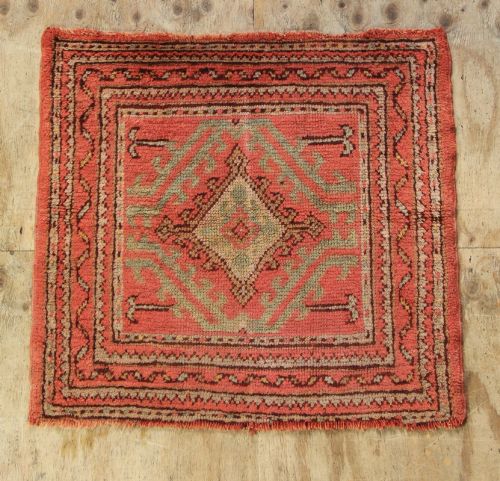
A turkish medallion carpet is a woven textile featuring a prominent central design element surrounded by elaborate borders, originating from various weaving centres across Anatolia. These pieces span from the nineteenth century into the early twentieth century, encompassing grand carpets as well as compact mats.
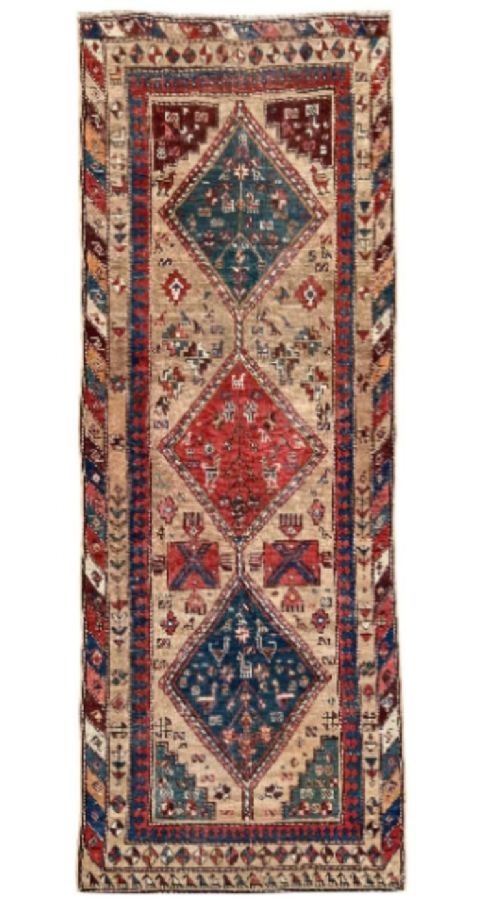
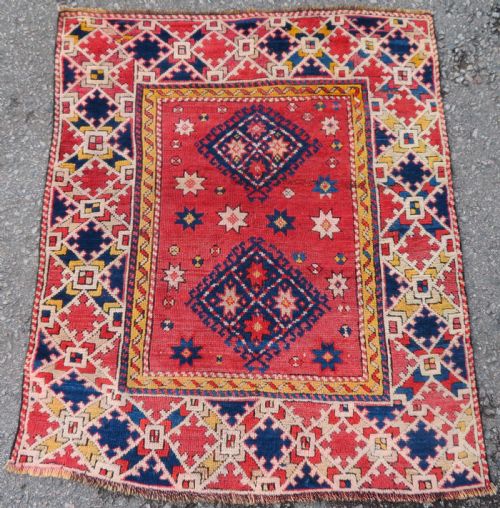
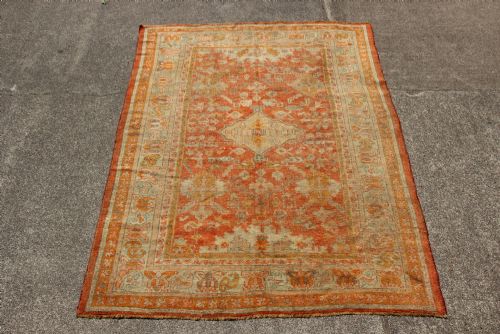
The selections available here range from large Oushak carpets down to village runners and smaller tribal pieces. Buyers will frequently encounter generous room-sized examples alongside narrower formats suited to corridors and hallways.
Regional variations connect these floor coverings to specific towns and districts such as Konya, Kayseri, and Kirsehir. Each weaving tradition brings distinct palette choices and geometric or floral medallion structures to the surface.
Materials and Construction Methods
Traditional examples rely heavily on natural wool foundations and pile, occasionally incorporating cotton for structural warp and weft threads. Certain urban pieces utilise silk or art silk for finer knotting and lustrous detail.
Weavers employed hand-knotting techniques over generations, often using hand-spun wool that absorbed natural dye stuffs with subtle tonal variations. This slow, domestic production resulted in durable textiles built to withstand decades of daily use.
Some village weavers subtly embedded tiny protective amulets or stray misplaced knots within the grand geometry to ward off the evil eye.
Factors Defining Quality
The distinction between standard village pieces and exceptional workshop carpets rests upon the precision of the knotting and the complexity of the medallion geometry. Finer wool preparation and sophisticated dye palettes elevate the visual depth of the pile.
Proportion and balance within the central field and border guards dictate the overall harmony of the piece. Well-preserved pile height and structural integrity further separate superior survivals from heavily worn examples.
The Turkish Medallion Carpet Glossary
- Medallion
- The central ornamental motif dominating the field of the carpet, often circular, oval, or star-shaped. This focal design anchors the entire composition.
- Warp
- The vertical threads stretched tightly on the loom before knotting begins. These foundation threads run the length of the rug and often show at the fringe ends.
- Weft
- The horizontal threads passed across the warp strands between rows of knots to bind the structure firmly together. Multiple weft shots determine the stiffness of the rug.
- Pile
- The upright cut ends of the knotted yarn that form the soft surface of the carpet. The density of this pile dictates how the textile feels underfoot.
- Kilim
- A flat-woven carpet produced without a pile by tightly interweaving warp and weft threads. These lightweight textiles often serve as coverings or decorative hangings.
Turkish Medallion Carpet: Frequently Asked Questions
How do I care for my carpet?
Regular gentle vacuuming without a beater bar prevents dust accumulation within the wool pile. Professional cleaning by specialists in antique textiles ensures the natural dyes remain stable.
Positioning the rug away from harsh direct sunlight prevents fading of the soft wool colours over time. Using a quality underlay provides cushioning and prevents slipping on hard floors.
Are these carpets suitable for heavy foot traffic?
Traditional wool and cotton construction provides exceptional natural durability for daily use in living spaces. Tightly knotted room-sized carpets handle moderate hallway or parlour traffic with ease.
More delicate silk or fine art silk variants require gentler placement in low-traffic areas. Evaluating the existing pile depth helps determine the best room placement for each textile.
How do I determine the age of a piece?
Stylistic indicators such as natural dye shifts, abrash variations, and traditional Anatolian motifs point towards specific historical periods. Structural details like hand-spun wool and distinctive knot counts offer further clues for dating.
Comparing regional village characteristics against documented nineteenth and early twentieth-century examples refines the attribution. Archival records of similar pieces provide helpful benchmarks for stylistic evolution.
What is an Oushak carpet?
Oushak refers to textiles originating from the historic rug-producing town of Ushak in western Anatolia. These pieces are renowned for their softer pastel palettes and large-scale geometric or floral medallion designs.
They frequently feature a looser knotting style that gives the wool a supple, luxurious handle. This distinct aesthetic made them highly sought after in Western interiors for generations.