

Tufted Mahogany Chair
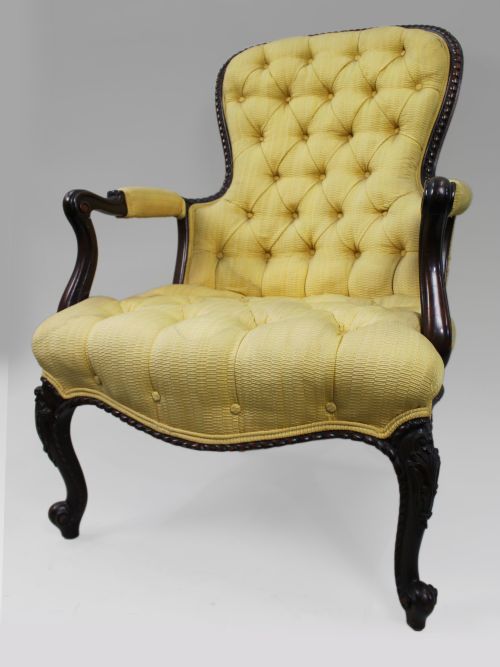
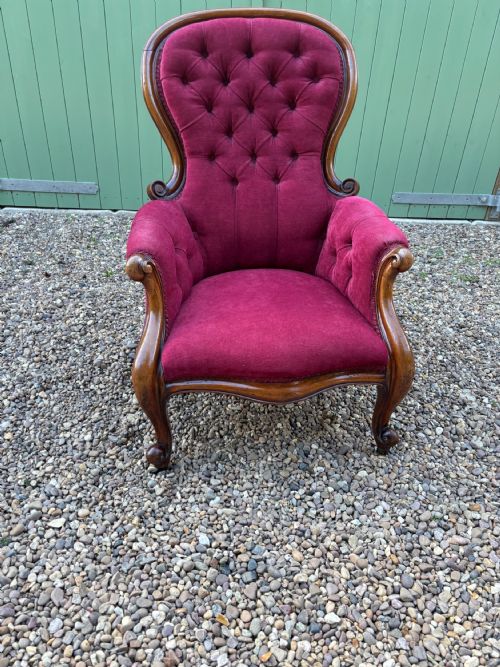
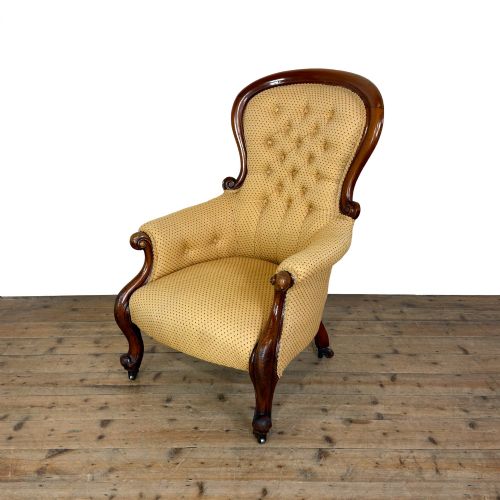
A tufted mahogany chair brings enduring comfort and craftsmanship, combining rich timber frames with deep buttoning for traditional seating.
Tufted Mahogany Chair
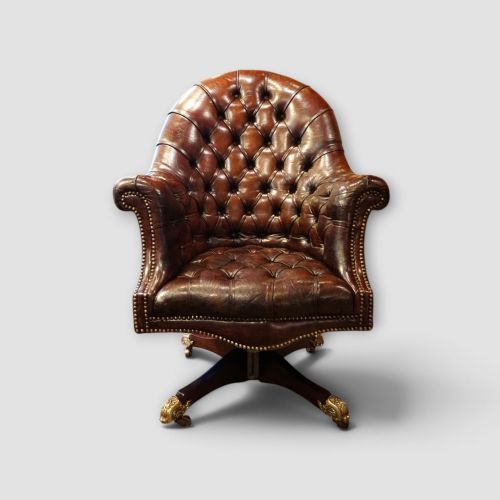
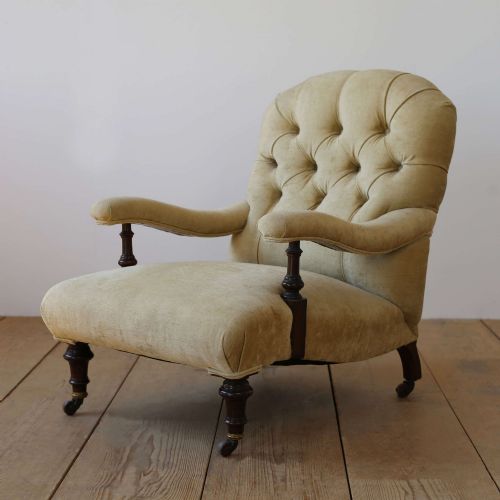
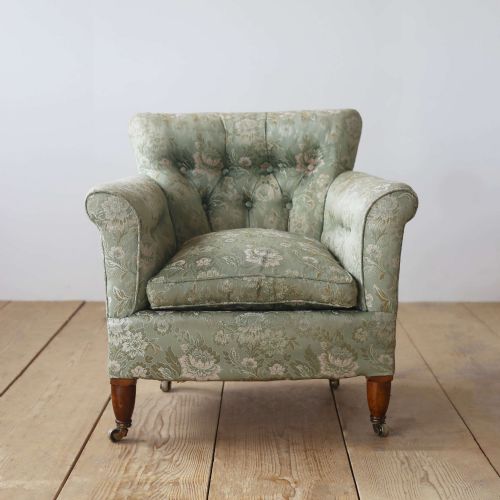
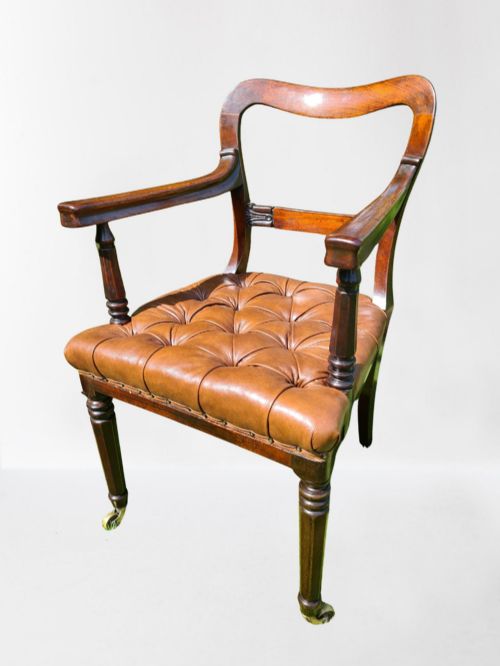
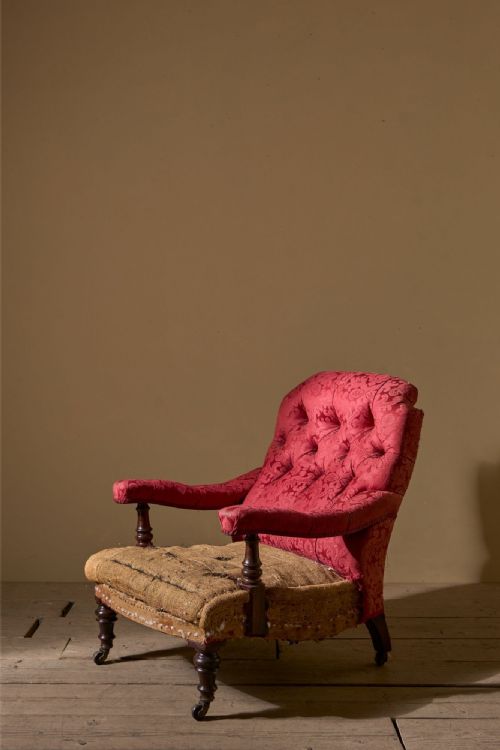
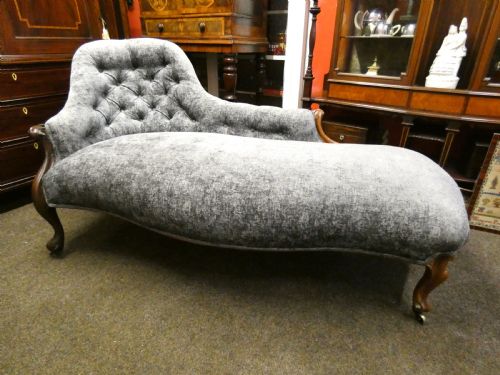
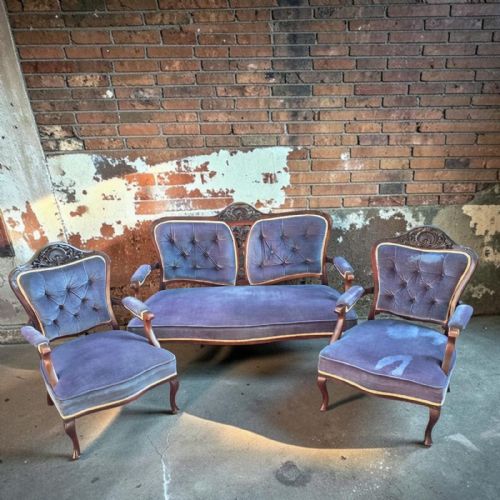
A tufted mahogany chair encompasses a variety of seating forms designed for comfort and utility, spanning library armchairs, desk chairs, and chaise longues. Buyers searching for a tufted mahogany chair encounter pieces rooted primarily in the nineteenth century, including Victorian, Regency, and William IV periods.
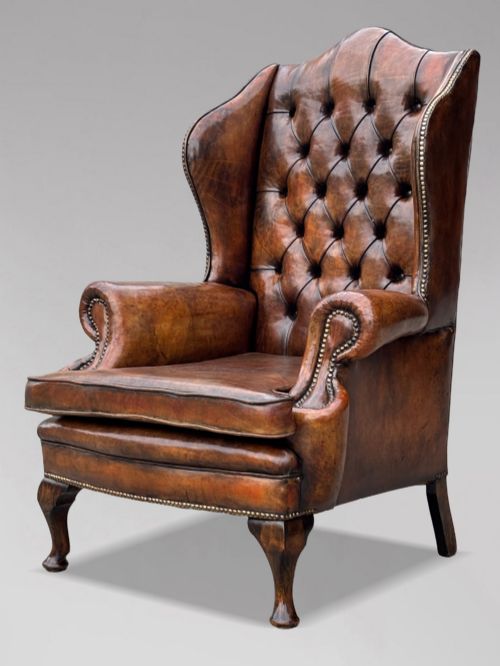
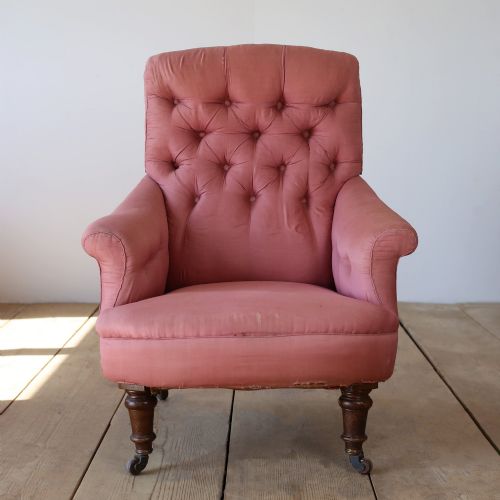
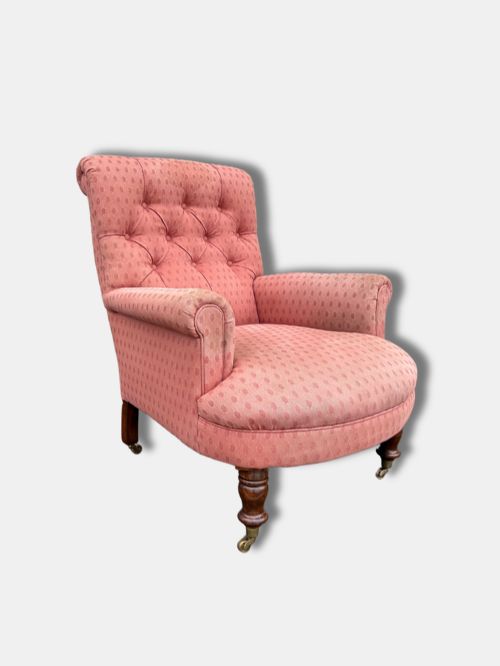
The selections on this page highlight distinct regional and stylistic expressions, from country house open armchairs to refined office desk chairs and button wing armchairs. Mahogany frames provide the structural core, while upholstery ranges from supple brown leather to velvet, damask, and fabric.
Materials and construction methods
Makers utilised solid mahogany for structural integrity, often incorporating brass details and carved elements into the timber frames. Hardwood substructures support the weight, whilst traditional joinery ensures stability across armchairs, settees, and library seating.
Upholstery techniques involve deep buttoning through leather, fabric, or velvet, secured with internal padding such as hessian webbing. Caning and meticulous wood carving further distinguish specific desk chairs and salon suites from simpler variants.
Listings feature mahogany, brass, leather, velvet, and hessian across nineteenth-century Victorian, Regency, and William IV periods.
Distinctions in quality and execution
The refinement of timber carving and the choice of primary materials differentiate pieces, with dense mahogany frames and precise brass inlay indicating superior workshop standards. The execution of buttoning and the selection of high-grade leather or heavy damask determine the tactile and visual depth of the upholstery.
Structural proportions and the integrity of the original joints dictate longevity, separating standard domestic seating from library armchairs and revolving desk chairs built for heavy daily use.
Howard & Sons·Holland & Sons
The Tufted Mahogany Chair Glossary
- Mahogany
- A durable, reddish-brown tropical hardwood utilised extensively for framing antique seating and library furniture. Its stable nature allowed cabinet makers to execute intricate carvings and structural supports.
- Button back
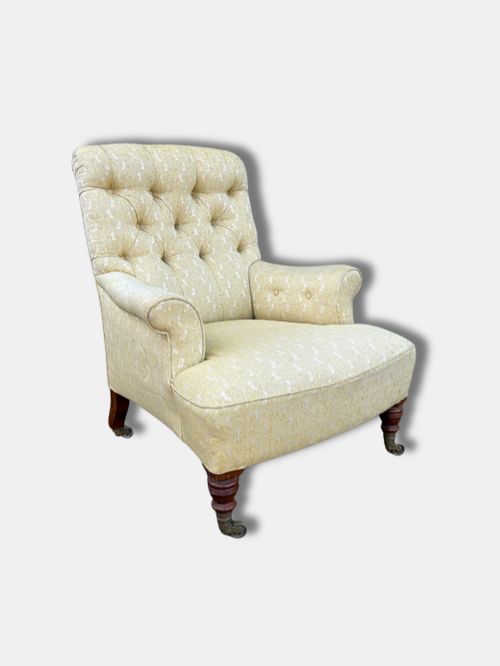
- An upholstery method where tufting pulls the fabric or leather inward in a geometric pattern and secures it with buttons. This technique provides tension and creates the signature padded ridges found on nineteenth-century armchairs.
- Wing armchair
- A high-backed seating form featuring projecting side panels designed to shield the sitter from draughts. Versions in this category frequently incorporate leather upholstery and deep buttoning.
- Chaise longue
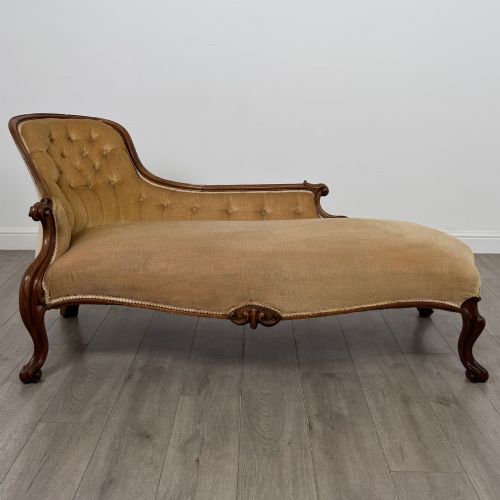
- An elongated upholstered chair designed for reclining, often featuring a single scrolled arm or backrest. Nineteenth-century examples frequently pair mahogany frames with elaborate carved details.
Tufted Mahogany Chair: Frequently Asked Questions
How do I identify a Victorian desk chair?
Victorian desk chairs combine robust mahogany timber with functional adjustments such as revolving mechanisms or fixed library reading stands. They often feature leather upholstery suited for extended periods of study or administrative work.
Look for nineteenth-century construction hallmarks, including turned wooden legs, brass castors, and structural bracing designed to withstand regular movement.
What defines a country house armchair?
Country house armchairs prioritise deep seating comfort, generous proportions, and durable upholstery materials like heavy leather or patterned damask. They reflect relaxed domestic interiors rather than formal parlour settings.
These pieces typically exhibit understated mahogany frames, occasional buttoning, and worn patination accumulated over generations of residential use.
Where were chaise longues placed historically?
Chaise longues served as daybeds positioned in drawing rooms, bedrooms, or private libraries for resting without retiring to a bed. Their elongated proportions accommodated reclining.
Makers framed these forms in carved mahogany, equipping them with upholstered backs and structural elements like ionic column legs or scrolled armrests.
How should I care for leather upholstery?
Leather upholstery benefits from periodic conditioning to maintain flexibility and prevent the material from drying out over time. Gentle cleaning preserves the natural grain and historic patination.
Keep antique seating away from direct sunlight and artificial heat sources to protect both the leather surfaces and the underlying mahogany frames.
What is the difference between Regency and Victorian styles?
Regency seating draws influence from classical antiquity, frequently displaying clean architectural lines, brass inlay, and restrained mahogany carvings. Victorian pieces tend toward heavier proportions, ornate floral motifs, and elaborate button-backed padding.
Comparing the stretcher design and leg turning helps determine whether a piece originates from the early nineteenth-century Regency era or the later Victorian period.