


Tudor Carved Oak Panel
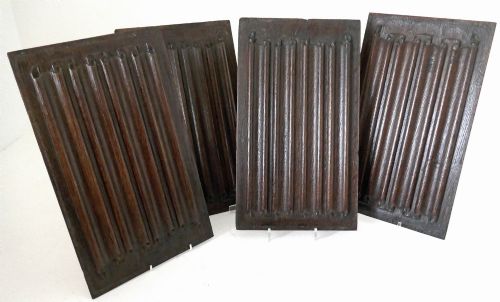
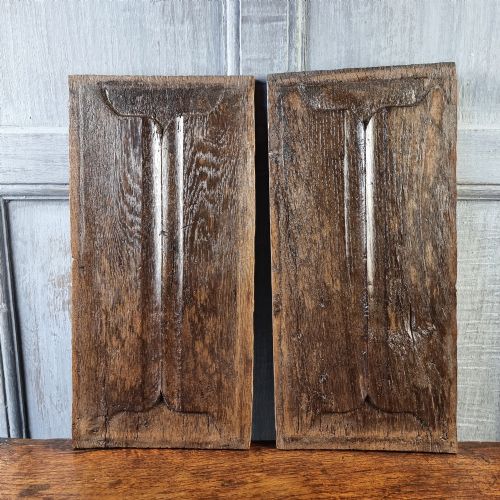
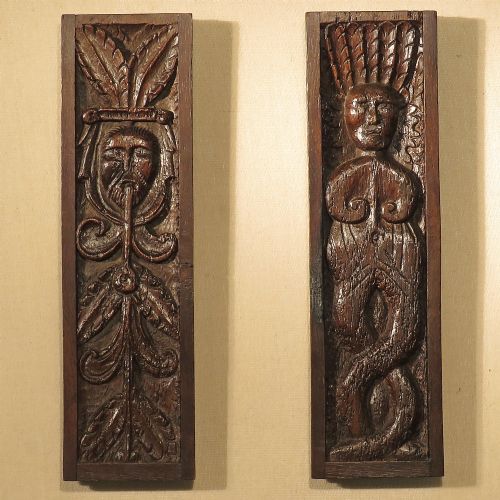
These pieces of tudor carved oak panel bring heavy sixteenth-century grain and deep chisel work straight into a modern interior.
Tudor Carved Oak Panel
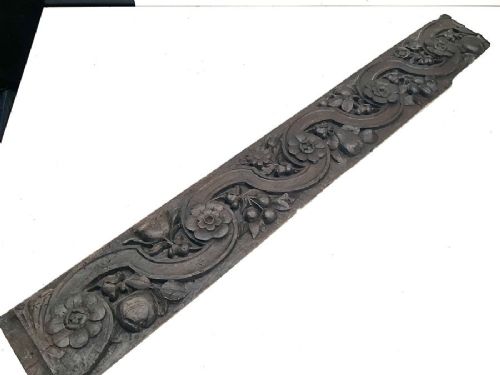
A tudor carved oak panel is typically a flat timber fragment salvaged from historic architecture, furniture, or coffer fronts. The version most frequently met on this page is the sixteenth-century linenfold design or the carved floral boss.
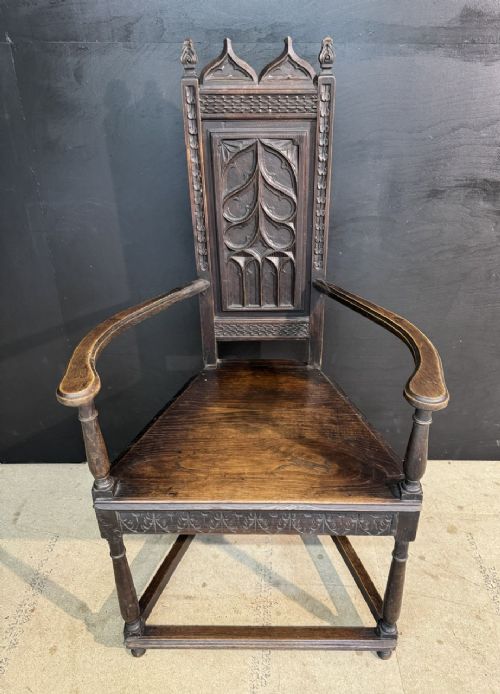
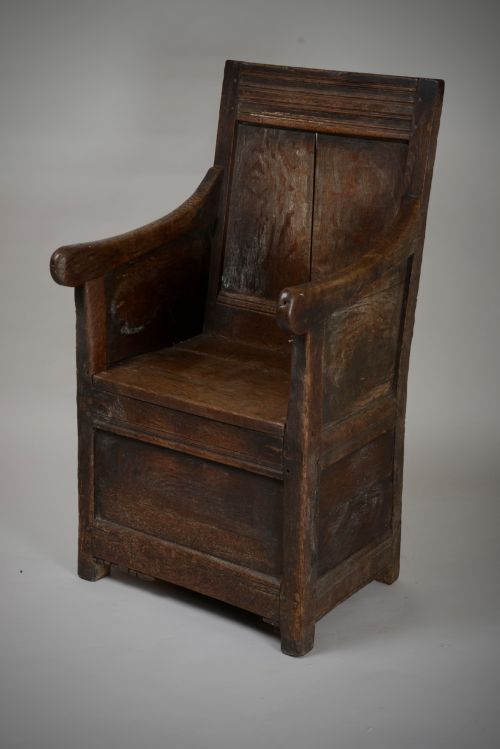
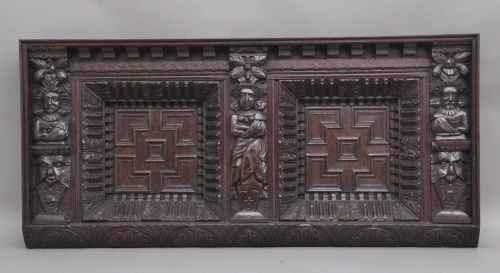
Beyond wall fragments, the search brings up related architectural salvage, armchairs, coffers, chests, and bookcases built from the same heavy timbers. Examples range from authentic sixteenth and seventeenth-century survivals to later nineteenth-century revivals and twentieth-century interpretations.
How they were made
Makers fashioned these works using solid oak, walnut, and timber, shaping them with hand chisels and gouges to create deep relief carvings. Iron, wrought iron, velvet, and polychrome paint often appear as supplementary hinges, mounts, or surface finishes.
Panels were constructed to fit within frame-and-panel assemblies, allowing the timber to expand and contract naturally with seasonal humidity changes without splitting.
The listings on this page span several centuries of woodworking, stretching from pre-sixteenth-century architectural salvage through to twentieth-century revivals.
What varies in quality
The crispness and depth of the chisel work define the visual strength of the carving, separating pieces with sharp botanical detail from softer, worn examples. The integrity of the original timber grain and the honesty of the surface patination also dictate the character of the piece.
Period authenticity plays a major role, distinguishing early sixteenth and seventeenth-century execution from nineteenth-century gothic revivals and later twentieth-century workshop reproductions.
The Tudor Carved Oak Panel Glossary
- Linenfold
- A style of relief carving on wooden panels that imitates folded fabric or linen. It is particularly characteristic of Tudor interior woodwork.
- Wainscot chair
- A sturdy wooden armchair constructed with panelled backrests and solid seats, common in sixteenth and seventeenth-century domestic interiors.
- Coffer
- A heavy wooden chest used for storage, often featuring front panels carved with geometric or figurative motifs. They served both practical and decorative purposes in early homes.
- Tudor rose
- The traditional floral heraldic badge of England, frequently carved into ceiling bosses and wall panels during and after the Tudor period.
- Architectural salvage
- Building components and decorative fragments rescued from older structures for reuse in interior design and restoration.
Tudor Carved Oak Panel: Frequently Asked Questions
How were these panels originally used in Tudor homes?
These panels were fitted into wainscot panelling around the walls of wealthy homes to provide insulation and decoration against damp stone. They also formed the structural fronts of storage coffers and the backs of important armchairs.
Over centuries, many panels were salvaged from dismantled buildings and mounted individually as decorative artworks for display.
How do I distinguish sixteenth-century panels from later revivals?
Authentic sixteenth-century pieces display tool marks left by hand chisels and dry, dense timber grain accumulated over centuries of exposure. Nineteenth and twentieth-century revivals often show more uniform machine cutting or softer surface wear.
Examining the back edges and joinery methods usually reveals the age of the wood and the period of construction.
How should I hang a heavy oak panel on a wall?
Solid oak panels are exceptionally heavy and require secure fixing directly into wall studs or masonry using appropriate metal brackets. Professional installation ensures the weight is evenly distributed without straining the historic timber.
Avoid placing panels in areas subject to rapid temperature fluctuations or direct central heating.