
Tripod Incense Vessel
When you handle a tripod incense vessel, you touch centuries of ritual bronze-casting, scholarly refinement, and ceramic art.
Tripod Incense Vessel
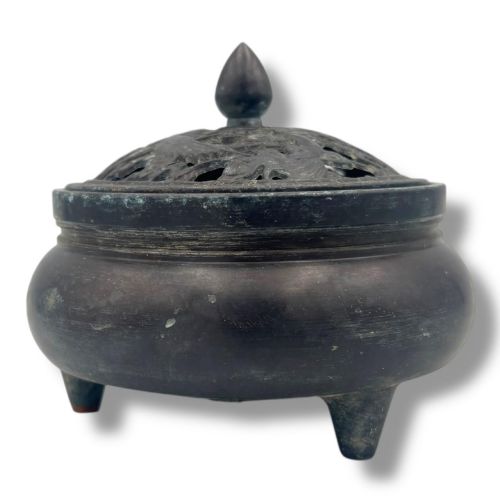
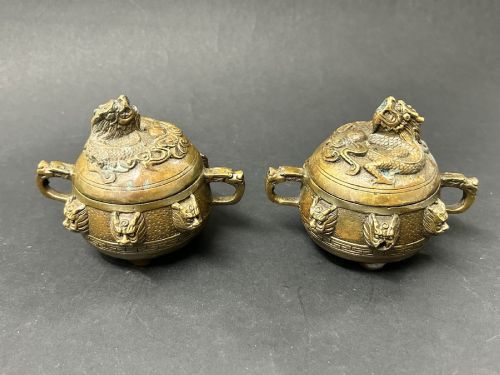
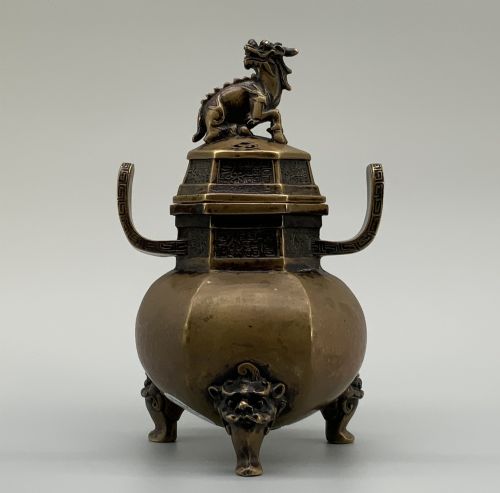
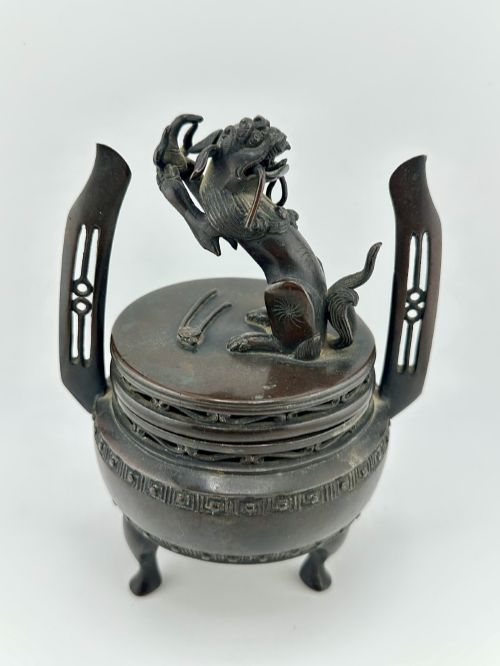
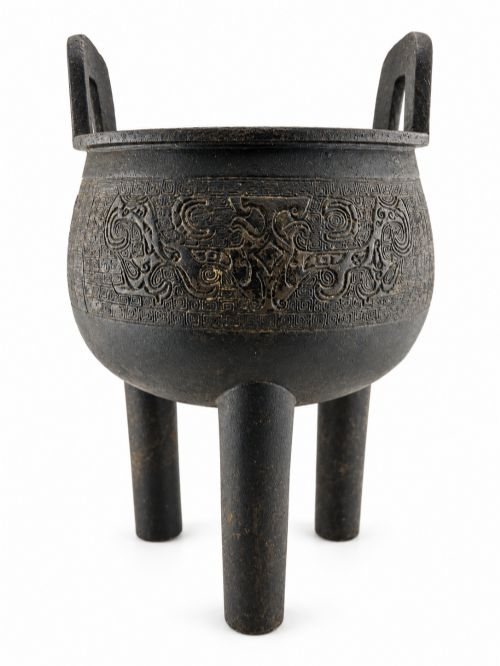
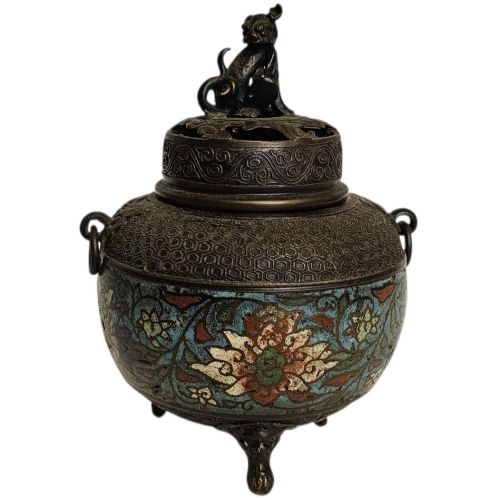
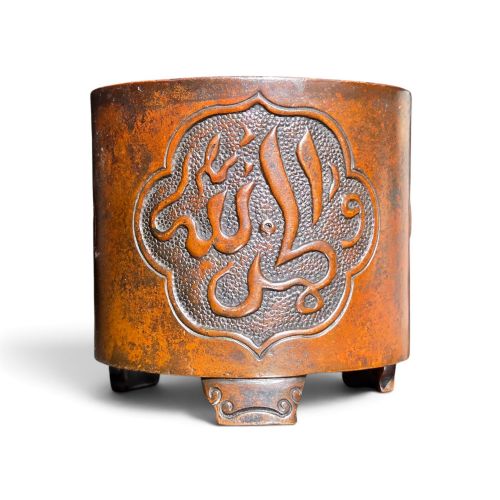
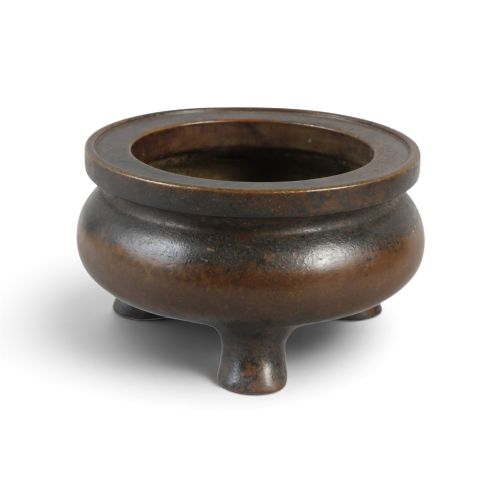
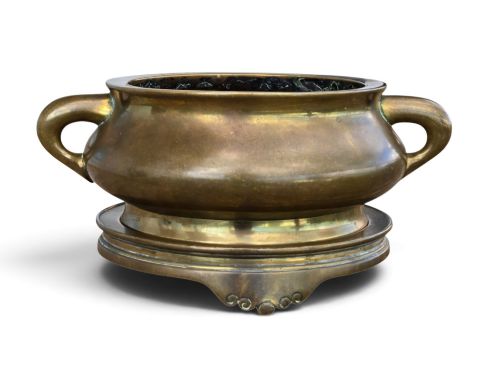
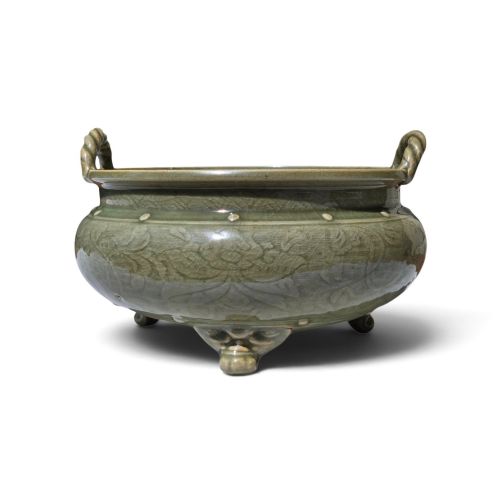
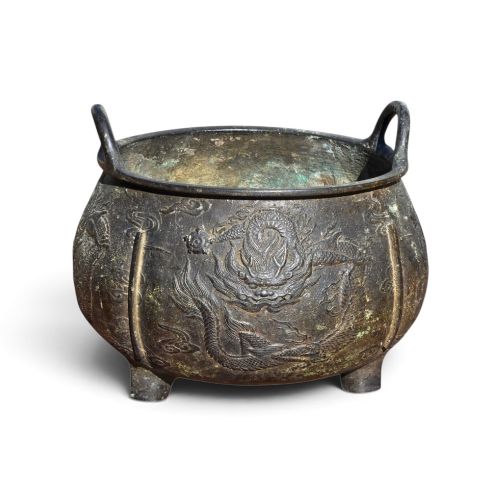
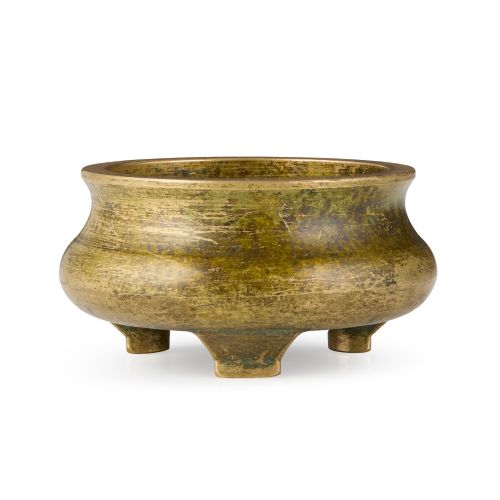
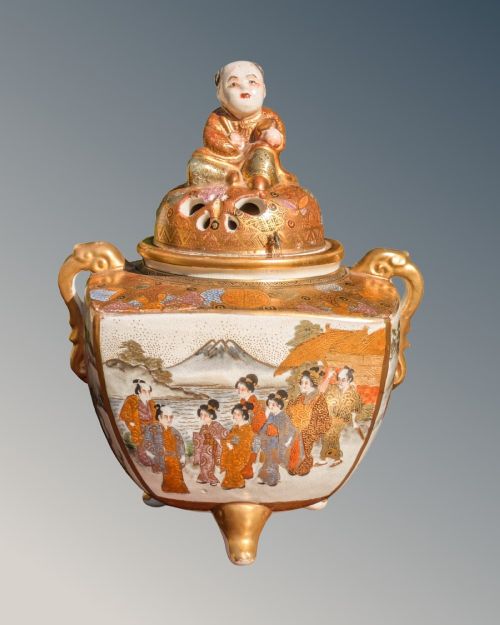
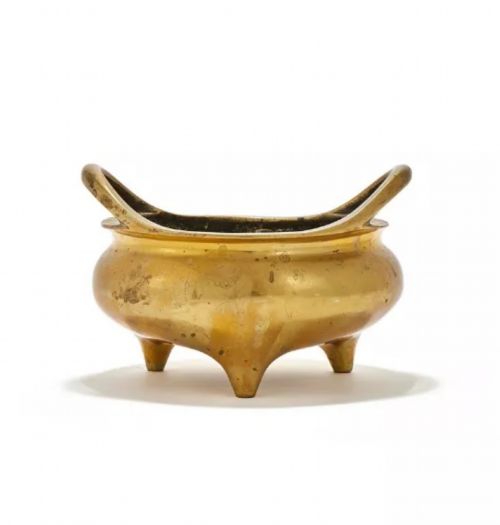
A tripod incense vessel serves as a container for burning aromatic materials, historically used in scholarly studios, domestic interiors, and religious rituals across East Asia. These pieces stand upon three distinct supports, taking forms that range from archaic ritual vessels to delicate ceramic censers and lidded Japanese koros.
The examples most commonly encountered on this page originate from the Ming and Qing dynasties in China, alongside Meiji period productions from Japan. They appear in diverse materials, including cast bronze, brass, cloisonne enamel, and porcelain such as Dehua blanc de Chine and Imari wares.
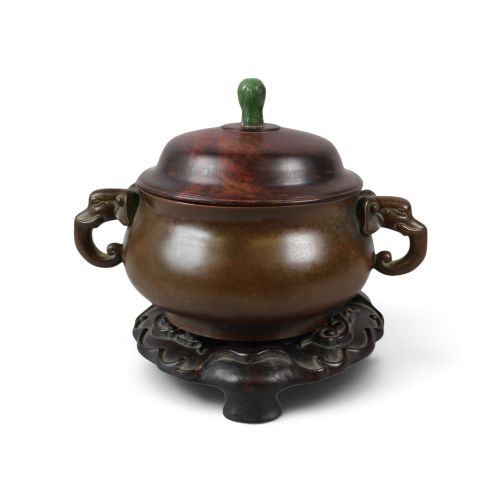
Forms vary from monumental ritual tripods adorned with taotie masks and elephant-head handles to miniature scholar's desk pieces and decorative pot pourri bowls. Many retain custom hardwood stands and pierced covers designed to release fragrant smoke slowly into a room.
Materials and Construction
Metal vessels on this page rely heavily on traditional lost-wax casting techniques, producing substantial bronze and brass bodies with significant weight and dense bell-ring resonance. Craftsmen often enriched these surfaces with applied cloisonne enamel, gold leaf, or patination achieved through controlled oxidation in the scholar's studio.
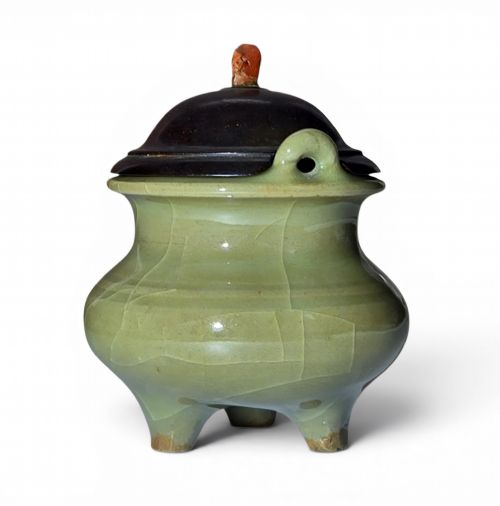
Ceramic examples demonstrate high-temperature firing traditions, encompassing celadon glazes, fine porcelain bodies, and earthenware painted with intricate Imari and Satsuma designs. Artisans frequently combined these media by pairing ceramic bowls with bespoke zitan wood covers, jade finials, and coral accents.
Listings feature vessels spanning from the 16th-century Ming Dynasty through to the Edwardian period, executed in bronze, porcelain, cloisonne, and brass.
Factors Determining Quality
The distinction between standard examples and superior pieces rests upon the crispness of the casting and the precision of surface decoration. Master-cast bronzes exhibit sharply defined archaic motifs, well-balanced proportions, and a rich, stable patina developed over generations of handling.
In ceramic and enamel works, quality reveals itself through the fineness of the potting, the control of the kiln temperature during firing, and the delicacy of hand-painted or cloisonne details. The presence of original matching covers, jade finials, and period hardwood stands elevates the completeness and historical standing of the vessel.
Wu Bangzuo·Walker & Hall·Ippo
The Tripod Incense Vessel Glossary
- Censer
- A vessel specifically designed for burning incense during rituals or quiet contemplation. These containers often feature pierced covers to allow fragrant smoke to disperse.
- Ding
- An ancient Chinese tripod vessel form characterised by a deep bowl supported on three legs, frequently adapted in later dynasties for scholarly use.
- Cloisonne
- A decorative metalwork technique where enamel paste is applied within compartments created by soldered wire before firing.
- Zitan
- A dense, heavy hardwood prized by Chinese craftsmen for making bespoke stands and covers for high-status ritual objects.
Tripod Incense Vessel: Frequently Asked Questions
What is a tripod incense vessel used for?
These vessels were historically utilised to burn aromatic resins, woods, and powdered incense during quiet meditation, scholarly study, or ancestral ceremonies. The three legs elevated the container, protecting the surface beneath from heat while stability was maintained on uneven tables.
In modern settings, collectors primarily display them as decorative works of art or utilise them to house pot pourri and dry botanicals. Their sculptural forms and patinated surfaces make them striking focal points in interior design.
How do I identify a Ming or Qing dynasty bronze?
Authentic pieces from these periods typically display heavy, dense metal casting with substantial weight relative to their size. Examination of the interior often reveals natural casting textures, historical wear patterns, and a stable, deep-toned patina developed over centuries.
Many period pieces also feature archaic reign marks, such as those referencing the Xuande or Qianlong eras, though these must be evaluated alongside the overall quality of the workmanship and the material composition.
What is the difference between a censer and a koro?
A censer is a general term applied broadly to incense burners of various geographic origins, most notably those cast in bronze or brass from Chinese traditions. The term encompasses everything from utilitarian vessels to highly ornate ritual objects.
A koro specifically denotes the Japanese variant of an incense burner, frequently modelled in ceramic styles like Satsuma or Imari and paired with a decorative pierced cover. Both serve identical ritual purposes but reflect distinct regional aesthetic histories.
How should I care for an antique bronze censer?
Bronze vessels require minimal intervention to preserve their historic surfaces. Dusting gently with a soft, dry cloth is sufficient to remove everyday particles without disturbing the underlying patina.
Harsh chemical cleaners, metal polishes, and abrasive cloths must be avoided entirely, as they strip away centuries of oxidation that give antique bronzes their character. Keeping the piece away from excessive moisture ensures the metal remains stable over time.