

Tribal Wool Hallway Rug
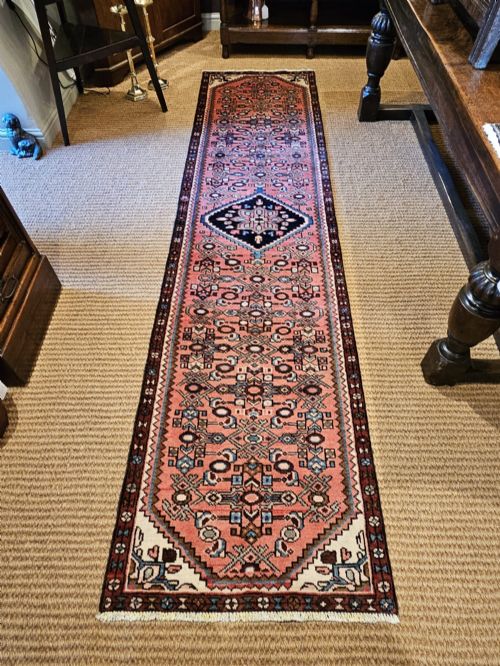
A tribal wool hallway rug brings rich geometry and deep history straight onto bare floorboards.
Tribal Wool Hallway Rug
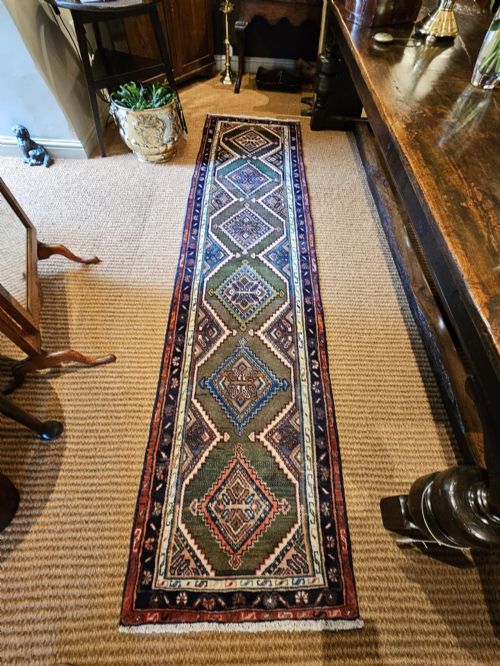
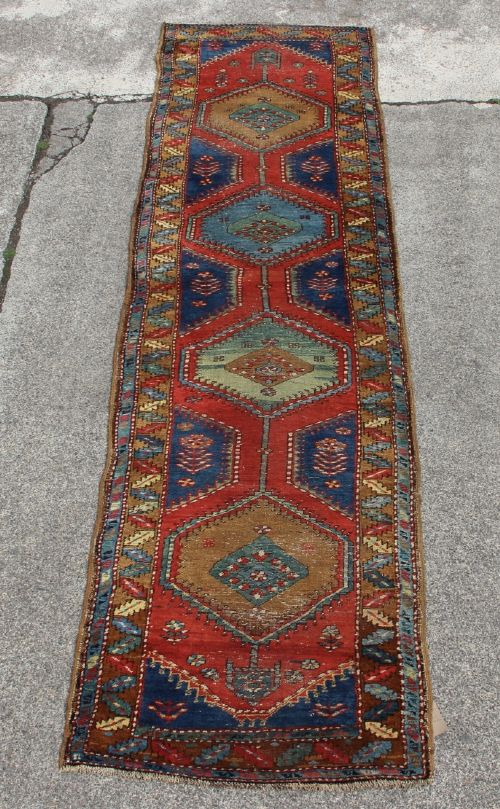
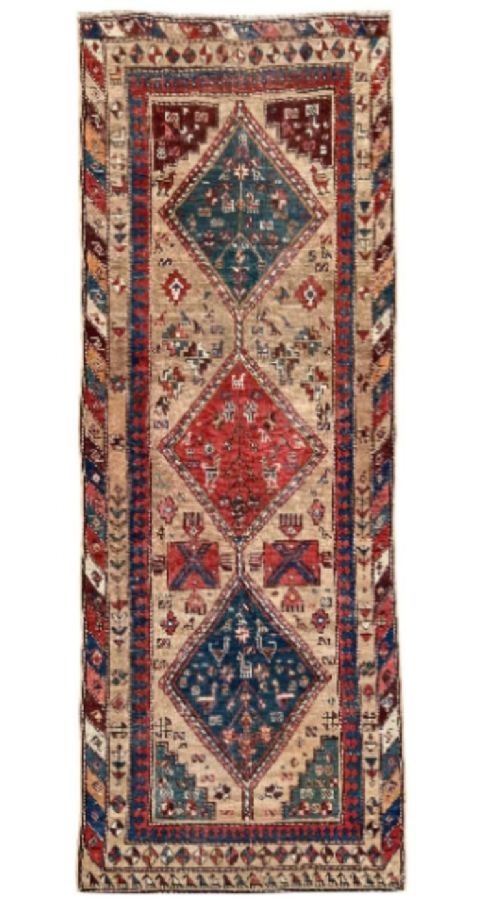
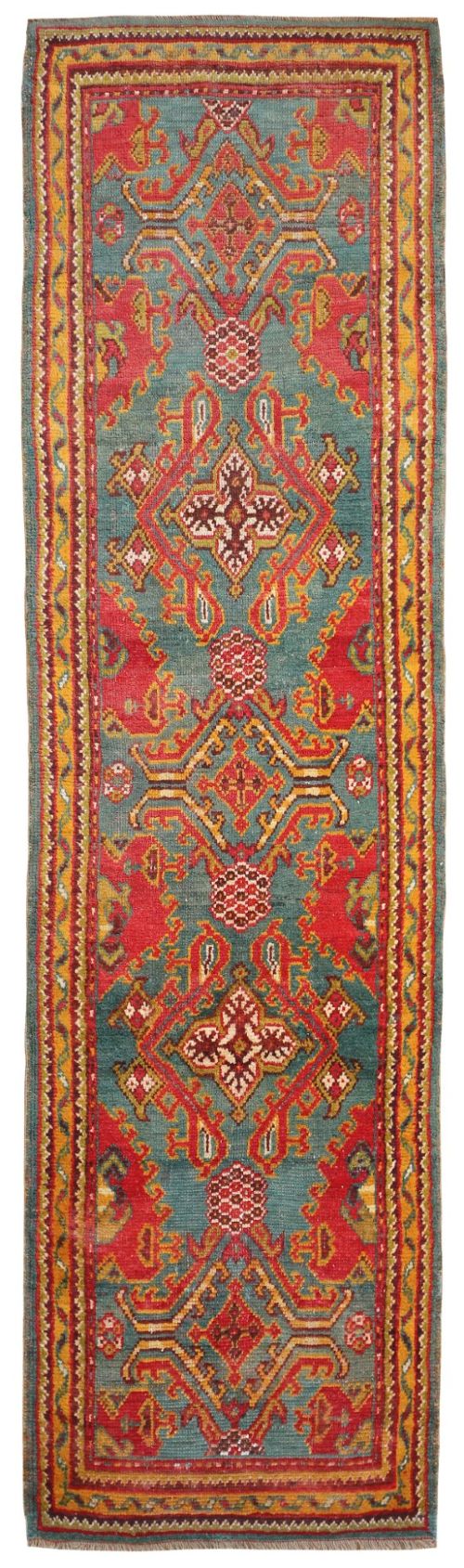
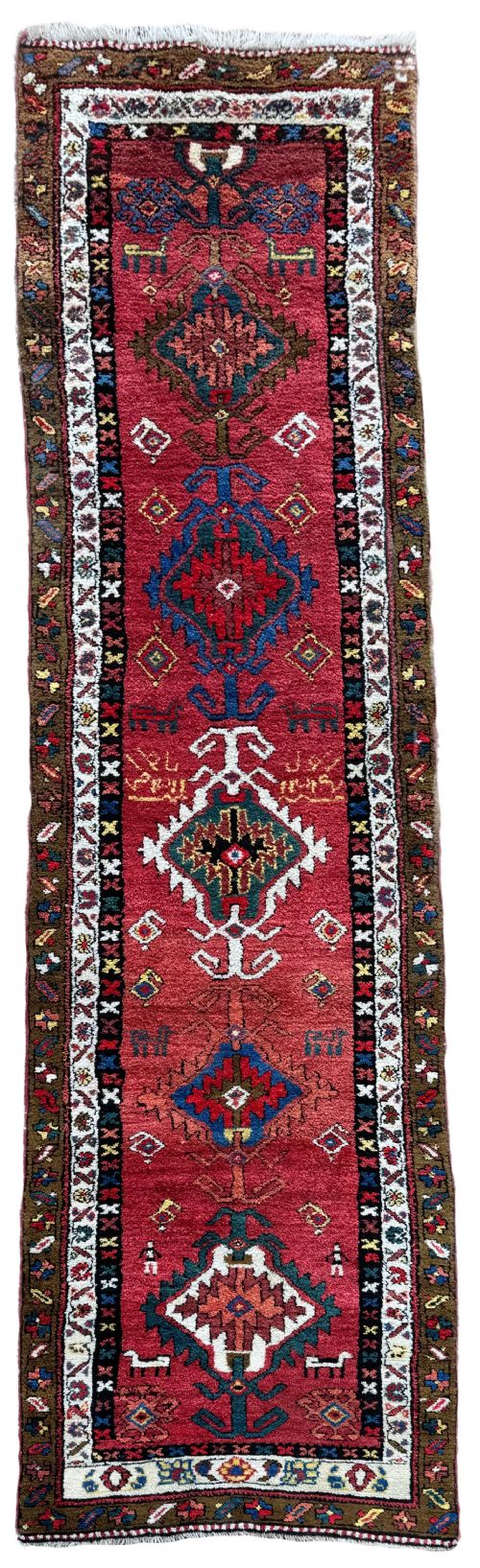
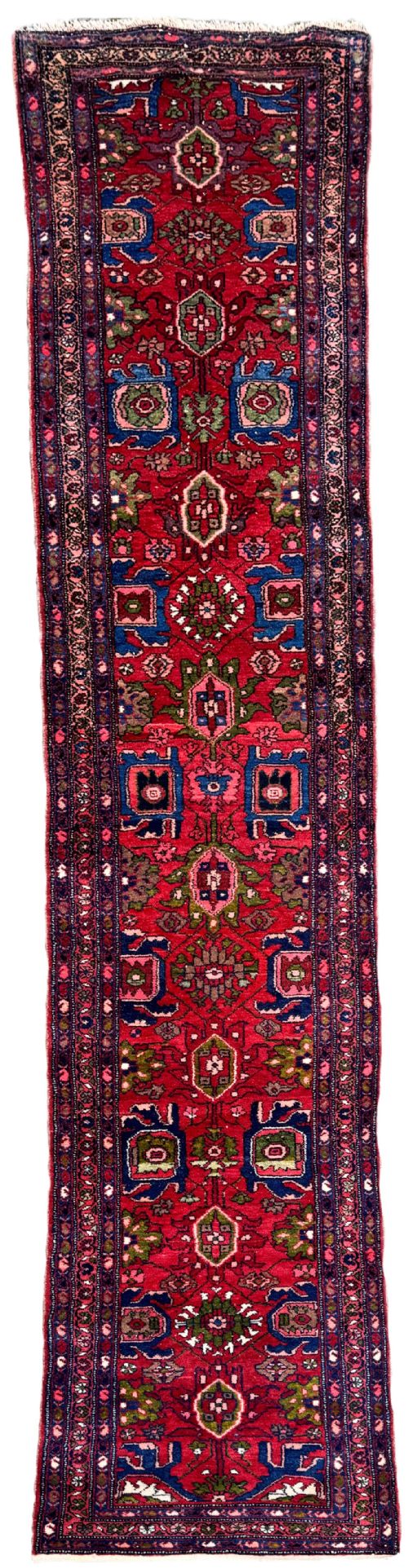
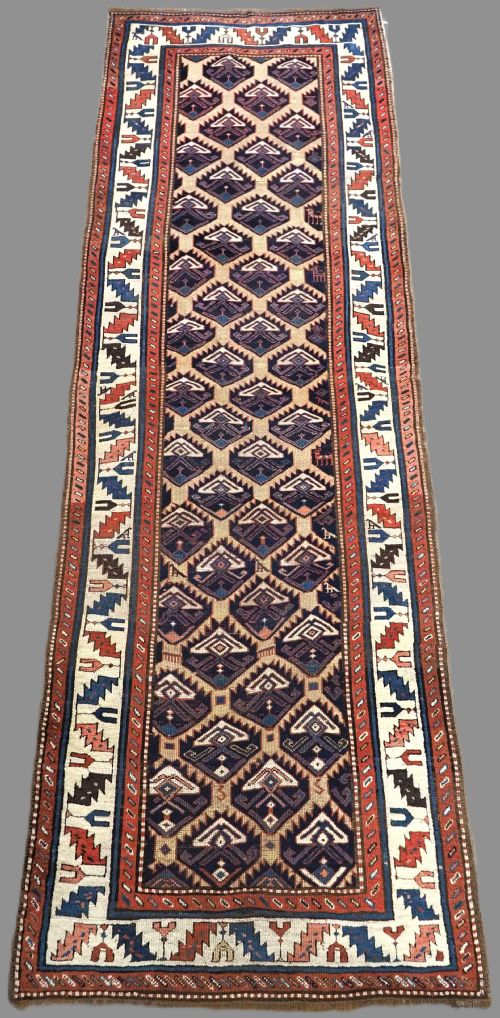
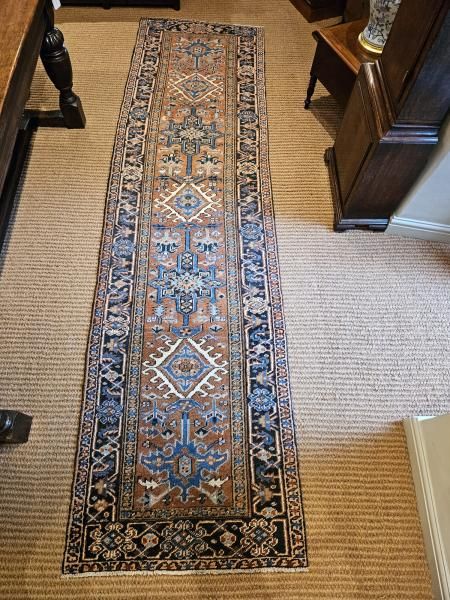
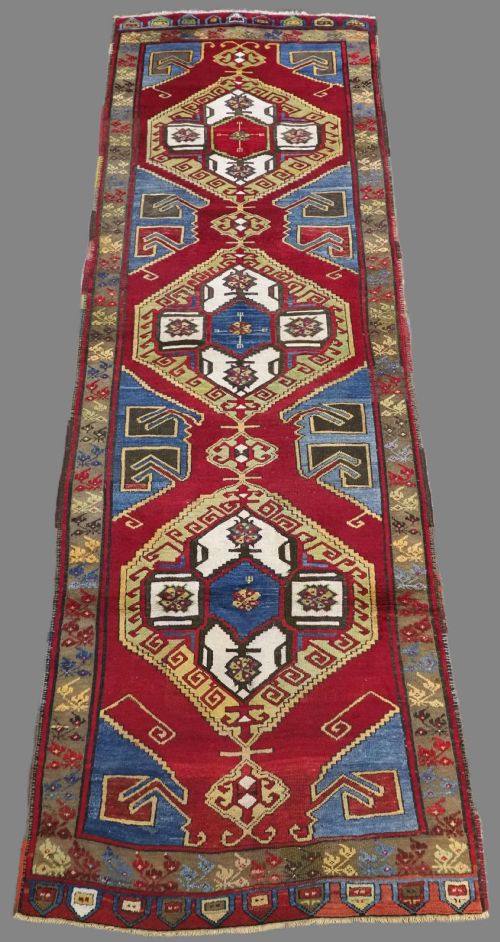
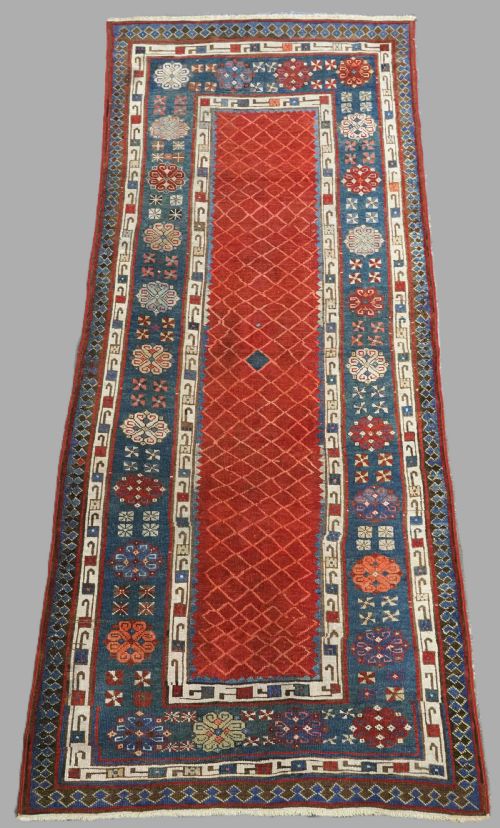
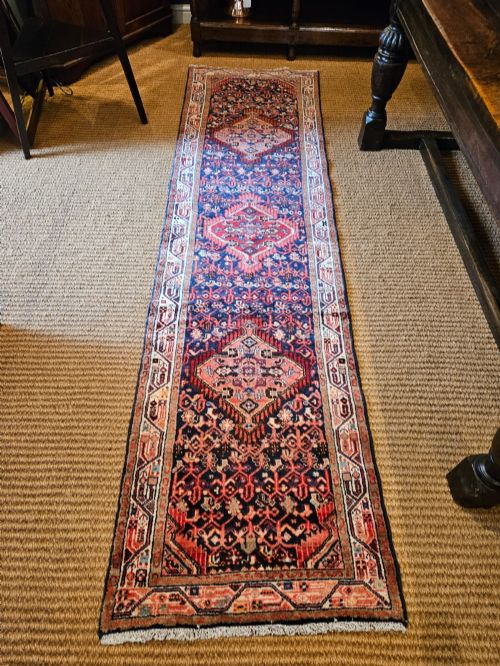
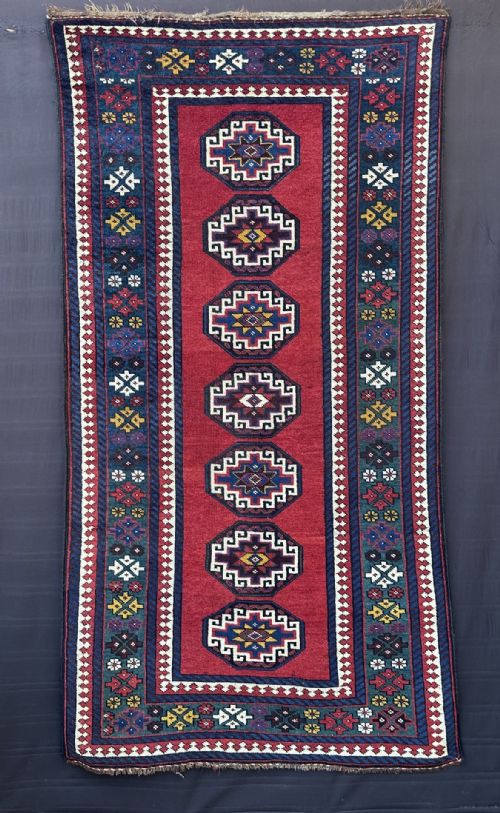
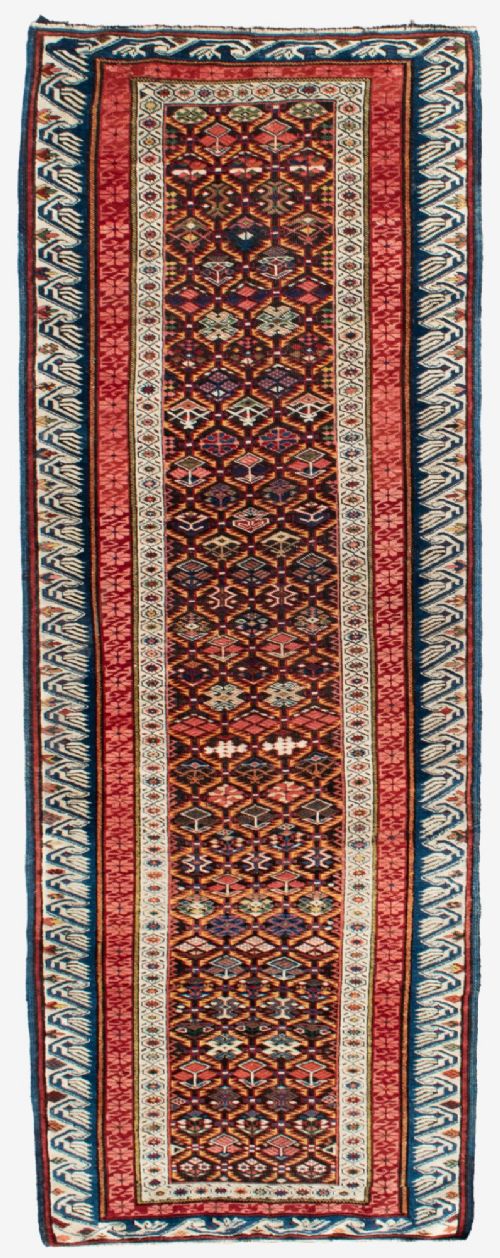
A tribal wool hallway rug provides a narrow, elongated format designed specifically for corridors, landings and transition spaces. When searching for a tribal wool hallway rug, buyers encounter antique runners spanning from the nineteenth century into the early twentieth century. These pieces originate from distinct weaving regions including Persia, the Caucasus and Anatolia.
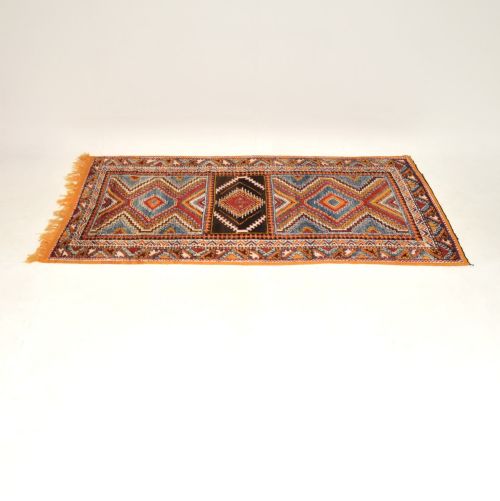
The selection encompasses specific regional types such as Kurdish, Heriz, Caucasian, and Anatolian runners. These textiles display traditional geometric motifs, lattices and tribal patterns woven with utilitarian purpose for domestic interiors. Each runner serves to warm and anchor long, narrow spaces with heritage design.
Makers utilised traditional formats to fit domestic corridors, producing long floor coverings that endure heavy foot traffic. The forms vary from compact lengths to substantial thirty-foot dimensions, all constructed in wool to withstand daily use. Buyers find pieces ranging from sturdy village productions to fine town carpets adapted for hallway proportions.
Materials and construction
These textiles rely primarily on durable wool for both the pile and the foundational structure, sometimes paired with cotton for stability in specific regional workshops. Handweaving techniques dictate the density of the knotting and the crispness of the geometric designs across each runner. Natural dye sources provide the deep olive greens, navy blues and earthy tones visible throughout the weaving traditions.
Weavers constructed these long floor coverings on vertical or horizontal looms using handspun materials that yield resilient surfaces. The interaction between wool pile and structural warps results in flexible yet dense textiles capable of enduring decades of hallway use. Artisans bound the edges securely and finished the ends to prevent fraying along high-traffic corridors.
Regional styles represented include Persian Tribal, Caucasian, Anatolian Tribal, Kurdish, Heriz, and Ushak weaving traditions.
Assessing quality in antique runners
Quality rests in the tightness of the weave, the clarity of the tribal motifs, and the depth of the wool pile. Superior pieces display precise geometric layouts, such as lattice designs or Mina Khani patterns, executed with balanced proportions along the entire length. The choice and saturation of natural dye colours further distinguish finer village and tribal productions from standard examples.
The integrity of the foundation and the evenly balanced wear across the wool surface indicate superior original materials and careful execution. Greater knot density allows intricate Caucasian or Persian designs to remain sharp and legible. Finer runners maintain structural stability along long margins without excessive distortion or awkward asymmetry.
The Tribal Wool Hallway Rug Glossary
- Runner
- A long, narrow carpet format specifically proportioned for hallways, corridors and staircases. These pieces measure significantly longer than they are wide.
- Pile
- The vertical or inclined loop of yarn that forms the soft upper surface of the rug. This wool layer absorbs foot traffic and displays the woven design.
- Warp
- The stationary longitudinal threads stretched parallel on the loom before weaving begins. The pile knots are tied around these foundational threads.
- Lattice
- A repeating grid network of crisscrossing lines that organises floral or geometric motifs across the field of the rug. This design structure frequently appears in Caucasian and Persian weaving.
- Natural dye
- Colouring matter derived from plants, insects or minerals rather than synthetic chemical compounds. These dyes age gracefully to produce rich, mellow tones.
Tribal Wool Hallway Rug: Frequently Asked Questions
How do I place a long runner in a narrow hall?
Measure the clear floor space between skirting boards, leaving an equal margin of bare wood visible on either side. Ensure doors swing freely over the thickness of the wool pile without catching.
Position the runner centrally to create a defined pathway through the corridor. A quality underlay keeps the textile stable and prevents slipping under foot traffic.
What distinguishes Caucasian runners from Persian examples?
Caucasian runners typically feature bold, angular geometric medallions and stark, contrasting colour palettes. They reflect the distinct tribal traditions of the Caucasus region.
Persian examples often incorporate more curved floral elements, intricate lattice patterns or medallion layouts influenced by regional village traditions such as Heriz or Kurdish workshops.
How should I clean and maintain an antique wool runner?
Vacuum the rug gently on a low suction setting without a rotating brush bar to protect the delicate wool pile. Lift the rug periodically to clean underneath and prevent grit accumulation.
Address accidental spills immediately by blotting with a clean, dry cloth rather than rubbing. Consult a specialist professional experienced in antique textiles for deep cleaning.
How can I estimate the age of a tribal runner?
Examine the natural colour variations within the wool, which often indicate traditional dye methods used before synthetic alternatives became widespread. Irregularities in the handweaving and abrash colour shifts also suggest nineteenth or early twentieth-century origins.
Structural characteristics, such as handspun wool yarns and regional knotting styles, help narrow the production period. Comparing motif structures with documented examples from regions like Anatolia or Persia provides further chronological context.