



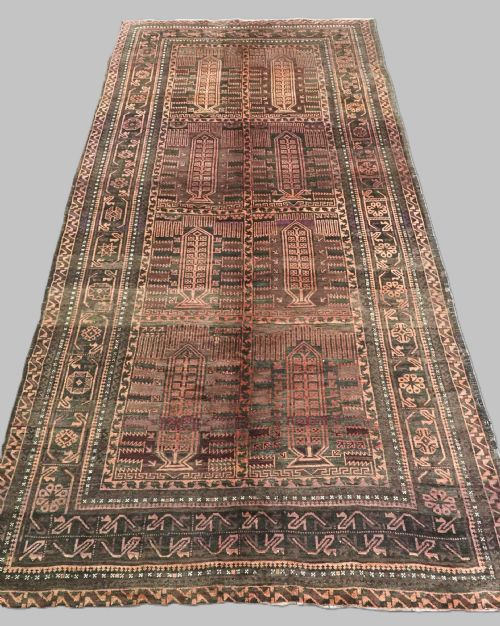
Tribal Wool Floor Rug
A tribal wool floor rug brings rich pattern and enduring texture to a room, grounding your interior with centuries of weaving tradition.
Tribal Wool Floor Rug
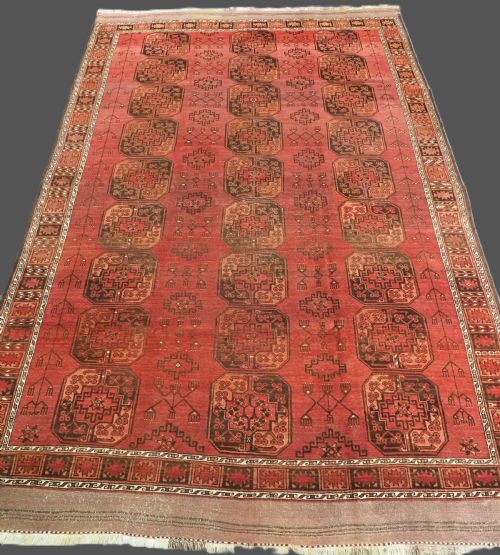
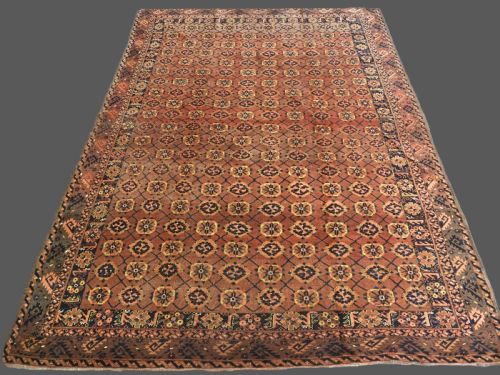
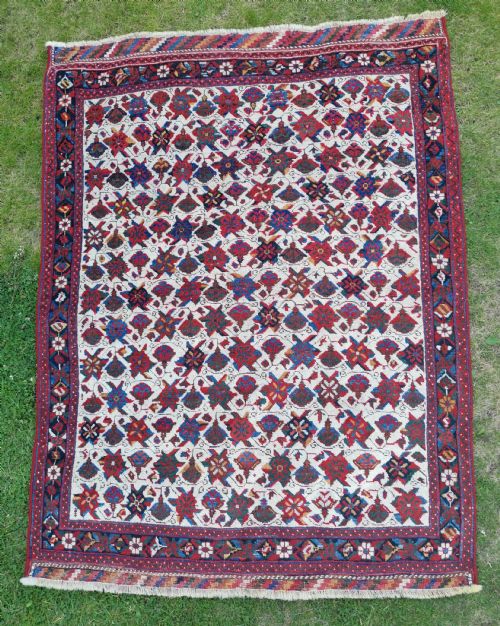
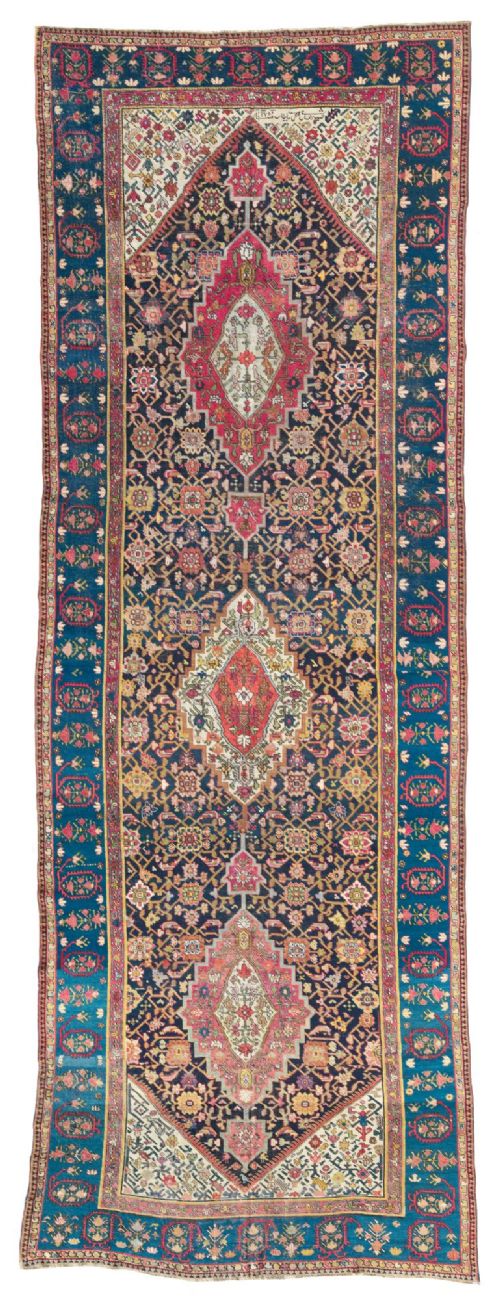
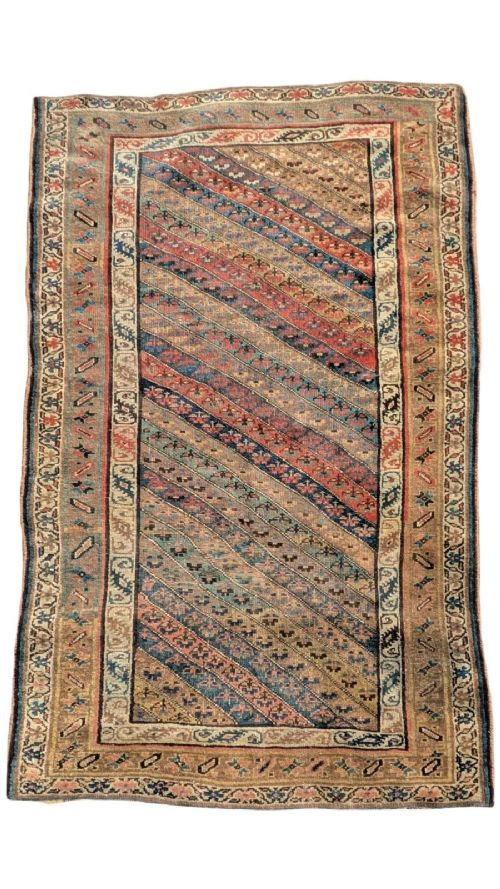
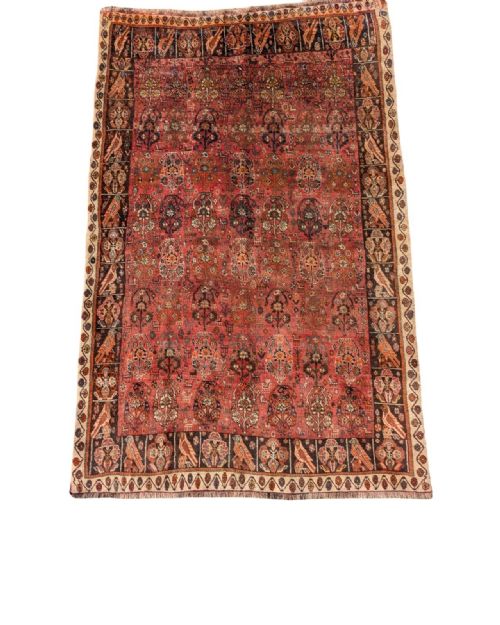
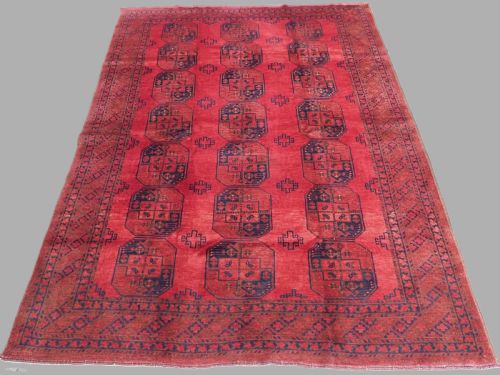
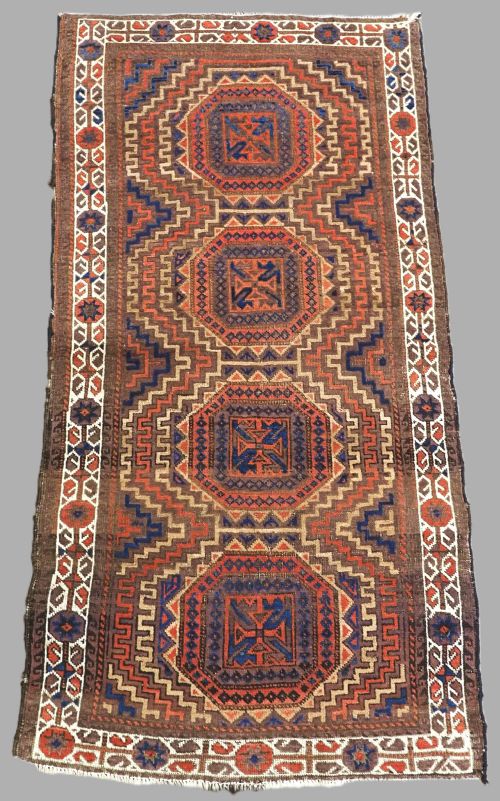
A tribal wool floor rug encompasses hand-knotted and woven carpets originating from distinct regional traditions spanning the late nineteenth and early twentieth centuries. When searching this phrase, buyers encounter examples originating from Persian, Afghan, and Turkmen workshops and nomadic groups.
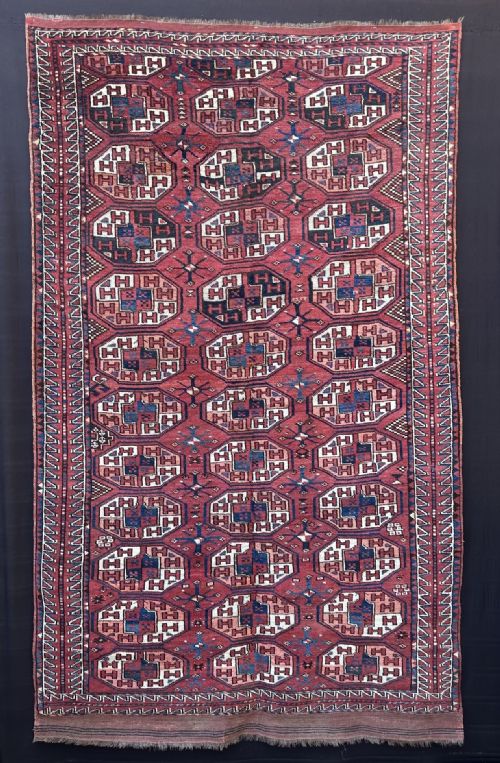
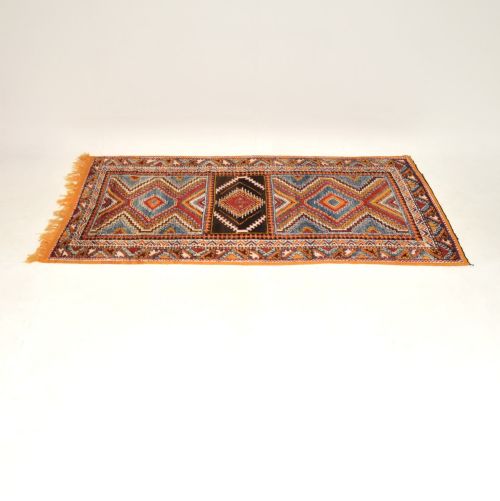
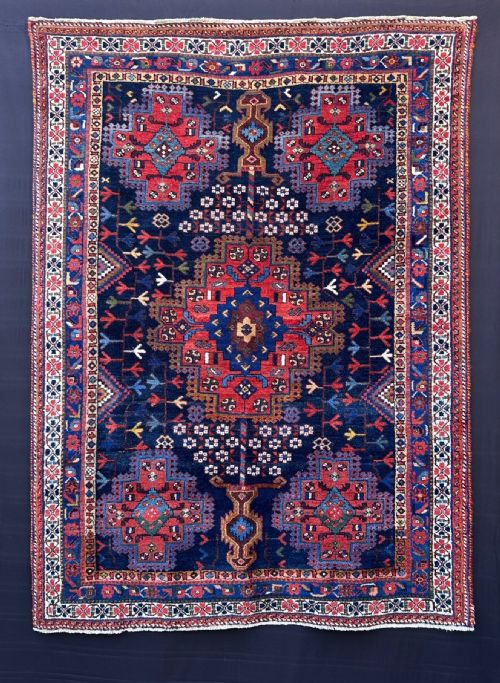
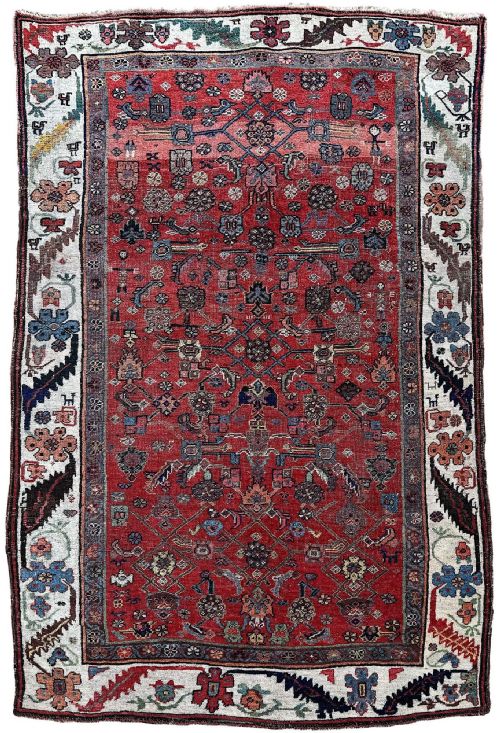
The pieces available on this page include specific regional styles such as Persian Bakhtiar, Belouch, Afghan, Yomut Turkmen, Mahal, Qasgai, and Afshar. These range in scale from compact area rugs to substantial room-sized carpets.
Formats vary from long runner proportions to square and rectangular formats designed for floor placement. Each piece reflects the specific aesthetic vocabulary of the weavers who produced them between eighteen eighty and nineteen thirty.
How they were made
Construction relies primarily on natural wool, frequently combined with cotton foundations to provide structural stability for the pile. Weavers knotted and wove these materials by hand on traditional vertical or horizontal looms.
Dyes and patterns were derived from local botanical and mineral sources, resulting in deep red and blue palettes alongside golden tones. The resulting textiles demonstrate robust knot densities suited to generations of domestic use.
Tribal Wool Floor Rug Retail Price Guide 2026
Typical asking prices for tribal wool floor rug among the pieces listed under this phrase on Sellingantiques today, from the lower quarter to the upper quarter. They describe what is for sale here now, not the wider market.
Nomadic weavers occasionally incorporated minor intentional asymmetry in border motifs to ward off evil spirits.
What varies in quality
Quality in a tribal wool floor rug relates to the density of the knotting and the precision of the geometric or floral motifs executed by the weaver. Finer examples display greater clarity in traditional symbols such as octagonal guls.
The integrity of the wool pile and the survival of the original flatwoven or braided ends determine the overall condition and longevity of the textile. Colour saturation and the harmonious ageing of natural dyes distinguish the upper tier of regional carpets.
The Tribal Wool Floor Rug Glossary
- Gul
- An octagonal medallion motif frequently repeated across Turkmen and Afghan carpets. This pattern serves as a tribal identifier for specific weaving groups.
- Pile
- The upright yarn surface of a rug formed by the cut ends of knots. It provides the tactile warmth and depth of the textile.
- Warp
- The vertical threads stretched lengthwise on the loom before weaving begins. The foundation yarns support the entire structure of the rug.
- Weft
- The horizontal threads passed alternately over and under the warp threads to bind the knots in place. It secures each row of weaving firmly.
- Nomadic
- Pertaining to non-settled pastoral groups who transport portable looms. Their weavings often feature spontaneous design variations and local wool.
Tribal Wool Floor Rug: Frequently Asked Questions
How do I clean an old wool rug?
Gentle surface cleaning and professional specialist dusting preserve the natural lanolin within the wool fibres. Avoid harsh chemical treatments that strip the original dyes.
Regular light vacuuming without a rotating beater bar prevents dust accumulation in the base of the pile. Keeping the rug out of direct continuous sunlight protects the natural tones from fading.
Are these rugs suitable for high traffic areas?
Traditional construction methods utilise durable wool on sturdy foundations designed to withstand daily movement. Placing a suitable underlay beneath the rug prevents slipping and reduces friction against hard floors.
Rotating the rug periodically ensures even wear patterns across the surface over years of use. This simple maintenance step distributes foot traffic evenly across the wool pile.
How do I identify different regional tribal styles?
Regional attribution relies on examining specific design motifs, colour palettes, and structural characteristics such as selvedge finishes. For instance, Turkmen weaving frequently employs octagonal guls on red grounds, whereas Bakhtiar pieces often display compartment garden designs.
Comparing knot direction and foundation materials offers further clues regarding geographic origin. Reference literature on Persian and Central Asian carpets assists in verifying these traditional attributes.
What period do these rugs come from?
The pieces recorded here primarily date from the late Victorian and Edwardian eras up through the early decades of the twentieth century. Examples range from eighteen eighty to nineteen thirty, capturing a period before synthetic aniline dyes became universal.
Each piece bears the stylistic markers of its specific decade of production. Dating is determined by stylistic analysis of the border patterns, weave structure, and dye characteristics.