







Tribal Torba Rug
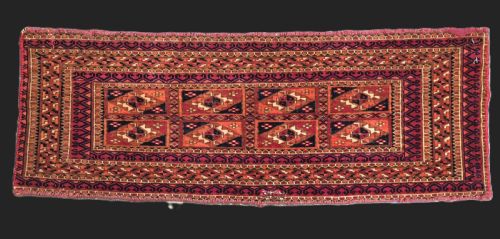
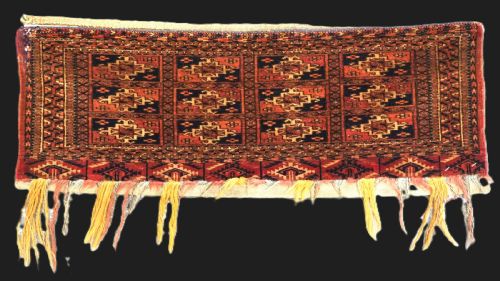
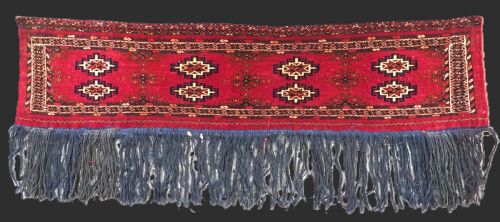
When you look for a tribal torba rug, you are holding a Central Asian tent bag woven by nomadic hands during the nineteenth century.
Tribal Torba Rug
A tribal torba rug represents a specific form of antique Central Asian tent storage, originating primarily from Turkmen, Yomut, Tekke, Saryk, and Ersari tribal groups across the Trans-Caspian steppes and surrounding regions. These smaller utility pieces functioned originally as bedding bags or camel flank hangings within nomadic dwellings, translating domestic utility into intricate textile art.
Most examples found on this page emerge from the nineteenth century, spanning from the eighteen-fifties through the early nineteen-hundreds. Buyers will frequently encounter individual torba faces, alongside complete specimens retaining their original plain weave backs or supplementary flatweave structures.
The regional variety encompasses specific tribal patterns, such as the repeating guls of Tekke weavers, the bold kepse designs of Yomut tribes, and the distinctive ikat or Beshir influences of Ersari makers. Beyond traditional Turkmen works, related pieces include Lakai Uzbek at torba ilgich and Shahsevan vanity bags from Azerbaijan.
What Varies in Quality
The finest examples display exceptionally fine weave density, which allows intricate guls and tribal motifs to resolve with sharp geometric clarity. Superior pieces also maintain high integrity in their natural dye saturation, presenting rich, light-refracting tones across the wool pile.
Proportion and completeness influence the distinction between standard bag faces and complete survivals retaining original plain weave backs or intact subsidiary borders. Furthermore, unusual design variations and scarce guls distinguish exceptional tribal commissions from standard utilitarian production.
Tribal Torba Rug Retail Price Guide 2026
Typical asking prices for tribal torba rug among the pieces listed under this phrase on Sellingantiques today, from the lower quarter to the upper quarter. They describe what is for sale here now, not the wider market.
The documented forms range from complete storage bags with original plain weave backs to individual rug faces and specialised embroidered ilgich pieces.
The Tribal Torba Rug Glossary
- Torba
- A small Turkmen wall-hanging storage bag used traditionally inside nomadic tents for holding bedding or small possessions. These pieces usually feature a horizontal format with a patterned face and a plain weave back.
- Gul
- The primary repeating medallion or octagonal gabled motif found across Central Asian tribal rugs. Different tribal groups, such as the Tekke, Yomut, and Saryk, utilised distinct gul variations to signify lineage.
- Mafrash
- A larger rectangular storage sack or bedding chest piece, often woven in flatweave or pile techniques. Mafrash faces frequently share design vocabulary with smaller torbas.
- Ilgich
- A specialised hanging bag or horse cover associated with specific Central Asian nomadic groups such as the Lakai Uzbeks. These pieces often incorporate distinct embroidered elements.
- Flatweave
- A textile constructed without pile by interlocking warp and weft threads together, creating a smooth surface. Examples include banded utility designs on Yomut storage bags.
Tribal Torba Rug: Frequently Asked Questions
What is a tribal torba rug used for?
Nomadic families utilised these smaller bags inside their tents to store bedding, clothing, and domestic goods. They hung against lattice walls or served as functional pack bags during migrations.
Today, collectors appreciate these portable textiles primarily as wall hangings or decorative small rugs. Their original format makes them well suited for display in compact spaces.
How do I identify a Tekke torba?
Tekke pieces typically display orderly rows of repeating octagonal guls upon deep red wool grounds. They often feature meticulous knotting density and fine overall proportions.
Secondary borders on Tekke examples frequently employ precise geometric motifs that frame the primary field. These structural traits distinguish them from Yomut or Ersari alternatives.
Are these pieces from the nineteenth century?
The listings here predominantly date from the mid-nineteenth century up through the early twentieth century. This period captures the traditional era of independent nomadic weaving before commercial synthetic dyes became widespread.
Exact dating relies on structural analysis, wool quality, and traditional design markers recorded across the region. Most surviving examples reflect work from eighteen-fifty to nineteen-twenty.
What is the difference between a torba and a mafrash?
A torba is generally designed as a smaller, horizontal wall-hanging storage bag with a single decorative face. A mafrash typically refers to a larger storage container or box bag.
Both forms utilise traditional pile knotting or flatweave techniques characteristic of Central Asian tribal groups. Collectors often group them together due to their shared domestic function.