




Tribal Throw Rug
A tribal throw rug brings pattern and history into a room, offering tactile warmth through antique kilim cushions, embroidered suzanis, and village rugs.
Tribal Throw Rug
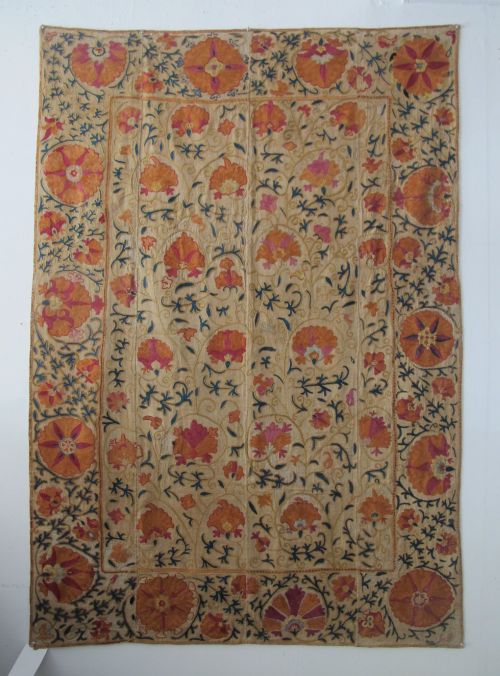
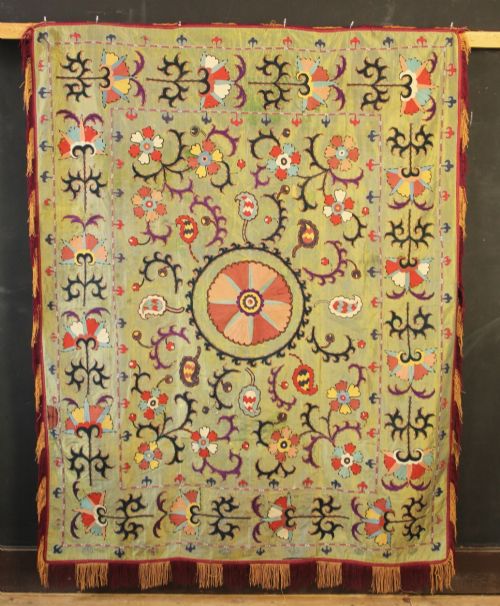
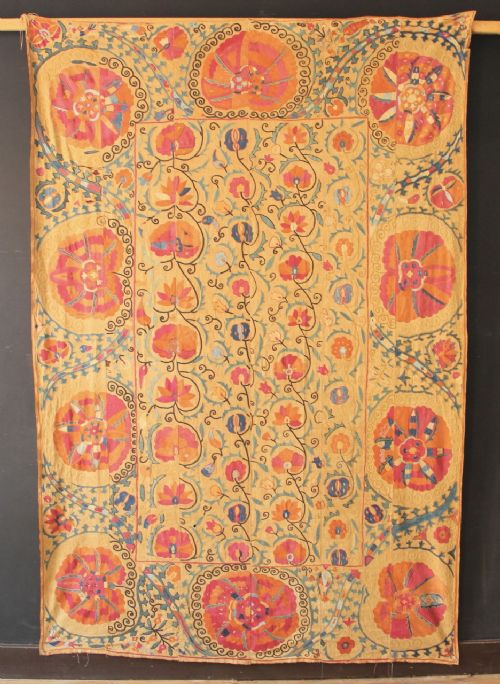
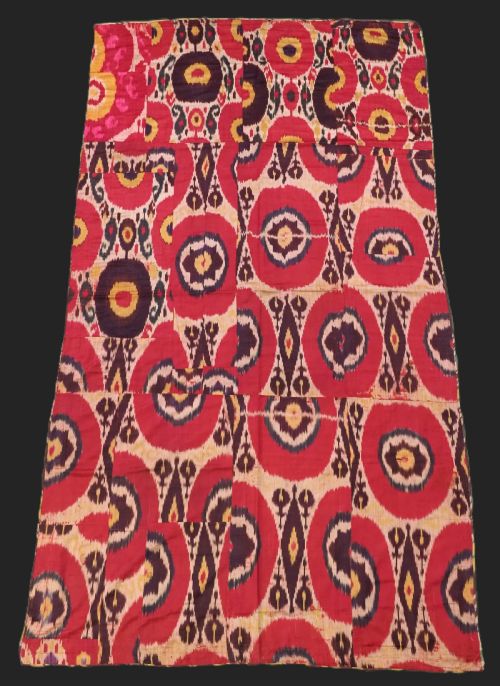
A tribal throw rug search spans diverse textiles originating from Anatolia, Central Asia, and Persia, dating from the mid-nineteenth century through the early twentieth century. The selection on this page relies heavily on antique kilim cushions, embroidered suzanis from regions like Tashkent and Bukhara, and small village rugs or bag faces.
Buyers encounter formats ranging from repurposed rug cushions and wall hangings to full textile panels and carpets. Central Asian suzanis worked in silk embroidery sit alongside flatwoven kilim fragments and Turkish village pieces.
These items represent utilitarian tribal objects transformed into decorative furnishings, spanning periods such as 1850, 1870, 1900, and 1930. The typical piece reflects regional weaving and embroidery traditions from communities including the Lakai and Baluch tribes.
How they were made
Makers utilised natural fibres including cotton, wool, silk, and hand-spun wool as foundations for these textiles. Silk embroidery threads provide the saturated colour seen on many Central Asian suzani panels and covers.
Weaving techniques combine flatwoven kilim structures with pile-woven carpet segments and intricate needlework. Ground fabrics consist of cotton or wool grounds, often worked in dense embroidery stitches to cover the surface entirely.
Dyes and spinning methods rely on traditional hand-crafting processes typical of nineteenth and early twentieth-century village workshops. Hand-spun wool and locally sourced cotton provide the durable structures underneath detailed silk needlework.
Listings feature textiles spanning the mid-nineteenth century to the 1930s, encompassing materials like silk, cotton, wool, and hand-spun wool.
What varies in quality
Quality rests upon the density of the work and the precision of the execution, particularly in embroidered suzanis described as full work. The amount of hand-worked silk and the complexity of regional designs separate standard examples from masterworks.
The integrity of the ground fabric and the vibrancy of the remaining silk or wool influence the overall standard of each piece. Condition ranges from heavily integrated fragments to intact covers retaining strong original pigmentation.
The Tribal Throw Rug Glossary
- Suzani
- An embroidered tribal textile from Central Asia, typically worked in silk on a cotton or wool ground. These large panels were traditionally made as part of a bride's dowry.
- Kilim
- A flatwoven carpet or rug produced by tightly interweaving warp and weft strands without creating a pile. Antique examples often find new life as cushions and small decorative mats.
- Bag Face
- The front panel of a nomadic storage sack, preserved and converted into a cushion or small hanging. These items display concentrated tribal motifs and robust wool construction.
- Nim Suzani
- A smaller variant of the traditional Central Asian suzani embroidery. These half-sized panels share the same silk needlework techniques and floral or medallion motifs.
- Palak
- A specific type of Tashkent suzani characterised by a fully embroidered ground often featuring a central star or medallion motif. The design covers the entire textile surface.
Tribal Throw Rug: Frequently Asked Questions
How do I use a kilim cushion?
Kilim cushions function well as decorative accents on sofas, armchairs, or beds. Their flatwoven wool textures add tactile contrast to plain upholstery.
Place them individually or mix various regional patterns together to create a layered aesthetic in a living space.
Where did suzanis originate?
Suzanis come from Central Asian regions including Uzbekistan, with distinct styles emerging from cities like Tashkent, Bukhara, and Shahrisabz. Nomadic groups such as the Lakai also produced notable examples.
Local artisans created these embroidered textiles for domestic use and ceremonial dowries.
What is a bag face?
A bag face is the decorative front portion of a nomadic utility sack used for storage in tents or during migration. When the surrounding plain backing wore out, the patterned face was often salvaged.
These panels are now preserved as small cushions or decorative wall hangings.
How are antique textiles dated?
Dating relies on stylistic analysis, material composition, dye types, and structural characteristics recorded in the weaving or embroidery. Experts examine the spin of the wool and the palette of the silk threads.
Comparative examples from documented periods help establish a reliable timeframe for each piece.