
Tribal Textile Wall Hanging
These tribal textile wall hanging examples bring rich nomadic heritage into modern interiors through authentic woven and embroidered pieces from Central Asia and Persia.
Tribal Textile Wall Hanging
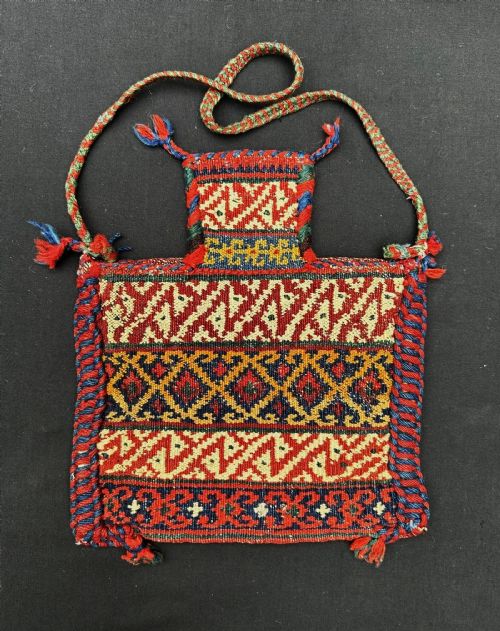
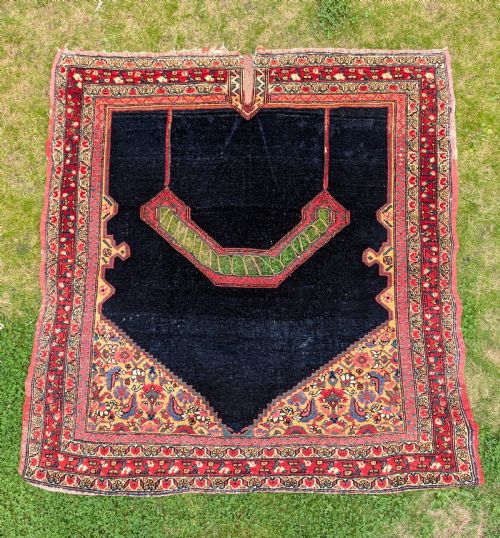
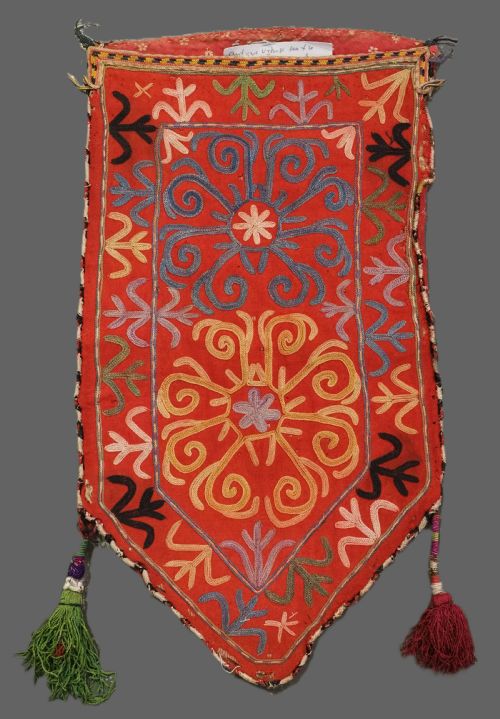
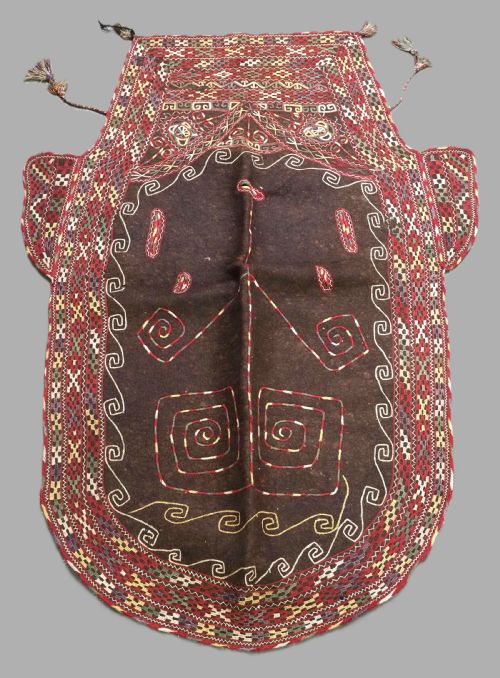
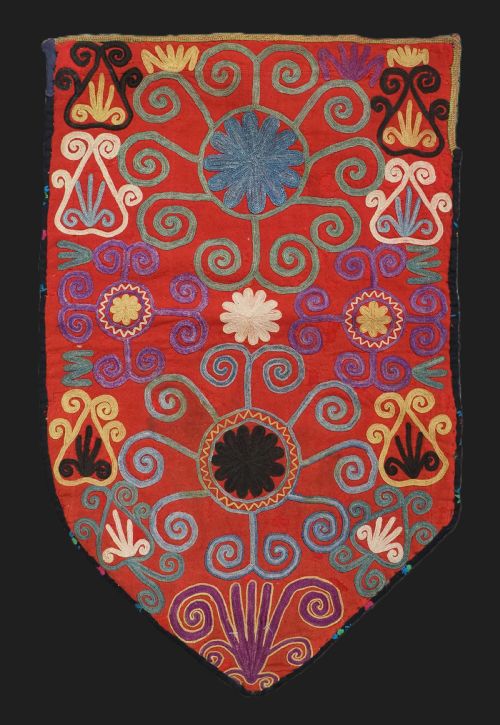
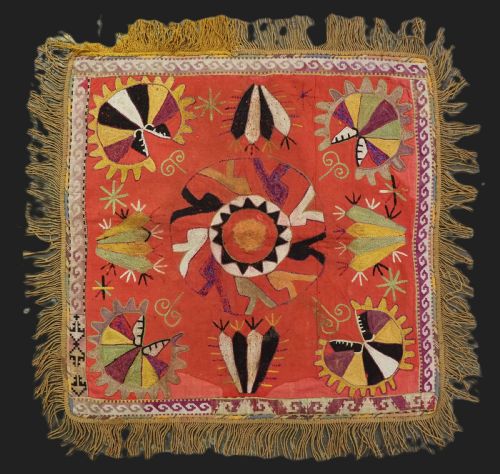
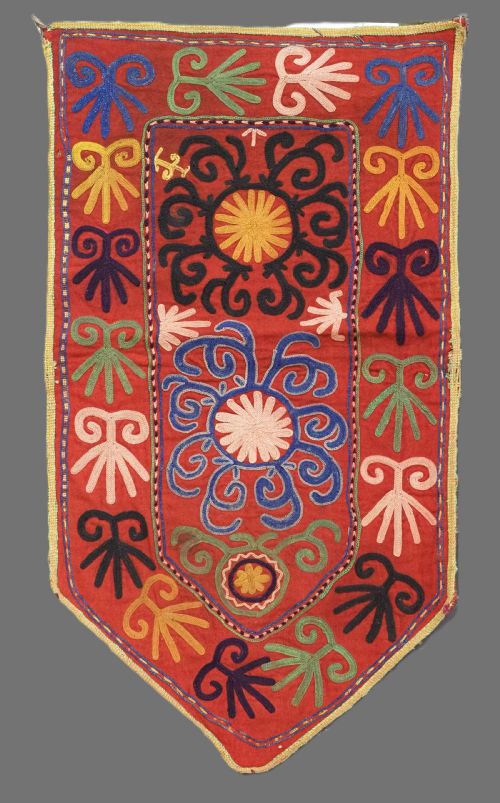
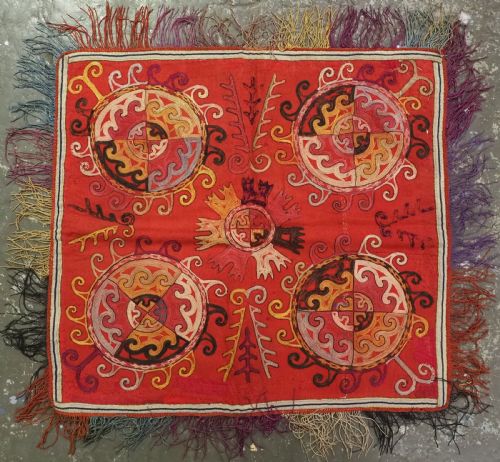
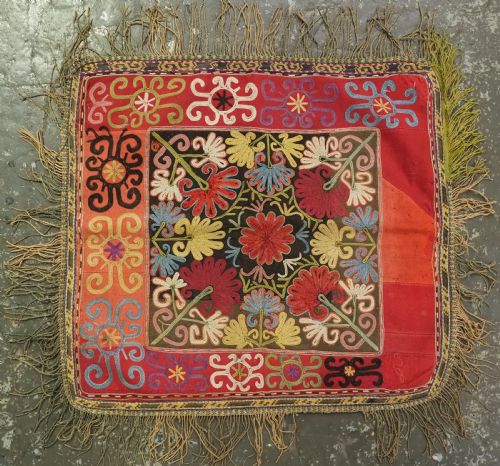
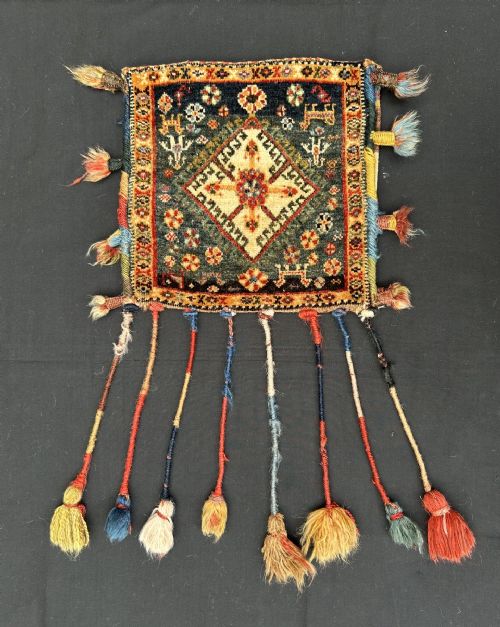
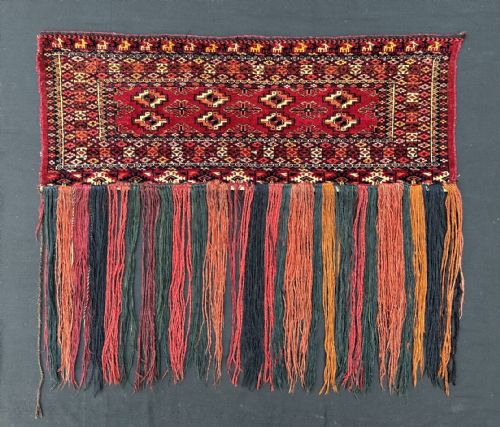
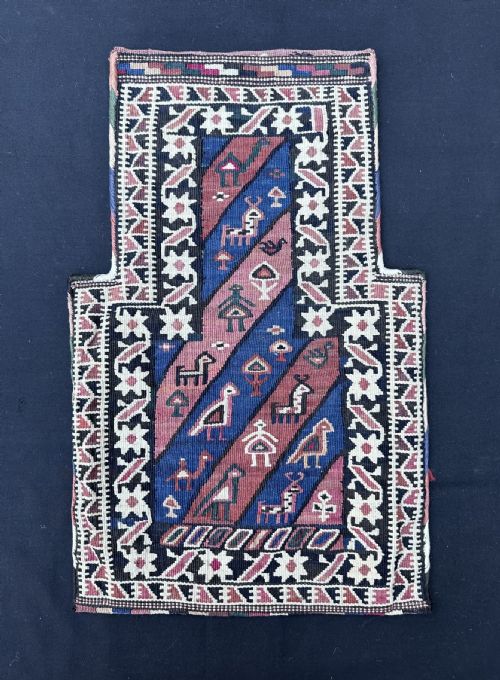
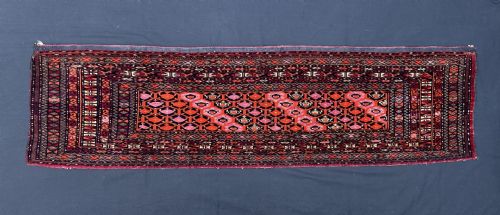
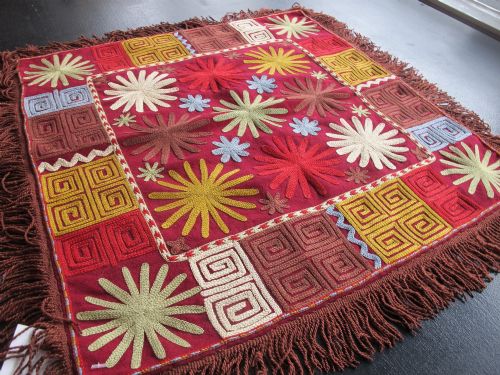
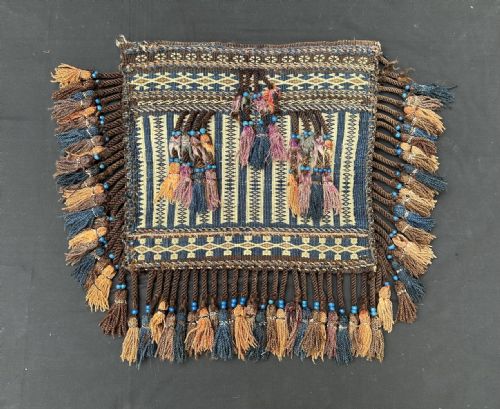
The selection on this page focuses heavily on Central Asian and Persian tribal items originating from nomadic confederacies and oasis tribes. Pieces range from Uzbek Lakai embroideries and Turkmen horse covers to South Persian Qashqai bagfaces.
Objects span the nineteenth and early twentieth centuries, reflecting the material culture of specific tribal groups across regions like Turkmenistan, Uzbekistan, and Fars Province. Each textile carries traditional motifs rooted in nomadic daily life and tribal identity.
Materials and construction techniques
Nomadic makers relied principally on hand-spun wool, cotton, and silk, often enriched with supplementary silk thread embroidery. Natural dyes provided a stable palette across rugs, saddle covers, and utility bags.
Specialised techniques include detailed embroidery on felted wool, flat-weaving, and pile-weaving depending on the tribal origin. Artisans also incorporated embellishments such as glass beads to accent ceremonial and dowry pieces.
Tribal Textile Wall Hanging Retail Price Guide 2026
Typical asking prices for tribal textile wall hanging among the pieces listed under this phrase on Sellingantiques today, from the lower quarter to the upper quarter. They describe what is for sale here now, not the wider market.
Listings feature items dated from 1850 through the early twentieth century, originating from Turkmen, Uzbek, and Persian tribal groups.
Factors determining quality
Quality rests upon the fineness of the weave or embroidery and the precision of the tribal motifs. Superior examples display tighter knotting, balanced compositions, and skilful handling of complex geometric or figurative designs.
The depth and integrity of natural dyes strongly influence an item's visual power. Examples retaining vibrant, harmonious colour palettes command attention through their preserved material authenticity and clarity of pattern.
The Tribal Textile Wall Hanging Glossary
- Asmalyk
- A large, five-sided ceremonial camel trapping produced by Turkmen tribes, traditionally hung on the flank of a bride's wedding camel.
- Ilgich
- A dowry embroidery piece created by Uzbek Lakai groups, frequently featuring dynamic appliques and geometric motifs.
- Jollar
- A Turkmen storage bag or trapping designed for hanging inside a yurt, typically displaying characteristic gul motifs.
- Kilim
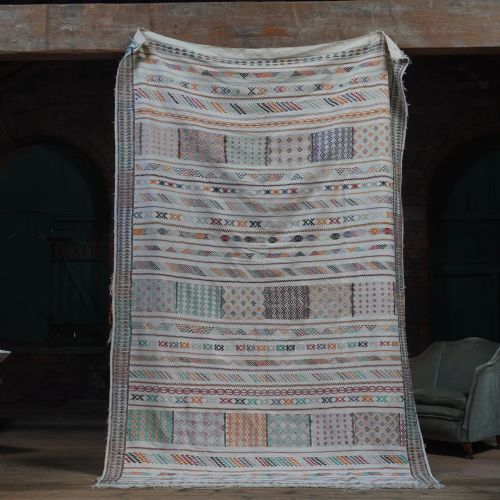
- A flat-woven rug or tapestry-woven textile produced without a pile across various Middle Eastern and North African regions.
- Uut Kap
- A small storage bag utilised within Central Asian nomadic dwellings for personal items or household goods.
Tribal Textile Wall Hanging: Frequently Asked Questions
What is a tribal textile wall hanging?
These items are authentic nomadic objects such as storage bags, saddle covers, and dowry embroideries that were originally made for functional or ceremonial purposes within tribal communities.
Today, collectors repurpose these woven and embroidered pieces as decorative wall art to showcase traditional regional motifs and handmade textures.
How do I hang a textile safely?
Mounting requires careful weight distribution to prevent pulling on fragile antique fibres and historic fabrics. Using a cotton sleeve stitched gently to the reverse allows a slender rod or slat to support the piece evenly across the wall.
Avoid direct display in bright sunlight to protect natural dyes from fading over time.
How can I tell different tribal styles apart?
Distinctive design elements, colour combinations, and regional motifs help identify specific groups such as Yomut Turkmen, Uzbek Lakai, or Qashqai nomads. Turkmen pieces often feature geometric guls, while Lakai embroideries use energetic applique shapes.
Familiarity with materials like hand-spun wool, felted wool, and specific embroidery stitches further clarifies regional origins.