
Tribal Silk Textile
When you search for a tribal silk textile, you enter a world of Central Asian embroidery and woven wall hangings created for domestic ceremonies and dowries.
Tribal Silk Textile
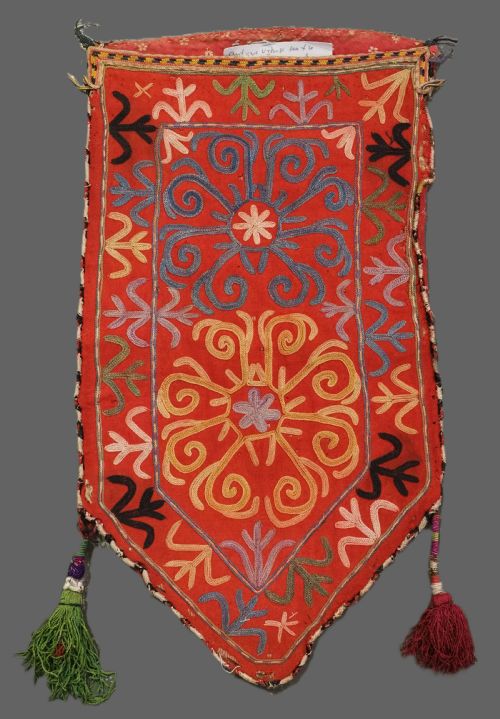
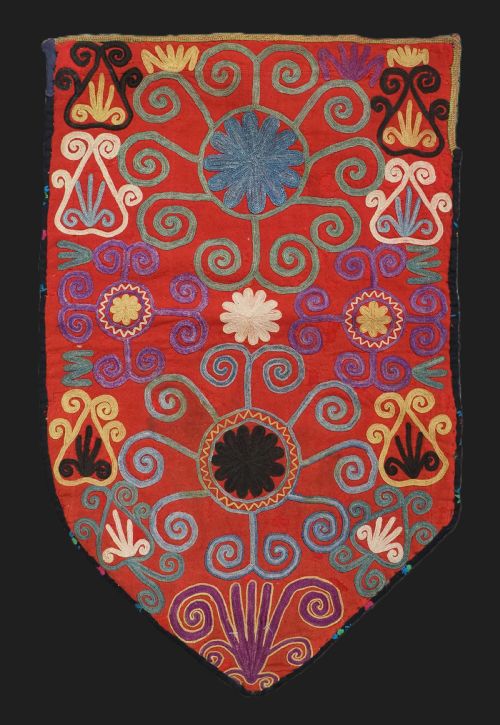
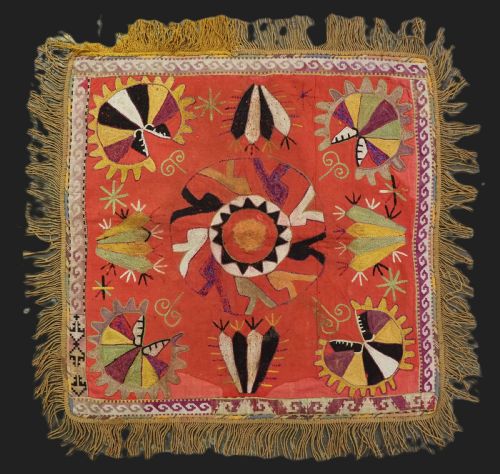
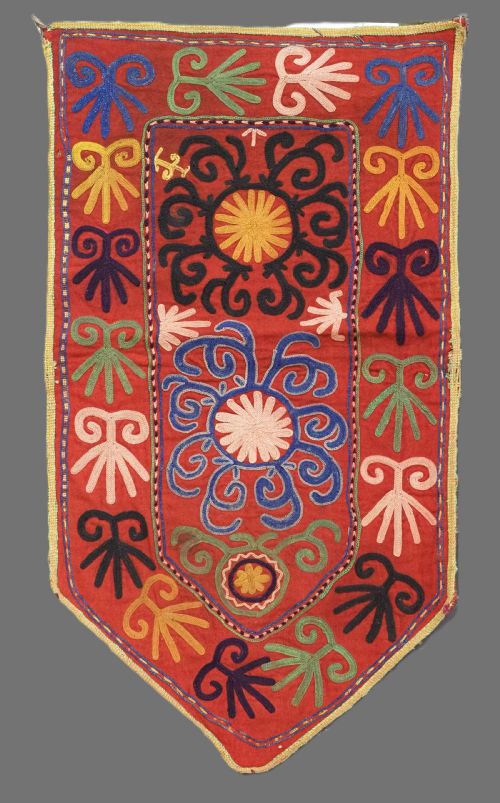
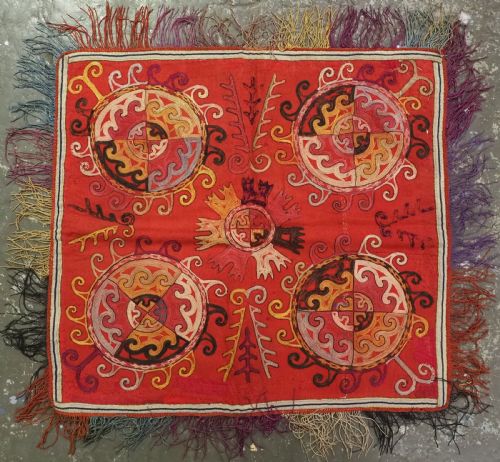
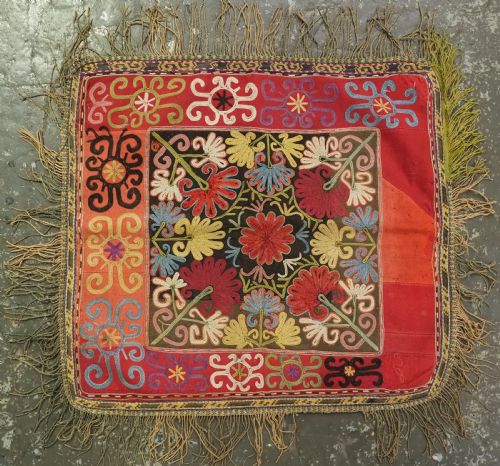
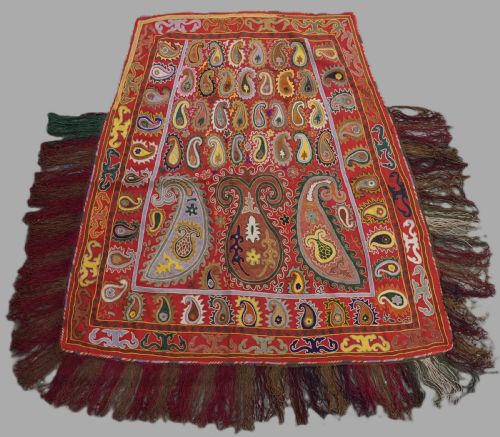
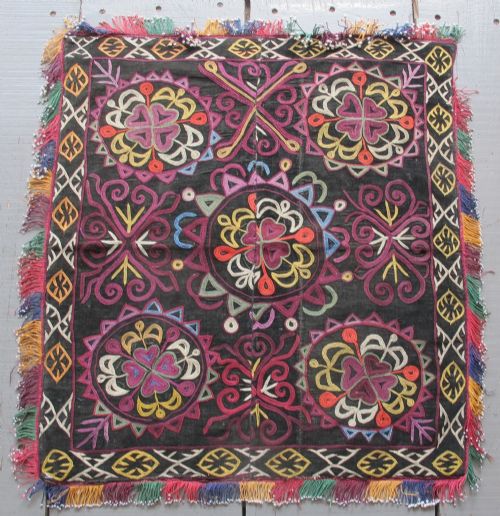
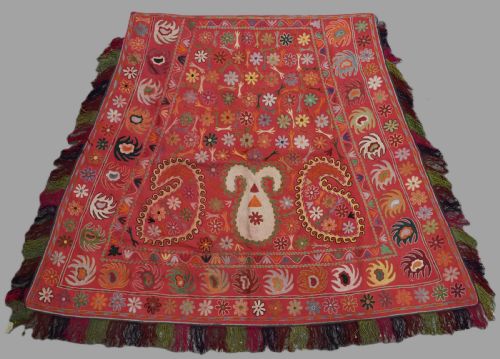
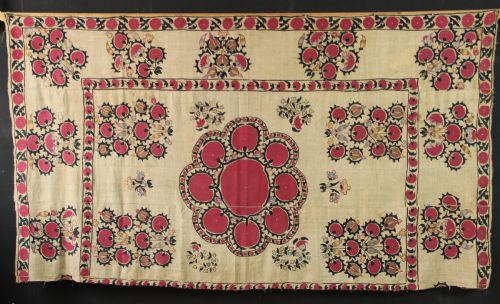
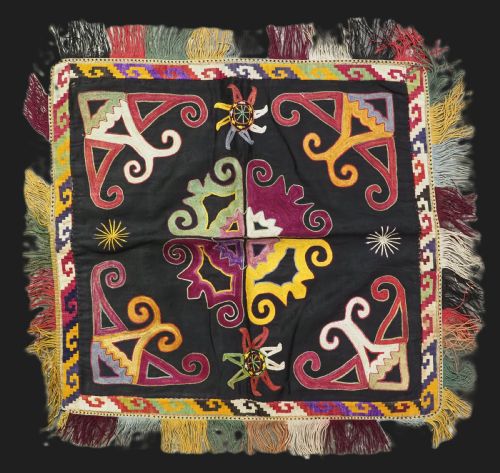
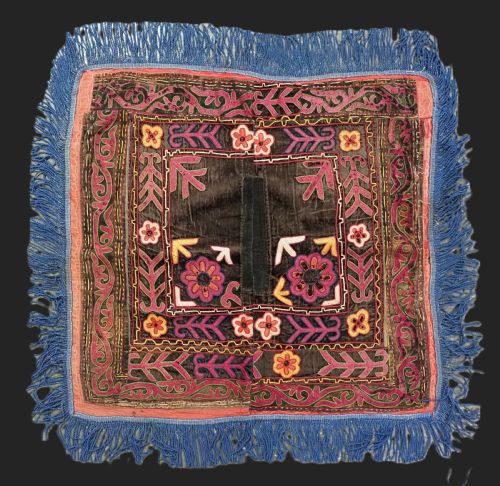
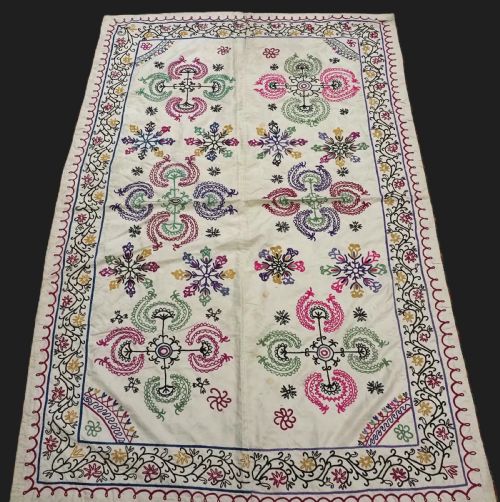
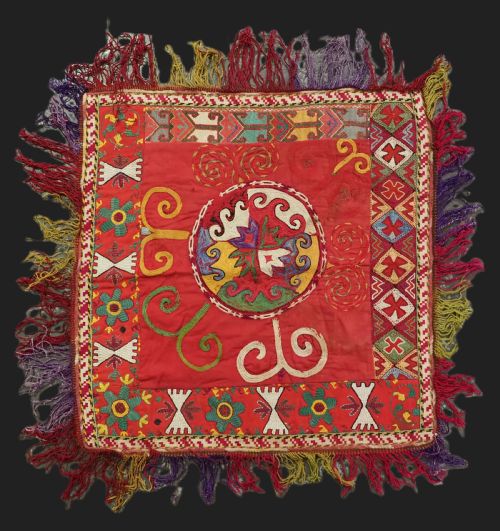
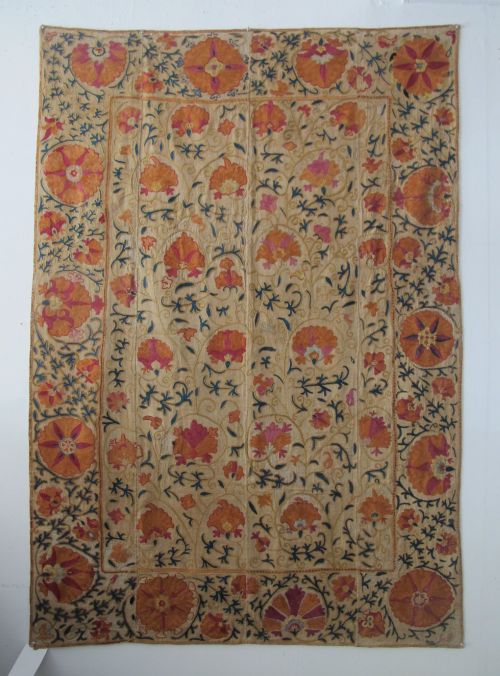
A tribal silk textile on this page typically originates from Central Asia, with many examples attributed to the Lakai tribe, Uzbek makers, and Turkmen weavers. These objects take specific traditional forms such as the ilgich, uut kap, suzani, and ceremonial horse covers intended for domestic display or festive use.
Makers produced these pieces across the nineteenth and early twentieth centuries, utilising regional designs that often served as dowry embroidery for wall hanging or yurt decoration. Surviving examples range from small mirror covers and nimble nim suzanis to large medallion variant suzanis and ladies ceremonial coats.
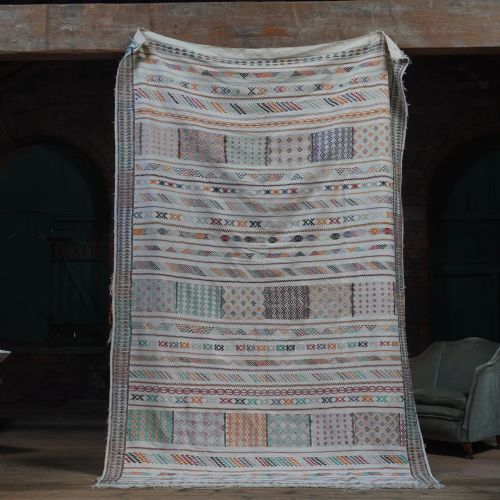
The selection also spans wider geographic traditions, including Moroccan kilim rugs made with sabra cactus silk and Indian shawls or spinning wheels. Buyers frequently encounter pieces worked in silk thread upon wool or cotton grounds, reflecting distinct regional textile practices.
How they were made
Artisans constructed these textiles by applying dense silk embroidery thread to a stable foundation fabric, which commonly consisted of woven cotton, wool, or blended adras fabric. Certain pieces feature a Mogul red wool ground or velvet base, providing a contrasting background for the intricate needlework.
Weavers also utilised alternative plant and animal fibres, such as sabra cactus silk found in Moroccan kilim rugs or supplementary wool and glass beads for added texture. Construction methods included embroidery, tapestry weaving, and semi-silk fabrication techniques passed down through generations.
Current listings feature nineteenth and early twentieth-century textiles incorporating silk, wool, cotton, velvet, and glass beads from Central Asia and North Africa.
What varies in quality
Quality in these textiles rests upon the density and precision of the needlework, the complexity of the traditional design, and the vibrancy of the surviving silk threads. Finer examples display meticulous execution in motifs like the uut kap ilgich or chyrpy coat, whereas simpler versions show broader execution.
The integrity of the foundation fabric, whether cotton, red wool, or velvet, also dictates the overall standard of preservation. Pieces retaining rich colour saturation and intact structural grounds stand apart from those with heavy wear or diminished pile and thread.
The Tribal Silk Textile Glossary
- Ilgich
- A type of Central Asian embroidery used for wall hanging and dowry purposes, frequently produced by the Lakai tribe. These pieces often feature geometric or symbolic needlework.
- Suzani
- An embroidered silk wall hanging or textile from Uzbekistan, traditionally worked in large floral or medallion designs. Smaller versions are known as nim suzanis.
- Uut kap
- A storage bag face or trapping originating from Central Asian nomadic groups, typically rendered in rich silk embroidery on a wool ground. They form a distinct category of tribal textile art.
- Chyrpy
- A traditional ladies ceremonial coat from Turkmenistan, heavily embroidered in silk with distinctive patterns. These garments indicate high status and skilled needlework.
- Adras
- A traditional semi-silk fabric woven with a cotton warp and silk weft, commonly utilised for ikat panels in Bukhara. This hybrid material combines structural durability with a lustrous silk face.
- Sabra
- A natural vegetable fibre extracted from the aloe succulent, often termed cactus silk and used in Moroccan textile production. It yields a textured, resilient yarn for flatweave rugs.
Tribal Silk Textile: Frequently Asked Questions
How were suzanis used?
Suzanis were large embroidered panels used as wall hangings, bed covers, or ceremonial wraps within Uzbek households. Families commissioned them as vital elements of a bride's dowry.
These textiles often featured grand floral or medallion motifs that reflected regional identities and traditional aesthetic values.
What distinguishes Lakai embroidery?
Lakai embroidery is characterised by dynamic, abstract geometric motifs and vibrant silk thread work applied to wool or cotton grounds. Makers frequently employed chain stitch and couching techniques.
These nomadic pieces often appear as smaller dowry items, horse covers, or mirror wrappers with distinct visual energy compared to urban suzanis.
How do I care for a textile?
Display these textiles away from direct sunlight to protect natural silk threads and dyed grounds from fading. Mounting them professionally on stable supports helps distribute weight evenly.
Avoid folding antique embroidered panels for long periods to prevent creasing and stress on fragile historical fibres.