

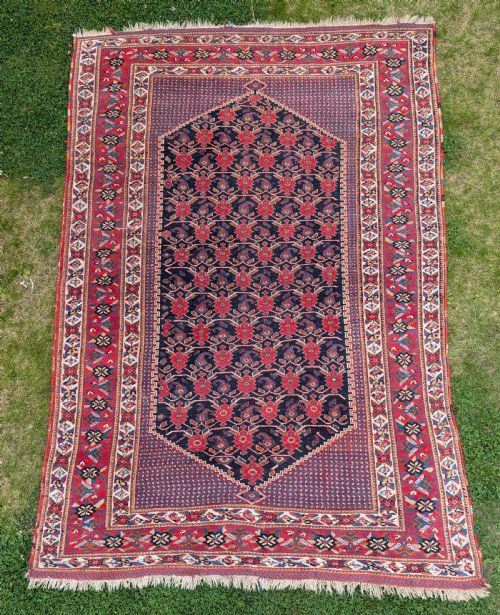
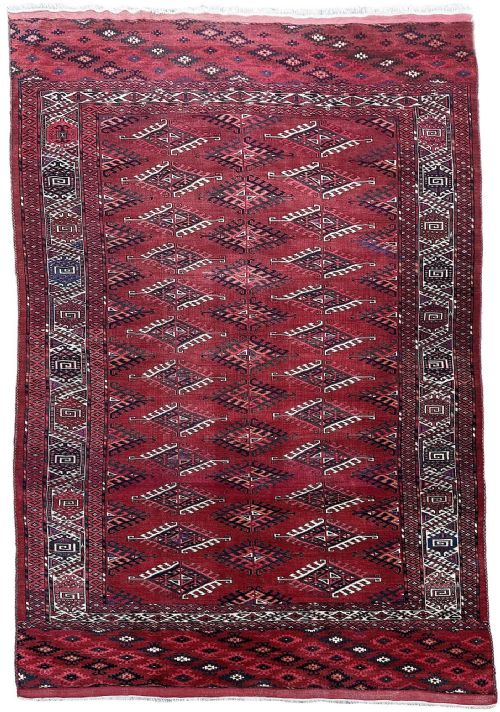
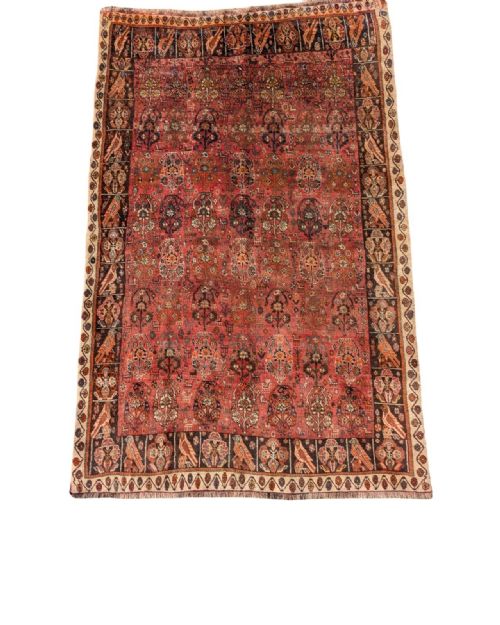
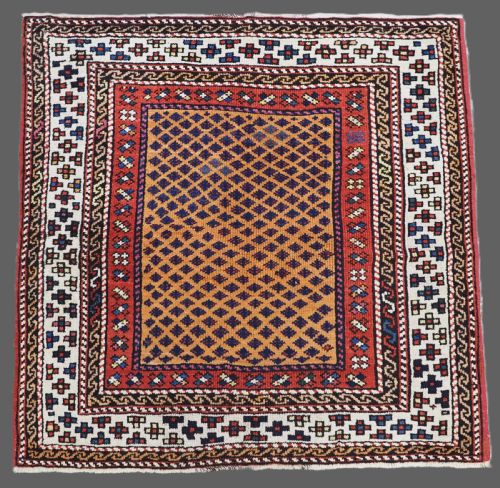
Tribal Pattern Area Rug
These tribal pattern area rugs bring warmth and geometric heritage into a room, forged from wool and natural dyes across nineteenth and early twentieth century traditions.
Tribal Pattern Area Rug
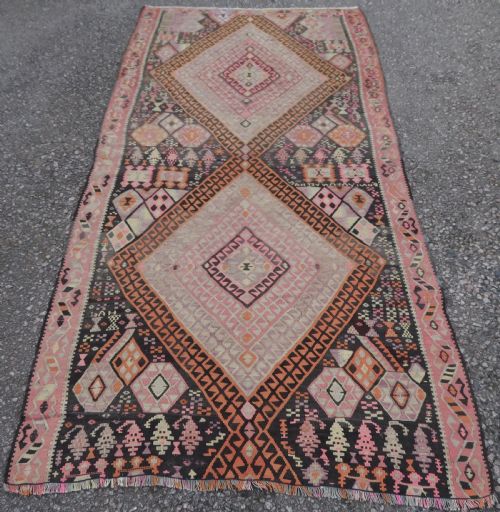
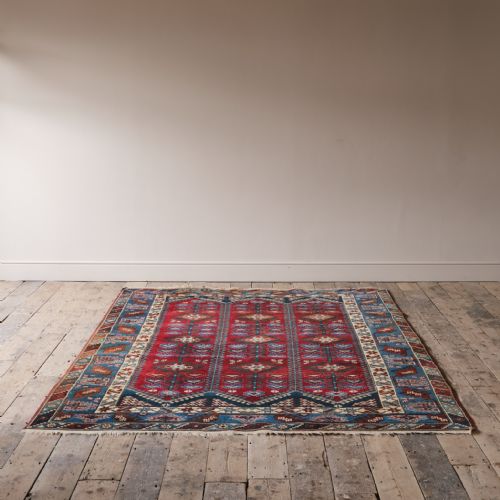
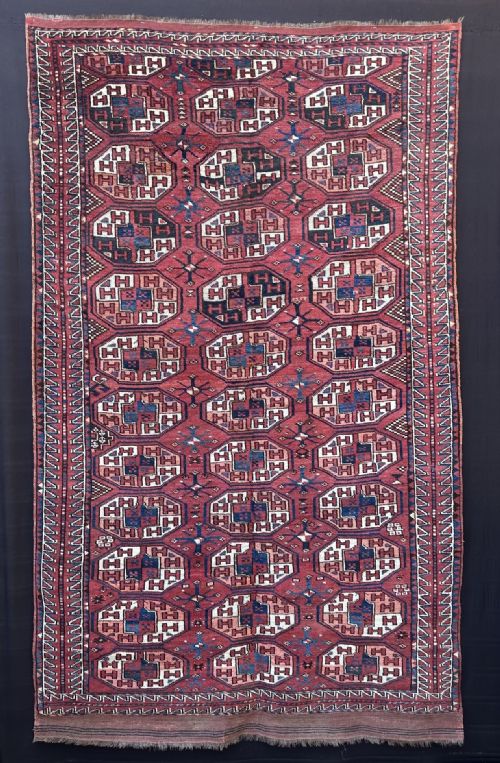
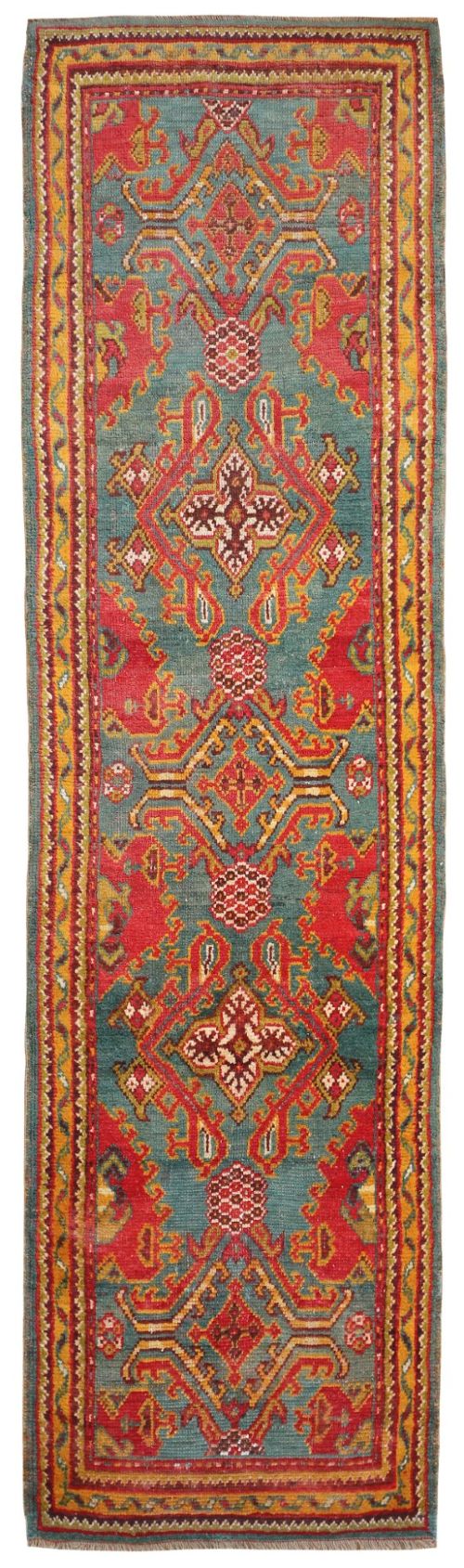
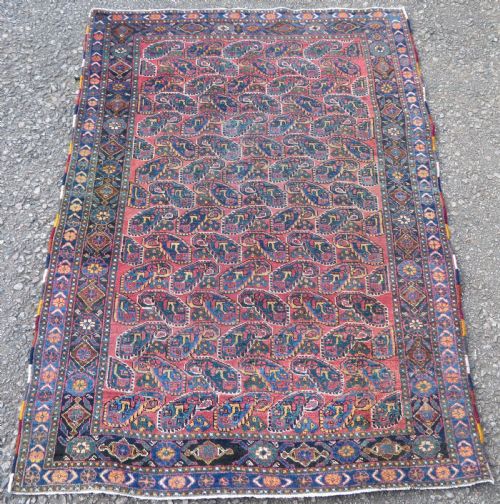
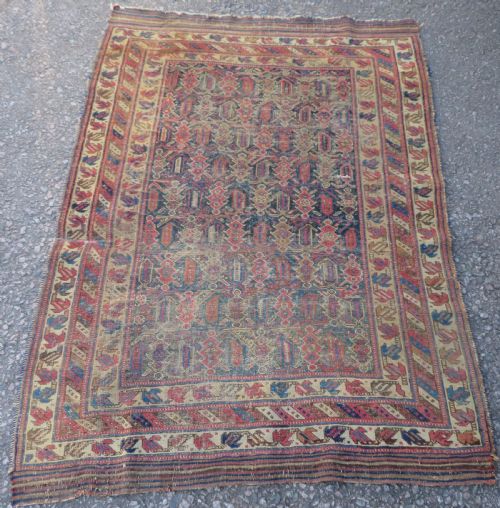
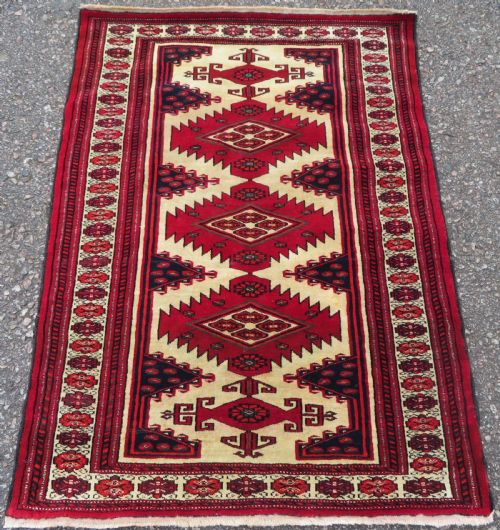
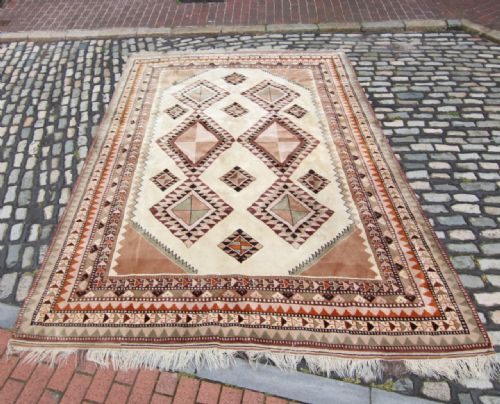
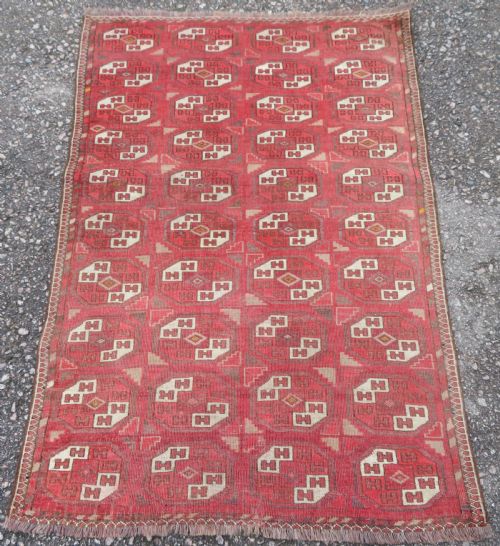
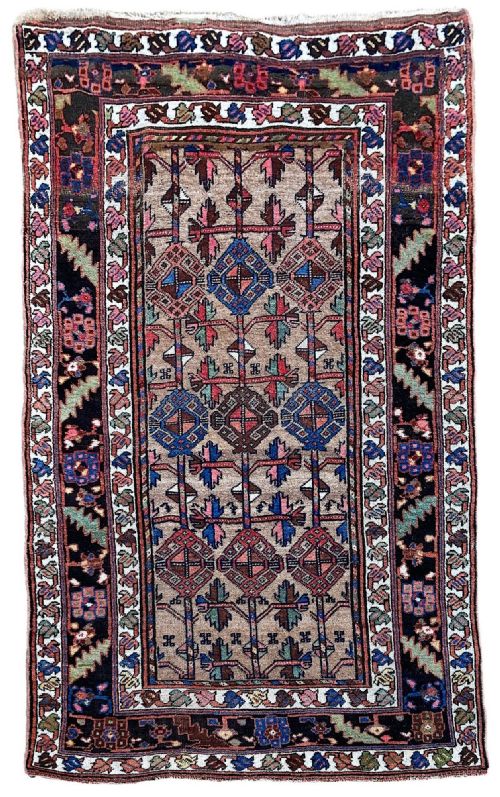
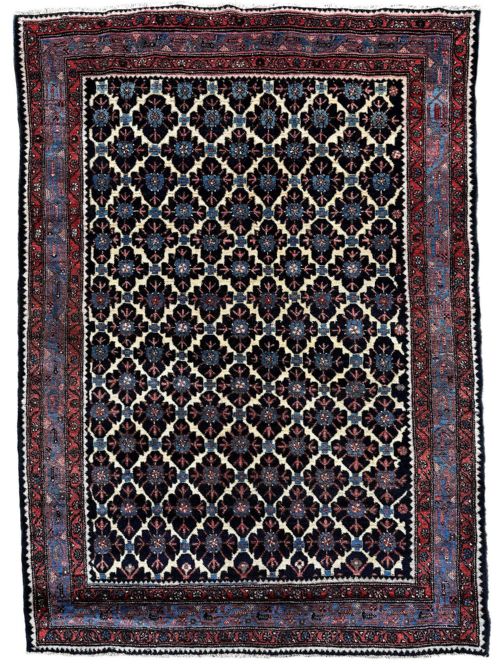
A tribal pattern area rug encompasses hand-knotted and flat-woven floor coverings originating from nomadic and village workshops across Central Asia, Persia, the Caucasus, and Anatolia. These pieces typically display geometric motifs, medallions, and repeated lattice designs that reflect the distinct cultural heritage of specific weaving groups.
The selection on this page draws heavily from traditional styles such as Turkmen, Afshar, Kazak, and Hamadan. Buyers encounter runners, square formats, and larger carpets spanning periods from the late nineteenth century through the early decades of the twentieth century.
How they were made
These textiles rely principally on wool and cotton foundations combined with hand-spun wool pile. Weavers utilise traditional vertical or horizontal looms to construct hand-knotted or flat-weave structures designed for durability.
Natural dyes provide the foundational palette for these floor coverings, yielding rich colour depth that matures gracefully over decades of use.
Listings span multiple production eras, featuring pieces dated across the nineteenth and early twentieth centuries up to the 1930s.
What varies in quality
Quality rests upon the fineness of the knot density and the precision of the geometric execution. Tighter construction supports greater longevity under heavy foot traffic.
The complexity of the natural dye palette and the integrity of the original wool supply dictate the visual richness and character of the finished weaving.
The Tribal Pattern Area Rug Glossary
- Pile
- The upright yarn loops that form the soft surface of a knotted rug. This layer absorbs foot traffic and protects the underlying foundation.
- Warp
- The vertical threads stretched tightly on the loom that carry the structural weight of the rug. Fringe ends typically originate from these parallel cords.
- Weft
- The horizontal threads passed between warp rows to lock the knots firmly into place. These strands stabilise the entire woven body.
- Knot density
- The measurement of individual knots per square unit, influencing detail clarity and structural resilience. Higher counts demand greater time from the weaver.
Tribal Pattern Area Rug: Frequently Asked Questions
How do I clean a tribal rug?
Regular gentle vacuuming without a beater bar removes loose grit before it settles into the wool pile. Professional specialist cleaning remains essential for addressing deep soil or spills.
Water exposure should stay strictly controlled to prevent dye bleeding or foundation shrinkage. Traditional wool and natural dye combinations respond best to dry or low-moisture maintenance methods.
Where were these rugs made?
The pieces originate from nomadic tribes and village communities across Persia, the Caucasus, Anatolia, and Turkmenistan. Each region developed distinct wool preparation methods and colour palettes.
Weaving groups such as the Yomut, Afshar, and Kazak utilised specific geometric motifs and structural techniques. These regional markers allow collectors to trace the geographical roots of individual carpets.
Are these rugs suitable for high-traffic areas?
Hand-spun wool construction provides natural resilience and resistance to daily wear. Traditional dense knotting allows many nineteenth and early twentieth century examples to withstand active living spaces.
Pile height and structural integrity determine how well a specific runner or carpet handles heavy footsteps. Using a quality underlay helps absorb impact and prevents slipping on hard floors.
How can I tell the age of a rug?
Material analysis reveals clues through hand-spun wool variations and early natural dye formulations. Subtle shifts in colour tone, known as abrash, often point towards older vegetable-dyed production.
Structural characteristics and regional weaving structures help narrow down the decade of origin. Comparing design motifs against documented nineteenth and early twentieth century examples confirms chronological placement.