


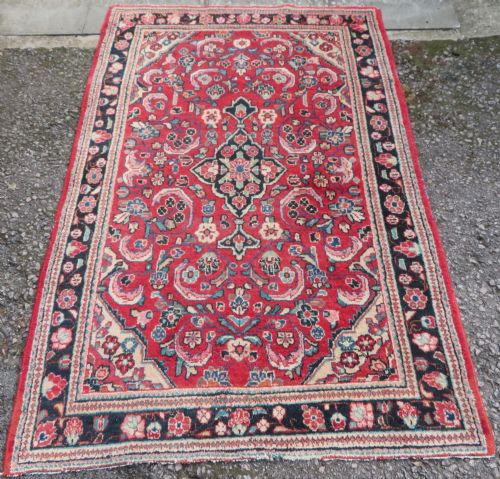

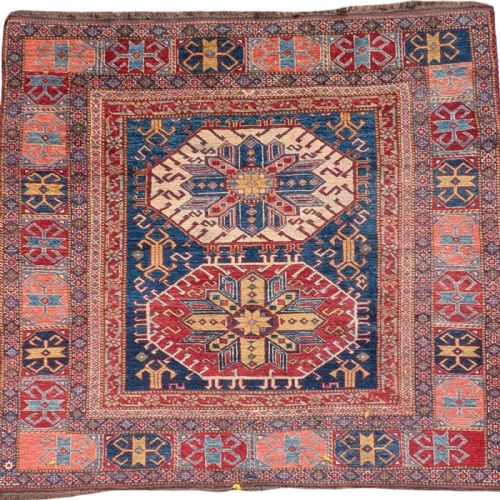
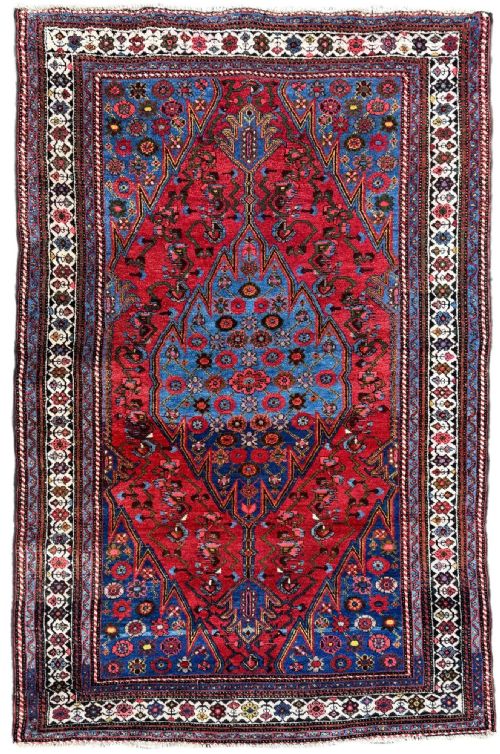
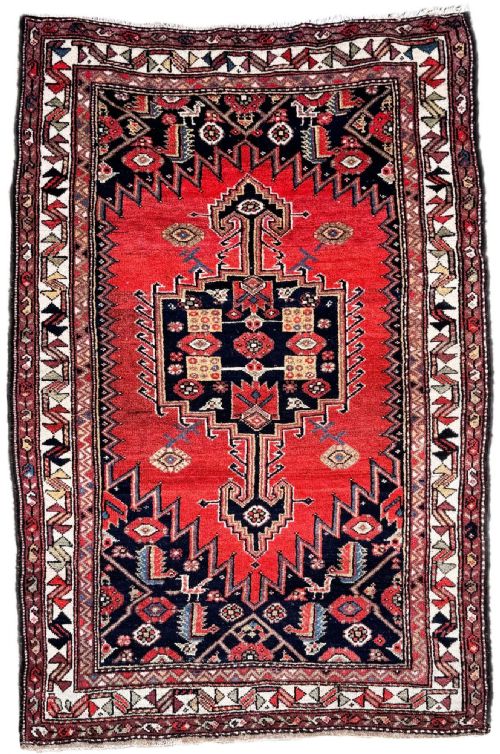
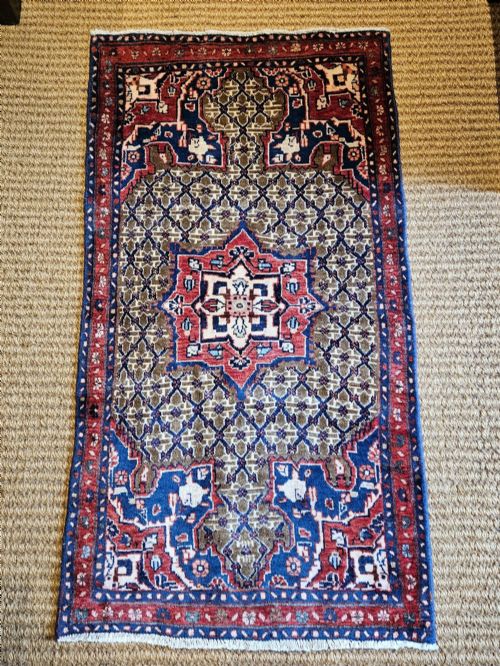
Tribal Medallion Wool Rug
A tribal medallion wool rug anchors a room with geometry and history, forged by nomadic hands for warmth and daily ground use.
Tribal Medallion Wool Rug
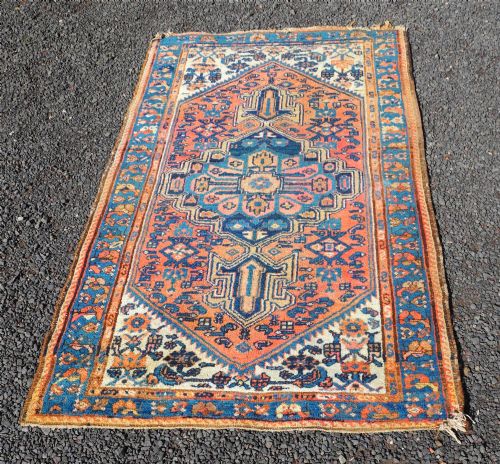
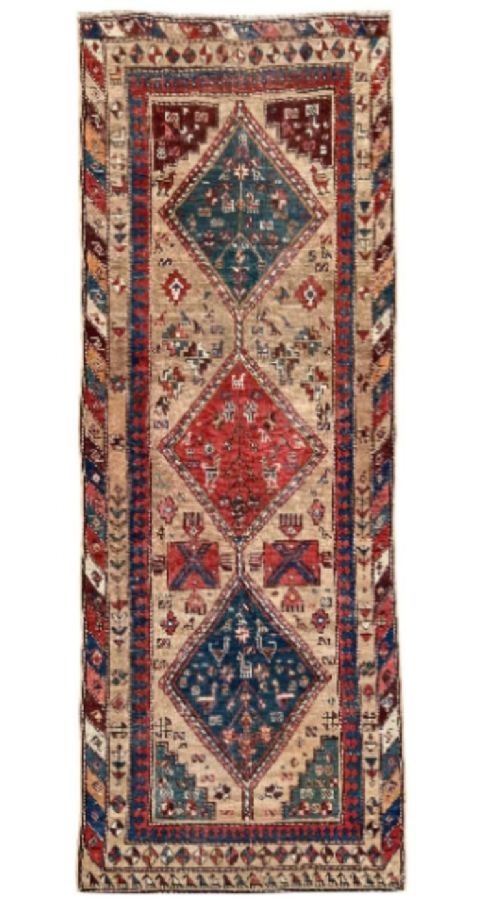
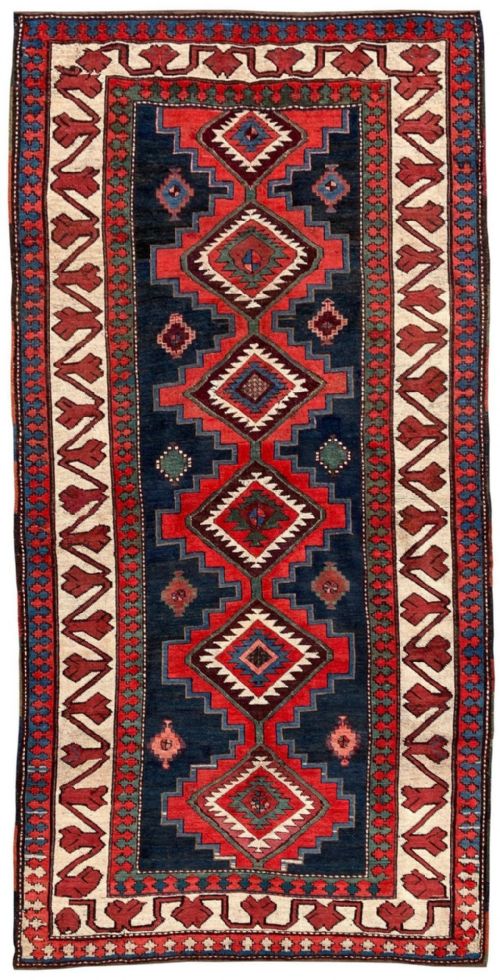
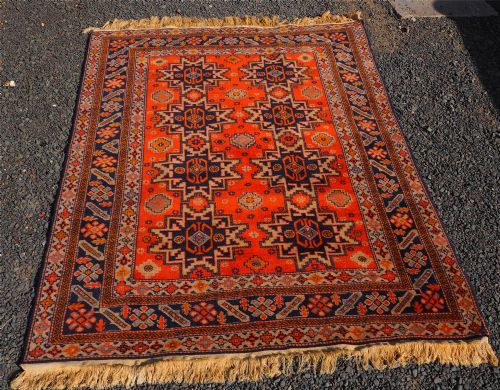
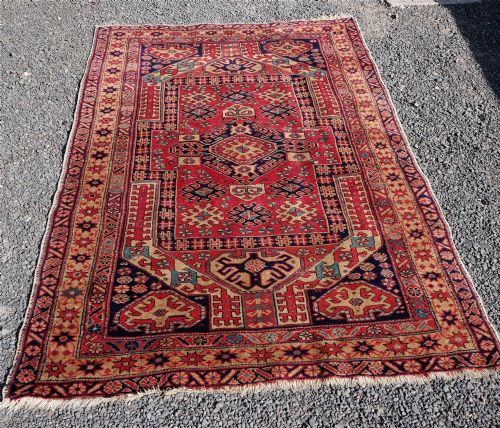
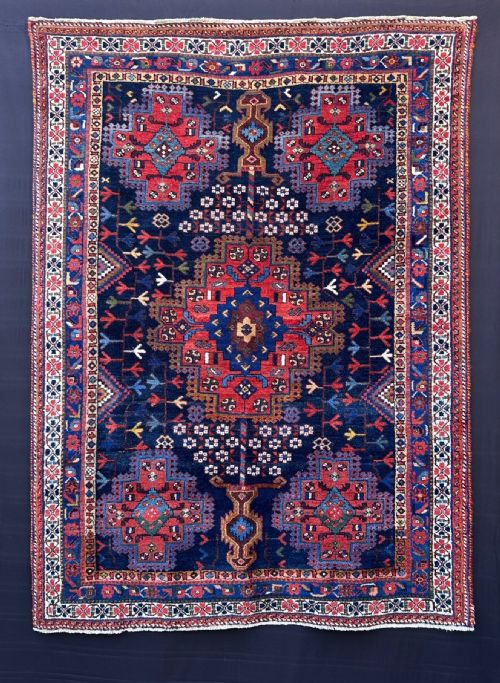
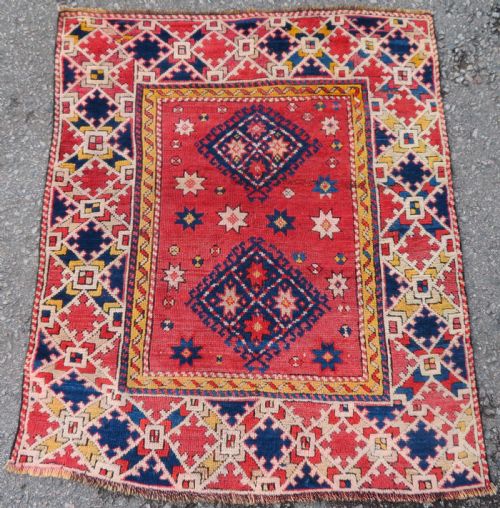
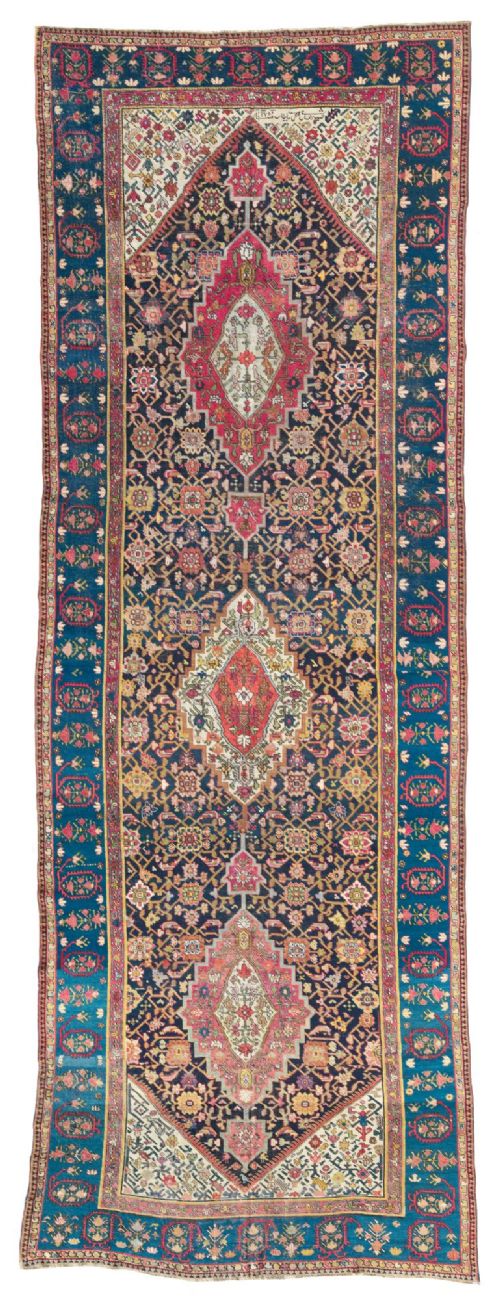
When you search for a tribal medallion wool rug, you encounter hand-knotted creations originating from Persian, Caucasian, and Anatolian weaving traditions. These pieces span from the nineteenth century through the early decades of the twentieth century, encompassing formats from square mats and hearth sizes to elongated runners and room-scale carpets.
The inventory on this page draws heavily from regional village and confederacy groups such as Khamseh, Bakhtiar, Kazak, Hamadan, and Afshar. Buyers frequently meet formats featuring central geometric motifs, cruciform medallions, or repeating tribal fields defined by distinct regional palettes.
Materials and Construction
The foundation and pile rely fundamentally on wool, occasionally incorporating camel wool within the field alongside cotton foundations for structural stability. Weavers utilised hand-spun fibres dyed with traditional materials, yielding rich colours that soften gracefully over decades of light and foot traffic.
Construction relies on manual knotting techniques executed on vertical or horizontal looms without mechanised assistance. Each carpet demonstrates individual structural choices made by village artisans, reflected in varying knot densities and backing tensions.
Several runners manage to outlast the hallways they were originally trodden in, carrying decades of village floor-life straight into modern living rooms.
Evaluating Quality and Execution
Quality rests upon the crispness of the geometric drawing and the precision with which the central medallion balances within the field. Tighter knot counts and secure structural integrity separate robust village work from more loosely assembled examples.
The harmony and saturation of the palette dictate the visual success of the piece. Superior examples maintain depth in the secondary tones and clarity in the border guards, showing deliberate dye choices rather than muddy transitions.
The Tribal Medallion Wool Rug Glossary
- Medallion
- A central decorative motif placed in the field of the rug. It often anchors the entire geometric composition.
- Pile
- The upright wool fibres that form the usable surface of the carpet. This layer results from individual knots tied around the warp threads.
- Warp
- The stationary vertical threads stretched upon the loom. The pile knots are tied directly onto these foundational cords.
- Weft
- The horizontal threads passed alternately over and under the warp strands. This process secures the rows of knots in place.
- Runner
- An elongated narrow format designed for hallways and corridors. These pieces measure significantly longer than they are wide.
Tribal Medallion Wool Rug: Frequently Asked Questions
How do I clean a vintage wool rug?
Gentle surface sweeping and occasional professional dusting maintain wool fibres safely. Avoid harsh chemical immersion to protect natural dyes.
Allow specialist conservators to handle deep washes. Regular rotation ensures even wear patterns across high-traffic zones.
Where were these tribal rugs woven?
Weavers produced these textiles across village communities and nomadic settlements in Persia, the Caucasus, and Anatolia. Tribal groups working in regions like Shiraz, Karabagh, and Hakkari contributed distinct regional designs.
Local sheep breeds provided the durable wool used in these traditional workshops and nomadic camps.
Can I place these rugs in heavy traffic areas?
Wool possesses natural lanolin that resists everyday dirt and provides exceptional durability. Placing a quality underlay beneath the rug prevents sliding and cushions the pile against hard floors.
Frequent foot traffic actually helps settle the natural fibres when supported by a supportive rug pad.
How do I identify the age of a piece?
Age is determined by examining dye characteristics, structural wear, wool characteristics, and regional weaving styles. Nineteenth-century examples often display vegetable-derived palettes and irregular hand-spun textures.
Later twentieth-century works shift toward crisper chemical tones and standardised village output.