

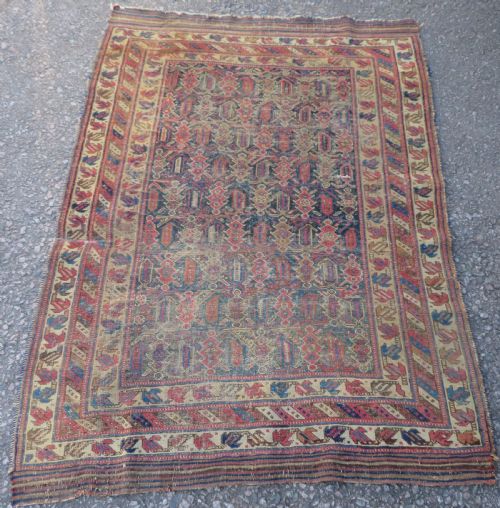
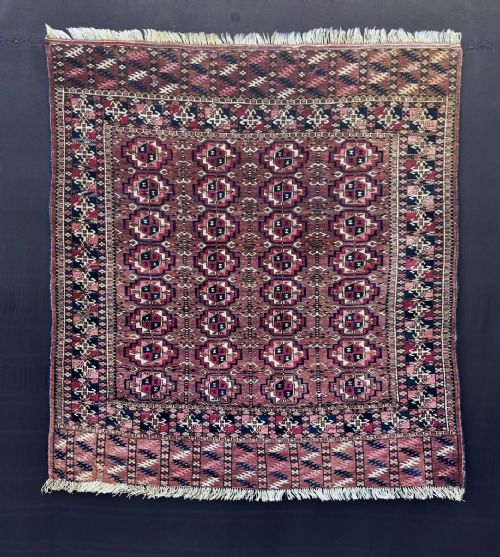
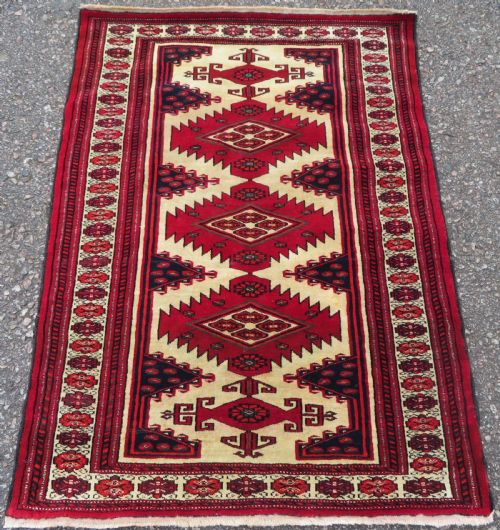
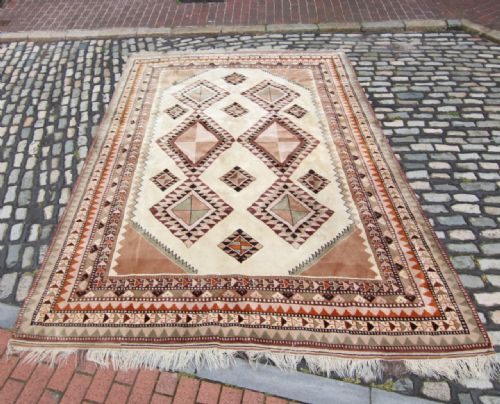
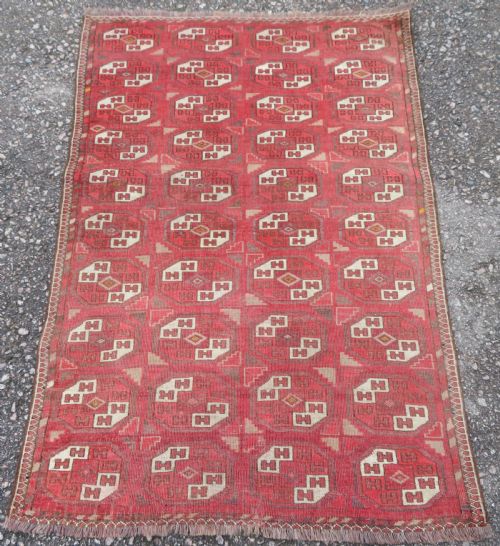
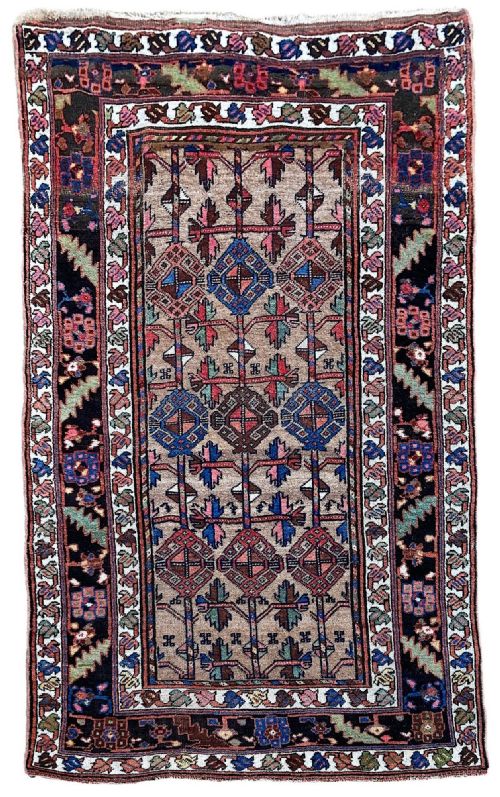
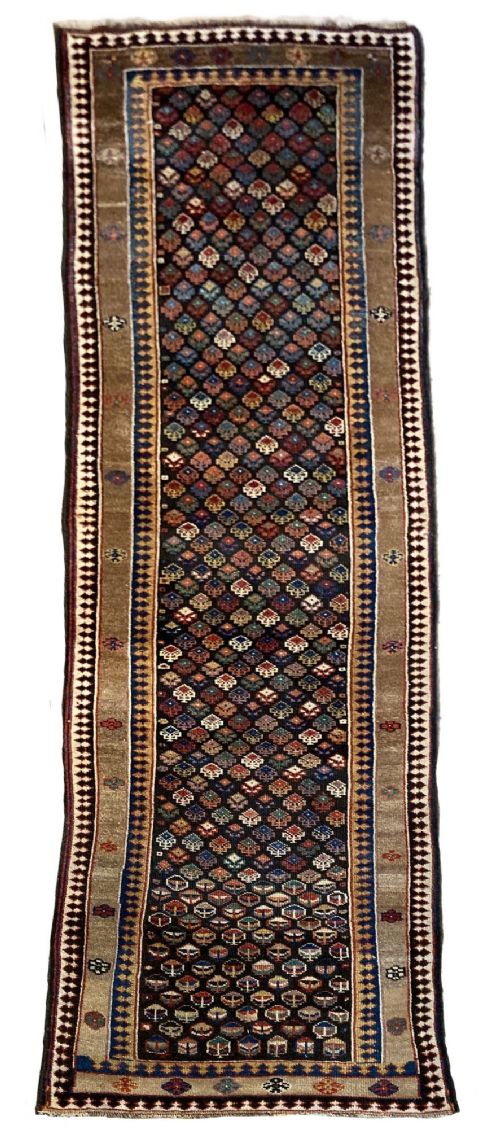
Geometric Patterned Wool Carpet
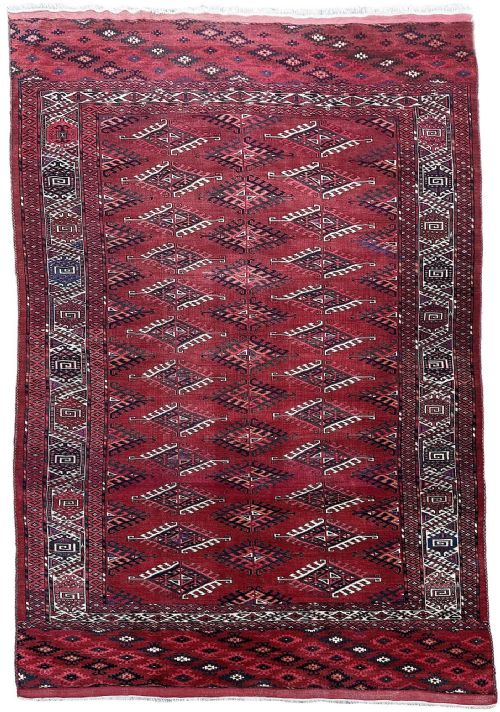
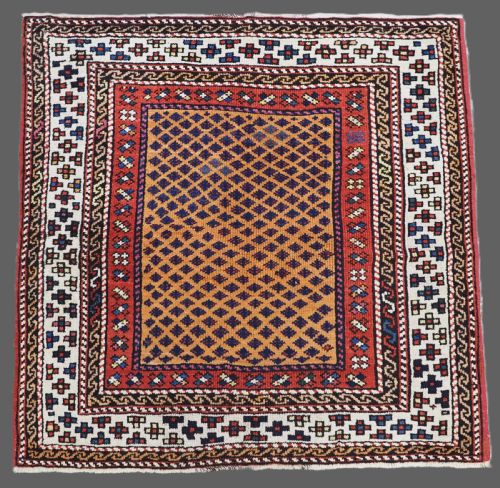
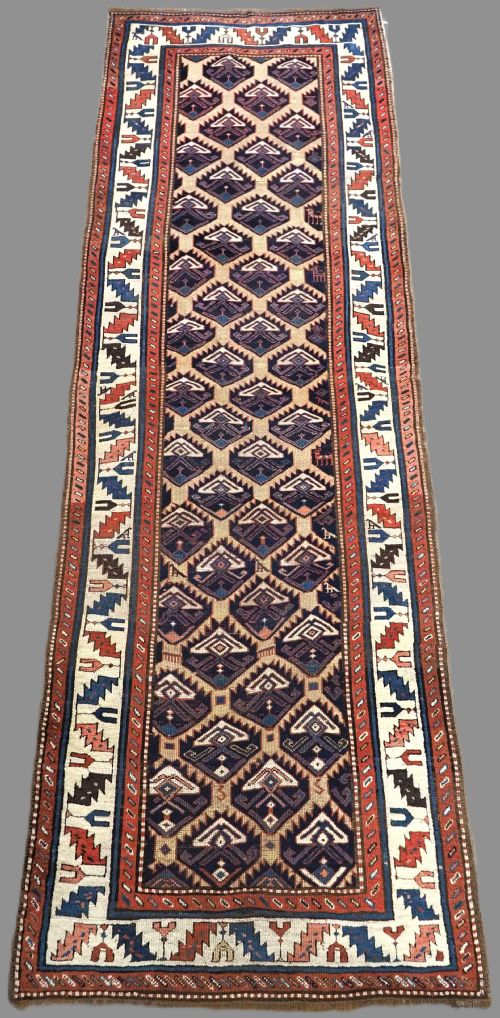
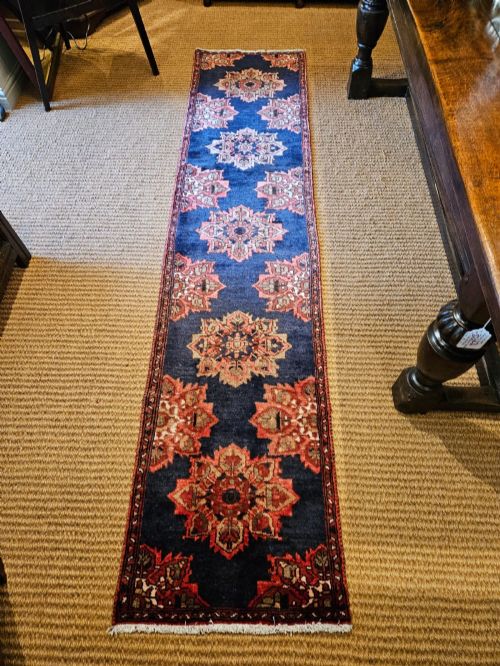
When you search for a geometric patterned wool carpet, you enter a world of tribal rugs and runners woven with traditional designs from the nineteenth and early twentieth centuries.
Geometric Patterned Wool Carpet
A geometric patterned wool carpet brings together floor coverings created by nomadic and village weavers across Central Asia, the Caucasus, and Persia. These textiles include large carpets, square formats, and long hallway runners designed to withstand daily use.
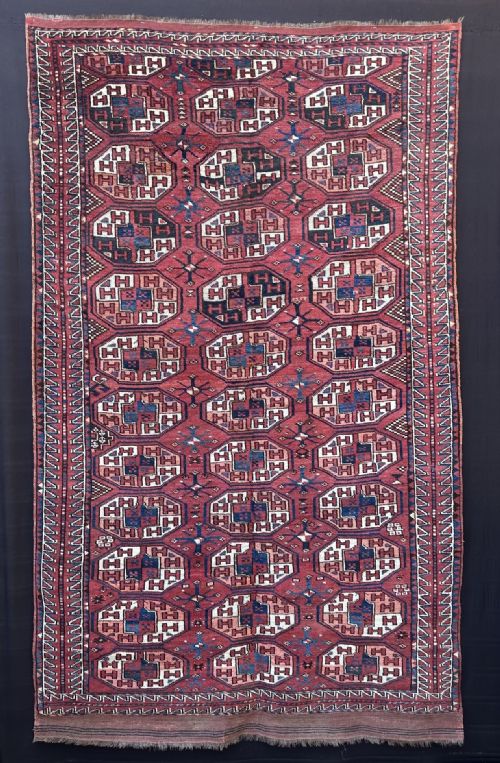
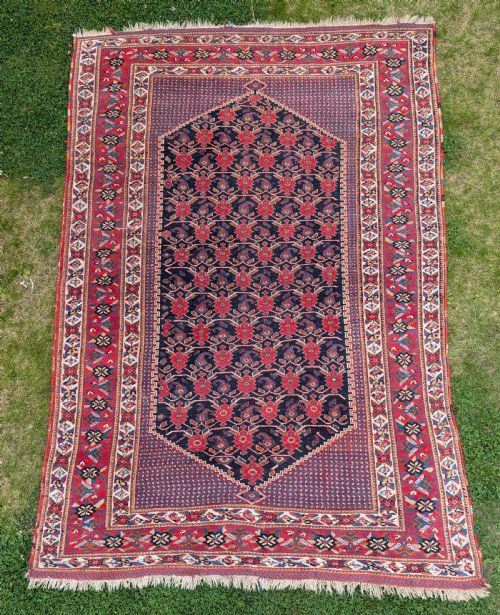
The selections most commonly met on this page date from the late nineteenth century through to the 1930s. They display repeating motifs such as lattices, guls, and tribal medallions worked into wool pile or flat weave structures.
How they were made
The foundation of these textiles relies on sturdy wool and cotton spun by hand. Weavers knotted the wool pile by hand or created flat weaves, utilising natural dyes to achieve deep navy blues, olive greens, and earthy tones.
Tribal workshops employed dense knotting techniques alongside durable warps and wefts to ensure the carpets endured harsh conditions. The structural integrity stems from traditional hand-weaving methods passed down through generations.
Listings feature pieces spanning from the 1850s to the 1930s, utilising hand-spun wool, cotton, and natural dyes.
What varies in quality
Quality depends upon the precision of the tribal weave and the depth of the natural dyes. Tightly knotted piles and well-balanced geometric compositions distinguish the finer examples from standard village work.
The handling of the wool also determines the grade of the piece, with hand-spun materials offering superior resilience and rich textural character. Integrity of structure across larger formats sets apart the most accomplished carpets.
The Geometric Patterned Wool Carpet Glossary
- Gul
- A repeating medallion or octagonal motif found frequently in Central Asian and Turkmen carpets. These primary design elements often carry tribal identification.
- Kelim
- A flat-woven carpet or rug produced without a pile. These pieces rely on interlocking weft threads to form sharp geometric patterns.
- Runner
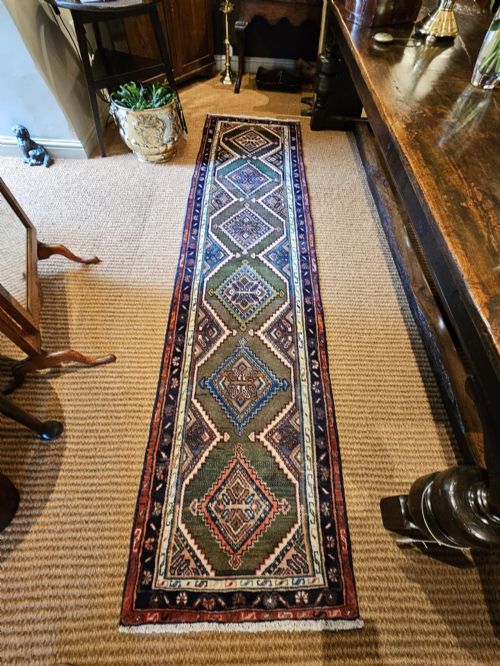
- A long, narrow carpet format traditionally utilised in hallways or corridors. Their proportions accommodate specific architectural spaces.
- Warp
- The vertical threads stretched tightly on the loom that form the structural foundation of the carpet. Weft threads pass horizontally through them to secure the knots.
Geometric Patterned Wool Carpet: Frequently Asked Questions
Where were these geometric carpets made?
The pieces originate primarily from tribal and village regions across Central Asia, the Caucasus, and Persia. Weavers in areas such as Turkmenistan, Azerbaijan, and Kurdistan produced these works using local materials and traditional designs.
Production methods varied by region, reflecting the distinct cultural heritage of groups including the Yomut, Ersari, Afshar, and Kurdish tribes. Each area contributed specific colour palettes and geometric motifs to the wider tradition.
How do I care for an antique wool carpet?
Regular, gentle vacuuming without a beater bar removes surface dirt and protects the wool pile. Professional cleaning suited to antique textiles preserves the natural dyes and fibres.
Keeping the carpet away from direct, harsh sunlight prevents fading of the natural tones. Using an appropriate underlay helps reduce friction and prevents slipping on hard floors.
What defines a tribal rug design?
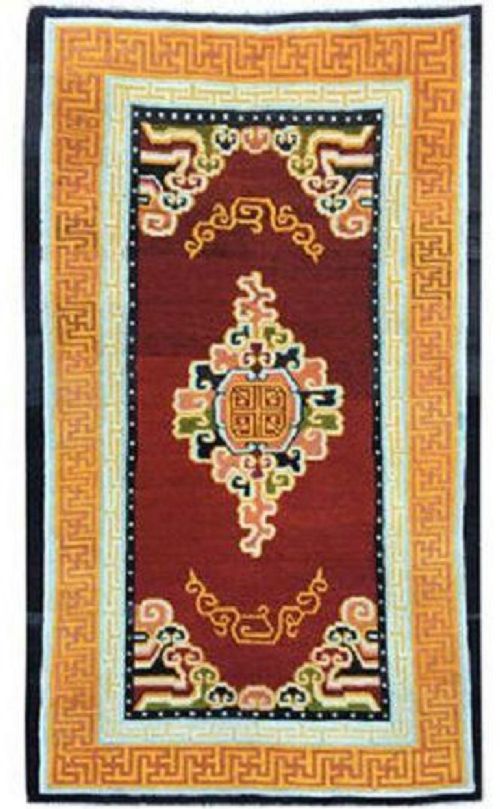
Tribal designs rely on geometric shapes, repeating lattices, stylised animals, and geometric medallions rather than curved floral patterns. These motifs often carry symbolic meaning or reflect the specific weaving traditions of nomadic groups.
Weavers worked from memory and community tradition, resulting in subtle asymmetries that reveal the handmade nature of the carpet. This distinguishes them from rigid, factory-produced floor coverings.
How are runners different from standard rugs?
Runners are significantly longer and narrower than standard area rugs, engineered specifically for hallways, staircases, and narrow passages. Their dimensions guide movement through a building while adding warmth to transitional spaces.
The geometric patterns on these formats often repeat along the linear axis to draw the eye down the length of the carpet.