
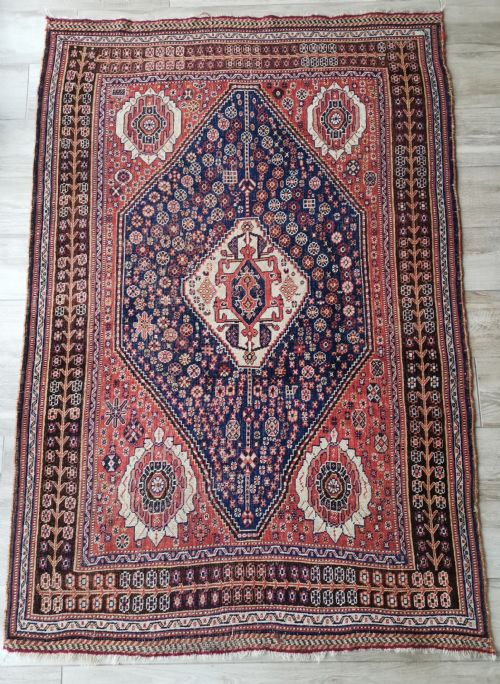
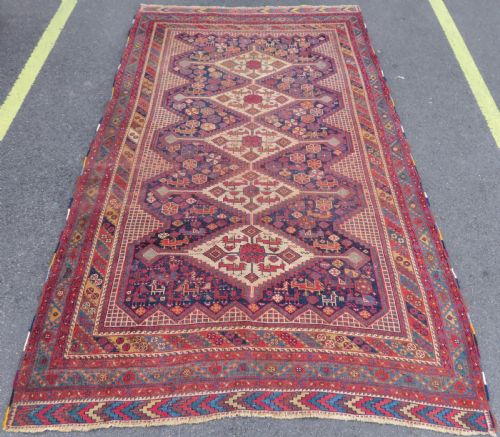
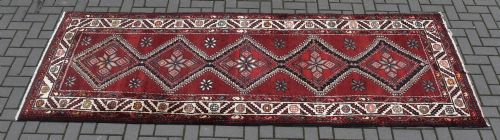


Tribal Diamond Medallion Rug
A tribal diamond medallion rug brings geometric structure and nomadic warmth into a room, forged from generations of village weaving traditions across Persia and the Caucasus.
Tribal Diamond Medallion Rug
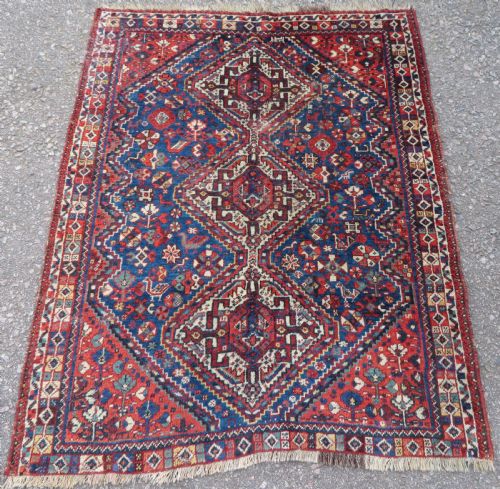
A tribal diamond medallion rug typically originates from regional weaving groups such as the Qashqai, Khamseh, Kurdish, and Caucasian workshops active from the late nineteenth century into the early twentieth century. These floor coverings combine central geometric motifs with field patterns rooted in village and nomadic life.
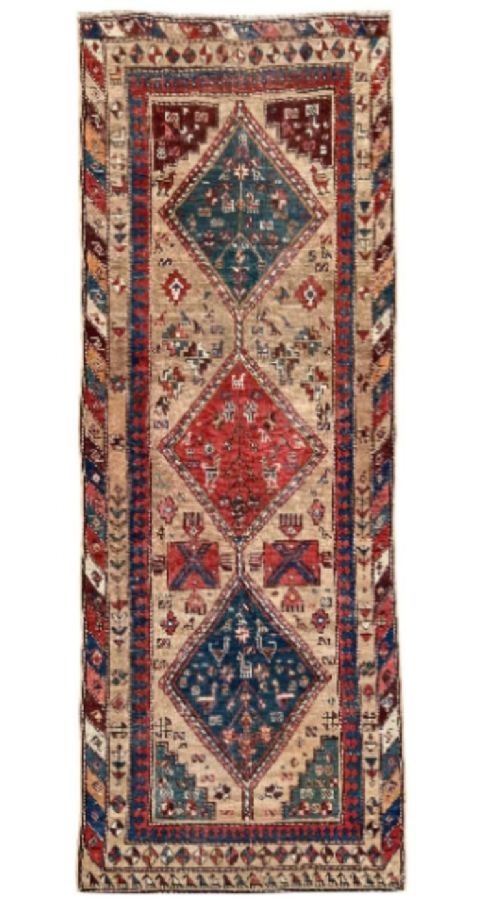
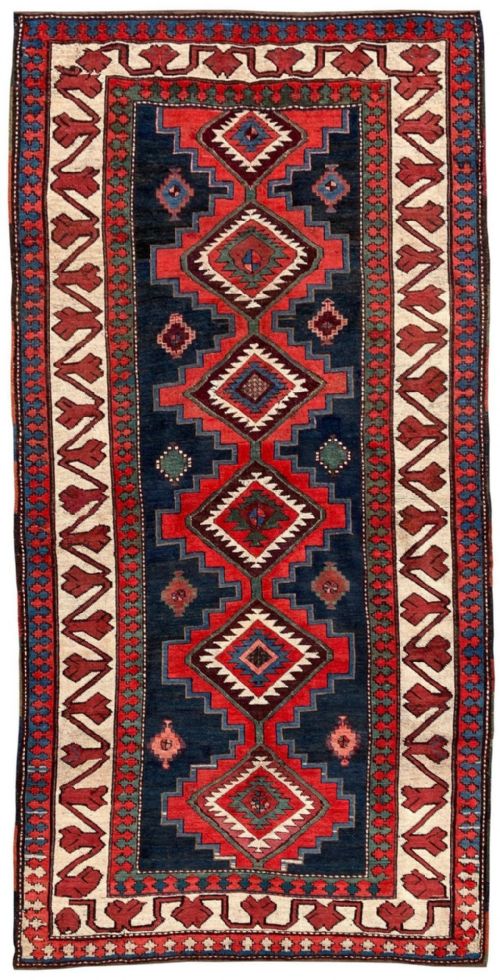
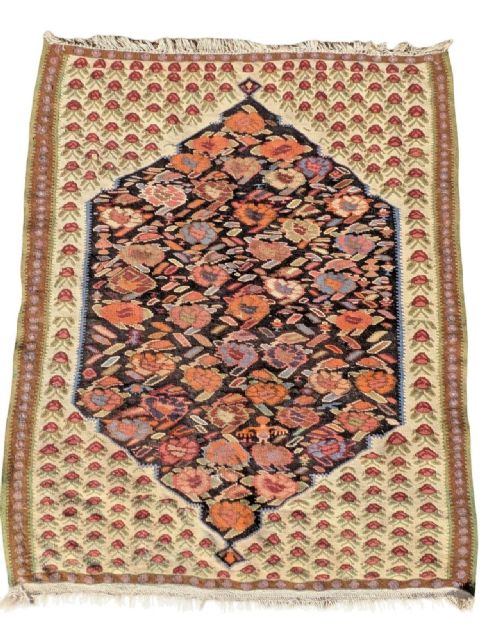
Buyers encounter formats ranging from smaller area rugs and square formats to longer hallway runners and room-size carpets. The stylistic vocabulary draws heavily on traditional Anatolian, Persian tribal, and Caucasian design influences.
The aesthetic centres on repeat patterns, animal figures, and prominent central medallions constructed through traditional knotting techniques. Each piece reflects the distinct visual lexicon of the tribe or region that produced it.
Materials and construction methods
The foundation and pile rely predominantly on wool and cotton, utilising hand-spun wool for the surface yarns to achieve a durable texture. Natural dyes provide the underlying palette, yielding earthy tones that soften gradually over decades of exposure and use.
Weavers construct these textiles on traditional upright or horizontal looms using hand-knotting methods. The density of the knotting and the quality of the spun wool determine the weight and drape of the finished carpet.
Listings feature items dated from the late nineteenth century through the 1940s, constructed primarily from hand-spun wool and cotton.
Factors influencing execution and depth
Quality rests upon the precision of the geometric layout and the saturation of the natural dyes used in the central medallion and field. Tightly packed knots and well-balanced proportions separate finer weaving from standard village production.
The clarity of the motifs, the handling of secondary borders, and the resilience of the hand-spun wool define the upper tier of these textiles. Consistency in the width of runners and symmetry in square formats indicate skilled execution.
The Tribal Diamond Medallion Rug Glossary
- Medallion
- A central ornamental motif, often diamond or hexagonal in shape, placed prominently in the field of the rug. It anchors the surrounding geometric design.
- Runner
- A long, narrow carpet format designed specifically for hallways, corridors, or narrow spaces. These pieces maintain an extended rectangular proportion.
- Natural Dyes
- Colorants extracted from plant, root, and insect sources prior to the widespread adoption of synthetic alternatives. They produce nuanced hues that age with subtle variation.
- Pile
- The upright yarn surface of the carpet formed by individual knots tied to the warp threads. Its depth and density affect the tactile feel of the textile.
- Warp
- The stationary lengthwise threads stretched tightly on the loom that carry the structural weight of the rug. The visible fringe at either end typically consists of these extended threads.
Tribal Diamond Medallion Rug: Frequently Asked Questions
How do I care for an old wool rug?
Vacuum gently using suction attachment without a rotating brush bar to protect the hand-spun wool pile. Lift and shake smaller formats outdoors rather than beating them.
Keep the textile away from prolonged direct sunlight to preserve natural dye integrity. Rotate the placement periodically to ensure even wear across high-traffic areas.
Where were these pieces made?
Production centres span the tribal territories and villages of southwest Persia, the Caucasus, and Anatolia. Nomadic and village weavers created these items using localized materials and traditional motifs.
Specific groups such as the Qashqai, Khamseh, and Kurdish tribes developed distinct regional styles recognizable in the border patterns and central medallions.
What is a runner format used for?
Runner formats function effectively in corridors, staircases, narrow entryways, and alongside beds. Their elongated proportions suit spaces where standard rectangular area rugs overwhelm the floor plan.
These narrow dimensions guide movement through a home while displaying repeating geometric medallions along the length.
How can I date a woven textile?
Dating relies on examining material composition, structural wear, dye types, and stylistic markers characteristic of specific decades. Pieces attributed to the nineteenth or early twentieth century exhibit hand-spun wool and natural colour palettes.
Structural irregularities and minor variations in symmetry often point toward traditional village or nomadic production methods rather than later factory output.