








Tribal Carpet Runner
A tribal carpet runner brings history directly to the floor, offering long formats woven by nomadic and village makers.
Tribal Carpet Runner
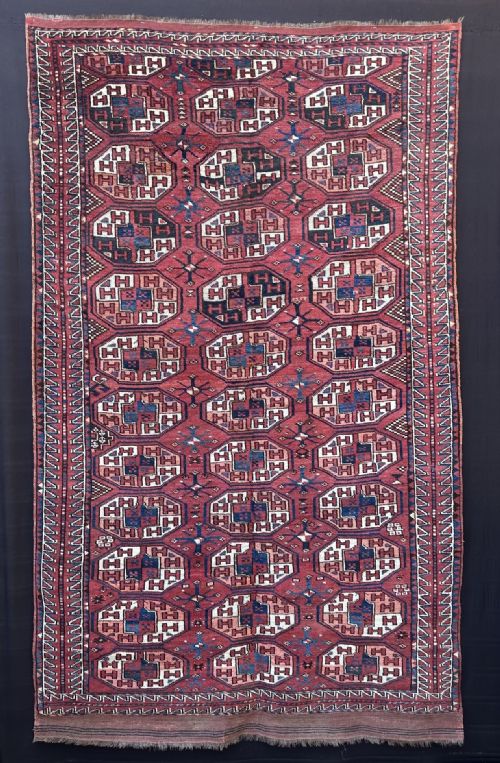
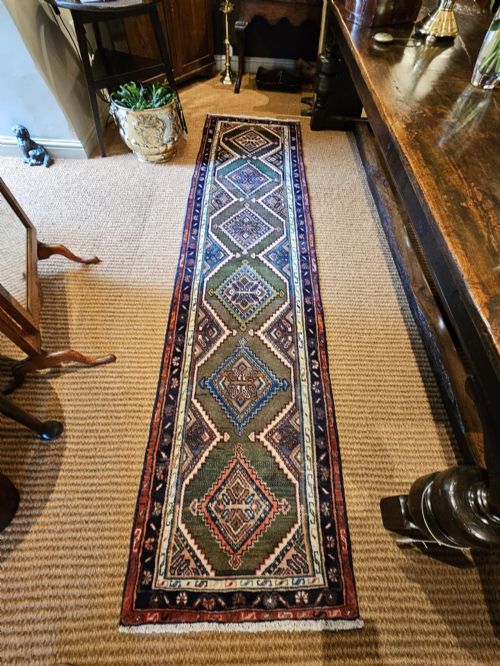
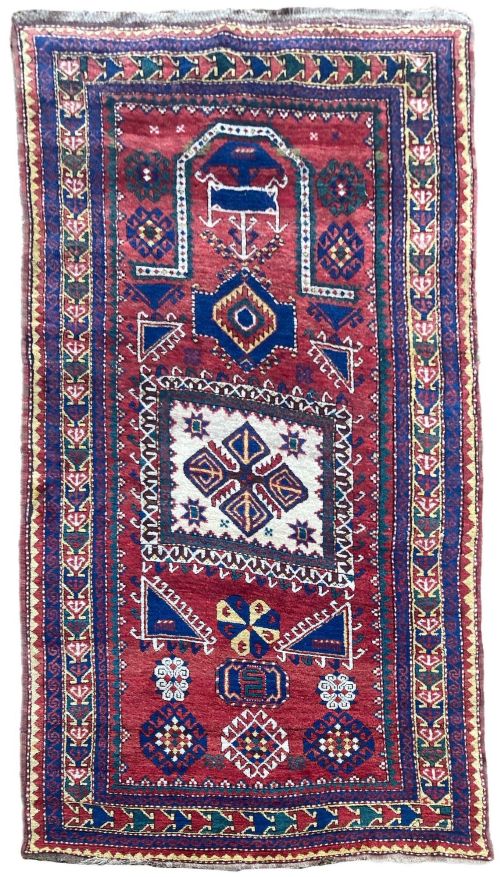
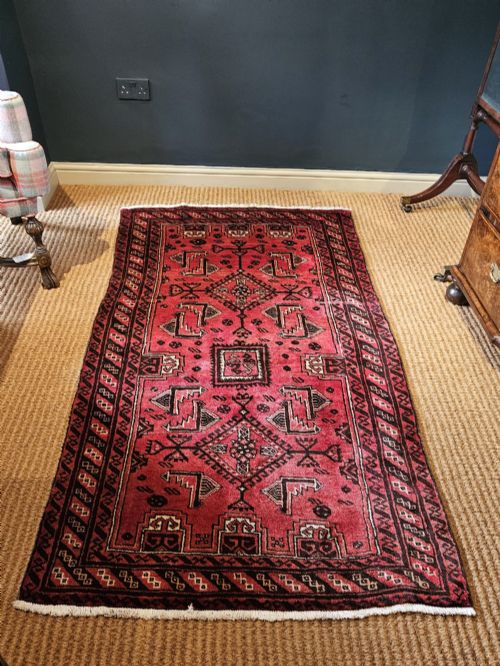
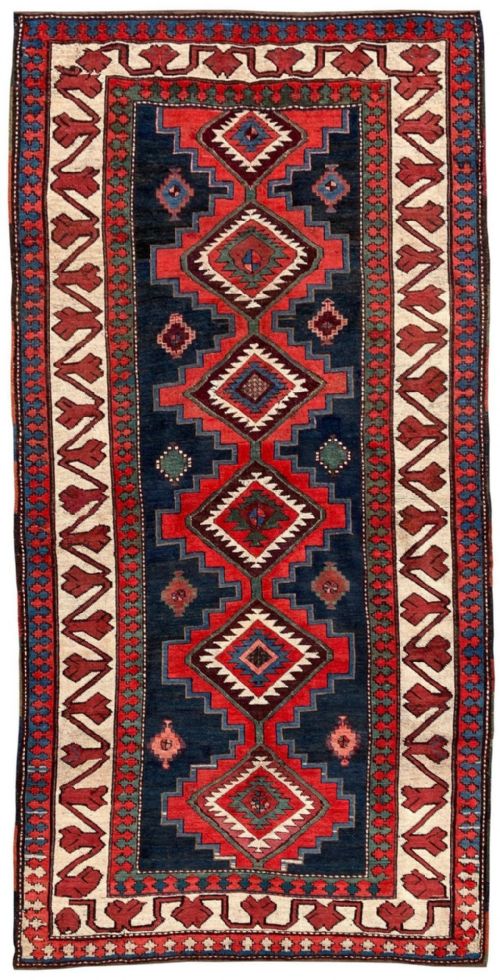
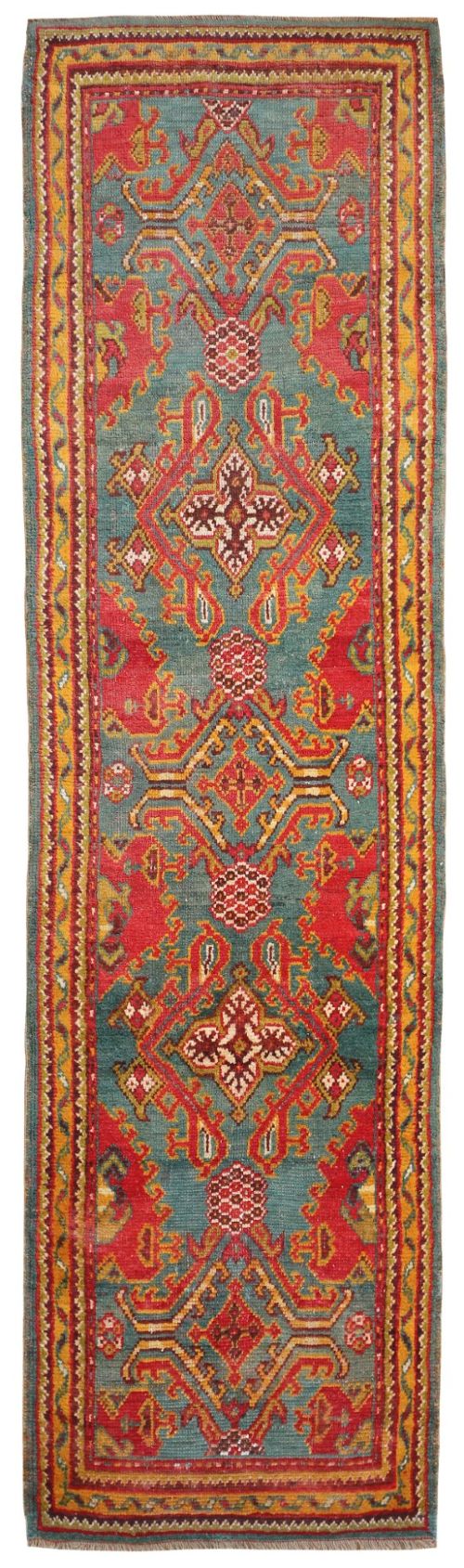
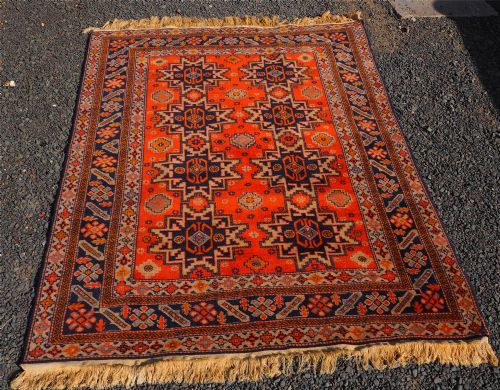
A tribal carpet runner is a narrow, elongated textile designed for corridors, hallways and long spaces, combining utility with distinct cultural patterns. When you search for a tribal carpet runner, you encounter pieces originating from Persia, the Caucasus, Anatolia, and Turkmenistan, spanning the nineteenth and early twentieth centuries.
The format serves to protect floors while displaying the geometric motifs, medallions and lattice designs characteristic of weavers from regions such as Kazak, Baluch, Heriz and Kurdish groups. These textiles reflect the specific traditions of their makers, often structured around repeated central fields suited to narrow architectural spaces.
Materials and construction
These textiles are constructed primarily from hand-spun wool and cotton foundation yarns, occasionally incorporating camel hair or alternative plant fibres such as cactus silk and sabra fibre. Natural dyeing methods yielded the deep reds, blues, greens and mellow tones visible across the pieces.
Weavers knotted the pile tightly onto warp and weft threads by hand, producing durable surfaces designed to withstand heavy foot traffic in domestic settings over generations.
Listings feature wool, cotton, and camel hair materials spanning the nineteenth and early twentieth centuries.
What distinguishes quality
Quality rests upon the fineness of the knot density, the precision of the geometric layout, and the integrity of the natural dyes used in the wool pile. Tighter knots allow for sharper definition in complex lattice designs and guls.
The handled weight of the textile, the resilience of the pile, and the survival of the original outer borders and selvedges indicate the primary skill of the original workshop or village weaver.
The Tribal Carpet Runner Glossary
- Runner
- A long, narrow carpet format intended for corridors and hallways. It is designed to fit restricted floor spaces while displaying continuous pattern repeats.
- Gul
- A medallion motif commonly found in Turkmen and Baluch weaving traditions. These octagonal or repeating shapes act as tribal identifiers.
- Warp
- The vertical foundation threads stretched lengthwise on a loom before weaving begins. Weft threads are passed across them to secure the knots.
- Mihrab
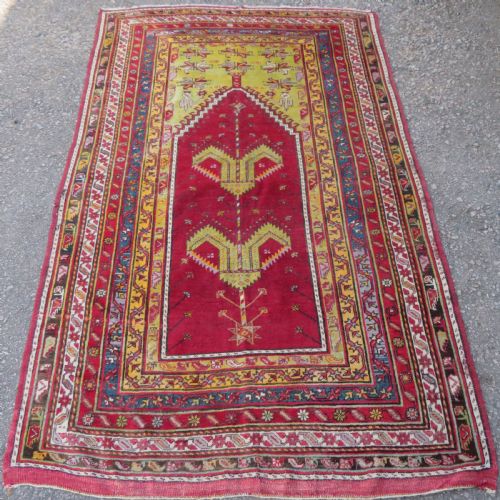
- An arch-shaped design element derived from Islamic architecture, frequently seen on prayer rugs. It directs the focus of the textile towards a specific orientation.
Tribal Carpet Runner: Frequently Asked Questions
Where should I place a runner?
These narrow textiles suit hallways, corridors and long entryways where floor protection and visual warmth are required.
They also function effectively in galley kitchens and beside beds, adding texture to high-traffic domestic zones.
How do I care for wool runners?
Regular gentle vacuuming without a rotating brush roll prevents dust accumulation within the wool pile.
Professional cleaning suited to antique textiles preserves the natural lanolin and dyed fibres over time.
Are these pieces from nomadic weavers?
Many examples originate from village and nomadic groups who produced textiles for daily domestic use and trade.
Their designs incorporate symbolic motifs passed down through generations within specific regional tribes.
How do I identify Caucasian designs?
Caucasian pieces display bold geometric medallions, sharp angles, and structured lattice work executed in saturated primary colours.
Stylised animal and plant motifs frequently appear within the borders of these regional rugs.