


Trefoil Side Table
These trefoil side tables offer three-lobed surfaces with distinct character, combining compact footprints with historic craftsmanship.
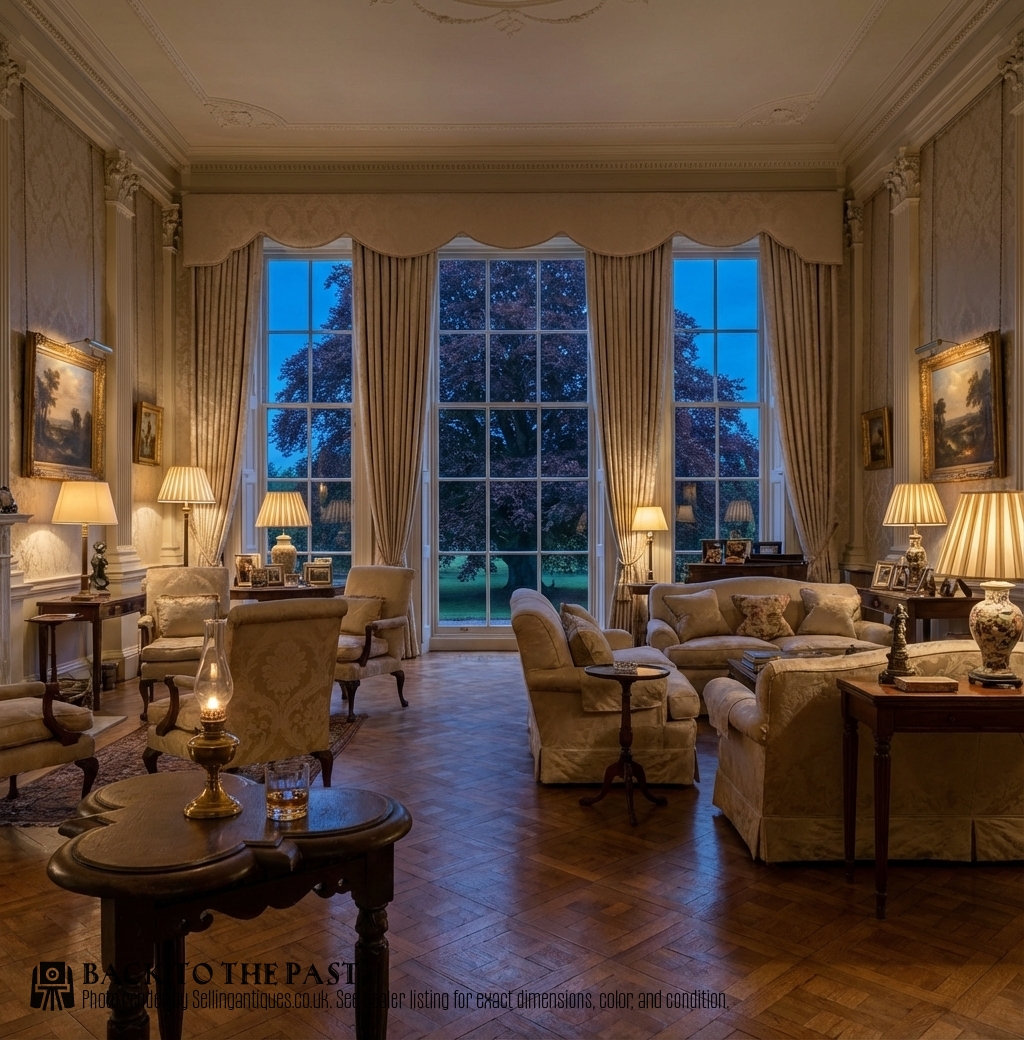
Trefoil Side Table
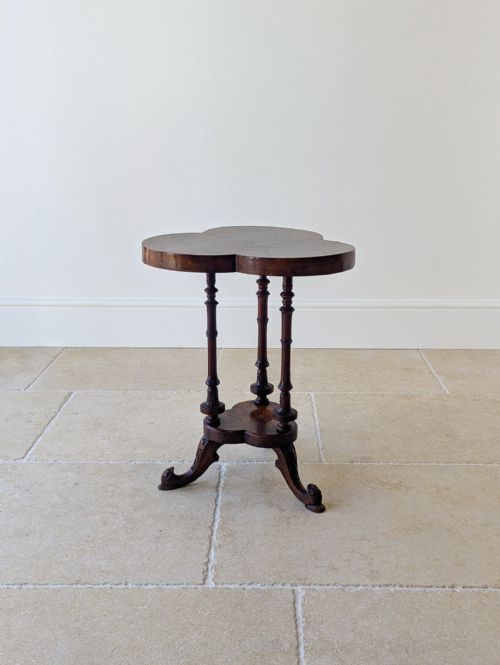
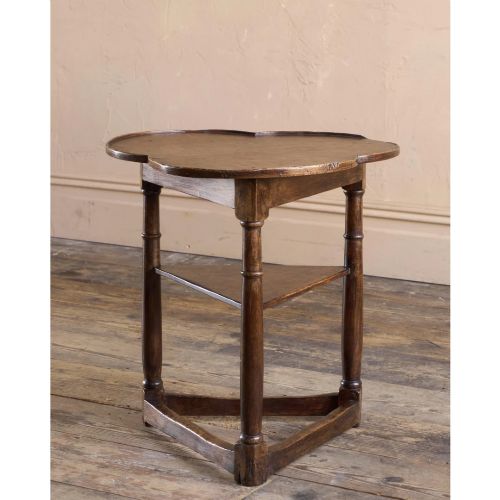
A trefoil side table brings a clover-leaf silhouette to domestic interiors, serving as an occasional surface for lamps, drinks, or plants. When searching for a trefoil side table, buyers encounter forms ranging from simple 18th century oak cricket tables to elaborate Victorian burr walnut occasional pieces.
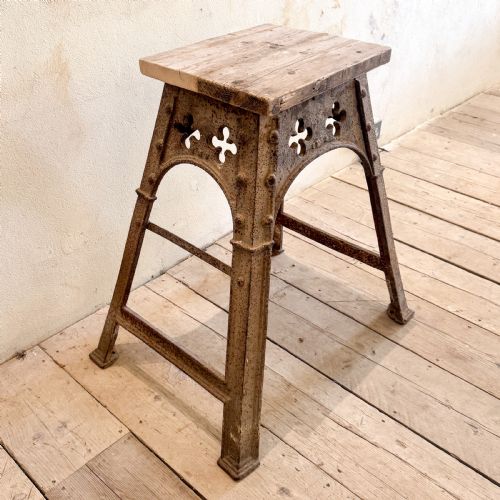
The selection on this page draws on diverse periods, stretching from the 18th century through the Victorian, Edwardian, and Arts & Crafts eras. Oak and mahogany dominate the timber selection, frequently accompanied by walnut and occasional industrial metal stands.
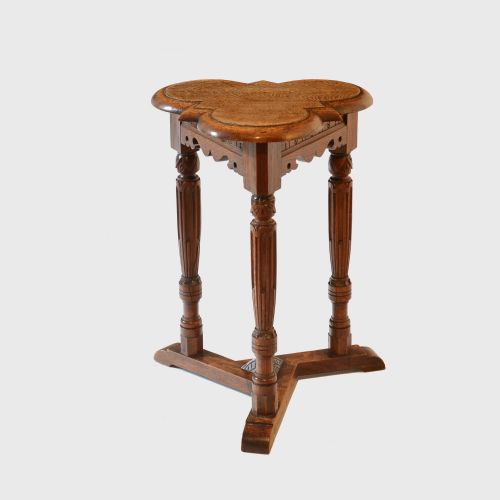
Gothic Revival and aesthetic influences frequently shape the decorative vocabulary of these pieces, often expressing themselves through carved foliage and trefoil cutouts. The three-lobed top remains the defining characteristic uniting these diverse stylistic interpretations.
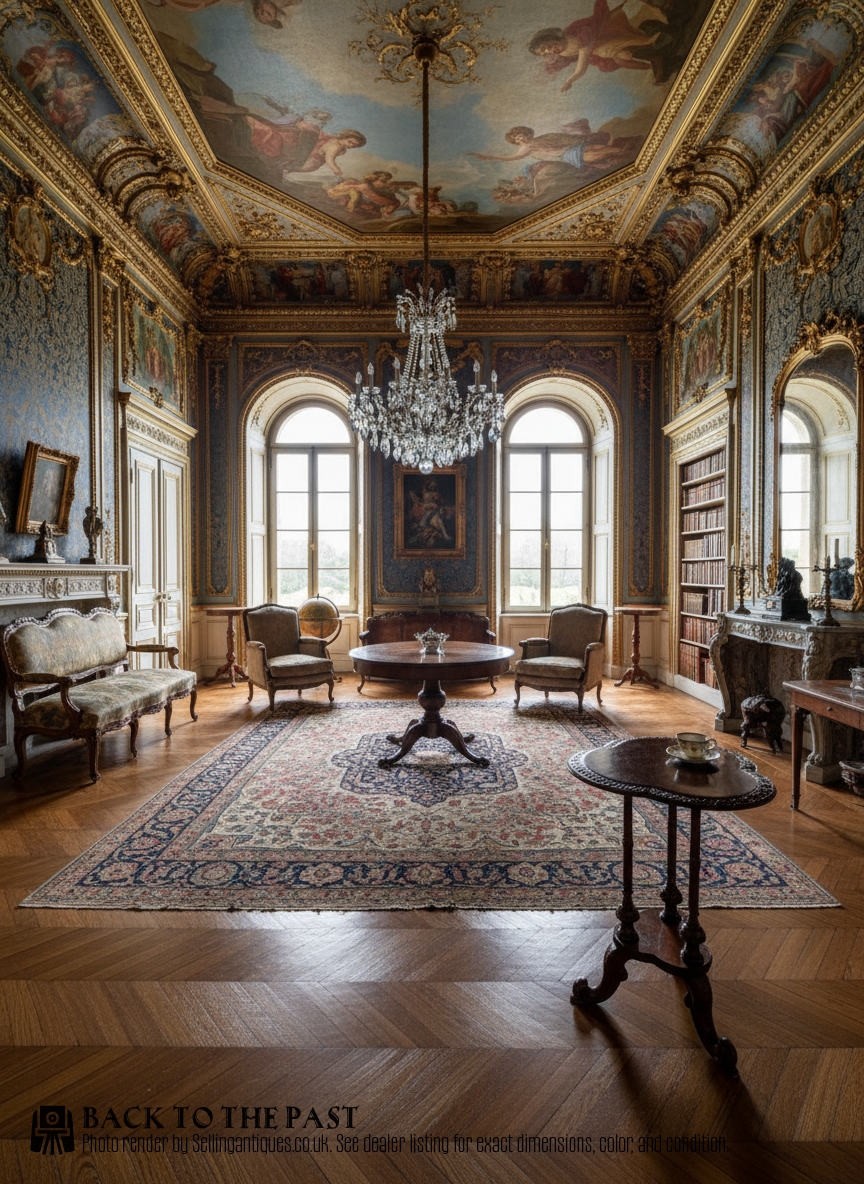
How they were made
Makers utilised solid oak and rich mahogany alongside burr walnut veneers to construct these tables, often relying on traditional joinery for stability. Timber selection dictated whether the piece received crisp Gothic carving or smooth, polished veneer finishes.
Structural variety appears through the integration of cast iron and brass elements, particularly in industrial or patent designs. These mixed-media pieces combined durable metal supports with timber tops to create robust everyday surfaces.
Listings feature oak, mahogany, and burr walnut across periods spanning the eighteenth century to the Edwardian era.
What varies in quality
Quality reveals itself in the handling of the timber and the crispness of any carved detailing, particularly around the three-lobed edges. Finer examples display carefully selected burr walnut veneers or deeply articulated Gothic carvings rather than plain, mechanical execution.
The integrity of the structural joints and the balance of the three-legged or pedestal supports dictate the durability of the table. Superior pieces maintain a harmonious proportion between the trefoil top and the supporting framework.
The Trefoil Side Table Glossary
- Trefoil
- A three-lobed decorative design resembling a clover leaf. This shape forms the primary tabletop silhouette for the pieces in this category.
- Burr walnut
- A prized timber veneer obtained from walnut tree growths containing knotty formations. It yields highly figured, swirling grain patterns on Victorian occasional tables.
- Gothic Revival
- An architectural and decorative style popular during the 19th century. It reinterprets medieval pointed arches, trefoils, and heavy timber construction.
- Occasional table
- A small table designed for intermittent use in a reception room or parlour. Examples include lamp tables, wine tables, and side pieces.
Trefoil Side Table: Frequently Asked Questions
Where did people use these tables?
These tables served as adaptable surfaces in Victorian and Edwardian parlours, drawing rooms, and hallways. Owners placed them beside seating to hold lamps, drinks, or small decorative objects.
Their compact footprint allowed them to fit into corners or tight spaces where larger furniture would not go.
How do I date an oak trefoil table?
Dating relies on examining the construction methods, timber preparation, and decorative motifs present on the frame. 18th century examples often display simple peg-joined cricket table construction.
Later 19th and early 20th century pieces incorporate Gothic Revival carving, machine-sawn timber elements, or Arts & Crafts simplicity.
What is the difference between occasional and side tables?
The terms largely overlap in antique furniture terminology, both referring to movable tables meant for general support duties. Occasional tables often imply a smaller, highly decorative piece meant to be moved around a room as needed.
Side tables frequently suggest a slightly more permanent position against a wall or beside a larger piece of furniture.
Are these tables sturdy enough for daily use?
Most surviving examples possess robust timber frames designed for practical domestic service. Three-legged designs naturally stabilize well on uneven historic floorboards.
Careful consideration of the joint stability and weight distribution ensures safe everyday placement for modern lamps or decorative items.