
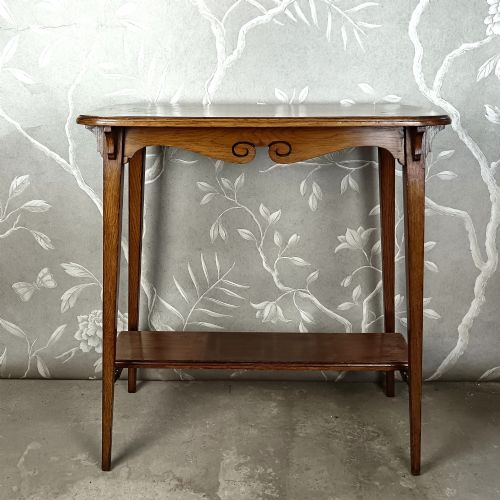


Vintage Telephone Table
These vintage telephone table forms offer compact utility and period character for modern interiors.
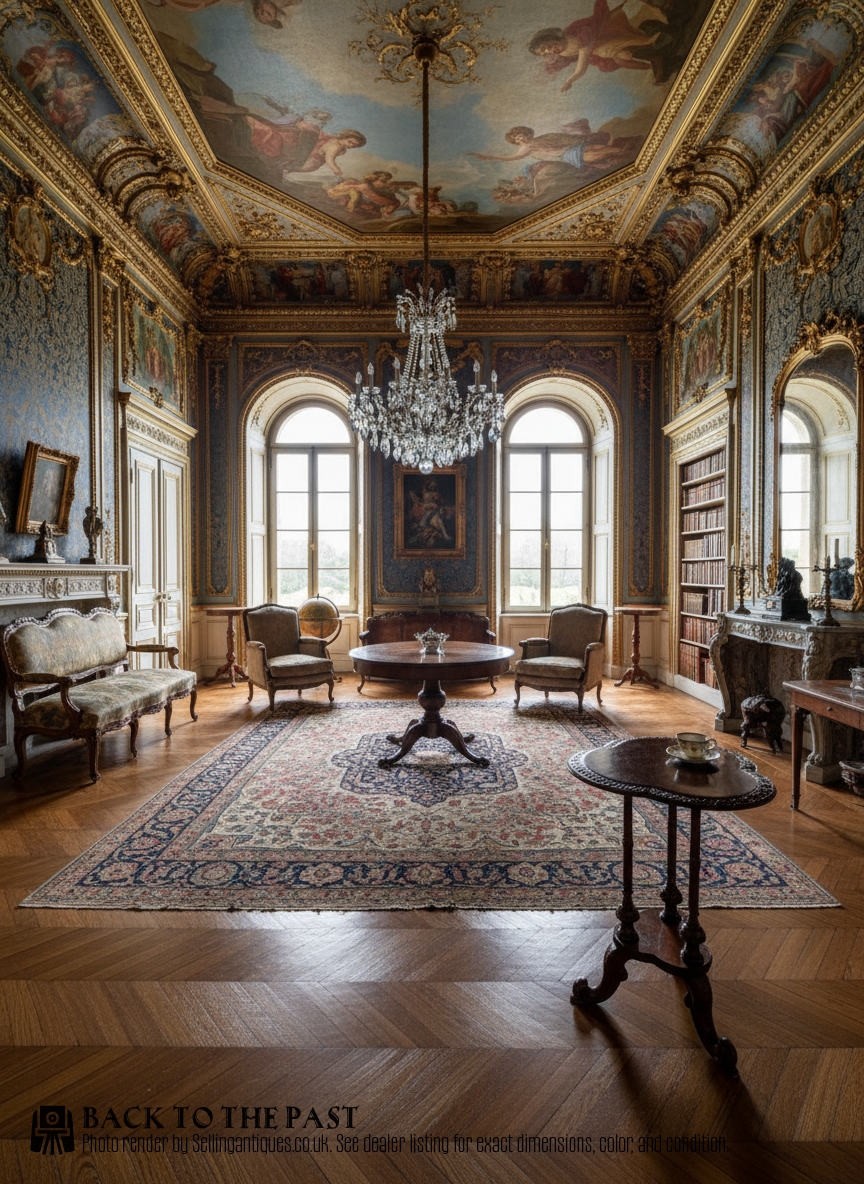
Vintage Telephone Table
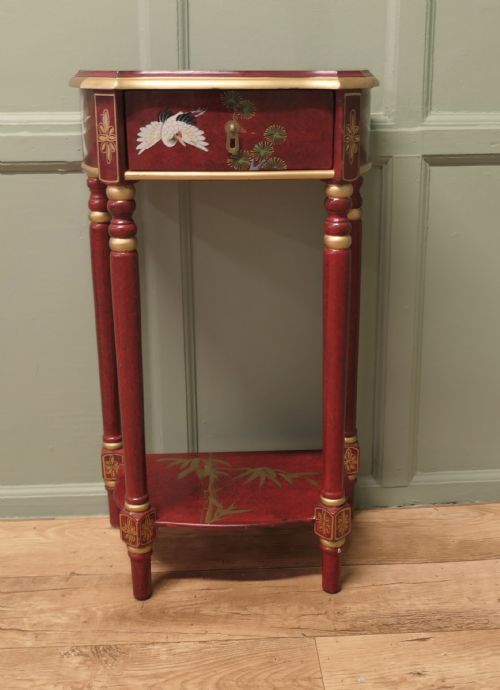
A vintage telephone table provides a dedicated surface and structural support for communication devices alongside related storage compartments. When you search for a vintage telephone table, you encounter diverse small tables and cabinets adapted for domestic use across several decades. The selections on this page span the Edwardian era, the nineteen-twenties, and the nineteen-thirties with various stylistic influences.
Most examples appearing here take the form of compact side tables, occasional tables, or small side cabinets constructed from sturdy timbers. You also find specialised pieces like tambour front stands and metal telephones originating from the early twentieth century. These configurations reflect how furniture makers accommodated the arrival of household telecommunications.
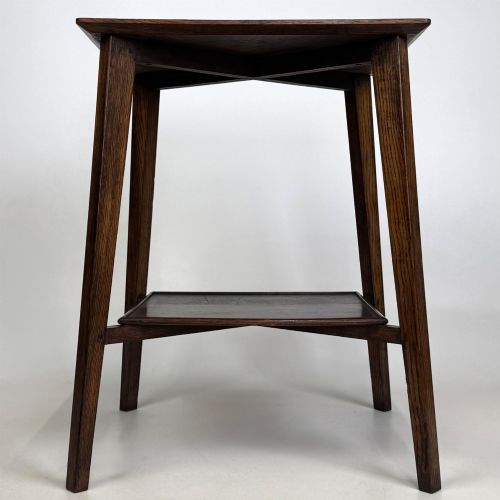
The aesthetic range draws on traditional periods and revival styles including Jacobean Revival, Arts and Crafts, and Art Deco Modernist. English Country House and French Provincial designs also feature among the available wood and metal forms. Each variation offers a distinct footprint suitable for hallways, living spaces, or bedrooms.
How they were made
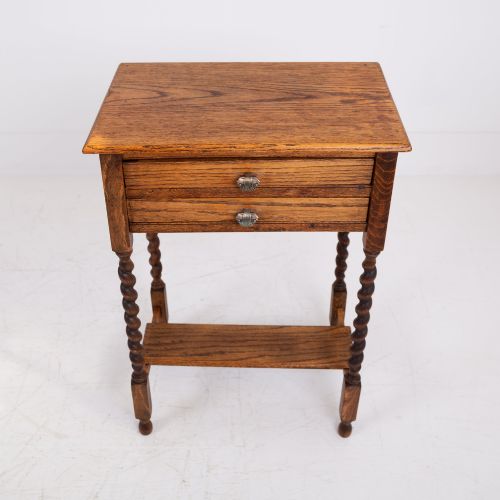
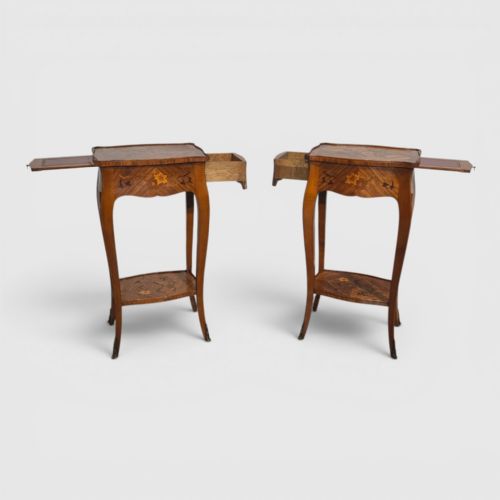
Cabinet makers and manufacturers utilised solid timbers and veneers such as oak, walnut, mahogany, fruitwood, and satinwood. Many pieces incorporate turned wooden supports like barley twist legs alongside carved details or inlaid decorative elements. Marquetry work appears on select French lamp tables to create patterned wooden surfaces.
Metal and brass components provide structural reinforcement and functional hardware across various industrial and period designs. Tambour fronts utilise narrow wooden slats to create flexible sliding doors on walnut stands. These traditional joinery and construction methods ensure lasting durability for daily domestic tasks.
An early Swedish metal telephone stands ready to make the call from a bygone era.
What varies in quality
The selection of timber grade and decorative execution distinguishes standard pieces from finer examples. Superior specimens feature carefully matched veneers, intricate hand carving, or detailed marquetry inlay rather than plain surfaces. The integration of specialised hardware, such as brass fittings and smoothly operating tambour mechanisms, elevates the construction standard.
Stylistic coherence and period integrity also determine the distinction between basic utility items and more ambitious designs. Pieces displaying cohesive Arts and Crafts or Art Deco Modernist traits exhibit thoughtful proportion and balanced form. The choice between solid oak and secondary woods reflects the original manufacturing ambition of each workshop.
The Vintage Telephone Table Glossary
- Barley twist
- A type of turning shaped like a spiral rope, frequently found on the legs of early twentieth-century oak tables. This decorative woodwork technique adds texture and visual movement to supporting structures.
- Tambour
- A flexible shutter or door constructed from narrow strips of wood glued to a fabric backing. It allows sliding access to enclosed compartments on curved cabinet fronts.
- Marquetry
- The art of applying pieces of veneer to a structure to form decorative patterns or pictures. French tables often showcase this technique using various exotic and domestic woods.
- Occasional table
- A small, light table designed for versatile placement and intermittent use around a room. These pieces function easily as lamp stands or small side surfaces.
Vintage Telephone Table: Frequently Asked Questions
Where should I place a vintage telephone table?
These compact forms suit hallways, narrow landings, or small sitting room corners where larger furniture does not fit. Their modest surface area accommodates small decorative items, lamps, or communication devices.
The varied periods and timber tones allow them to sit comfortably alongside existing modern or traditional interior schemes without dominating the room.
What materials are most common?
Oak and mahogany appear frequently across the available inventory, supplemented by walnut, fruitwood, and satinwood veneers. Brass and metal elements also feature in specific industrial and period items.
Selecting a timber tone depends on whether you prefer the dark grain of walnut or the lighter presence of polished oak.
Are these tables suitable for modern phones?
The flat surfaces of these small tables provide adequate space for contemporary desk phones, mobile charging stations, or small lamps. Their original purpose as telephone stands translates directly to modern living requirements.
Drawer and cabinet space on specific models also offers convenient storage for small household accessories.