
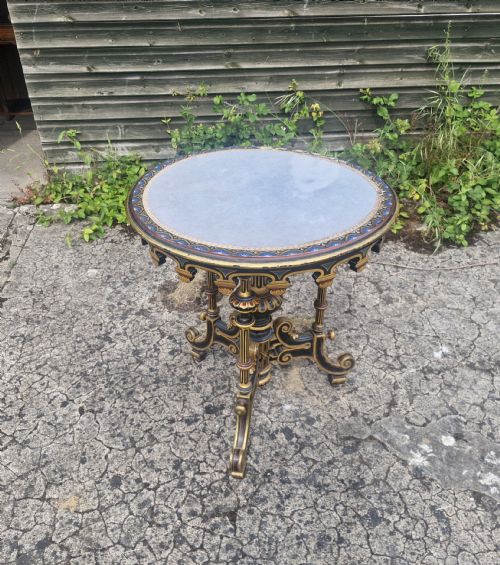


Gothic Wine Table
A gothic wine table brings heavy timber, dark carved detail, and nineteenth-century presence straight into a modern room.
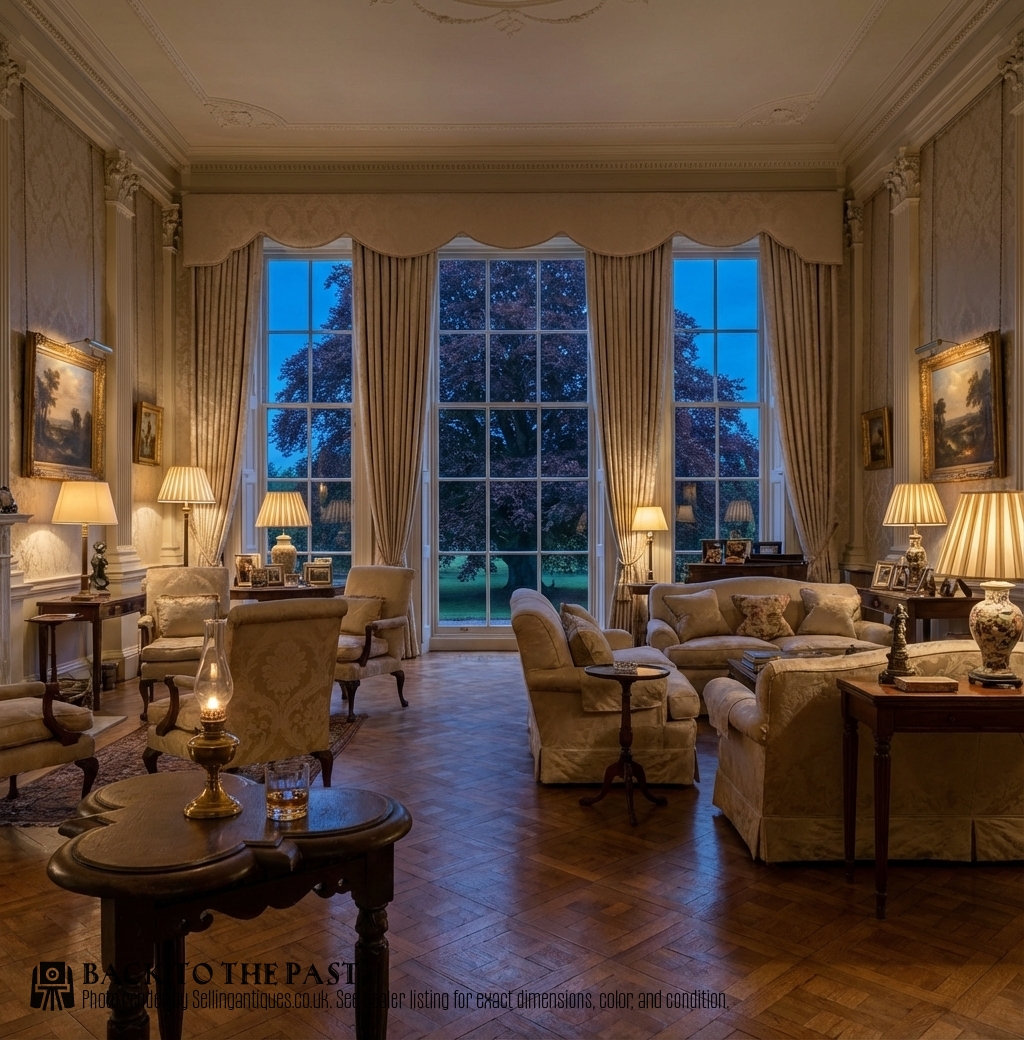
Gothic Wine Table
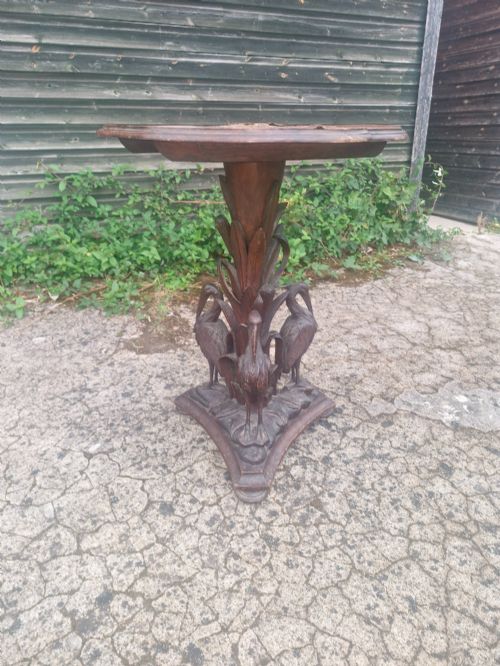
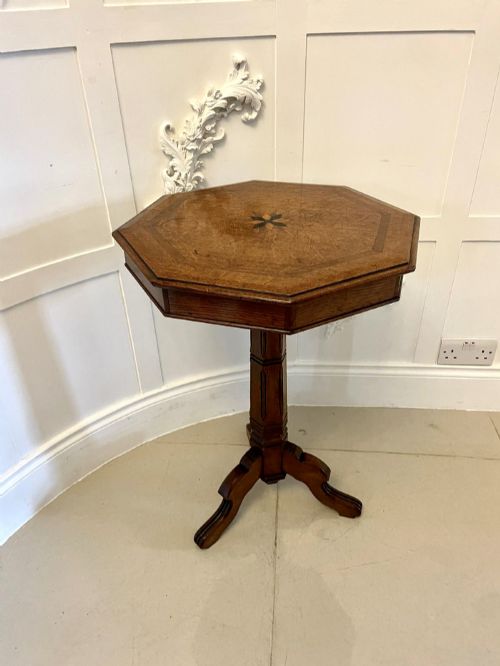
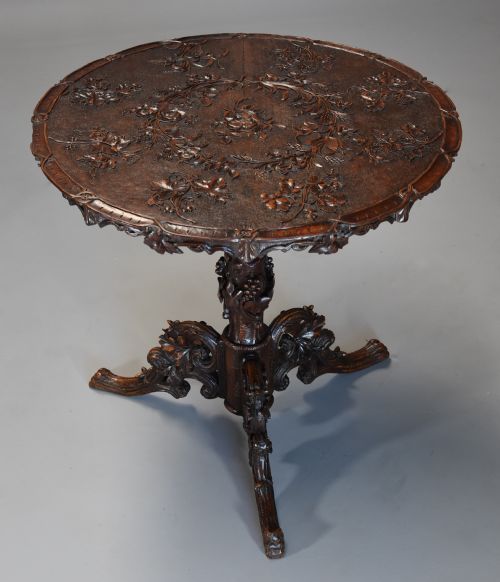
A gothic wine table combines nineteenth-century revival styling with compact occasional furniture, taking the form of tripod side tables, low wine tables, and octagonal centre pieces. These items draw on medieval architectural motifs, featuring cloverleaf tops, zodiac carvings, and pointed arches executed in sturdy woods.
The pieces seen here range from French chateau examples to English oak designs, spanning the Victorian era and the later nineteenth century. Buyers encounter occasional tables alongside champagne or wine coolers, all sharing the distinct ecclesiastical or medieval influence characteristic of the revival.
Most examples rely on oak, mahogany, or linden wood, often finished with detailed hand carving that defines the aesthetic. The scale remains intimate, designed to hold drinks or small decorative objects while anchoring a corner or seating area with architectural weight.
Materials and construction
Makers utilised solid timbers such as oak and mahogany for structural stability, alongside linden wood for intricate relief work. These woods were turned for tripod bases or joined for panelled tops, providing the necessary density to support deep chisel work.
Carving serves as the primary decorative technique, with workshops employing gouges and chisels to render linenfold panels, clover leaf shapes, and gothic tracery directly into the solid wood. Surface treatments varied from natural waxed finishes to painted and decorated surfaces, depending on regional workshop traditions.
Assessing quality and execution
Depth and crispness of the timber carving separate standard production from superior examples. Master carvers achieved sharp undercut details and balanced proportions that maintain structural harmony despite heavy ornamentation.
Selection of the timber grain dictates the visual richness of the finished piece. Well-figured oak and rich mahogany display natural depth that enhances the carved motifs without relying on excessive surface additions.
The Gothic Wine Table Glossary
- Gothic Revival
- An architectural and decorative style drawing inspiration from medieval design, featuring pointed arches, tracery, and heavy carved woodwork. This movement dominated nineteenth-century furniture production.
- Tripod Table
- A small table supported by three legs radiating from a central pillar. This form provides stable placement on uneven floors.
- Linden Wood
- A pale, fine-grained timber favored by carvers for its uniform density. It allows for intricate, splinter-free detail work.
- Centre Table
- A piece designed to stand free in a room rather than against a wall, finished with detail on all sides. These tables often anchor a seating group.
Gothic Wine Table: Frequently Asked Questions
What is a gothic wine table used for?
These pieces serve as occasional furniture for holding drinks, glasses, or small decorative items within a room. Their compact footprints allow them to fit easily beside armchairs or in reception spaces.
Historically, specific forms functioned as wine or champagne coolers, incorporating spaces for bottles alongside sturdy timber surfaces designed to withstand moisture.
How do I date a nineteenth century table?
Dating relies on identifying timber preparation marks, joint construction methods, and stylistic indicators specific to the Victorian period. The presence of hand-cut joints often points to earlier nineteenth-century production.
Comparative analysis of carved motifs, such as the transition from early Victorian classical influences to later high Gothic Revival styles, helps narrow the decade of manufacture.
Where should I place an oak table?
An oak table suits living rooms, libraries, or studies where heavy timbers and dark finishes complement traditional or eclectic interiors. Placing the piece away from direct heat sources protects the timber from splitting.
Because many examples function as centre tables or tripod side tables, they work effectively as standalone accent pieces rather than pushed flat against walls.
How do I care for carved wood?
Maintenance involves applying microcrystalline wax periodically to nourish the timber and protect the hand-carved surfaces from dust accumulation. Avoid using harsh chemical sprays that strip historic finishes.
Maintaining stable room humidity prevents the solid oak or linden wood from expanding or contracting excessively, which preserves the structural integrity of the joints.