




Tray Top Desk
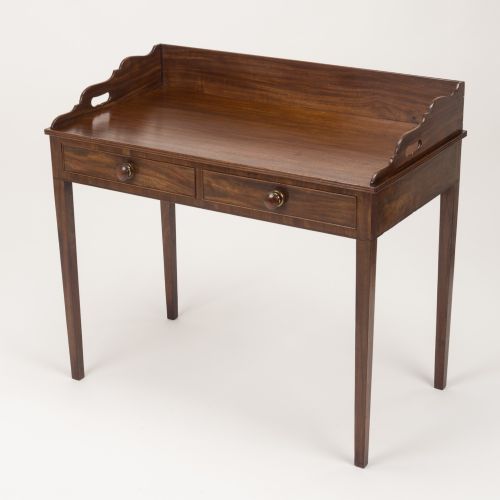
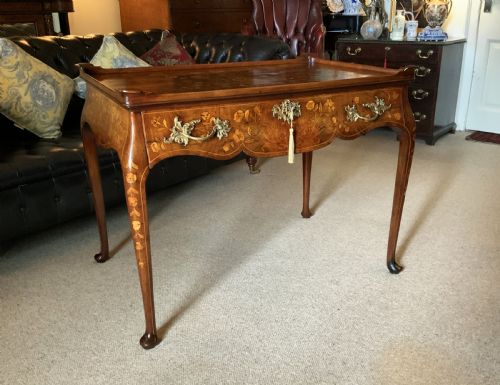
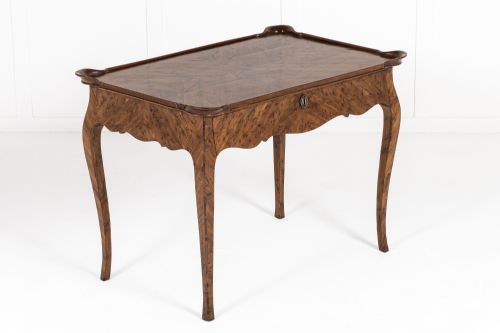
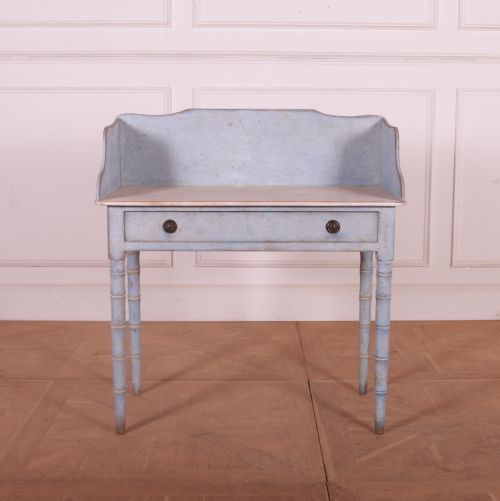
These tray top desk pieces offer practical writing surfaces bordered by raised ledges, combining period craftsmanship with everyday utility.
Tray Top Desk
A tray top desk brings together functional writing surfaces and raised edges designed to secure papers and small writing implements. When you explore this selection, you encounter forms ranging from compact side tables and occasional tables to dedicated writing desks and inkstands.
The pieces span several historical periods, most notably the Georgian, Regency, and Edwardian eras, alongside pieces from the eighteenth and nineteenth centuries. Alongside standard desks, the inventory encompasses related desk accessories such as inkwells and filing trays in varied timber and metal constructions.
Materials and construction
Makers utilised dense hardwoods such as mahogany and walnut for the primary structure of these tables and desks, often employing fruitwood and oak for secondary elements. The raised tray edges required careful joinery to attach securely to the main writing surface without compromising stability.
Metal components appear frequently in the form of brass inlays, bronze mounts, and cast iron mechanisms on adjustable pieces. Glass bottles and sterling silver fittings complete the construction of the smaller inkstands and desk accessories found across the inventory.
One unexpected item is an adjustable cast iron bed table designed specifically as a Victorian mobility aid.
Distinctions in quality
Quality in a tray top desk rests on the crispness of the timber grain, the integration of the raised border, and the restraint of decorative additions like marquetry or brass inlay. Superior examples display harmonious proportions where the depth of the tray edge complements the scale of the writing surface.
The treatment of secondary materials also separates finer items from standard utility pieces. Well-cast bronze mounts, hallmarked silver components, and properly fitted drawers indicate higher standards of workshop production during the eighteenth and nineteenth centuries.
Lefebvre of Belgium
The Tray Top Desk Glossary
- Tray top
- A furniture top featuring a raised moulded edge designed to prevent items from rolling off. This practical feature appears on side tables, occasional tables, and writing desks.
- Marquetry
- The art of applying decorative pieces of veneer to a structure to form intricate patterns or pictorial designs. Eighteenth-century Dutch examples frequently employ this technique.
- Inkstand
- A portable tray or stand fitted to hold inkwells, sanders, and pen holders. These accessories sit upon desks to organise writing equipment.
- Regency
- An English design period spanning the early nineteenth century defined by classical restraint and neoclassical motifs. Pieces from this era often incorporate brass inlay and dark mahogany.
Tray Top Desk: Frequently Asked Questions
What is a tray top desk?
A tray top desk is a piece of furniture featuring a flat writing surface enclosed by a raised wooden or metal rim. This edge keeps pens, paper, and inkwells secure while working.
Such pieces range from compact side tables to full writing desks produced across the Georgian and Victorian periods.
How do I date an antique desk?
Dating relies on examining the timber species, construction methods, and stylistic details present in the piece. Georgian and Regency examples often feature solid mahogany with hand-cut dovetails.
Later Edwardian versions may show different secondary woods and machine-finished components that help establish their period of origin.
Where were these pieces used?
These items served primarily in domestic studies, libraries, and bedrooms for correspondence and personal administration. Smaller versions sat atop larger furniture to hold writing instruments.
Portable inkstands and filing trays allowed users to carry necessary writing materials between rooms easily.
What materials are most common?
Mahogany and walnut form the basis of the majority of wooden tables and desks in this category. Oak and fruitwood also appear frequently in regional and country pieces.
Metal elements such as brass, bronze, and sterling silver are common in the hardware, handles, and accompanying inkwells.