




Traditional Woven Rush Chairs
Traditional woven rush chairs bring genuine vernacular character into a room, offering tactile seating rooted in centuries of country craftsmanship.
Traditional Woven Rush Chairs
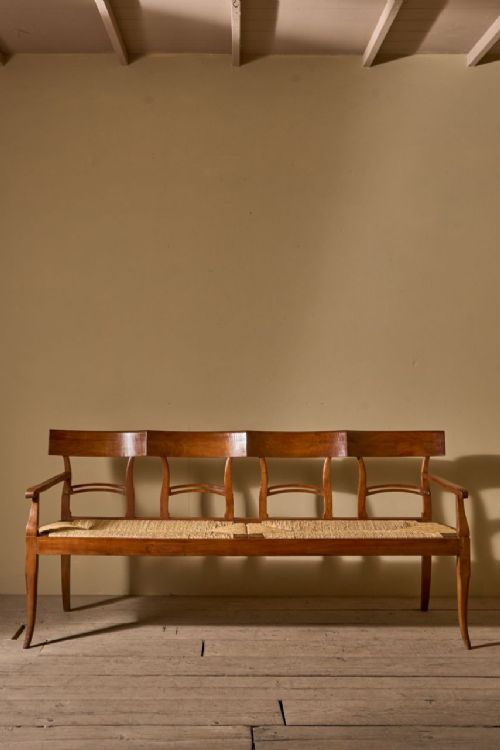
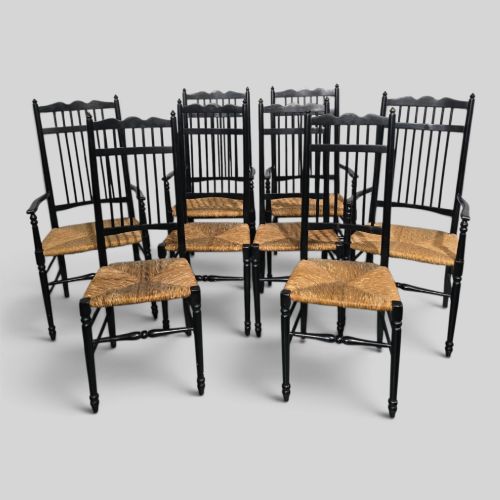
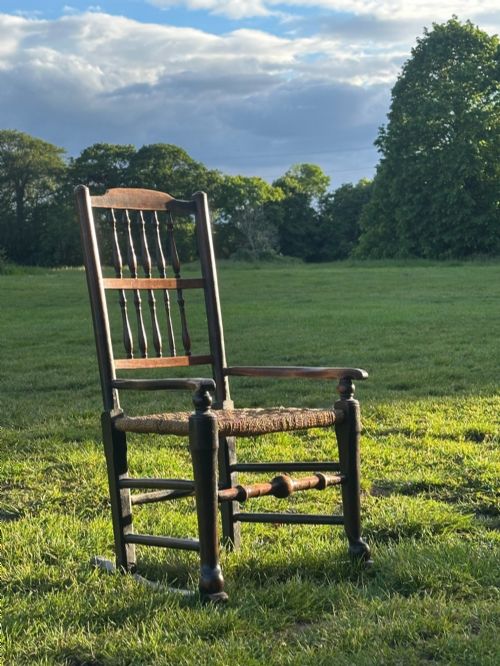
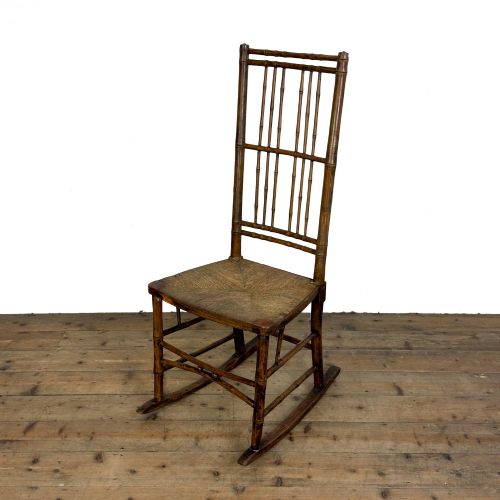
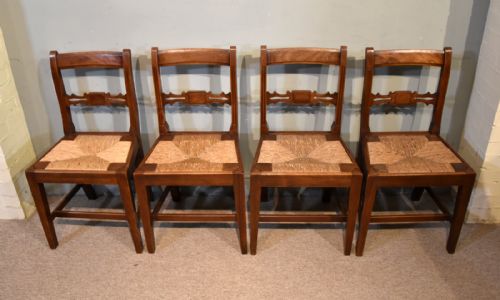
Traditional woven rush chairs span centuries of domestic seating, encompassing everything from single farmhouse chairs and robust dining sets to rocking chairs, benches, and low armchairs. The pieces found here stretch from the eighteenth century through the Victorian era and into the 1930s, reflecting regional traditions across Britain and beyond.
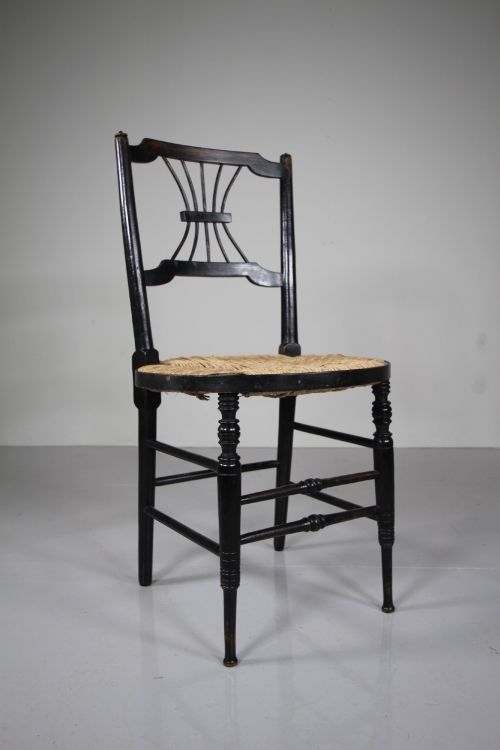
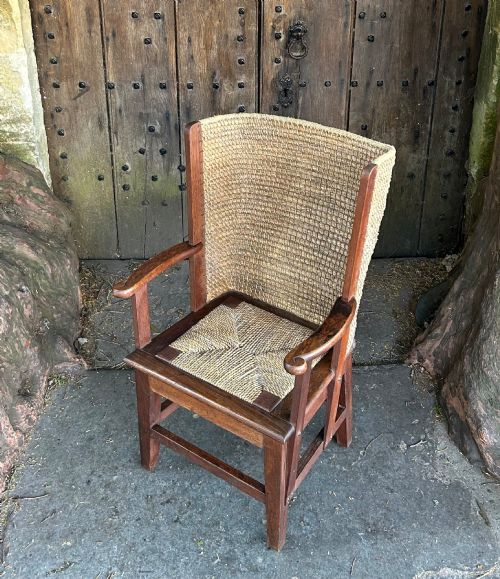
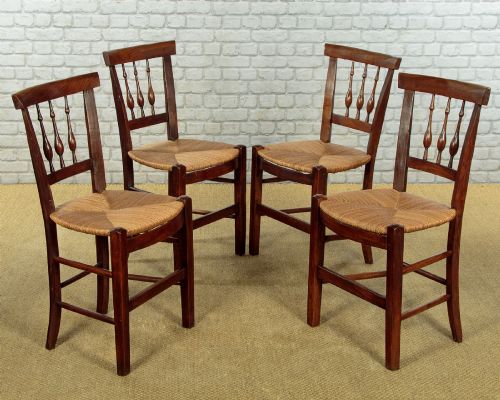
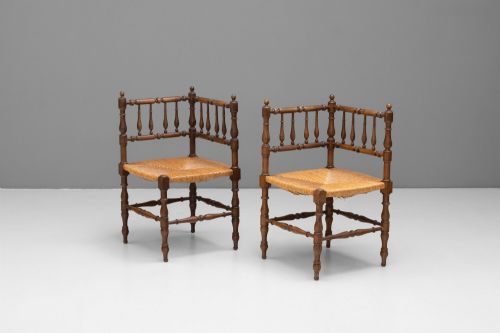
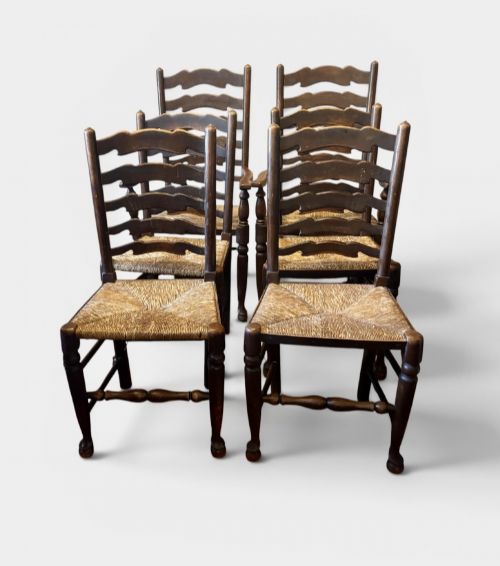
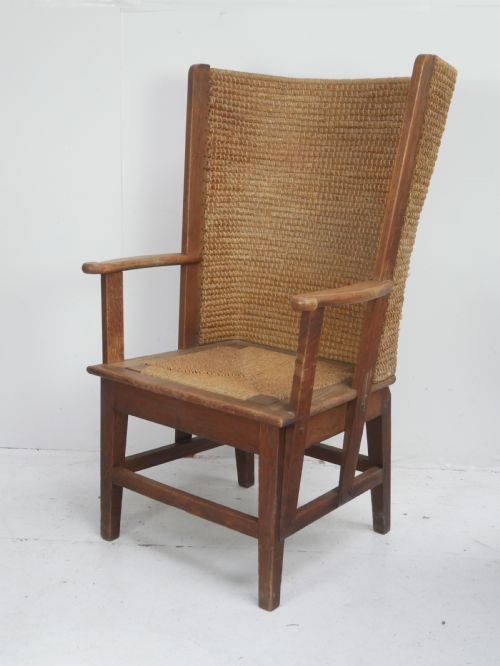
Buyers will most frequently encounter nineteenth-century ladderback and spindleback designs alongside Arts and Crafts iterations. Forms range from utilitarian kitchen seating and corner chairs to specialised seating like Orkney chairs and children's high chairs.
Materials and Construction
These pieces are constructed from native hardwoods including oak, elm, ash, beech, fruitwood, cherrywood, and mahogany, selected for their local availability and structural strength. Frames are typically joined using traditional mortise and tenon methods suited to daily domestic use.
The characteristic seats are formed by hand-weaving natural rush, straw, or sea grass tightly around wooden rails. This flexible plant material creates a resilient, supportive surface that yields slightly to the sitter.
The listings here incorporate timber species from oak and elm to fruitwood and beech, spanning periods from the eighteenth century to 1930.
Assessing the Pieces
The distinction between standard utility seating and finer workshop pieces lies in the crispness of the timber turning and the tightness of the frame joints. Designer-maker examples demonstrate superior proportion and deliberate refinement in the ladderback rails.
The integrity of the woven seating surface remains a primary indicator of condition, where dense, uniform strands reflect careful execution. Original timber patination and surface wear show the genuine age of the chair.
William Morris·Rossetti·E W Godwin·Dicon Nance·Edward Gardener·Liberty and Co·Philip Webb
The Traditional Woven Rush Chairs Glossary
- Rush
- A marsh plant used for centuries to weave resilient, pliable chair seats. It provides a natural, textured surface that gains a warm golden tone over time.
- Ladderback
- A chair style characterised by horizontal wooden slats set between the upright rear posts. This design offers robust back support in vernacular seating.
- Spindleback
- A seating construction utilising numerous thin, turned wooden rods in the backrest. These slender uprights distribute weight evenly while keeping the frame light.
- Orkney Chair
- A distinct regional armchair featuring a high, woven straw back designed to shelter the sitter from coastal drafts. These pieces often incorporate native oak frames.
- Súgán
- An Irish term for twisted straw or hay rope used as a seating material. It offers a rustic alternative to marsh rush.
Traditional Woven Rush Chairs: Frequently Asked Questions
How do I clean a rush seat?
Dust the woven surface gently using a soft brush or a vacuum attachment on a low setting. Avoid excess moisture, as water can weaken and degrade the natural plant fibres.
Treat occasional spills by dabbing gently with a barely damp cloth and drying the area immediately with a fan or dry towel.
Can broken rush seats be repaired?
Damaged or worn seats can be entirely re-woven by a skilled artisan using traditional seating materials. The process involves wrapping new rush around the existing wooden framework.
Professional re-weaving preserves the structural integrity and usability of older frames for many more decades of domestic life.
Are these chairs suitable for daily dining?
Many solid wood ladderback and spindleback designs were built specifically for robust daily use around the kitchen or dining table. Their sturdy timber frames handle regular sitting without losing stability.
Ensure the joints remain firm and the woven seat provides adequate tension before placing antique seating into heavy rotation.