
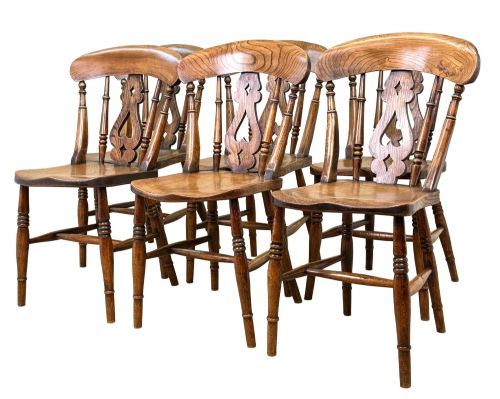
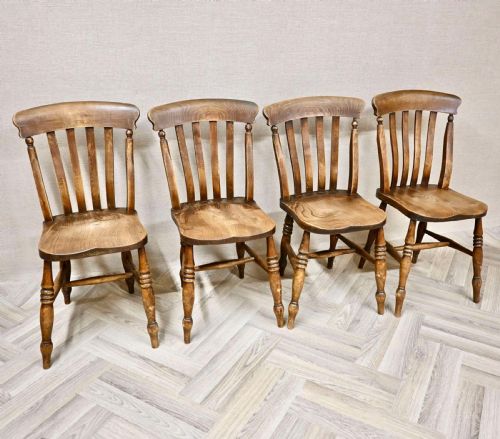
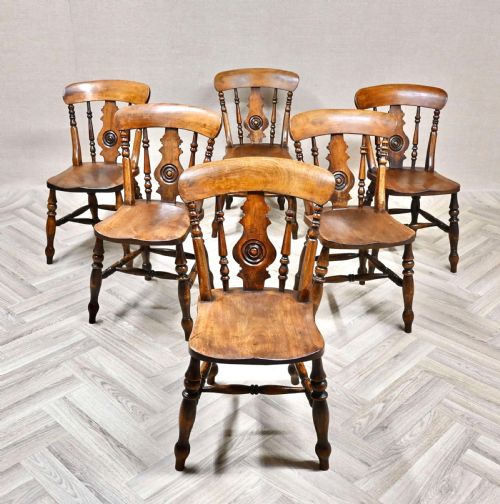
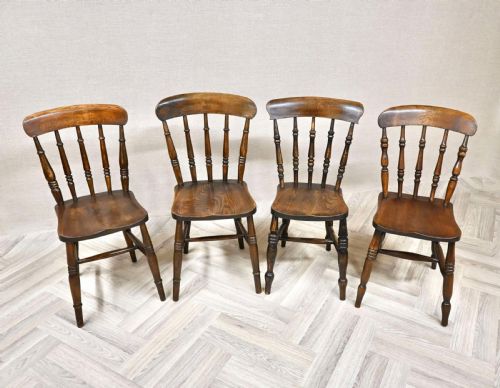
Rustic Elm Country Chairs
These rustic elm country chairs bring honest vernacular character and solid timber construction to everyday spaces.
Rustic Elm Country Chairs
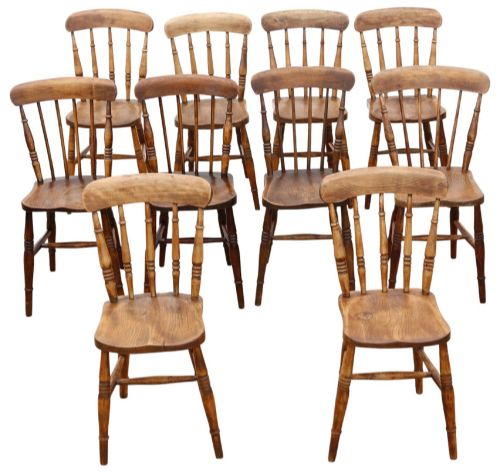
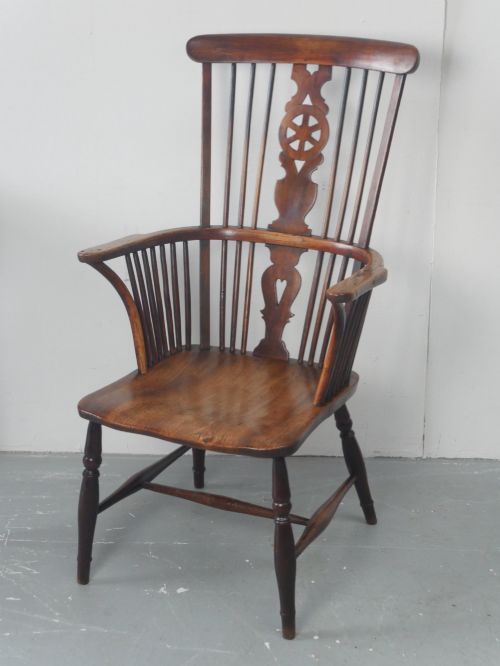
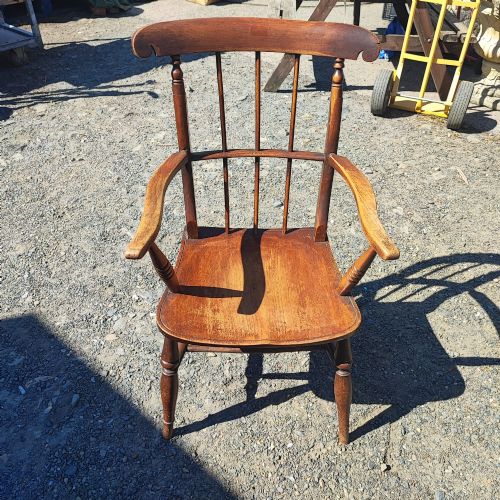
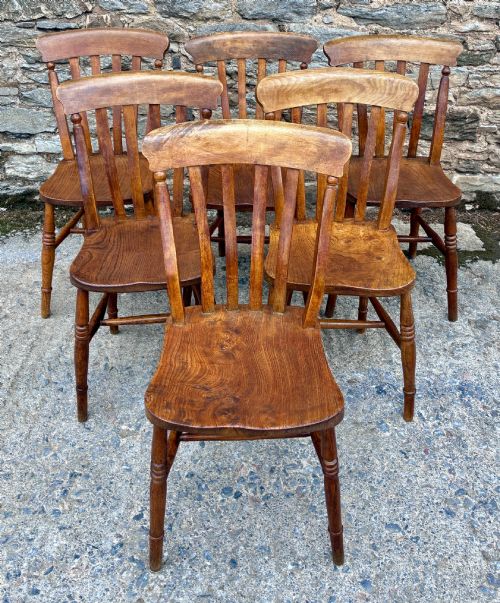
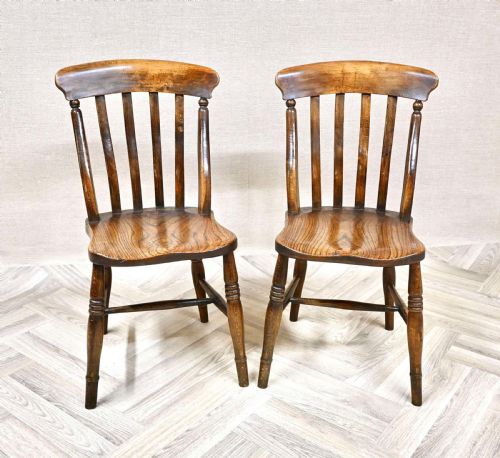
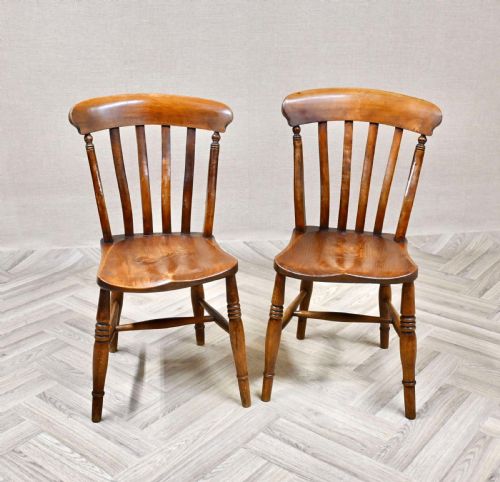
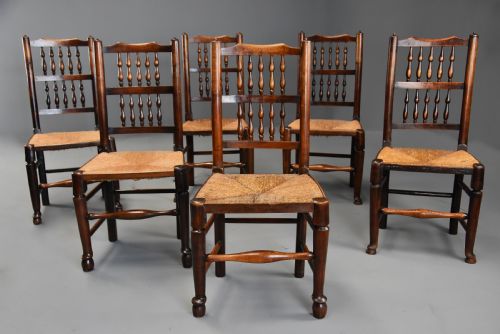
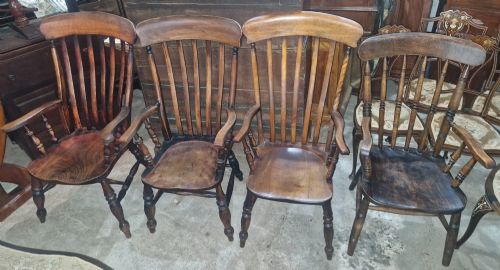
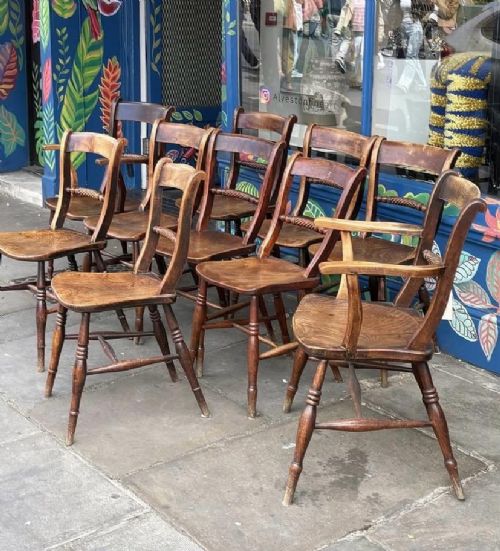
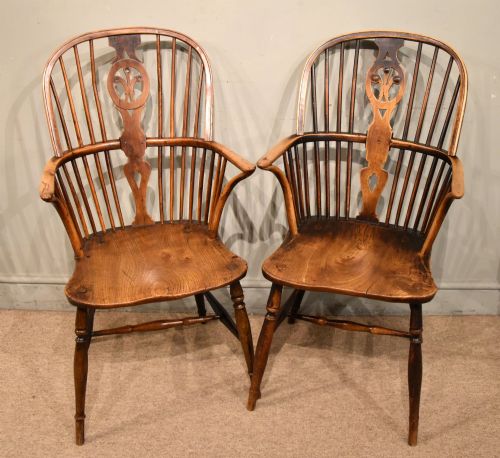
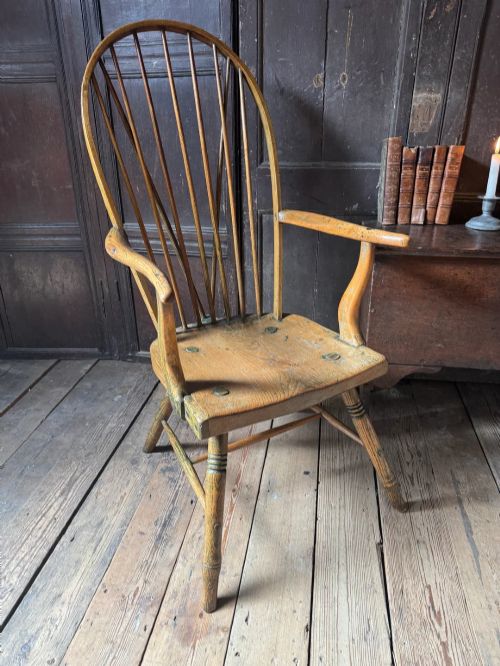
Rustic elm country chairs encompass a diverse group of vernacular seating including Windsor armchairs, spindle backs, and kitchen dining chairs spanning the eighteenth and nineteenth centuries. These pieces originate from regional English traditions, notably the Thames Valley, West Country, and Lincolnshire. Buyers encounter everything from single farmhouse armchairs to matched sets intended for everyday domestic use.
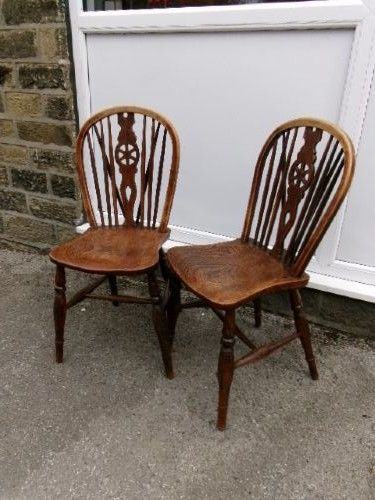
The selection ranges across formal variations such as high hoop backs, comb backs, and wheelbacks alongside simpler ladderback and lathe back forms. Many examples combine elm seats with ash, beech, or oak framework to handle the stresses of daily sitting. Makers also produced benches, settles, and occasional child chairs within the same utilitarian aesthetic.
Materials and construction methods
Makers relied on solid elm for shaped or saddle seats due to its interlocking grain which resists splitting under pressure. Spindles, legs, and stretchers typically employ ash or beech turned on a lathe for rigidity and strength. Combinations of these native timbers define the physical substance of these regional seats.
Joinery involved traditional techniques such as bodgving and wedged tenons where turned components pass directly through the solid wood seat plate. Bending steam softened timber allowed craftsmen to form continuous hoop backs and arm bows. Surface finishes developed through decades of domestic use rather than applied factory coatings.
Current listings feature elm combined with ash, beech, oak, and yew across eighteenth and nineteenth-century periods.
Factors influencing quality
Quality separates through the balance of proportions and the fluidity of turned details on spindles, legs, and crinoline stretchers. Superior examples display carefully sculpted elm seats with comfortable saddle depressions and strong, integrated undercarriages. Regional distinctiveness, such as Thames Valley or West Country characteristics, elevates certain pieces above standard utility furniture.
The integrity of the timber and the depth of natural patina also dictate the standing of an individual chair. Harlequin sets demonstrate the challenge of assembling matched groups from disparate domestic origins over time. Wear patterns that reflect genuine longevity without compromising structural joints distinguish the finer specimens.
The Rustic Elm Country Chairs Glossary
- Windsor chair
- A chair built with a solid wooden seat into which the legs and back spindles are directly inserted. This form relies on a stout undercarriage and distinct regional back styles.
- Crinoline stretcher
- An arched reinforcing rail connecting the legs of a chair in a continuous loop. It provides lateral stability to turned undercarriages.
- Patina
- The surface sheen and colour developed by wood through age, handling, and wear. It indicates unrefinished historical depth.
- Vernacular
- Objects designed by local craftsmen for practical utility rather than following strict academic design rules. These pieces reflect regional traditions and available materials.
- Harlequin set
- A collection of chairs matched by style, period, or form rather than originating as a single unified workshop batch. Such sets are typical of farmhouse dining rooms.
Rustic Elm Country Chairs: Frequently Asked Questions
How do I date these chairs?
Dating relies on observing construction methods, tool marks, and wood species alongside stylistic markers like comb backs or wheelbacks. Eighteenth-century examples often show distinct vernacular turning compared to later Victorian production.
Changes in seat shaping and fastener types also provide chronological clues when examining individual pieces closely.
Are they comfortable for daily dining?
Solid elm seats feature sculpted depressions designed to fit the body during extended sitting. Their robust wooden construction provides sturdy support for daily meals.
Adding loose cushions can soften the seating experience while preserving the antique timber surface.
How do I care for elm and ash timber?
Maintain stable indoor humidity levels to prevent the native hardwoods from drying out or splitting. Apply occasional light wax polish to nourish the surface without building heavy residue.
Keep these chairs away from direct heat sources and strong sunlight to protect the historic finish.
What defines a Thames Valley chair?
Thames Valley pieces typically combine elm seats with ash or yew wood framing, featuring refined spindle turning and distinctive wheelback or comb back designs. Regional workshops produced these with particular attention to sculptural elegance.
Such chairs often display superior grain selection and careful joinery relative to general provincial output.