


Traditional Wool Corridor Rug
A traditional wool corridor rug brings linear warmth and geometric pattern to long hallways and narrow landings.
Traditional Wool Corridor Rug
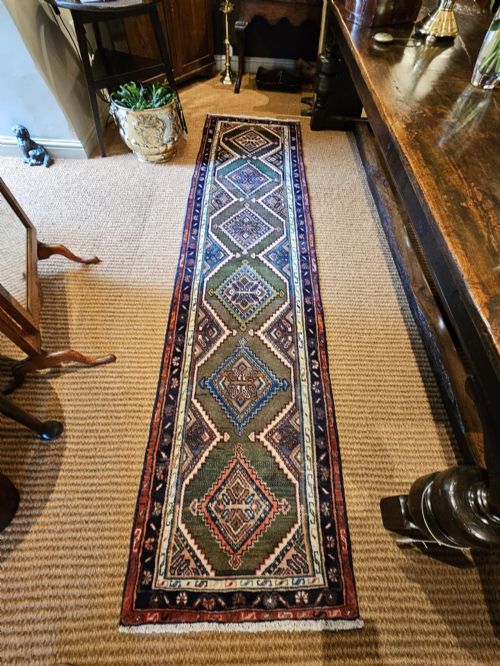
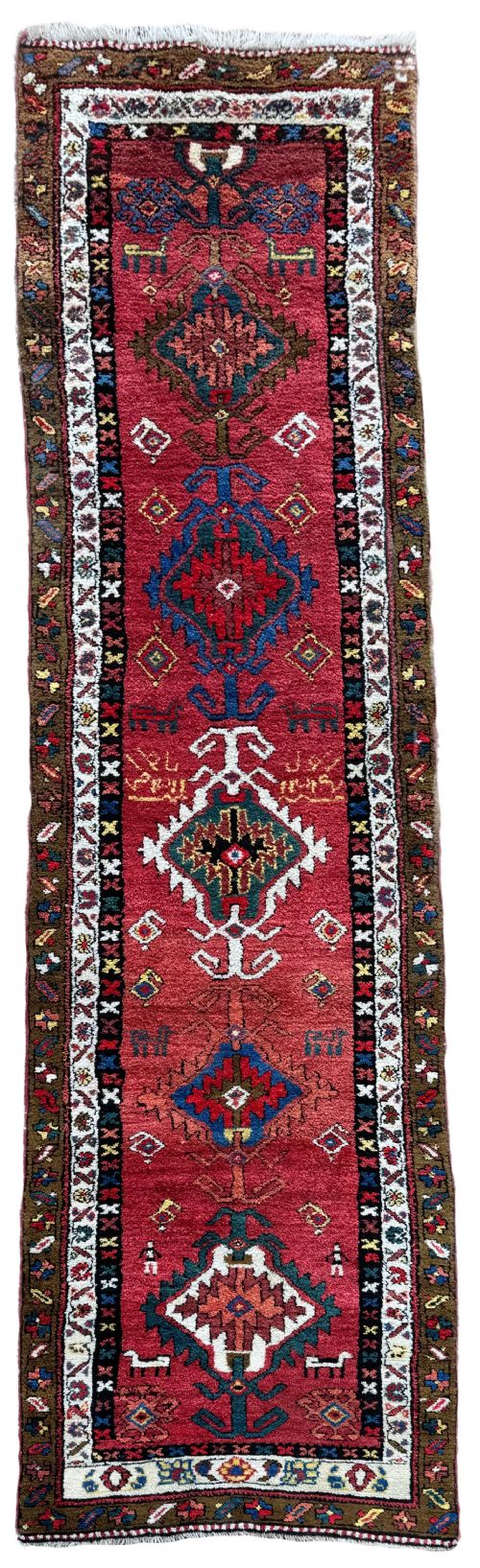
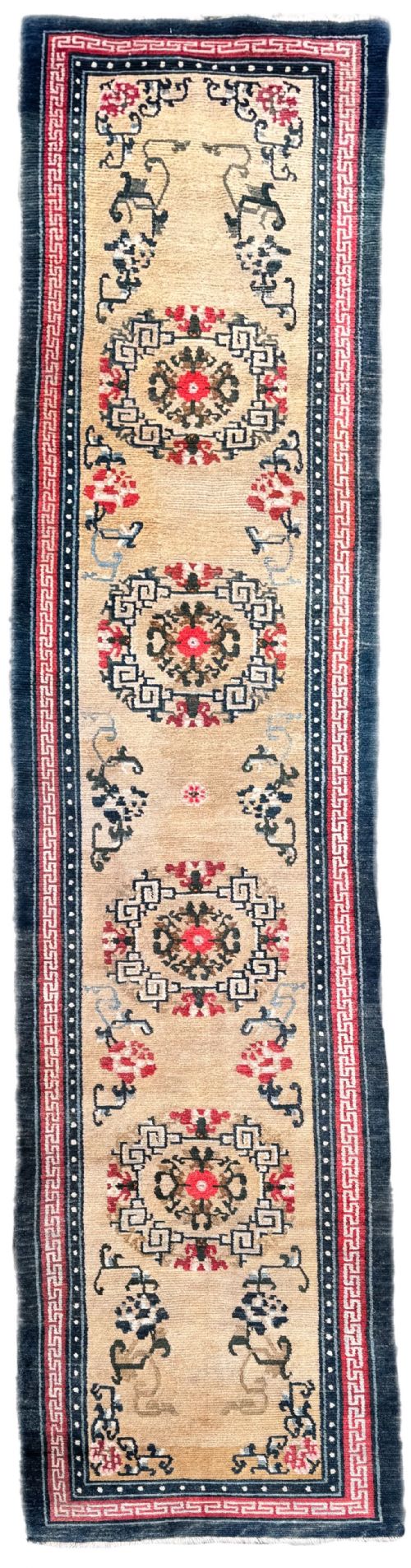
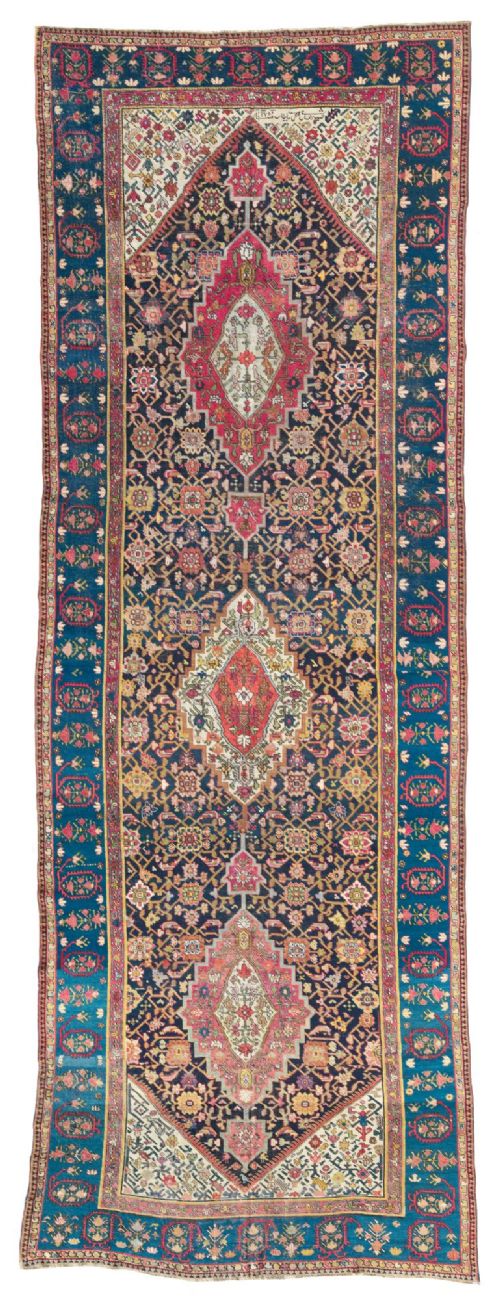
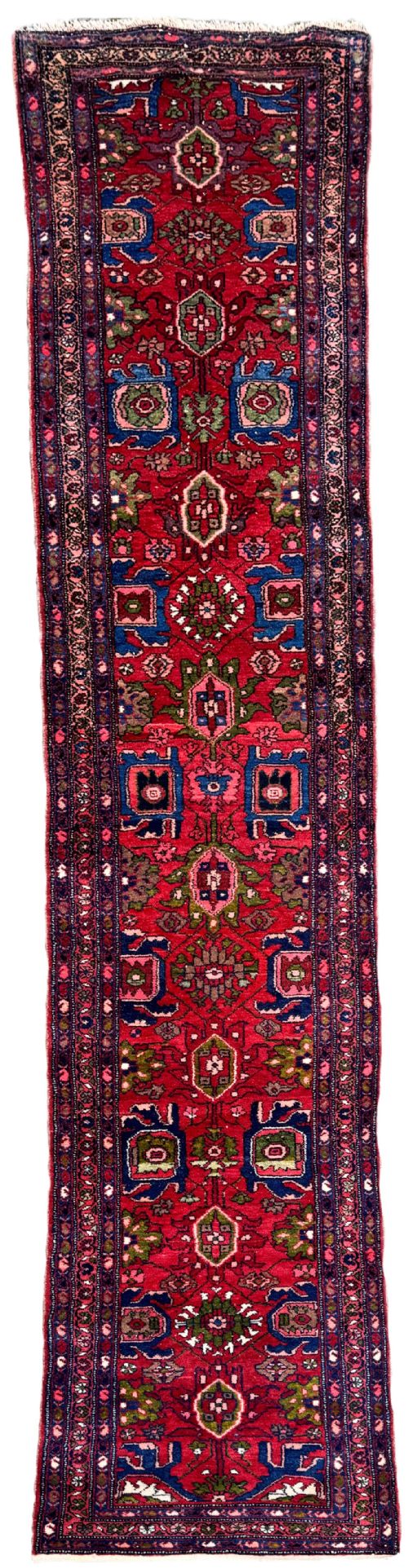
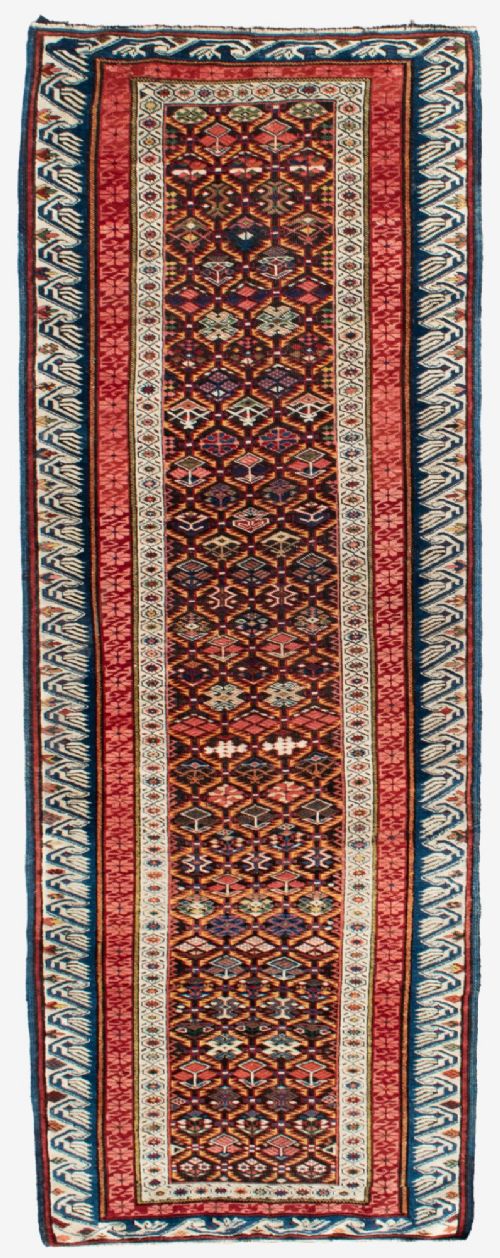
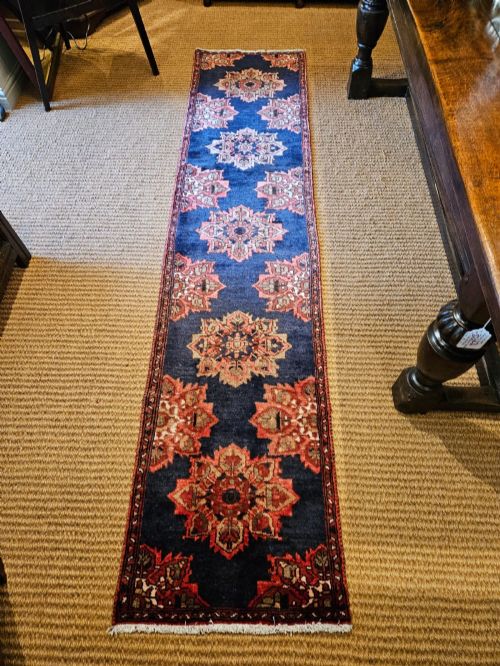
A traditional wool corridor rug serves narrow domestic spaces such as hallways, corridors, and landings with elongated formats designed to fit restricted floorplans. These pieces appear in forms identified as runners, long rugs, and kellehs, stretching significant lengths while maintaining narrow widths.
The selections span origins across Persian, Anatolian, Caucasian, Kurdish, and Tibetan traditions, reflecting tribal and village weaving practices from the nineteenth and early twentieth centuries. Pieces range from compact lengths under three metres to monumental hallway coverings exceeding nine metres.
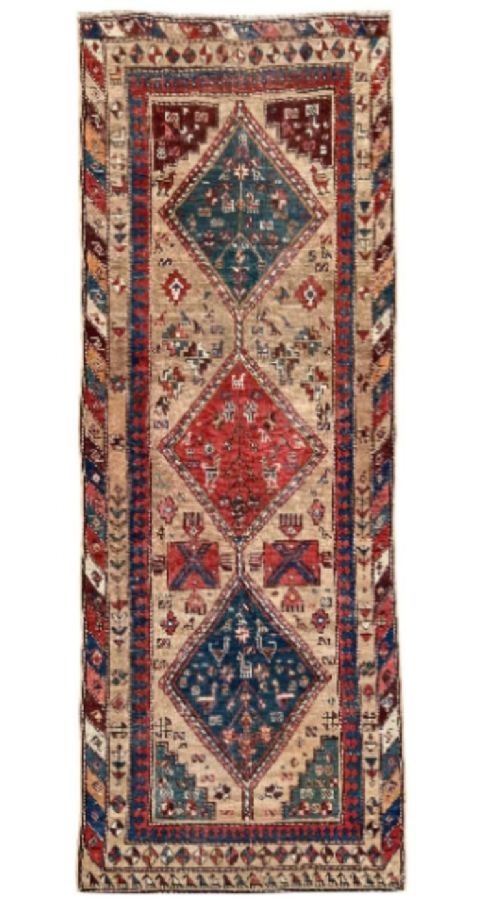
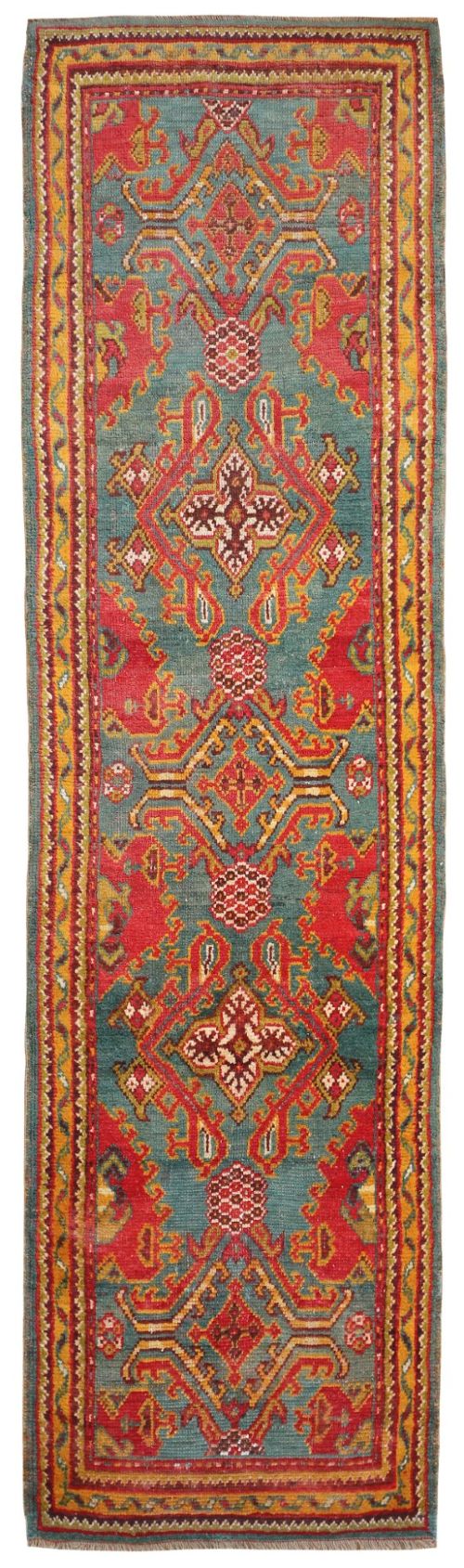
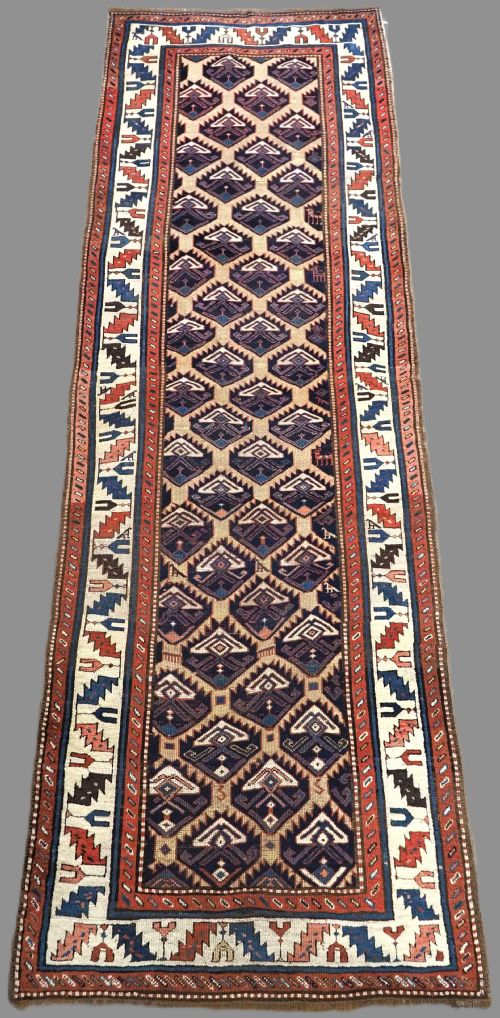
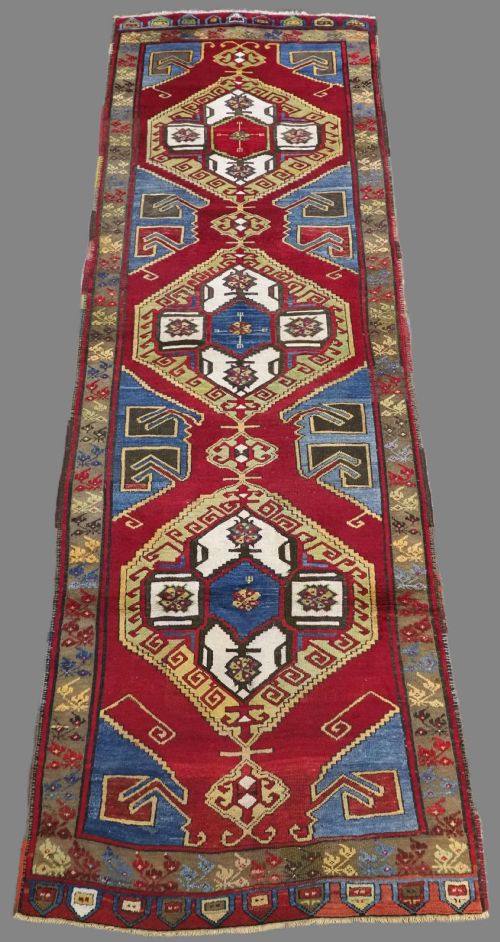
Makers utilise traditional village and nomadic designs, incorporating geometric medallions, lattice patterns, and repeated tribal motifs tailored for linear formats. The resulting floorcoverings connect historic weaving regions directly with modern architectural corridors.
What varies in quality
The distinction between standard village production and finer examples rests in knot density and the precision of the linear geometry. Tighter knotting allows complex lattice motifs and small-scale tribal symbols to remain crisp along extended lengths.
Material preparation also separates output, with hand-spun wool yielding subtle variations in texture and colour absorption compared to more uniform commercial yarns. The integrity of the original foundation and the survival of natural dye saturation dictate the overall visual depth of the runner.
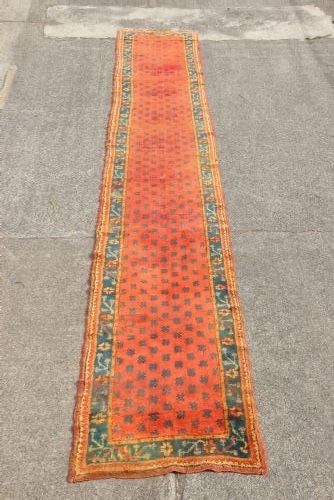
One listed runner stretches across an impressive thirty-two feet of continuous hallway coverage.
The Traditional Wool Corridor Rug Glossary
- Runner
- A long, narrow carpet format specifically proportioned for corridors, hallways, and staircases.
- Kelleh
- A large, extended rectangular rug format traditionally longer than a standard carpet but wider than a typical runner.
- Warp
- The vertical parallel threads stretched across a loom that form the structural skeleton of the rug.
- Weft
- The horizontal threads passed through the warp threads to bind the knots in place and stabilise the textile.
- Mina Khani
- A repeating geometric floral pattern arranged in an orderly lattice across the field of the rug.
Traditional Wool Corridor Rug: Frequently Asked Questions
Where do these long runners work best?
These pieces fit naturally into narrow hallways, long corridors, and bridge spaces between larger rooms. Their linear dimensions guide movement while softening hard wooden or stone flooring.
They also suit galley kitchens and bedside placements where length is required without excessive width. The traditional patterns add character to transitional spaces that often remain under-decorated.
How do I measure for a corridor rug?
Measure the clear walkway length while leaving equal margins of exposed flooring around the perimeter of the rug. Ensure doors opening into the hallway clear the pile height without catching.
Account for skirting boards and radiators when noting the maximum available width. Selecting a runner slightly shorter than the total corridor length maintains balanced proportions.
Are these runners durable for heavy footfall?
Historic wool runners withstand regular daily walking because natural wool fibre contains resilient lanolin and dense pile construction. Placing a quality underlay beneath the textile prevents slipping and absorbs walking impact.
Regular rotation distributes wear evenly along the length of the runner in high-traffic hallways. Gentle vacuuming without power-brushes preserves the wool pile over decades of domestic use.
How can I tell different regional styles apart?
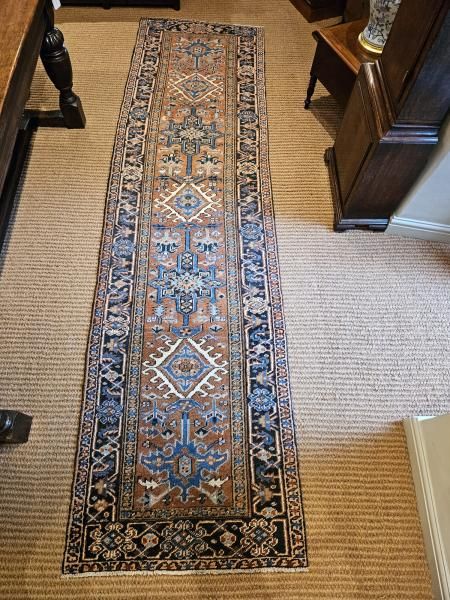
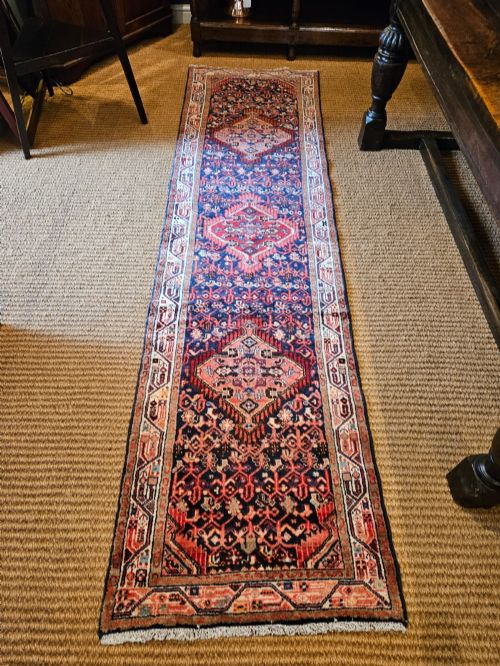
Caucasian runners display sharp geometric lattices and crisp primary colours like deep blues and reds. Persian Heriz and Hamadan examples incorporate stylised floral motifs and bold central medallions within structured borders.
Anatolian and Kurdish pieces often feature tribal motifs, earthy palettes, and spontaneous design variations reflecting nomadic weaving traditions. Tibetan runners present distinct border arrangements and robust wool textures unique to Himalayan workshops.