

Traditional Wooden Shelving
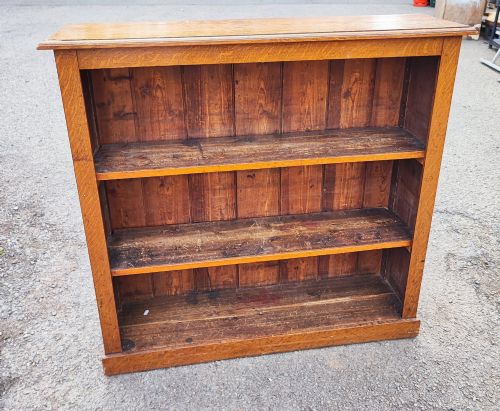
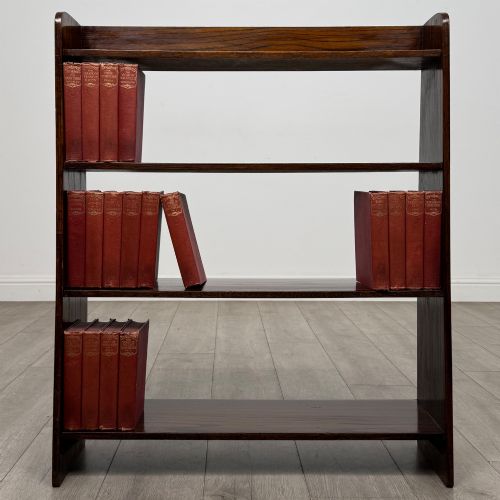
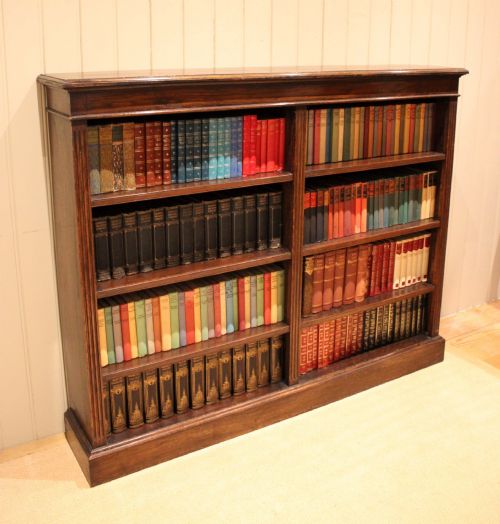
Traditional wooden shelving brings warmth and structure to a room through practical open bookcases, dressers, and wall shelves.
Traditional Wooden Shelving
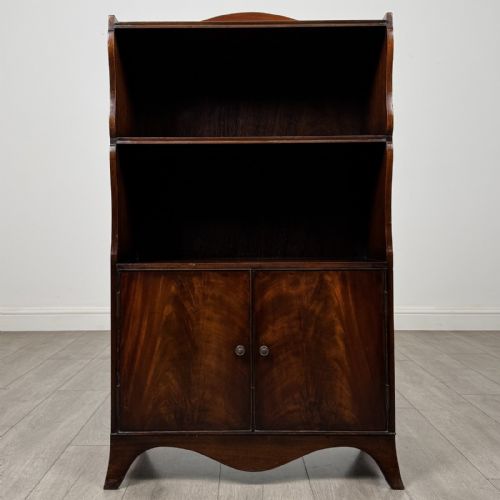
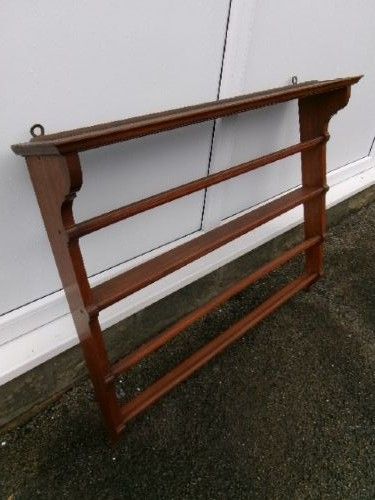
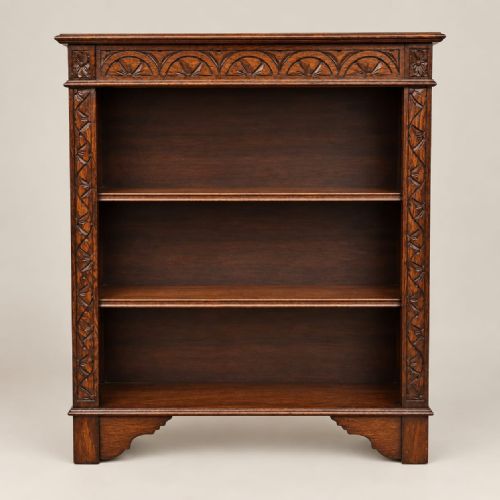
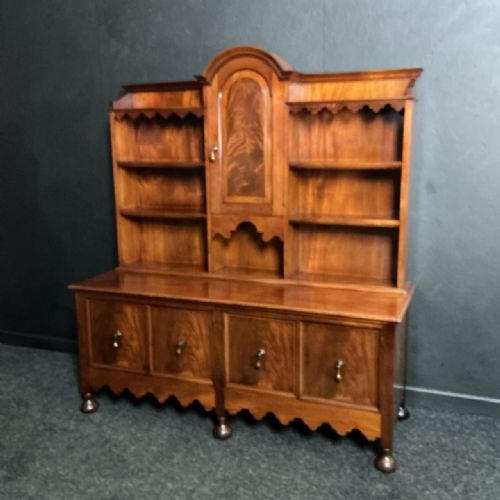
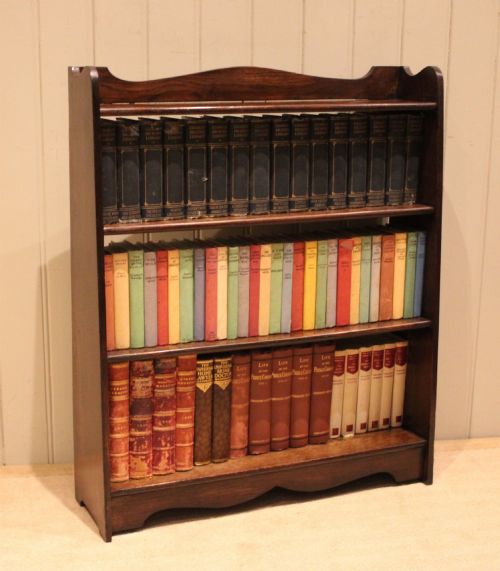
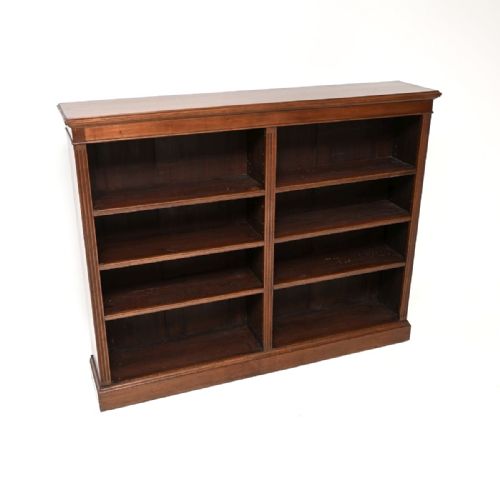
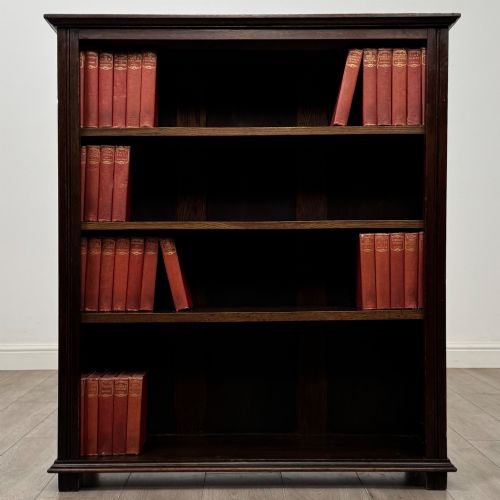
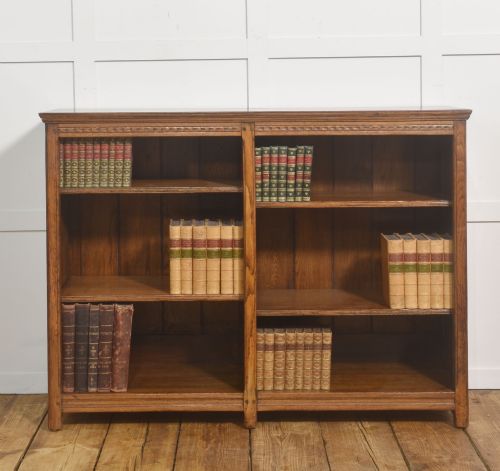
Traditional wooden shelving encompasses practical furniture designed for storage and display, spanning bookcases, dressers, wall shelves, and plate racks. When searching for traditional wooden shelving, buyers encounter forms ranging from compact Victorian open front units to large Regency waterfall bookcases and Edwardian Welsh dressers.
The pieces listed on this page originate from periods such as the nineteenth century, the Victorian era, the Edwardian period, and the early twentieth century. Oak, mahogany, and pine dominate the selections, alongside walnut and burr walnut, reflecting decades of domestic utility.
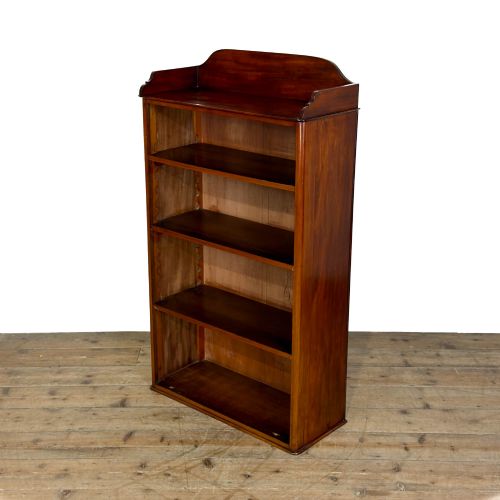
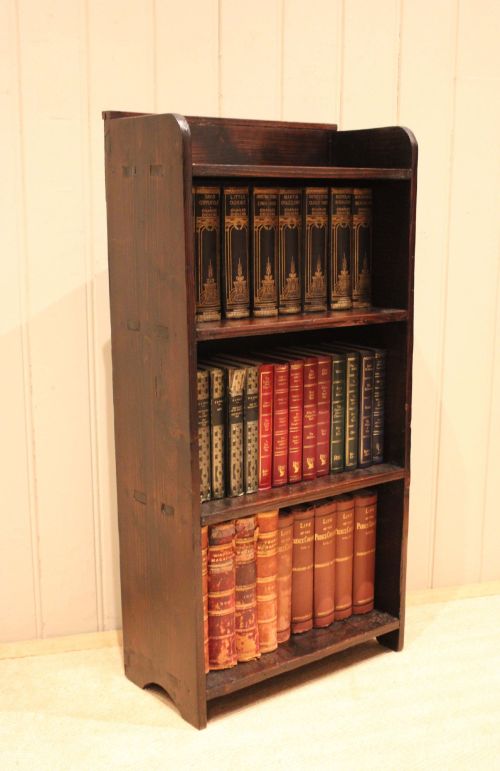
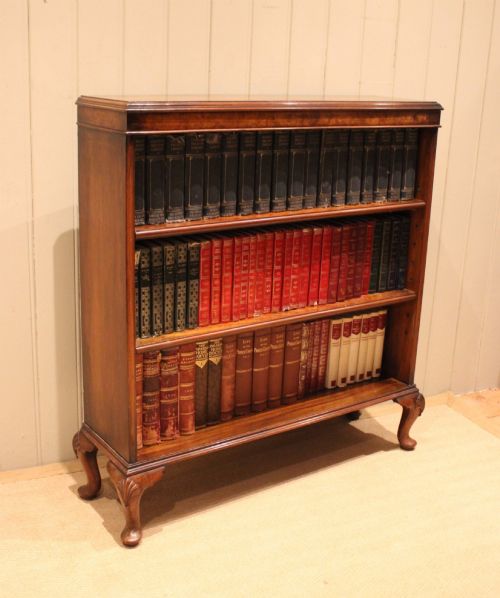
Open bookcases with adjustable shelves appear frequently alongside rustic pine bookshelves and tall library units. Buyers find both modest rustic country examples and formal breakfront cabinets suited to period interiors.
Materials and Construction
Cabinet makers utilised sturdy timbers including solid oak, rich mahogany, and versatile pine to build these storage pieces. Selected items feature decorative burr walnut veneers, adding distinct grain patterns to display surfaces and bookcase fronts.
Distinguishing Quality and Execution
Proportion and architectural detail separate standard utility furniture from finer examples, such as breakfront libraries and structured cornices. The integration of functional elements, including smooth-adjusting wooden shelves and secure brass fittings, defines the upper tier of the range.
The Traditional Wooden Shelving Glossary
- Waterfall bookcase
- A set of open shelves where the sides step back progressively from bottom to top, creating a cascading profile popular during the Regency period.
- Breakfront
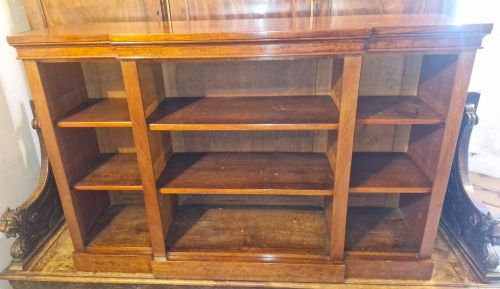
- A large piece of furniture featuring a central section that projects forward from the flanking wings, adding architectural depth to bookcases and dressers.
- Welsh dresser
- A traditional combination of lower cupboards or drawers surmounted by open plate racks or shelving, predominantly constructed from solid oak in earlier centuries.
- Barrister bookcase
- A modular bookcase featuring stacking sections with glazed or wooden doors that lift and slide inward above each shelf.
- Adjustable shelves
- Shelves resting on movable supports or ratchets that allow the internal vertical spacing to be altered for different book sizes.
Traditional Wooden Shelving: Frequently Asked Questions
How do I date a wooden bookcase?
Dating relies on observing timber choices, construction techniques, and stylistic markers such as Regency waterfall curves or Edwardian golden oak finishes. Comparing secondary woods and hardware provides further clues to a piece's period of origin.
Changes in shelf support mechanisms and backboards also help establish whether a bookcase belongs to the Victorian era or the early twentieth century.
Are these shelves suitable for heavy books?
Many traditional bookcases feature thick solid timber construction and adjustable shelves designed to bear substantial weight over time. Solid oak and mahogany library pieces offer particular stability for heavy volumes.
Checking the thickness of the shelf timber and the support system ensures the shelving will accommodate large collections safely.
What is the difference between a dresser and a bookcase?
A dresser traditionally combines lower enclosed storage like cupboards or drawers with upper open plate racks or shelving. Bookcases focus primarily on tiered open or glazed shelving designed specifically for holding books.
Both forms serve as traditional wooden shelving but fulfil distinct storage roles within dining rooms, kitchens, and libraries.
How should I care for antique pine and oak?
Maintaining traditional wooden surfaces involves regular dusting with a soft cloth and avoiding excessive moisture or direct sunlight. Periodic application of suitable wax helps preserve the natural finish of antique oak and pine.
Keeping pieces away from direct heat sources prevents the timber from drying out or splitting over the years.