

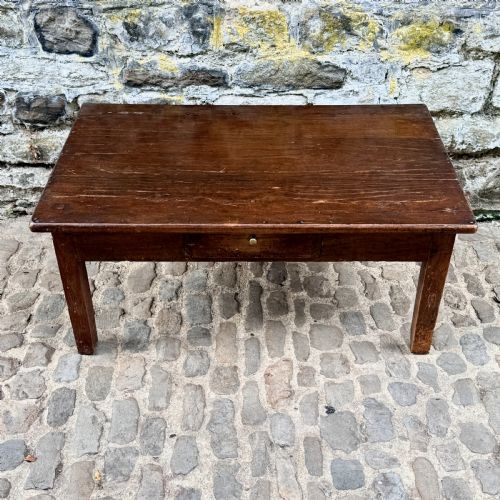
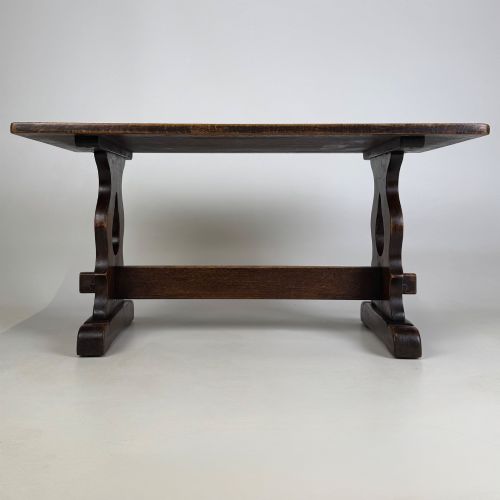
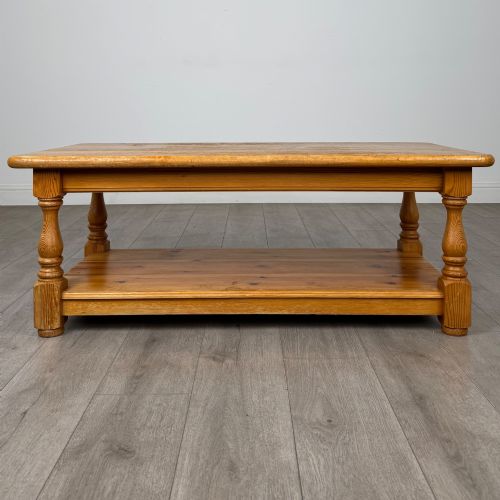
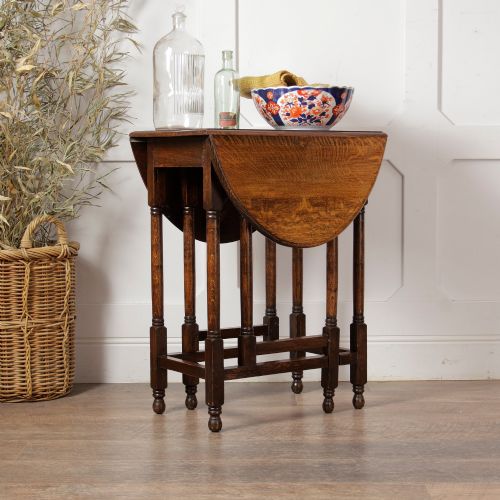
Traditional Wooden Coffee Table
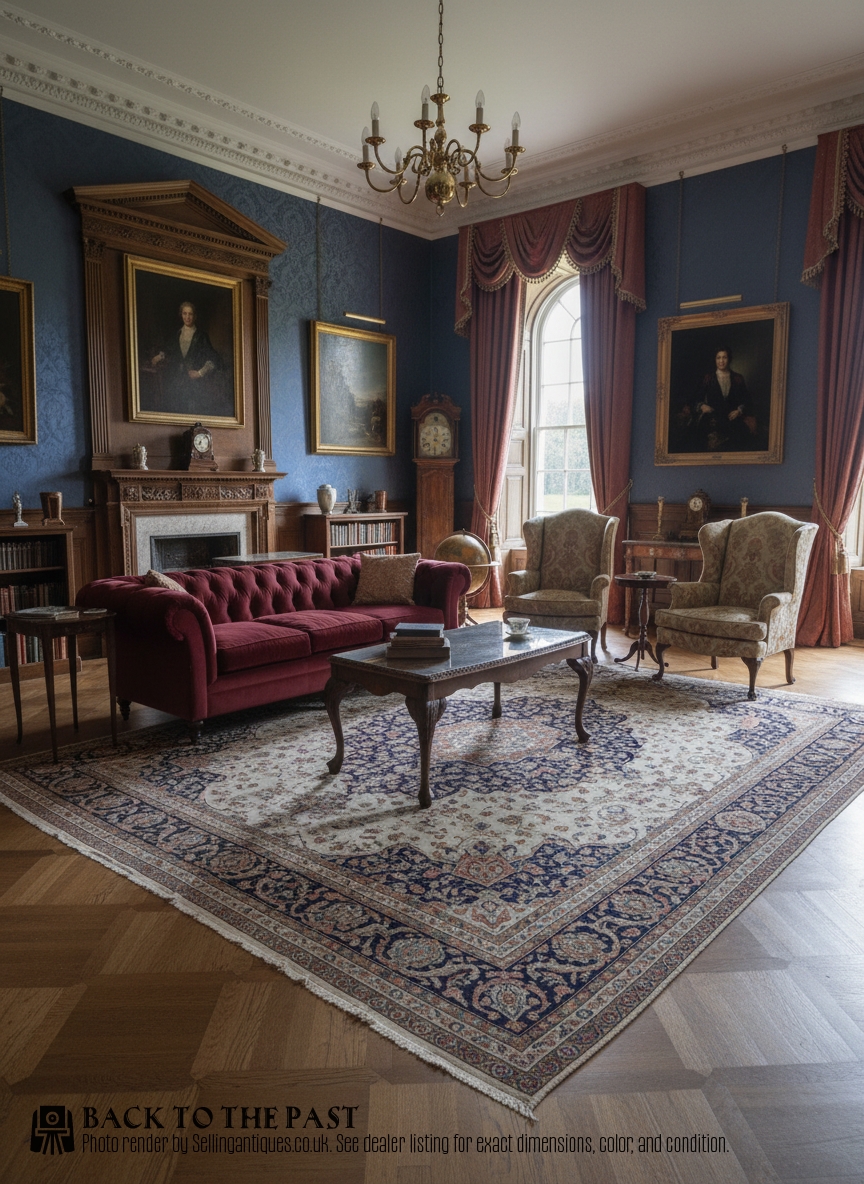
A traditional wooden coffee table anchors a room with solid timbers and centuries of craftsmanship, offering practical surface space with enduring character.
Traditional Wooden Coffee Table
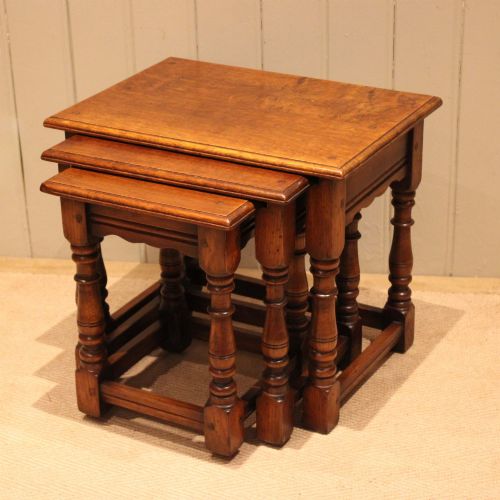
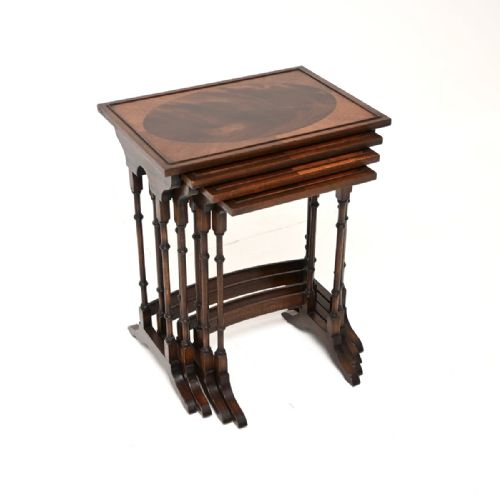
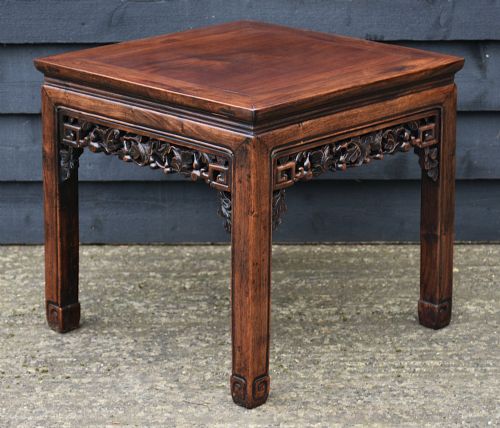
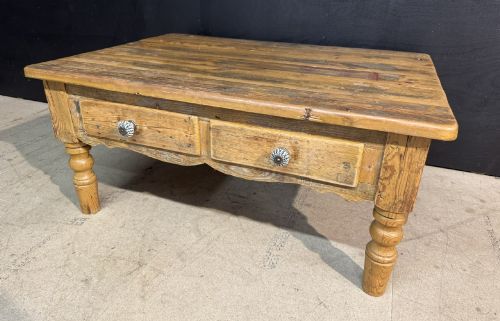
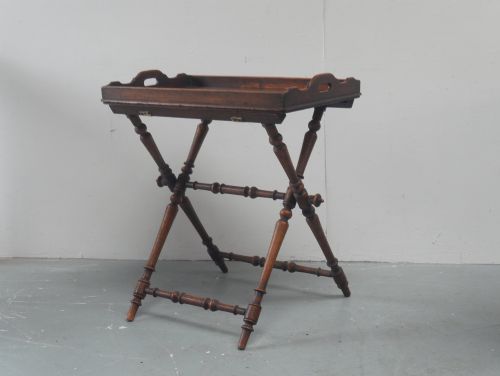
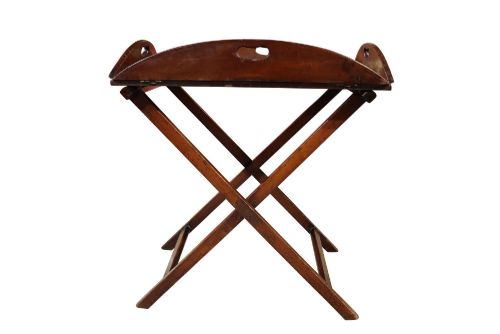
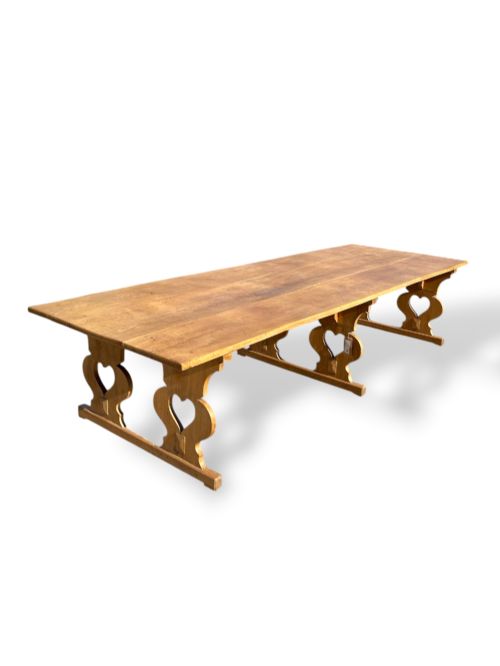
The selection ranges widely across periods and origins, including 19th Century English oak, Edwardian walnut, and traditional Chinese low tables. You will frequently meet coffee tables, nests of tables, and butler trays adapted from earlier serving stands.
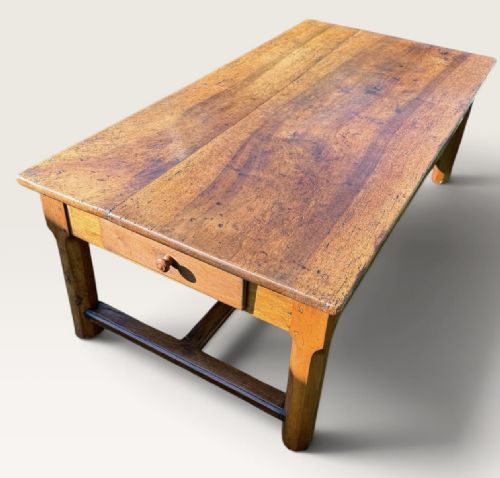
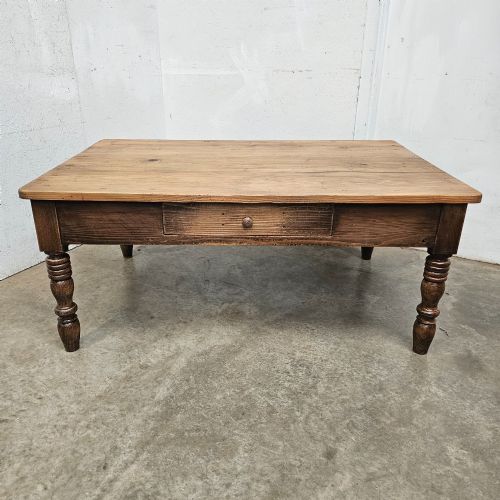
Constructed primarily from oak, mahogany, walnut, and elm, these surfaces display the grain and patination built through decades of use. Form follows function closely, resulting in low proportions suited to modern living spaces.
How they were made
Cabinetmakers built these tables using durable hardwoods such as oak, mahogany, walnut, elm, and pine, often selecting timber for prominent grain patterns like burr walnut or oyster veneer. Construction relied on traditional joinery methods to ensure stability across daily use.
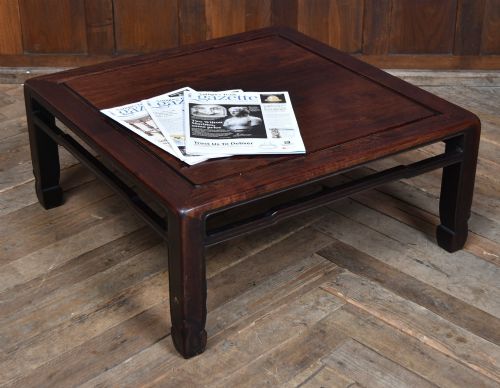
Several low tables on offer began life as calligraphy writing desks or opium tables before finding a second career beside low sofas.
What varies in quality
The standard of a piece rests upon the choice of timber and the integrity of its construction, distinguishing modest utility furniture from finer parlour pieces. Selected veneers, such as burr walnut and oyster grain, require superior craftsmanship to apply and maintain over generations.
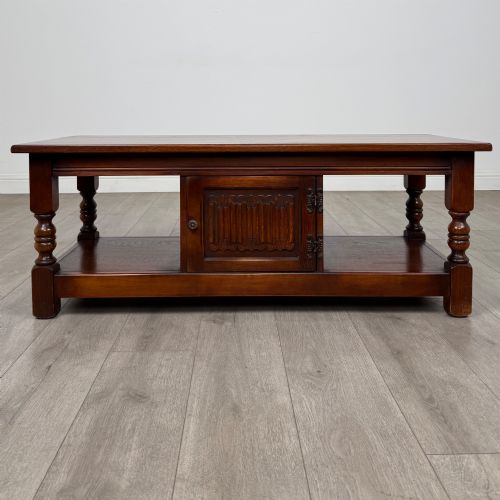
Proportion and decorative restraint dictate visual success, where hand-turned legs, subtle carving, and well-fitted joints elevate an everyday table. Tables retaining their original surface finish and patination carry greater integrity than heavily restored examples.
The Traditional Wooden Coffee Table Glossary
- Butler's tray
- A removable wooden tray with hinged or high sides, originally designed for serving and placed upon a separate folding stand.
- Gateleg table
- A table with hinged drop leaves supported by legs that swing outward like a gate to bear the weight.
- Nest of tables
- A set of graduated tables designed to fit neatly one beneath another when not in use.
- Oyster veneer
- Timber cut across the branch or root at an angle to produce circular rings resembling oyster shells, popular in decorative cabinetwork.
- Quartetto
- A matched set of four small tables, typically nesting together.
Traditional Wooden Coffee Table: Frequently Asked Questions
What is a butler's tray table?
A butler's tray table consists of a portable wooden tray resting on a folding stand, designed originally for carrying and serving drinks or food.
Over time, many of these trays and stands have been paired together permanently to function as sturdy, low coffee tables in sitting rooms.
How do I identify an Edwardian coffee table?
Edwardian tables often reflect revivals of earlier styles, utilising lighter mahogany, walnut, or oak timbers with refined turnings and occasionally inlaid satinwood.
They date from the early twentieth century and generally balance decorative elegance with domestic utility.
Are Chinese low tables used as coffee tables?
Chinese low tables, including opium tables and rosewood or padouk low surfaces, provide stable, low-profile designs that adapt naturally to modern coffee table placement.
Their substantial timber construction and understated joinery complement both traditional and contemporary interiors.
What woods were used for these tables?
Cabinetmakers utilised a diverse range of timbers, most commonly oak, mahogany, walnut, elm, pine, and yew wood.
Hardwoods provided durability for daily surface wear, while decorative veneers added visual texture to finer occasional tables.