
Traditional Wooden Coat Rack
A traditional wooden coat rack brings order to an entrance hall while offering the honest utility of bentwood, oak, and brass hooks.
Traditional Wooden Coat Rack
A traditional wooden coat rack serves as an enduring domestic fixture designed to hold outerwear and hats in hallways and reception rooms. When exploring this selection, buyers encounter everything from wall-mounted backboards to freestanding floor-standing hatstands and extensive hall trees.
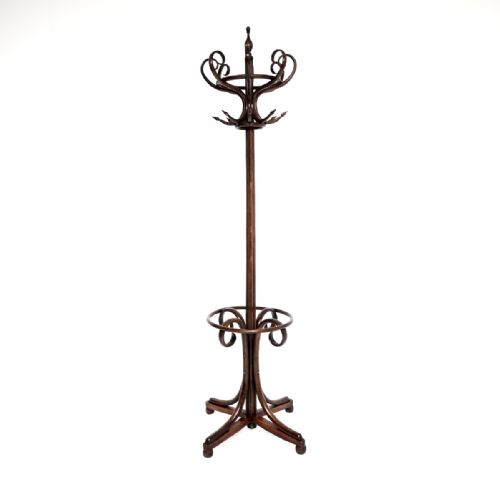
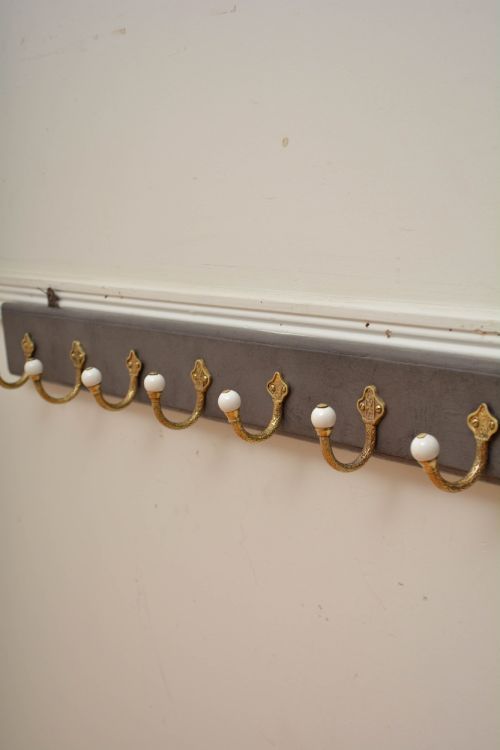
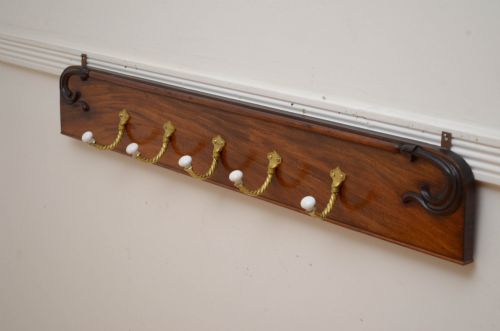
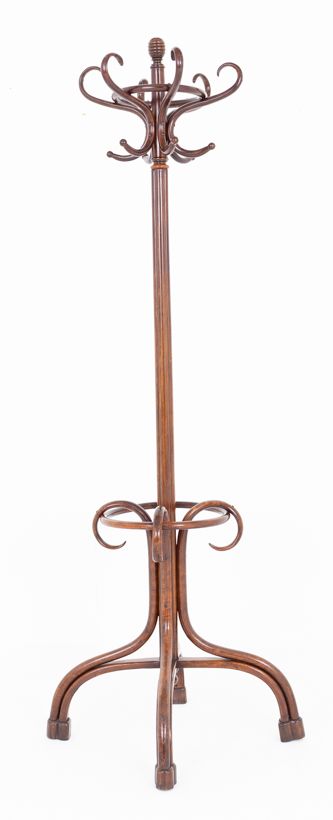
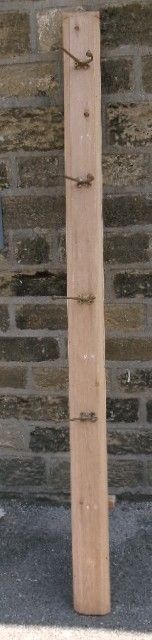
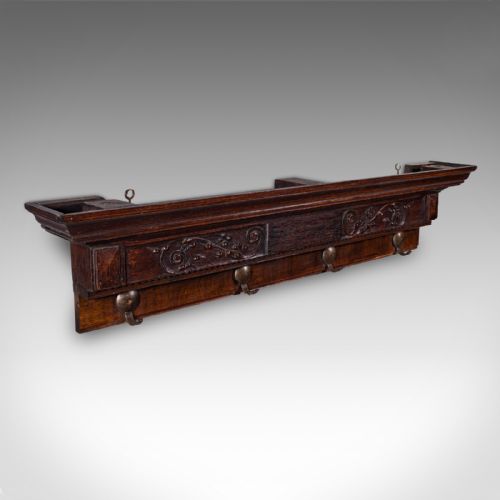
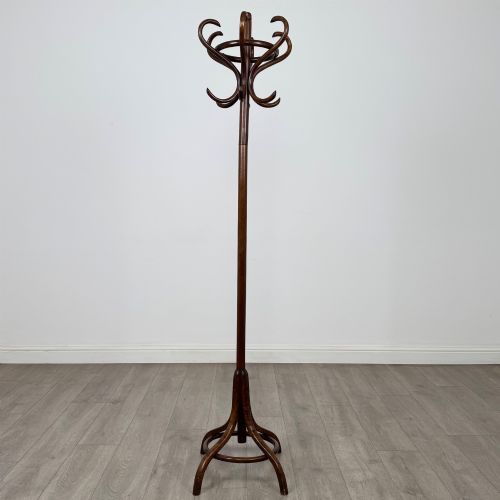
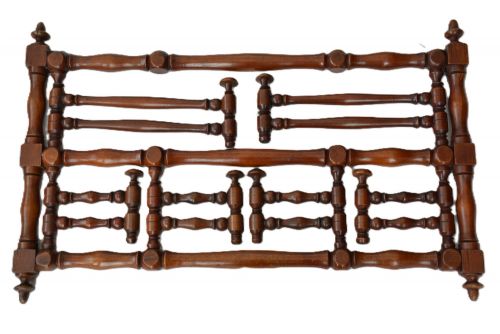
The pieces originating across the Victorian, Edwardian, and mid-century periods demonstrate a clear shift from domestic practicality to architectural hall furniture. Wall-mounted racks typically feature timber backboards fitted with brass or ceramic hooks, whereas freestanding variants often utilise curved bentwood or solid oak.
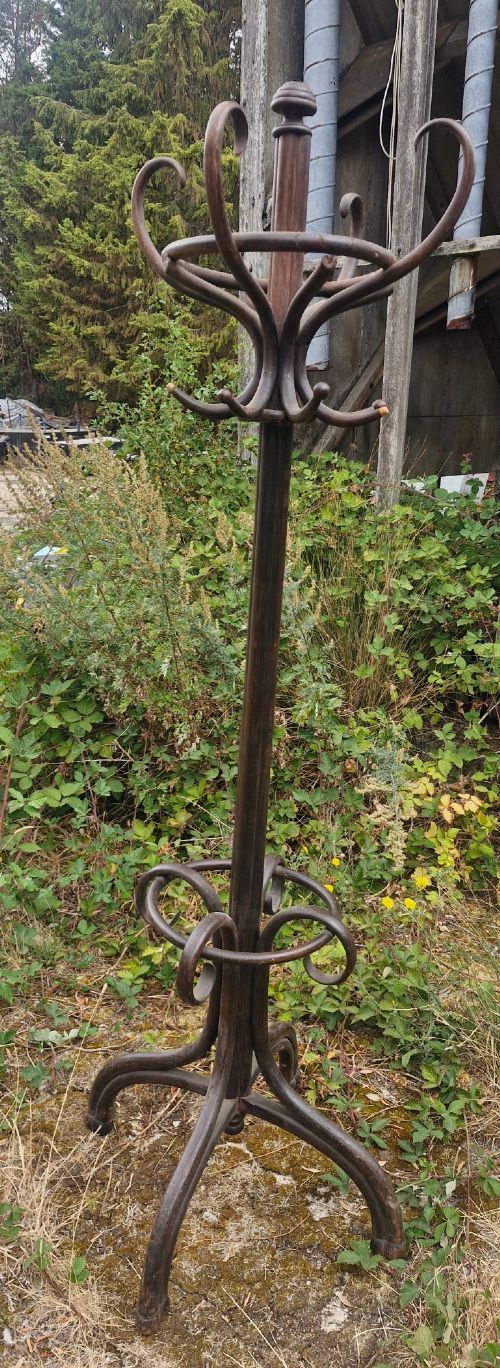
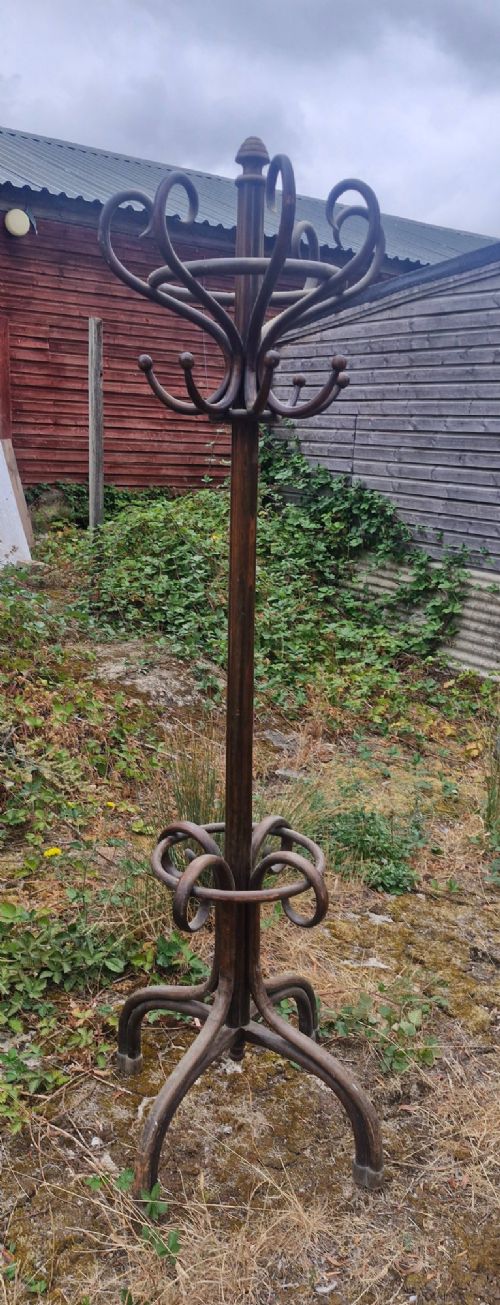
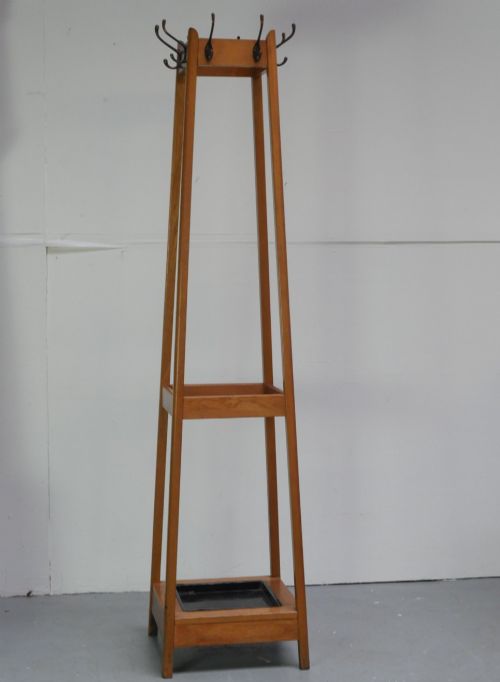
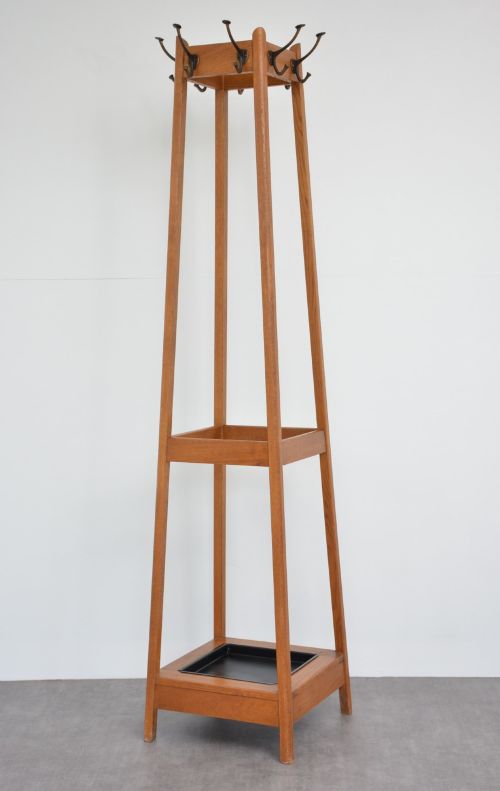
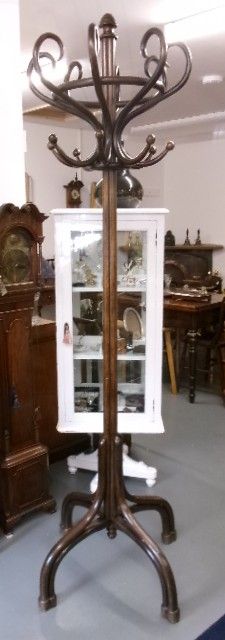
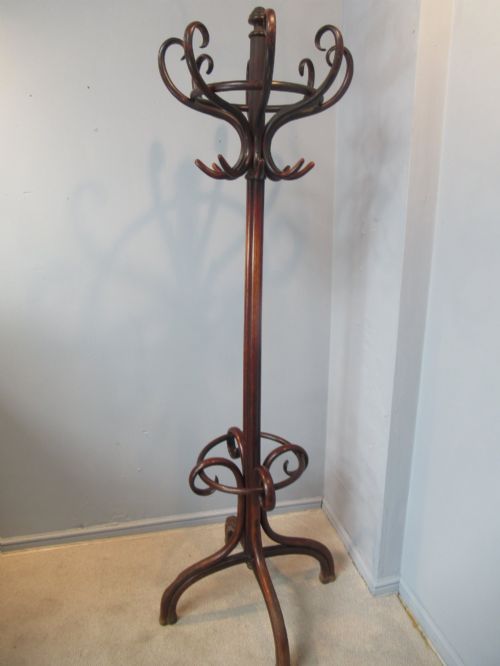
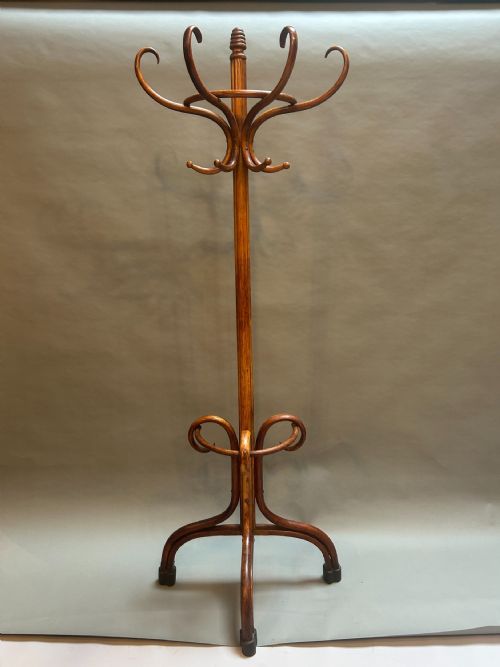
Floor-standing designs span revolving bentwood models and heavy utility stands equipped with integrated umbrella holders and drip trays. These items bridge utilitarian purpose and period craftsmanship, reflecting the daily domestic routines of the nineteenth and twentieth centuries.
Materials and Construction
Makers relied primarily on timbers such as beech, beechwood, oak, pine, mahogany, and walnut to construct these pieces, selecting each wood for its strength and grain. Bentwood construction involved steaming lengths of beech or beechwood until pliable, then bending them into curved forms for freestanding hatstands.
Wall-mounted examples typically employ solid pine, oak, or mahogany backboards secured with cast brass, ceramic, or metal hooks. Additional functional elements, including integrated drip trays and umbrella holders, were fashioned from metal to withstand daily moisture and wear.
Several freestanding stands include built-in metal drip trays designed to catch rainwater from wet umbrellas after a brisk morning walk.
Judging Quality
Quality in these pieces rests upon the integrity of the timber joinery and the durability of the hardware. Solid oak, walnut, and mahogany backboards indicate superior construction compared to lighter secondary woods, while tight, smooth curves on bentwood frames show mastery of the steaming technique.
The calibre of the hooks also dictates overall standard, with cast brass and fitted ceramic elements representing finer workshop output. Furthermore, the presence of integrated functional details like heavy metal drip trays separates standard wall-mounted boards from multi-functional hall stands.
Jas. Shoolbred
The Traditional Wooden Coat Rack Glossary
- Bentwood
- Wood shaped by steaming and bending into rounded forms. This technique created the characteristic curved frames seen on many early twentieth-century hatstands.
- Hall Stand
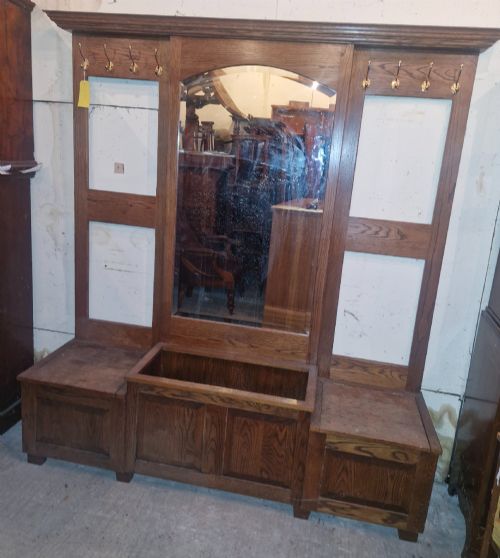
- A large freestanding hall furniture piece combining coat hooks, a mirror, umbrella holders, and sometimes a seat or storage compartment. These items dominated entrance spaces in the Victorian and Edwardian periods.
- Backboard
- The flat wooden plank mounted to a wall to support coat hooks. These boards were frequently fashioned from pine, oak, or mahogany.
- Hat Tree
- A freestanding vertical stand featuring multiple upper branches for hats alongside lower hooks for coats. They are commonly constructed from bent beechwood.
Traditional Wooden Coat Rack: Frequently Asked Questions
Where should I mount a wall rack?
Wall-mounted racks suit narrow entrance halls and reception areas where floor space is limited. Position them at a height that allows family members and guests to reach the hooks easily.
Ensure the backboard is secured directly into wall studs or masonry to support the weight of heavy winter coats and umbrellas.
How do I care for bentwood?
Bentwood stands require minimal maintenance beyond dusting with a dry cloth to preserve the polished surface. Keep them away from direct heat sources and damp environments to prevent the steamed wood from warping.
Applying a light furniture wax occasionally helps nourish the timber and maintain its natural sheen.
What is a hall stand?
A hall stand is a substantial piece of furniture designed for the entranceway that combines coat hooks, umbrella wells, and often a mirror or seat. They became popular in large Victorian and Edwardian homes to organise outdoor wear.
Freestanding hall stands anchor an entryway while serving multiple storage functions in one footprint.
How do I date a coat rack?
Dating relies on observing the materials, construction methods, and hardware styles present on the piece. Victorian examples often feature heavy turned timber and cast brass hooks, while Edwardian and later bentwood items show streamlined curved designs.
Makers' marks or stamps, when present, provide a more precise indication of origin and period.