





Traditional Wooden Banquet Table
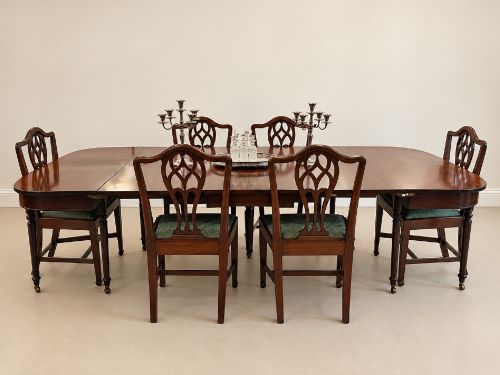
A traditional wooden banquet table anchors the room with substantial presence and generous seating, offering a solid surface for large gatherings and family meals.
Traditional Wooden Banquet Table
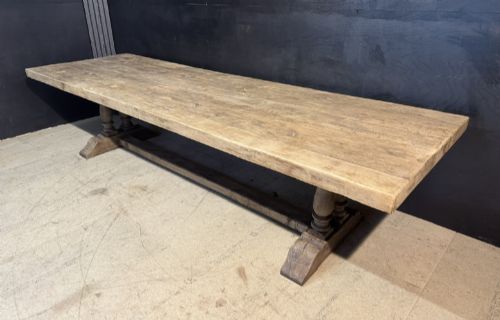
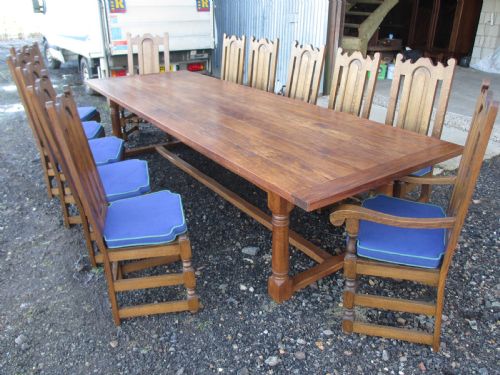
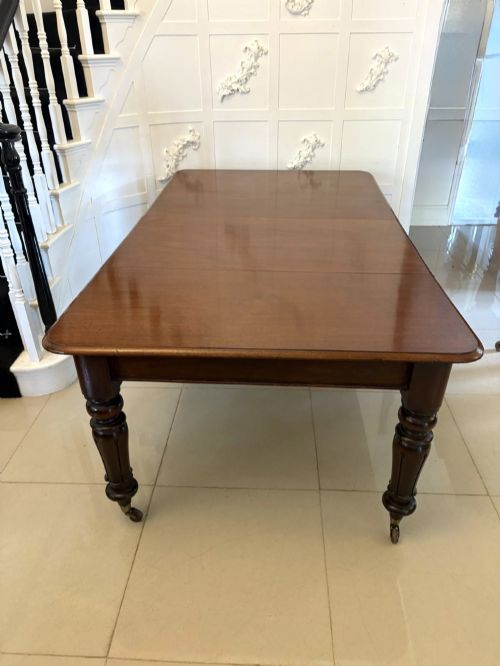
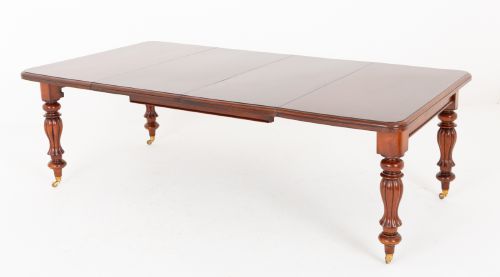
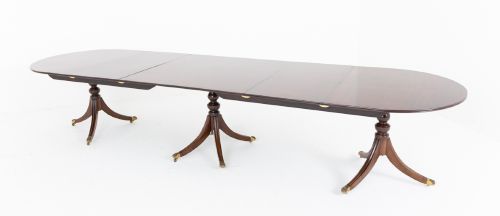
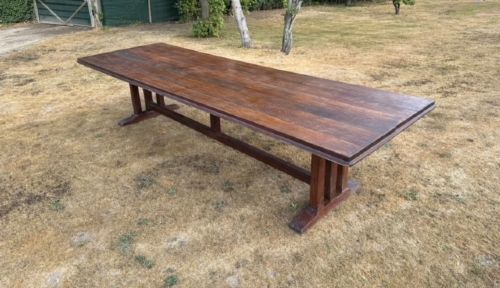
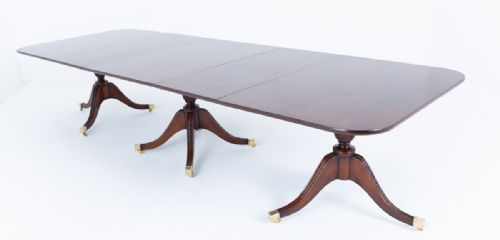
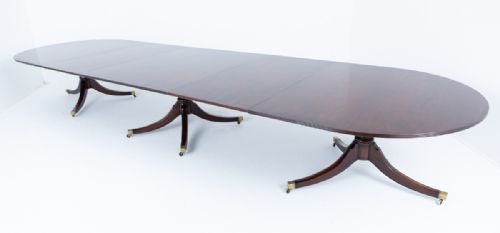
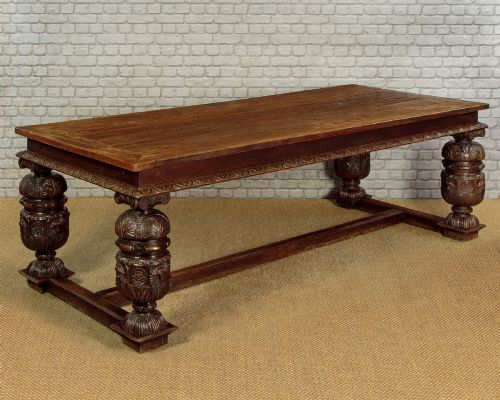
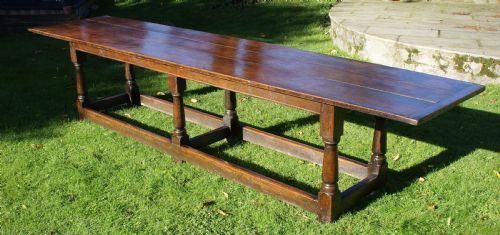
A traditional wooden banquet table appears primarily as an extending dining table or a refectory table designed to seat large numbers of guests, often accommodating ten to twenty-two people. These pieces emerge predominantly from the nineteenth century, including the Regency and Victorian periods, alongside later revivals from the early twentieth century.
Makers constructed these large tables using robust timbers such as mahogany, oak, walnut, and rosewood, frequently incorporating multiple pedestals, pillars, or leaves to manage the extended lengths required for banqueting. Buyers encounter formats ranging from three-pedestal mahogany designs to oak refectory tables and pollard oak extensions.
What varies in quality
Quality rests upon the selection of timber, where heavily figured flame mahogany, pollard oak, or solid rosewood distinguish superior examples from simpler utilitarian pieces constructed in standard timber. The refinement of carving on pedestals, legs, and pillar mounts further separates standard workshop output from exceptional cabinet work.
The integrity of the extending mechanism and the precision with which extra leaves fit into the main structure dictate the overall functionality and execution of the piece.
Traditional Wooden Banquet Table Retail Price Guide 2026
Typical asking prices for traditional wooden banquet table among the pieces listed under this phrase on Sellingantiques today, from the lower quarter to the upper quarter. They describe what is for sale here now, not the wider market.
The documented periods span the seventeenth century, George III era, Regency, William IV, Victorian, Edwardian, and subsequent revival styles.
Gillows of Lancaster
The Traditional Wooden Banquet Table Glossary
- Pedestal
- A central columnar support resting on feet, often grouped in sets of three to hold long dining tables. These supports distribute weight and allow maximum legroom around the perimeter.
- Refectory table
- A long, narrow dining table traditionally used in communal halls and dining rooms. They feature substantial wooden tops supported by trestles or four legs connected by stretchers.
- Extending table
- A dining table designed with removable leaves and internal runners to increase surface area. This mechanism allows the table to accommodate varying numbers of diners.
- Flame mahogany
- A decorative veneer cut from wood where the branch meets the trunk, producing a rippling, flame-like pattern. Cabinet makers used this to create highly figured table tops.
- Pollard oak
- Timber taken from trees that were pollarded, resulting in a dense grain filled with knot clusters and intricate patterns. It provides a distinct textured surface on large furniture.
Traditional Wooden Banquet Table: Frequently Asked Questions
How many people do these tables seat?
These large tables typically accommodate anywhere from ten up to twenty-two guests, depending on the length and the number of extra leaves inserted.
Multi-pedestal designs and refectory forms provide the necessary expanse and structural support for substantial seating arrangements.
How do I operate an extending table?
Extending tables utilise internal wooden runners that pull apart to create a gap in the centre where additional leaves drop or slide into place.
Brass clips or alignment pins often secure the leaves tightly to ensure a level and stable surface across the entire length.
What is the difference between Regency and Victorian tables?
Regency tables, dating from the early nineteenth century, frequently exhibit cleaner classical lines, brass reeded details, and pillar supports. Victorian tables often feature heavier proportions, richer carved pedestal bases, and darker mahogany tones.
Revival pieces from later decades often replicated these distinct historical proportions and decorative vocabularies.
How do I care for a mahogany top?
Protect the polished wood surface by using mats under hot dishes and wiping spills promptly with a dry or slightly damp cloth. Avoid placing the table in direct sunlight or near heat sources to prevent the timber from drying out.
Regular polishing with traditional beeswax maintains the lustre and nourishes the grain over time.