



Traditional Wood Office Chair
A traditional wood office chair brings solid joinery and rich grain to a working room.
Traditional Wood Office Chair
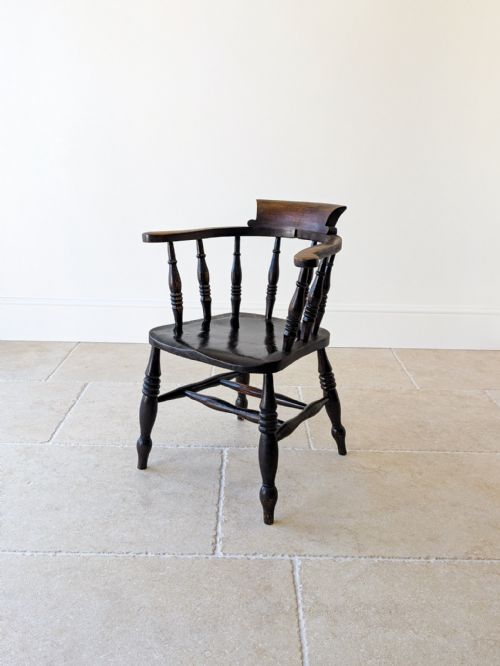
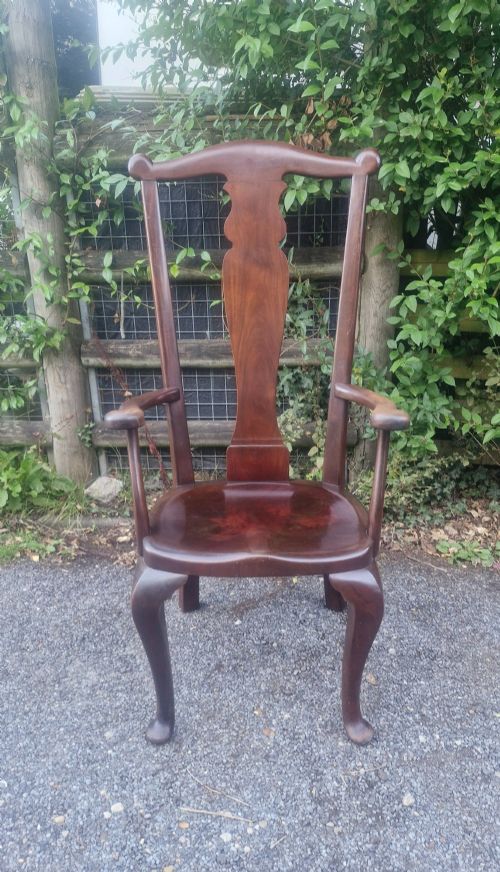
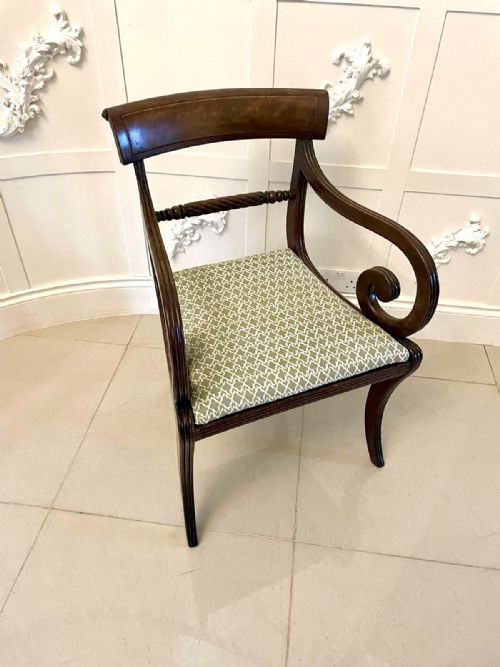
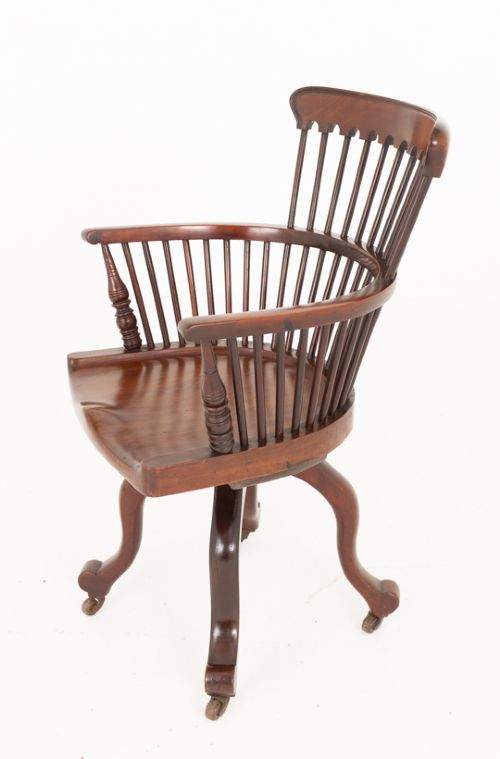
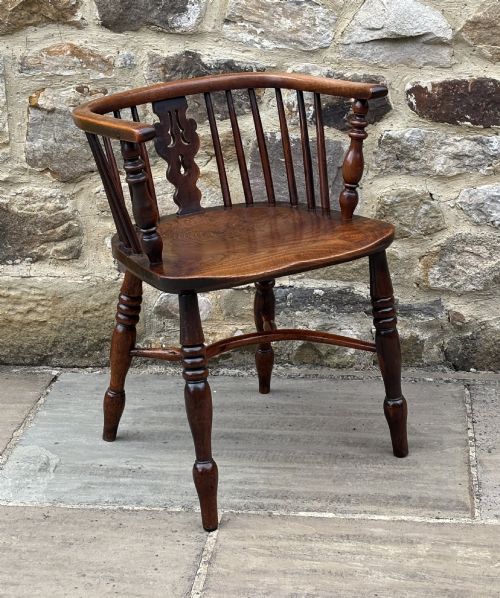
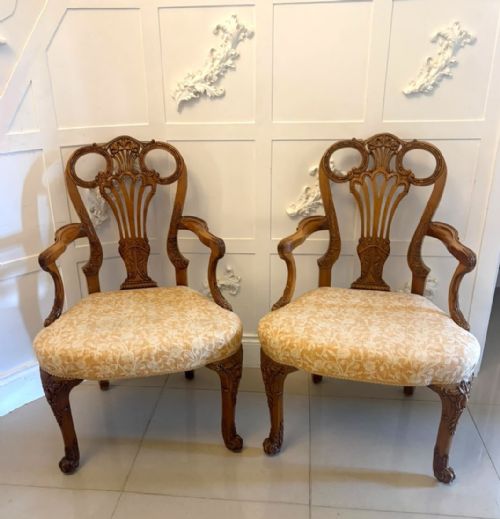
A traditional wood office chair encompasses robust desk armchairs, captain's chairs, and revolving seats designed for working environments. Buyers searching this phrase meet nineteenth-century and early twentieth-century seating spanning Victorian, Edwardian, and Regency styles. These pieces range from vernacular elm country chairs to formal mahogany library armchairs intended for professional studies.
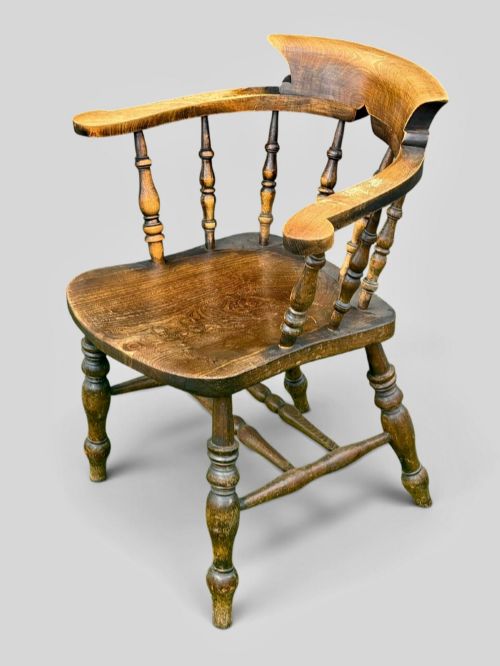
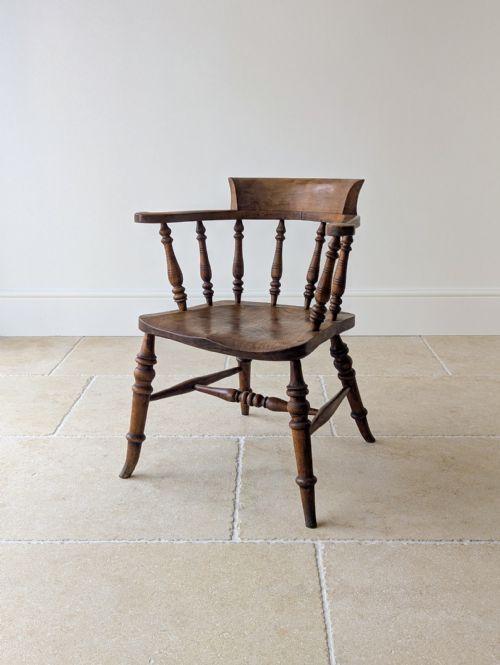
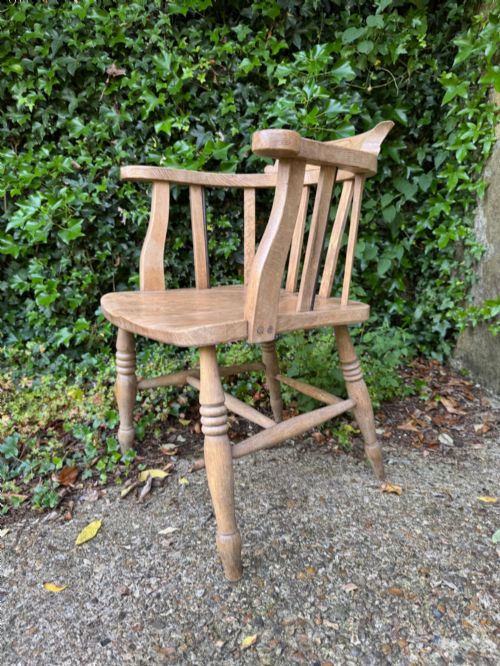
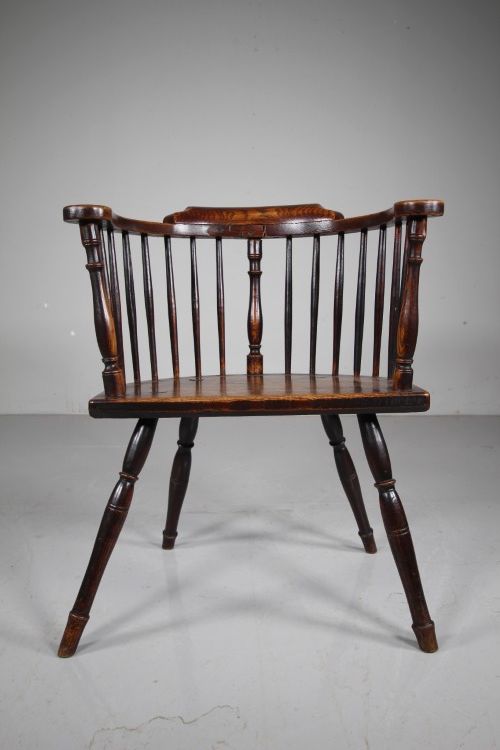
The most common forms on this page include captains chairs, smokers bows, and swivel desk chairs originating from the nineteenth century. Makers constructed these seats using regional timbers suited for daily use in offices and studies. They provide substantial back support and sturdy armrests configured for long hours at a desk.
How they were made
Craftsmen built these chairs using hardwoods such as mahogany, oak, elm, beech, and ash, often combining timbers within a single frame for structural strength. Seat bases frequently employ turned spindles, bentwood rails, and solid sculpted elm, while frames feature traditional mortise and tenon joinery. Some iterations incorporate brass fittings and upholstered leather pads inserted into the wood structure.
Revolving mechanisms on desk chairs utilise iron spindles and wooden pivot blocks concealed beneath the seat to allow movement. Carved details on mahogany and walnut models rely on hand chiselling along the crest rails and arm terminals. Workshops shaped the bow backs of smokers chairs by steaming timber until pliable before fixing it into forms.
Several nineteenth-century chairs carry the honest marks of heavy ink spills and polished elbow rests from clerks who worked by candlelight.
What varies in quality
The distinction between ordinary and superior examples lies in the selection of timber and the depth of carving on the frame. Denser grain configurations in mahogany, walnut, and yew indicate higher grade material selection by the cabinetmaker. Substantial weight and integrated turning demonstrate careful timber preparation rather than hurried assembly.
Proportion and mechanical execution further divide the standard. Swivel mechanisms that turn smoothly without lateral play show superior engineering in the iron components. Refined hand shaping on arm scrolls and spindle junctions separates vernacular workshop output from finer cabinet works.
George Bartholomew & Co.·Cooper & Holt
The Traditional Wood Office Chair Glossary
- Captain's chair
- A sturdy wooden armchair with a low curved back rail supported by spindles, designed for office or domestic use. These chairs frequently feature saddle seats shaped for extended sitting.
- Smoker's bow
- A low-backed Windsor variant with a continuous bentwood armrail resting on short turned spindles. This form originated in English pubs and provincial offices during the nineteenth century.
- Revolving desk chair
- A pivoting seat mounted on a central wooden or iron pedestal base, allowing the user to turn. They often incorporate a four-legged or five-legged base fitted with castors.
- Spindleback
- A chair back constructed from a series of slender turned wooden rods. This construction method offers structural rigidity without heavy visual mass.
- Windsor chair
- A seat built with a solid wooden bottom slab into which the legs, back spindles, and arms are separately tenoned. Regional variations display distinctive bow shapes and leg turnings.
Traditional Wood Office Chair: Frequently Asked Questions
Are these chairs comfortable for daily work?
Many traditional office chairs feature sculpted wooden seats and supportive curved back rails that accommodate long periods of sitting. Models with revolving mechanisms and upholstered leather pads offer additional utility for modern desk use.
Buyers often pair these seats with antique or contemporary desks to create a functional workspace. The sturdy hardwood construction ensures they withstand everyday movement and pressure.
How do I identify a Victorian desk chair?
Victorian desk chairs typically display darker mahogany or walnut timbers, robust turned legs, and often incorporate swivel mechanisms or leather inserts. The styling leans towards heavier proportions and carved crest rails.
Examining the construction methods underneath the seat reveals period joinery such as hand-cut screws and forged iron swivels. These indicators help separate mid to late nineteenth-century production from later revivals.
Can I use a swivel desk chair on wooden floors?
Original castors on nineteenth-century swivel chairs are typically made of brass or iron, which can mark sensitive wooden flooring. Placing a protective mat underneath or replacing the wheels with compatible castors prevents surface damage.
Inspecting the base of the revolving mechanism ensures the central pivot sits level and moves freely across the floor surface.