


Traditional Wood Mirror Frame
A traditional wood mirror frame brings character to a room through carved detail and period craftsmanship.
Traditional Wood Mirror Frame
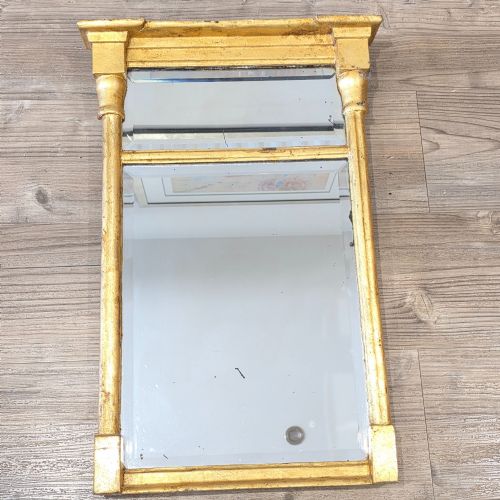
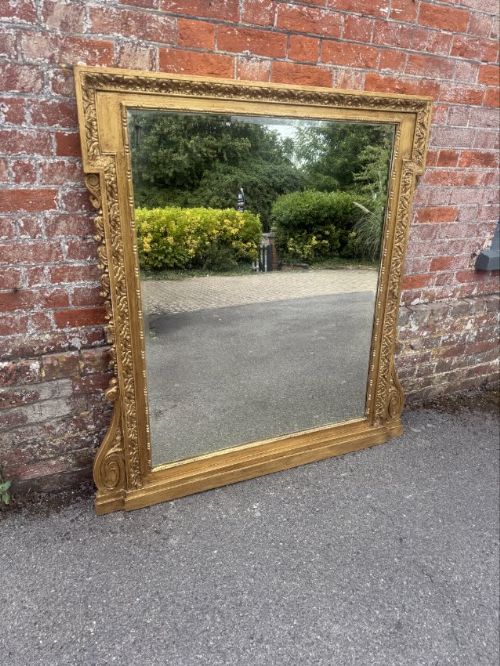
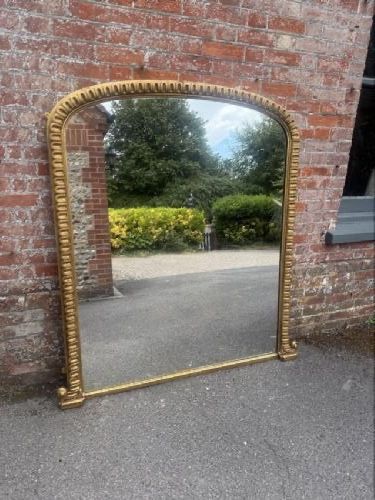
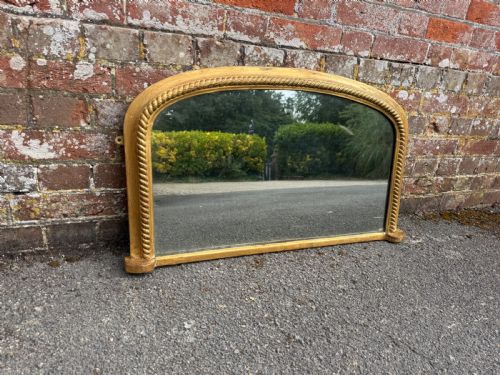
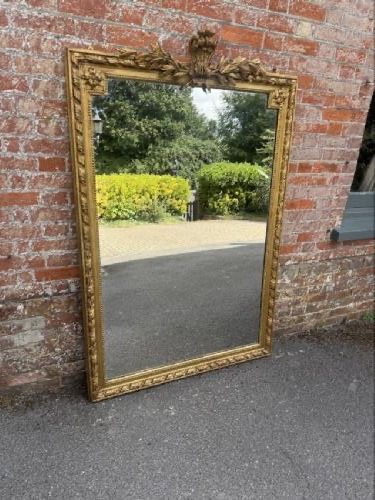
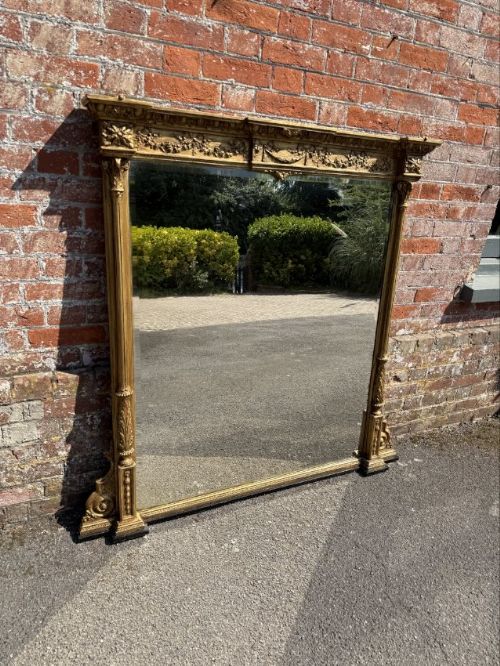
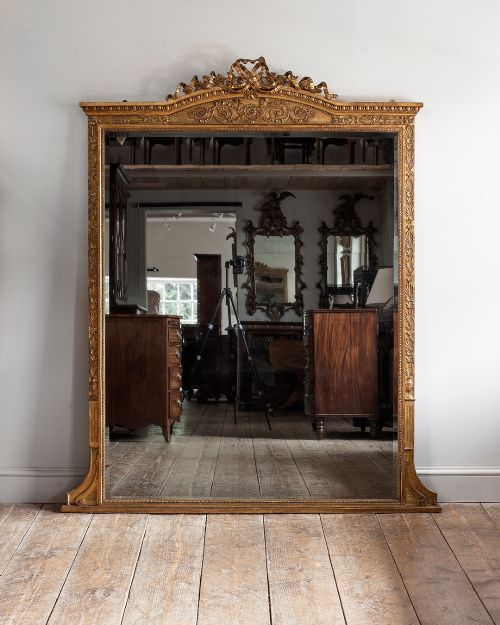
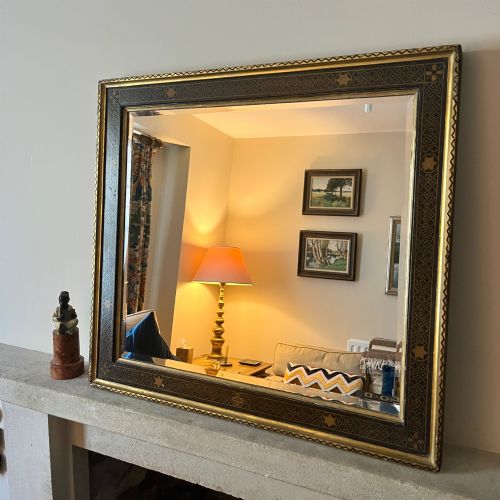
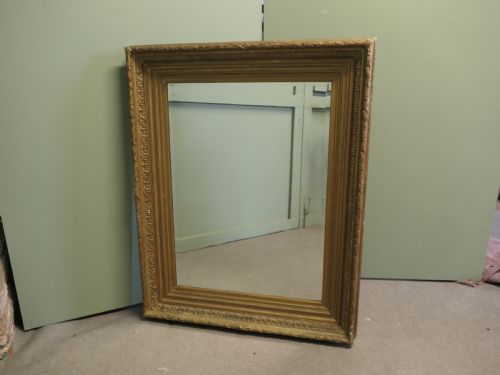
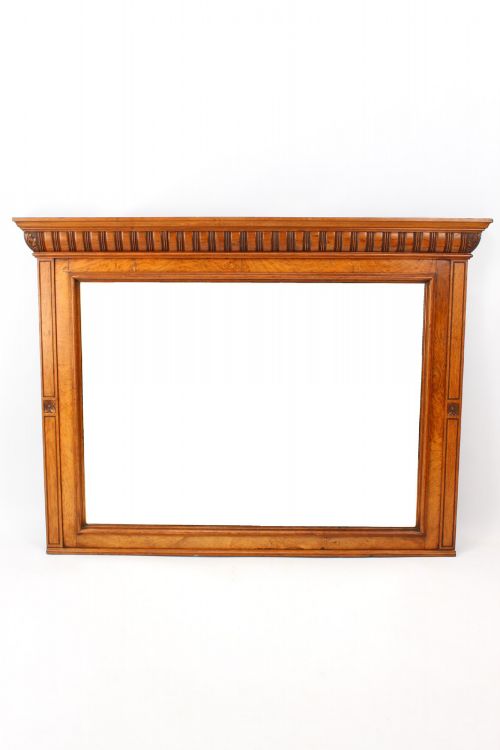
A traditional wood mirror frame comprises wall mirrors, overmantel mirrors, and pier mirrors originating from periods spanning the eighteenth century to the early twentieth century.
The selections available here lean heavily toward nineteenth-century Victorian and English pieces, alongside Georgian, Edwardian, and Regency examples.
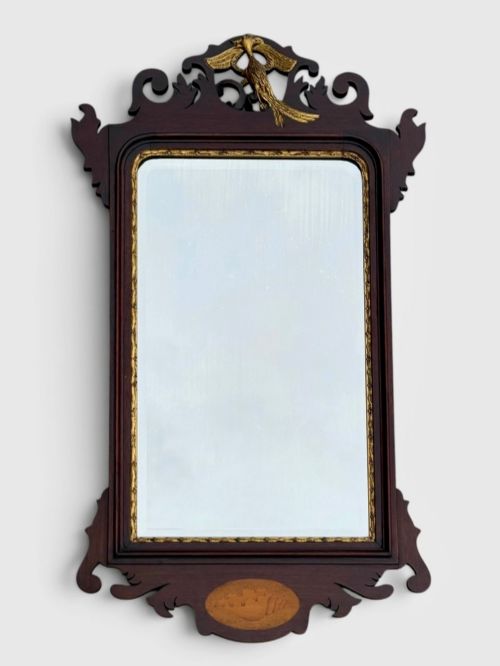
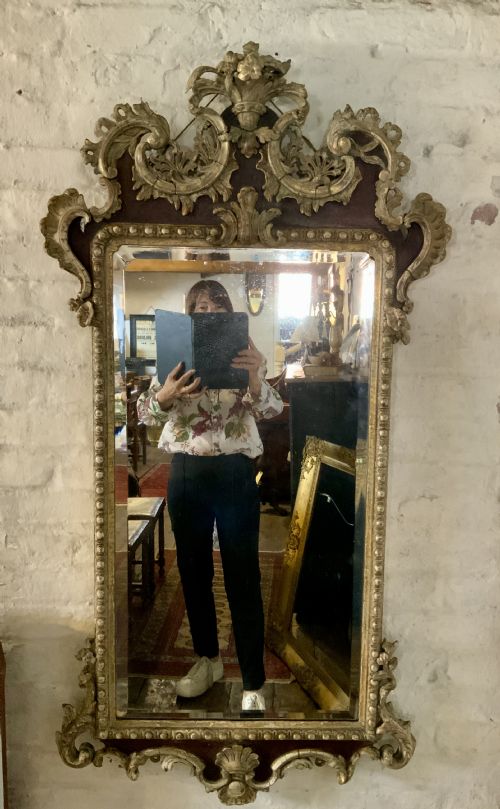
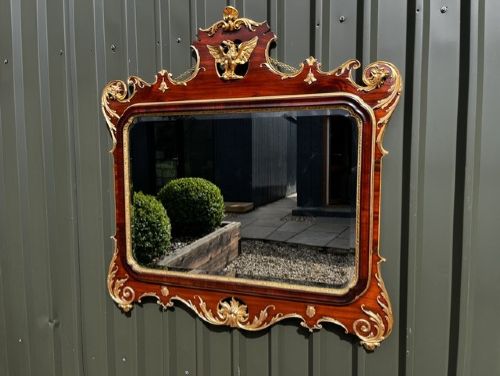
Buyers encounter substantial carved wood and gesso gilt overmantels, mahogany wall mirrors with fret-cut silhouettes, and walnut dressing glasses.
How they were made
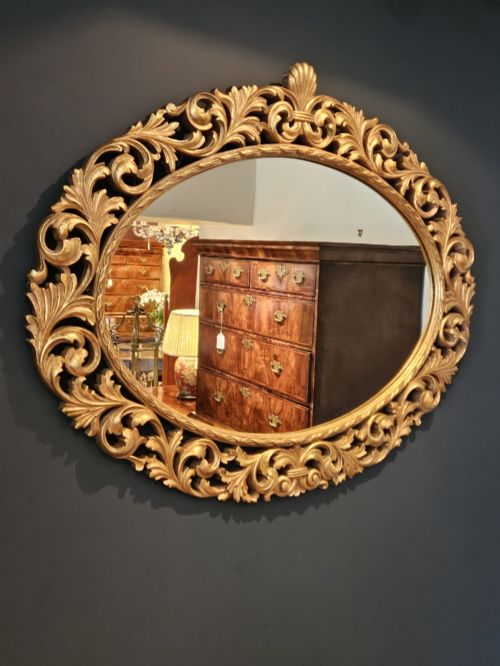
Craftsmen built these frames using foundational timbers such as mahogany, walnut, oak, and rosewood, often applying a layer of gesso to sculpt intricate ornamentation.
Giltwood and gold leaf finishes were then applied to the carved wooden surfaces to create reflective, metallic highlights on the frame profiles.
Sorcerer's convex witch's mirrors distort reflections so a host could watch every guest in the room at once.
What varies in quality
The depth and crispness of the hand-carved wood ornamentation distinguish finer examples from simpler production pieces.
The preservation of the original gesso work and gold leaf or gilt finish dictates the visual impact of the frame over time.
The Traditional Wood Mirror Frame Glossary
- Gesso
- A plaster-like mixture applied to wood surfaces as a base for gilding or painting. It allows craftsmen to model sharp relief details before applying gold leaf.
- Giltwood
- Timber that has been coated with gold leaf or gold paint. This finish defines many formal period mirrors.
- Overmantel
- A large mirror designed to hang specifically above a fireplace mantelpiece. These pieces frequently feature arched tops and landscape orientations.
- Pier mirror
- A tall mirror intended to hang on the narrow section of wall between two windows. They often coordinate with interior architectural proportions.
- Fret cut
- Woodwork shaped using a fretsaw to create intricate openwork patterns. It appears frequently on eighteenth-century style mahogany wall frames.
Traditional Wood Mirror Frame: Frequently Asked Questions
How do I hang a heavy overmantel mirror?
Heavy overmantel mirrors require secure fixings anchored directly into the wall studs or masonry to support the considerable weight of the wood and glass.
Professional hanging hardware distributes the load evenly across the frame structure.
What is a pier mirror used for?
A pier mirror sits on the wall space between windows to reflect natural light deeper into a reception room.
These tall vertical mirrors often accompanied console tables in formal period interiors.
How do I identify a Georgian style frame?
Georgian style frames often feature mahogany timbers, fret-cut outlines, and carved motifs such as ho-ho birds or scrollwork.
They reflect the symmetrical and architectural design priorities of the eighteenth century.
Can I clean gesso and giltwood frames?
Gesso and giltwood surfaces require gentle dusting with a dry, soft brush to remove surface debris without damaging the delicate finish.
Water and chemical cleaning agents can dissolve the historical gesso layers.