
Traditional Wood Dining Table
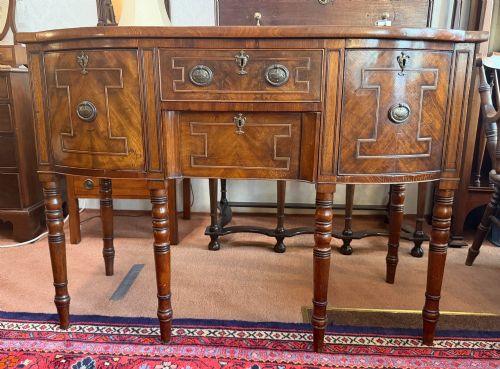
A traditional wood dining table grounds a room, bringing together centuries of timber craftsmanship from Georgian mahogany to rustic oak farmhouse boards.
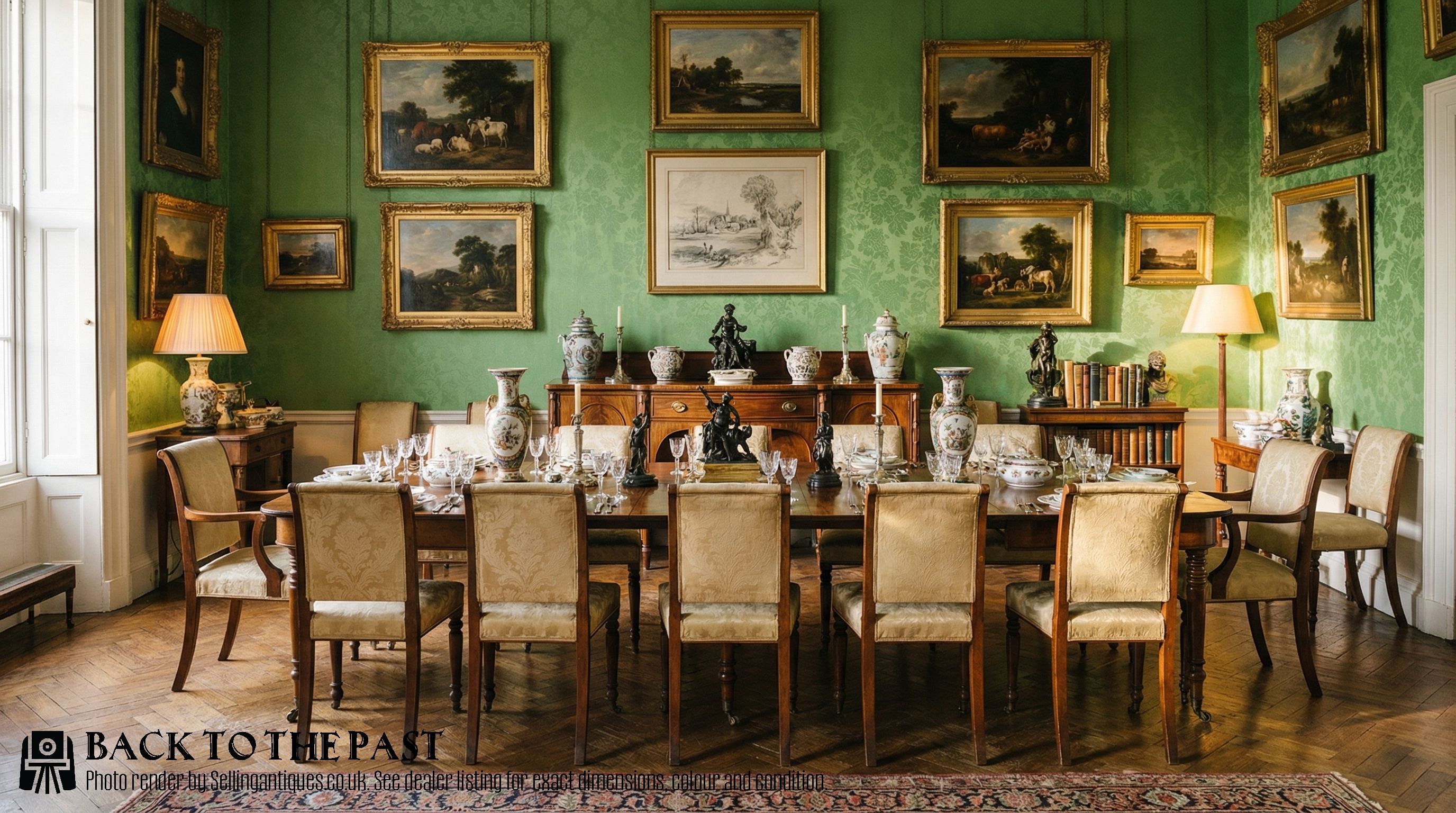
Traditional Wood Dining Table
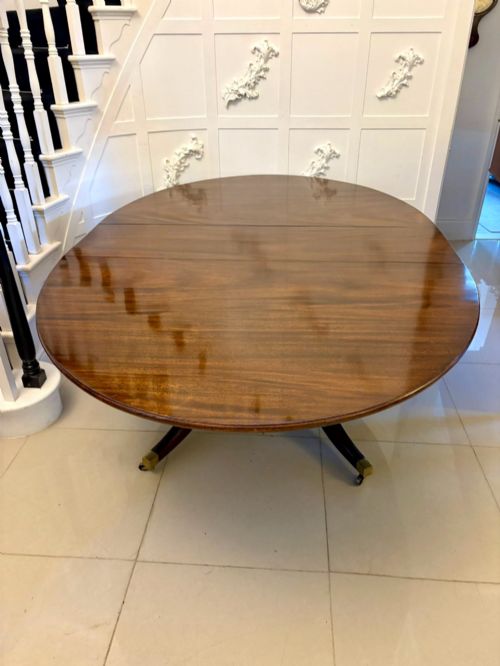
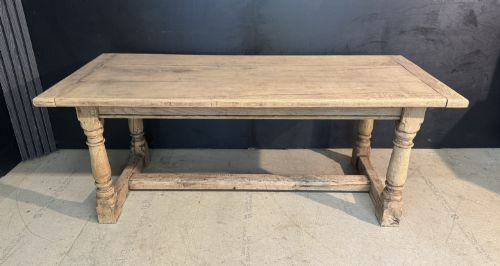
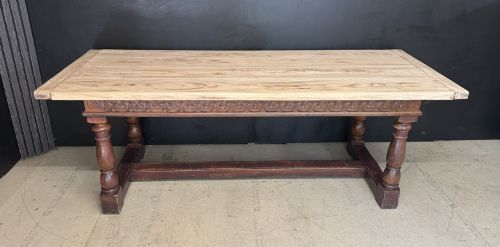
A traditional wood dining table spans formal pedestal designs, gateleg space-savers, and heavy refectory boards. Buyers searching for a traditional wood dining table encounter solid timbers built for daily gatherings and extended feasts alike.
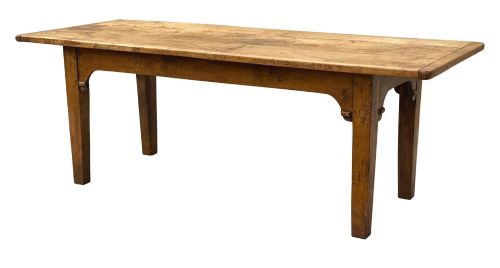
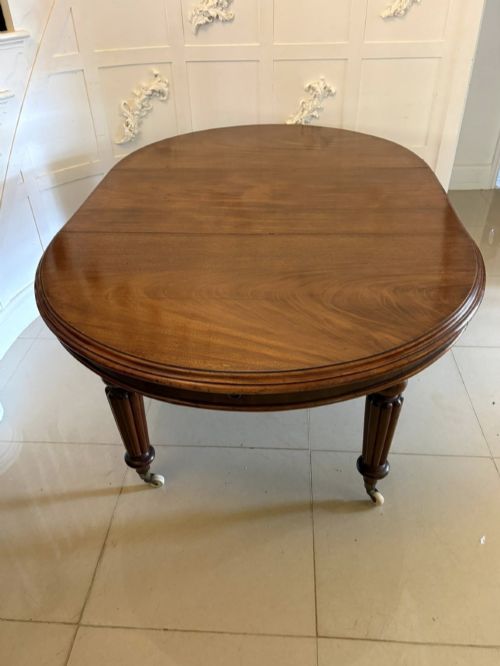
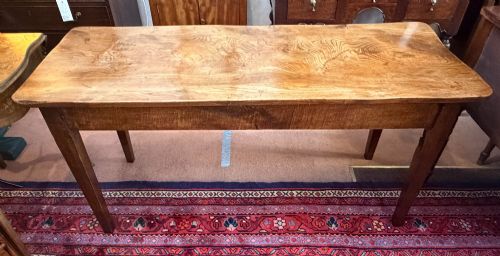
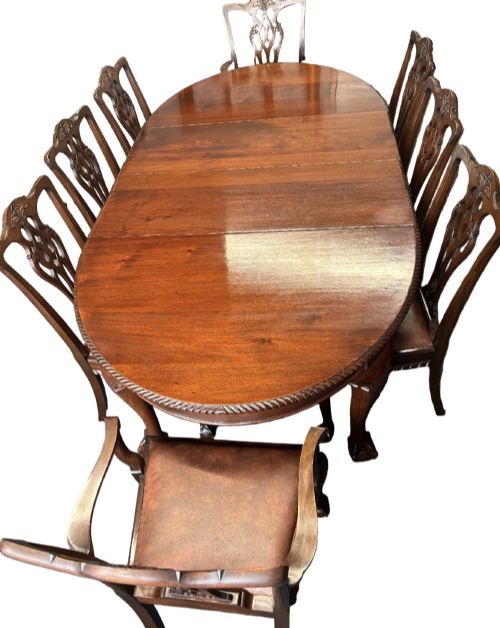
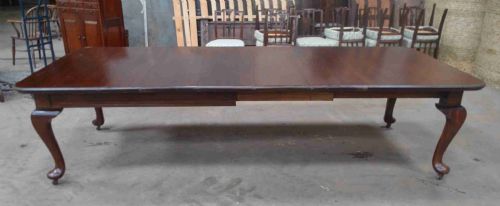
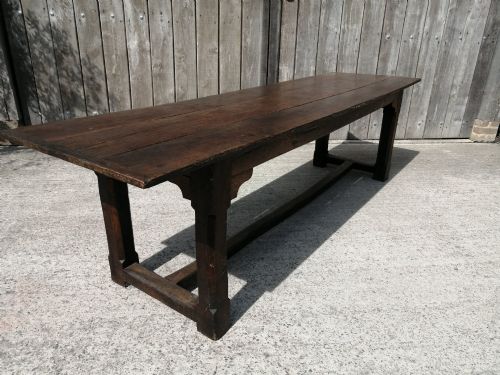
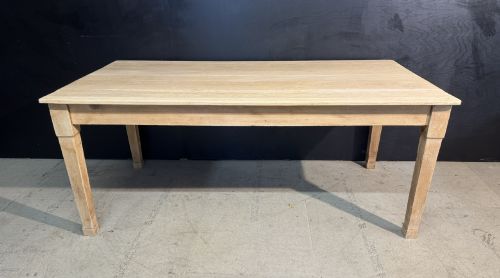
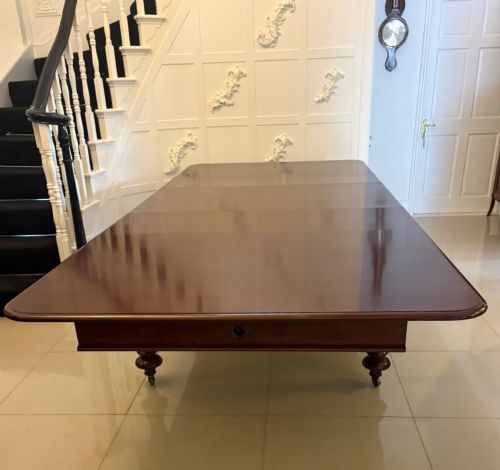
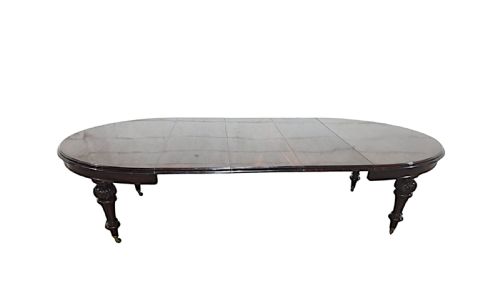
The selections here range from expansive nineteenth-century mahogany extending mechanisms to eighteenth-century single plank oak tops. French provincial farm tables and Regency revival pedestals sit alongside sturdy kitchen tables in pine and elm.
Makers and workshops utilised native and imported woods to shape surfaces that bear the marks of decades of family life. These forms reflect the functional demands of country houses, town residences, and tavern rooms across British and European traditions.
Materials and construction methods
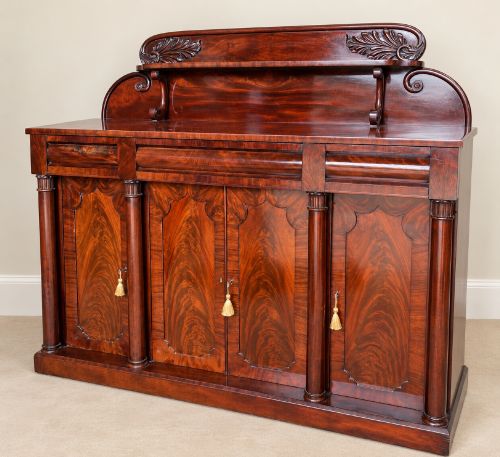
Cabinet makers relied on dense hardwoods like mahogany, oak, walnut, and elm for structural integrity and longevity. Grain patterns were enhanced through flame mahogany veneers, while brass castors and fittings supported heavy extending mechanisms.
Joinery methods varied from pegged mortise and tenon joints on early refectory tables to sophisticated wind-out winding gears on Victorian extending versions. Thick single planks and heavy stretchers provided the stability required for large dining boards.
Traditional Wood Dining Table Retail Price Guide 2026
Typical asking prices for traditional wood dining table among the pieces listed under this phrase on Sellingantiques today, from the lower quarter to the upper quarter. They describe what is for sale here now, not the wider market.
Scottish country houses required specialised Scottish country house dinner gongs to summon guests to these very tables.
Assessing quality in timber furniture
Quality rests in the selection of timber, from finely figured mahogany to thick, unyielding oak planks. Superior pieces exhibit careful grain matching and robust underframes that prevent sagging across extended lengths.
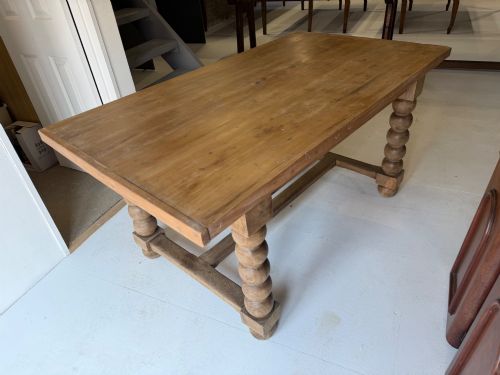
Refinement of detail distinguishes everyday utility from high craftsmanship, seen in well-turned bobbin legs, crisp pedestal carving, and smooth mechanical extension systems. The integrity of the original joints and timber seasoning dictate the enduring stability of the piece.
The Traditional Wood Dining Table Glossary
- Refectory table
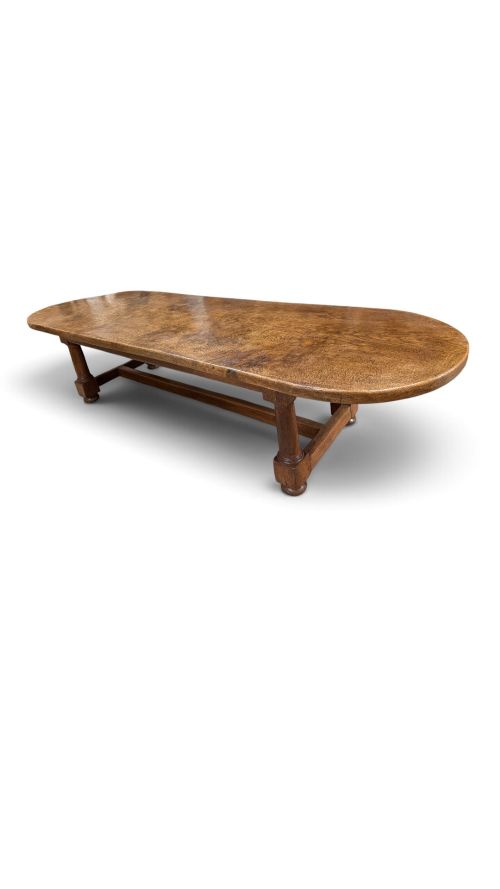
- A long, narrow dining table traditionally used in monasteries and great halls. These pieces typically feature thick timber tops supported by heavy legs and central stretchers.
- Extending table
- A dining table designed with leaves or internal mechanisms to expand seating capacity. Victorian and later versions often utilise winding handles or pull-out pull extensions.
- Gateleg table
- A drop-leaf table where the hinged leaves are supported by swing-out legs resembling a gate. This form offers a space-saving footprint when folded.
- Pedestal table
- A table supported by one or more central pillars rather than four corner legs. These central columns frequently branch into carved feet fitted with brass castors.
- Flame mahogany veneer
- A thin slice of mahogany timber cut from the fork of the tree to create a distinctive flickering flame pattern. Cabinet makers applied this to prominent surfaces for visual depth.
Traditional Wood Dining Table: Frequently Asked Questions
How do I choose the right size dining table?
Consider the daily seating requirements alongside the maximum extension capacity needed for hosting guests. Measure the dining room space carefully to allow sufficient clearance around the table for chairs to pull out comfortably.
Larger spaces accommodate triple pedestal mahogany tables or refectory boards, while smaller rooms benefit from gateleg or compact pedestal designs.
How do I maintain a antique wood table?
Apply natural beeswax periodically to nourish the timber and maintain a soft lustre on the surface. Avoid placing wooden tables near direct heat sources or in strong sunlight to prevent timber splitting.
Use coasters and placemats to protect polished mahogany and oak surfaces from moisture and heat marks during daily use.
What is the difference between a refectory table and a farmhouse table?
Refectory tables originate from communal dining traditions, characterised by long, narrow proportions and sturdy underframes with stretcher rails. They often feature formal oak construction dating back to earlier centuries.
Farmhouse tables tend to have broader working surfaces intended for practical kitchen use, constructed from varied timbers like pine, sycamore, or fruitwood.
How do extending mechanisms work on older tables?
Nineteenth-century extending tables often utilise a screw mechanism operated by a removable winding handle that parts the central top. Additional leaves insert into the gap to lengthen the surface.
Earlier formats rely on drop leaves, pull-out extensions, or simple draw-leaf designs where leaves slide out from beneath the main top.