



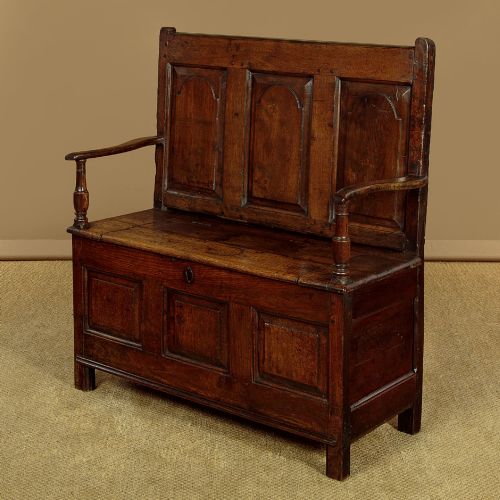
Traditional Wood Coffer
A traditional wood coffer is a robust storage chest built to hold household valuables, offering honest period character and practical depth for modern interiors.
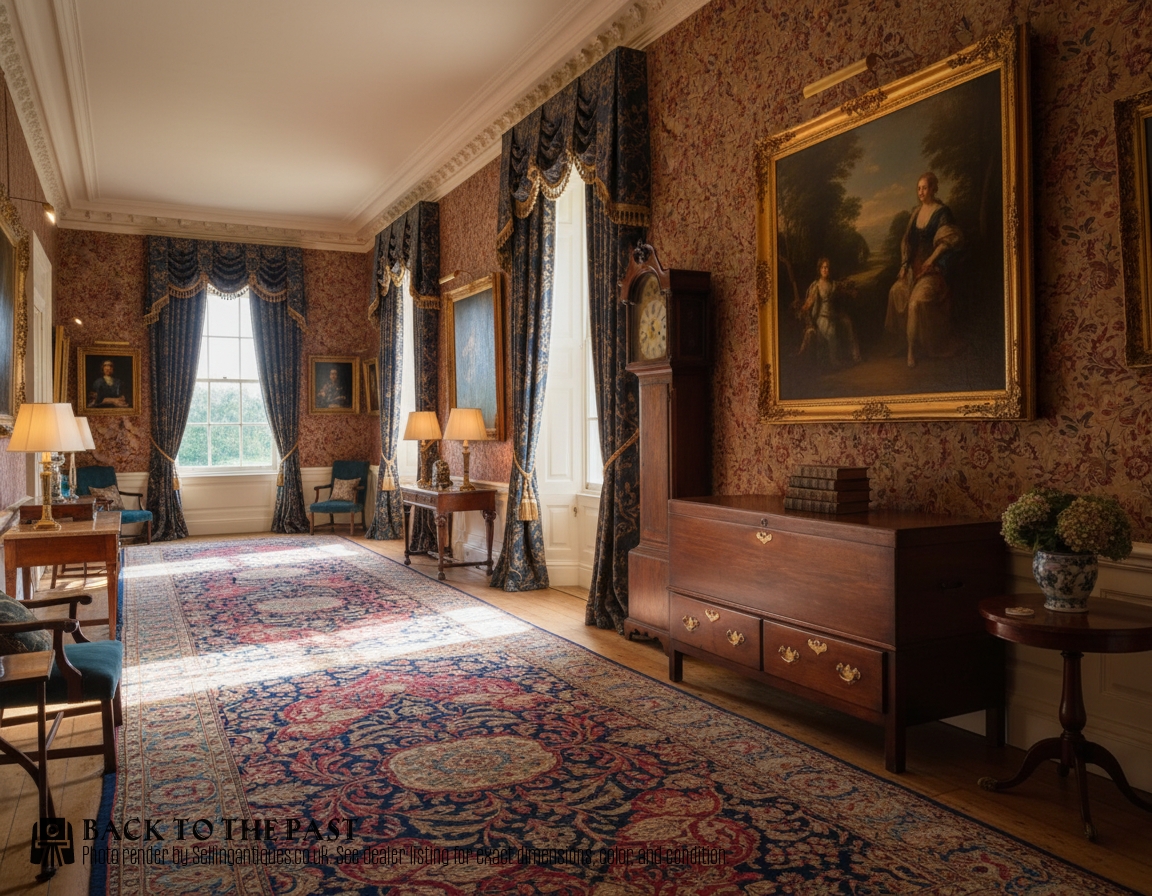
Traditional Wood Coffer
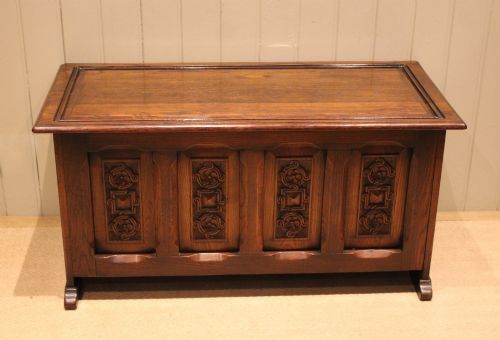
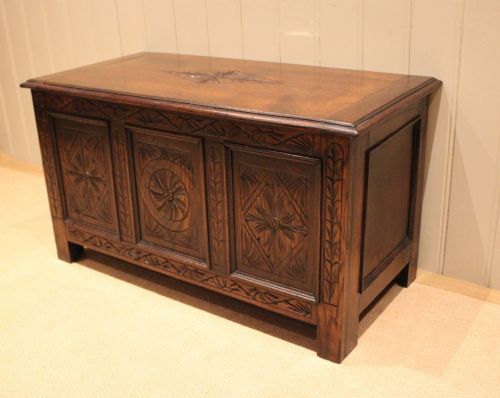
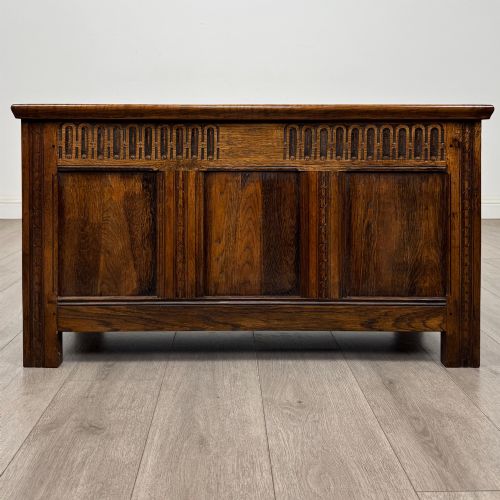
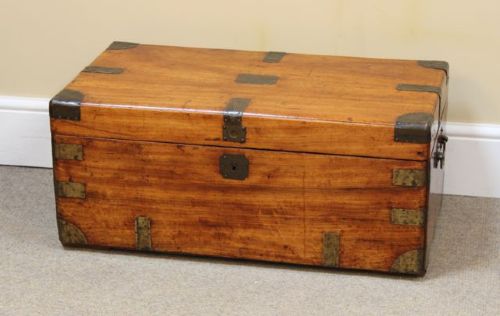
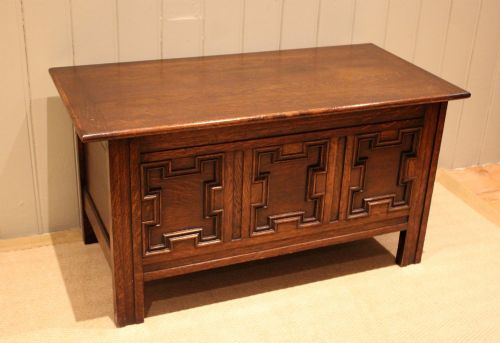
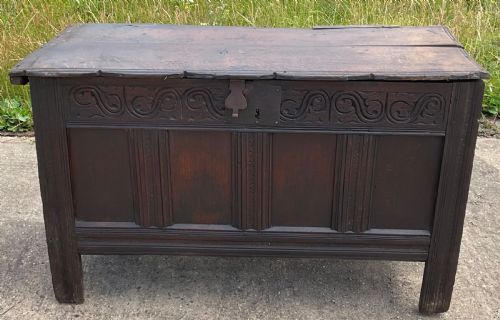
When you search for a traditional wood coffer, you encounter solid storage pieces designed for domestic utility across multiple centuries and regions. These include robust oak coffers from the seventeenth, eighteenth, and nineteenth centuries, alongside blanket boxes and dowry chests.
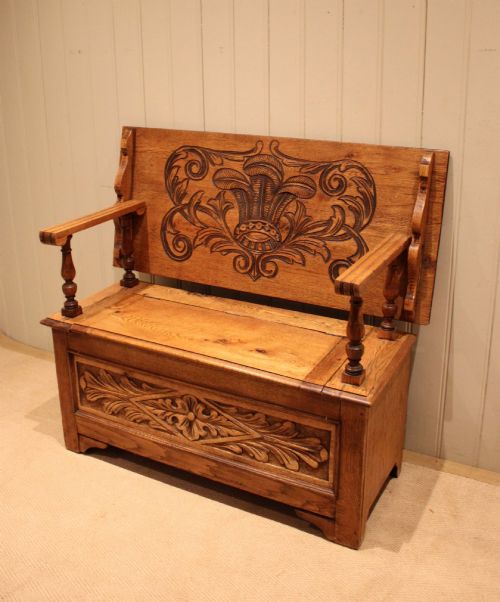
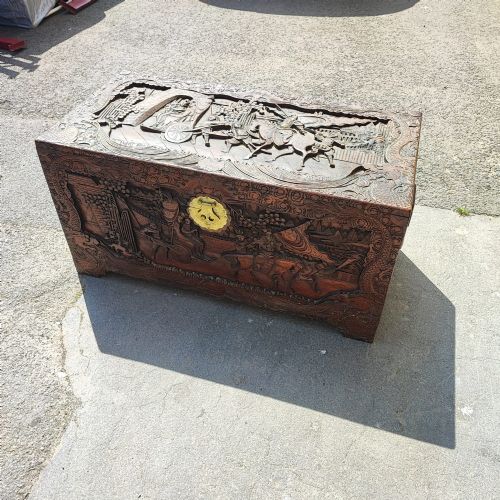
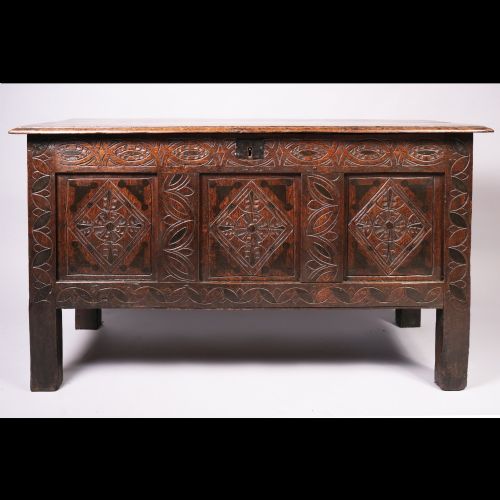
The most common examples on this page are carved oak pieces from the Georgian and later revival periods, alongside elm six-plank boards and camphorwood trunks. Form follows function closely, resulting in sturdy lidded boxes that often double as benches or blanket chests.
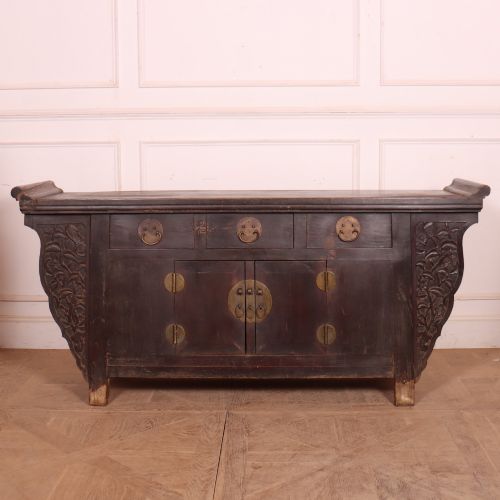
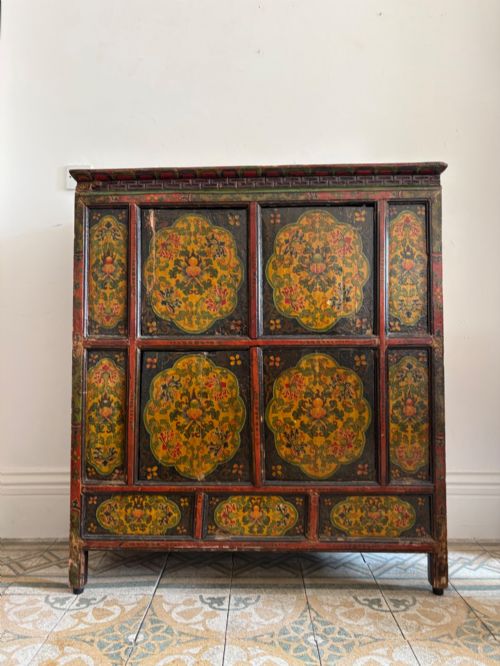
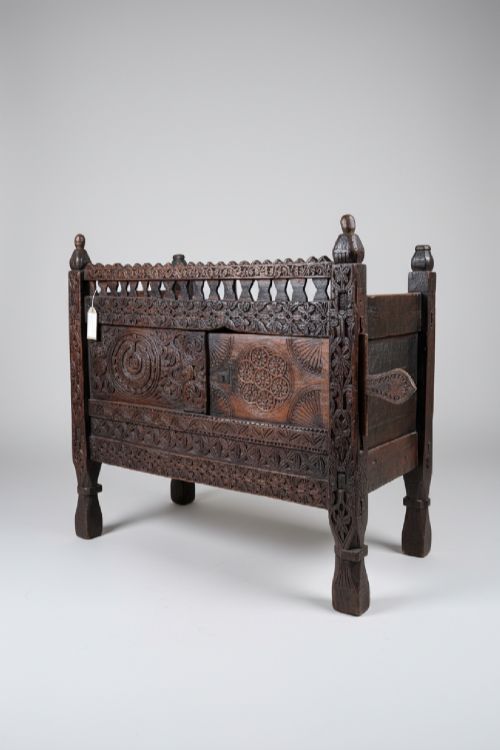
Geographic variety adds breadth to the search, ranging from English oak and French cherrywood to Chinese lacquer, Indian teak, and Scandinavian painted boxes. Each regional variation employs local timber while maintaining the fundamental enclosed box structure.
What varies in quality
Quality rests in the integrity of the timber selection and the retention of original structural surfaces, distinguishing honest period survivors from heavily altered examples. Dense grain execution and crisply carved relief work indicate superior workshop execution.
The presence of original hardware, working locks, and untouched patination elevate a piece above those with replaced lids, modern ironmongery, or stripped surfaces.
Regional styles represented on this page include Jacobean revival, French provincial, Qing dynasty, and Scandinavian painted traditions.
The Traditional Wood Coffer Glossary
- Six-plank
- A primitive chest construction method utilising six distinct boards joined directly at the edges to form the box. This technique represents an early and straightforward approach to cabinet making.
- Mule chest
- A storage chest fitted with one or more drawers beneath the main compartment. It bridges the design gap between the simple coffer and the chest of drawers.
- Dowry chest
- A traditional trunk prepared to hold a bride's household possessions and linens. These pieces often display regional decorative carving or painted finishes.
- Cassone
- A large Italian marriage chest typically decorated with elaborate carving or painted panels. These ornate items served as central furnishings in wealthy Renaissance households.
Traditional Wood Coffer: Frequently Asked Questions
What did people store in a traditional wood coffer?
These chests primarily held domestic valuables, including household linens, woollen blankets, legal documents, and silver. Their heavy construction and lockable lids protected precious items from theft, dampness, and pests.
Over time, their internal capacity made them versatile depositories for bulky winter clothing and family heirlooms across various European and Asian households.
How do I use a coffer in a modern home?
A coffer functions naturally at the foot of a bed for storing spare bedding, or as a coffee table in a living room. Its flat top provides a useful surface while concealing everyday clutter inside.
Placing one in an entrance hall creates practical seating for putting on shoes alongside concealed storage for bags and outdoor accessories.
How can I tell an older oak coffer from a later revival piece?
Older pieces display natural timber shrinkage, hand-cut joinery marks, and ironwork secured by hand-hammered nails. The patination develops deep warmth through centuries of handling and wax application.
Revival pieces from the nineteenth or twentieth centuries often show more uniform machine-sawn timber dimensions and cleaner interior surfaces without the wear patterns of early daily use.
Why do some coffers have drawers underneath?
Adding drawers below the main compartment evolved to improve accessibility without requiring users to lift the entire heavy lid for smaller items. This development created the mule chest, combining deep chest storage with drawer convenience.
Such pieces allowed frequently needed garments to be accessed quickly from the lower section while bulky textiles remained secure in the upper box.