
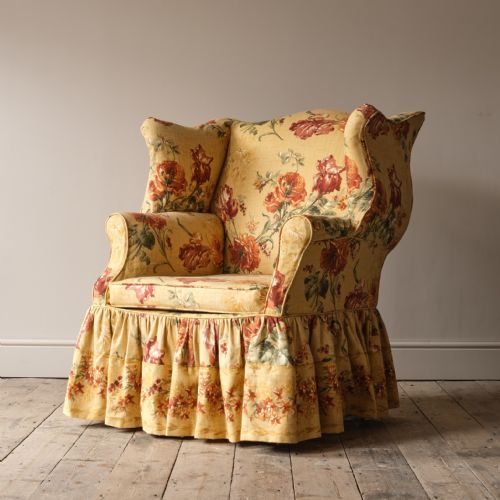
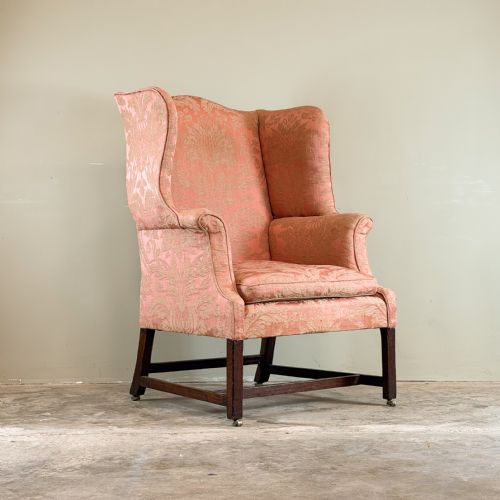
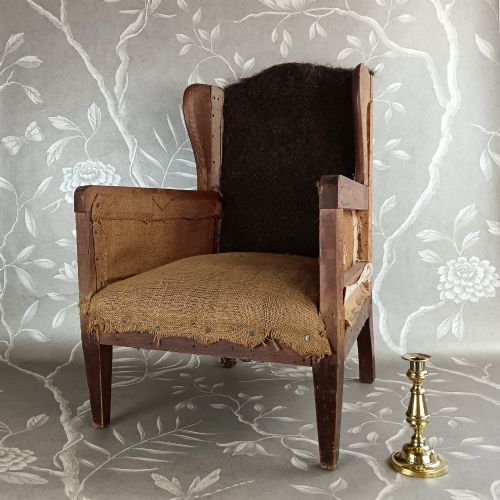
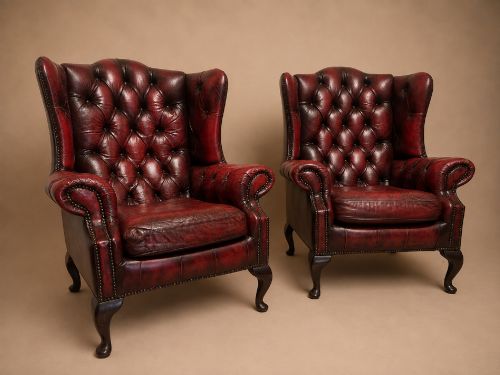
Traditional Winged Armchair
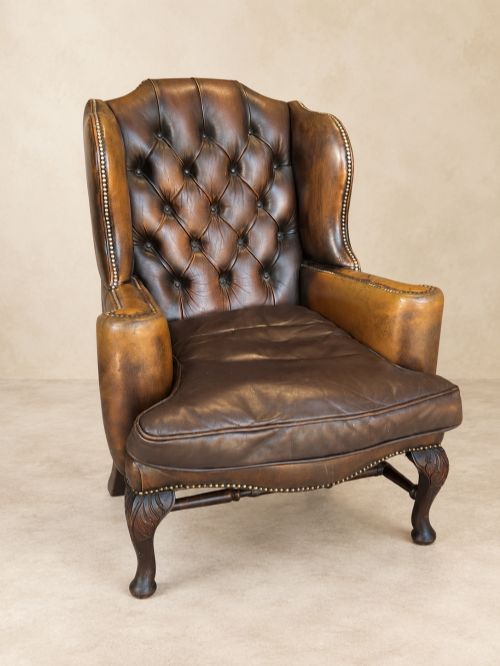
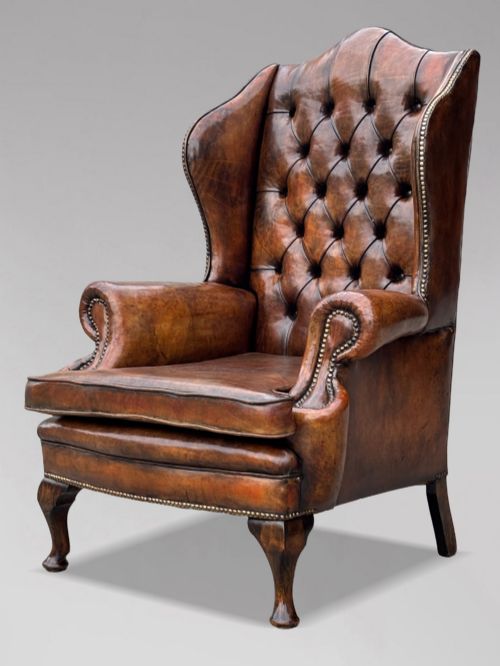
A traditional winged armchair keeps the draughts from your neck while offering a deeply supportive seat for the fireside.
Traditional Winged Armchair
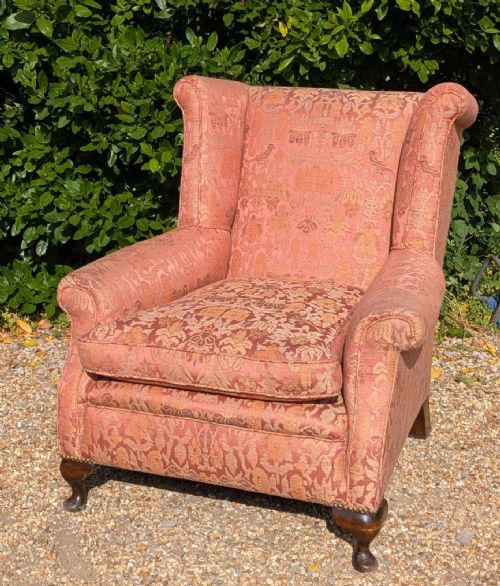
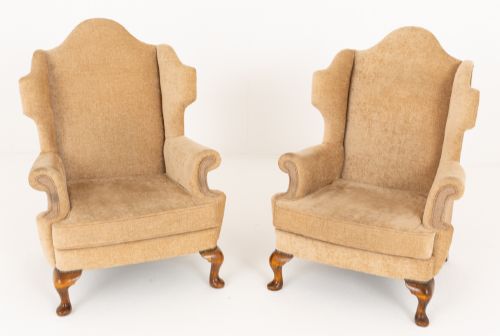
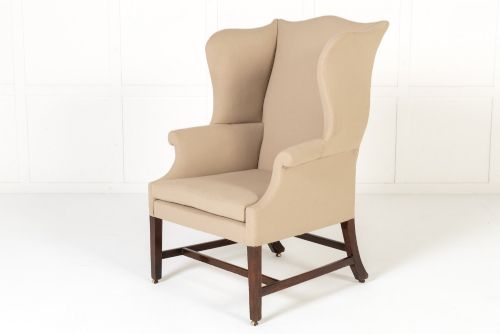
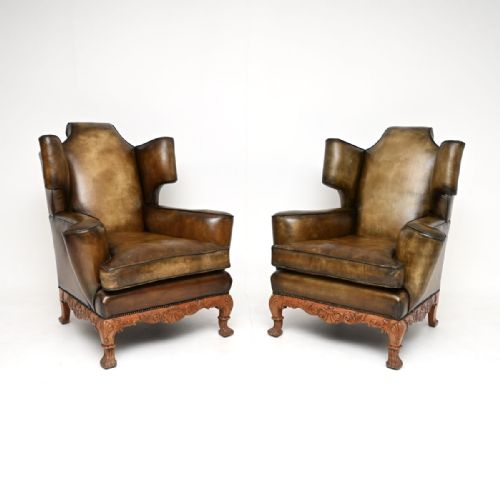
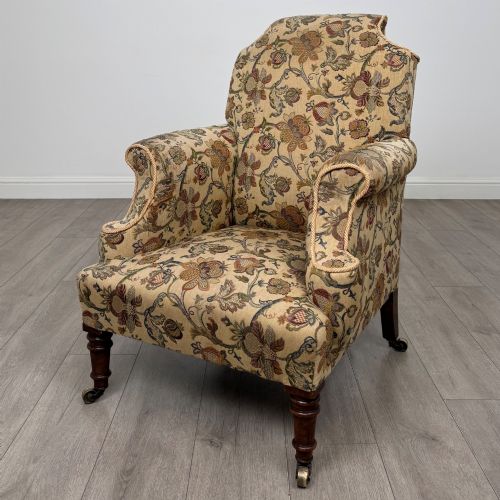
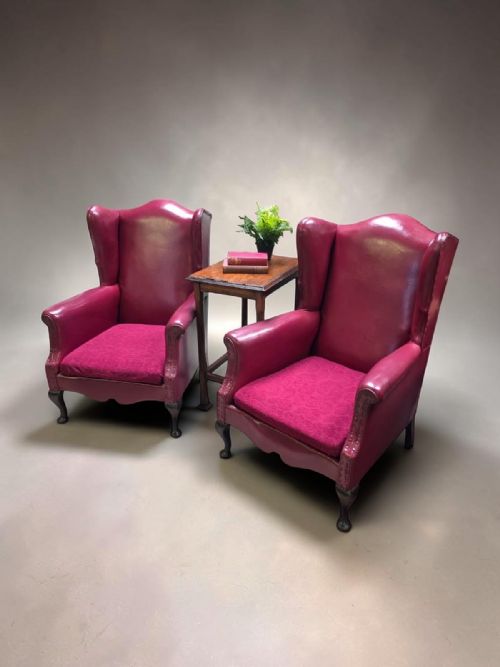
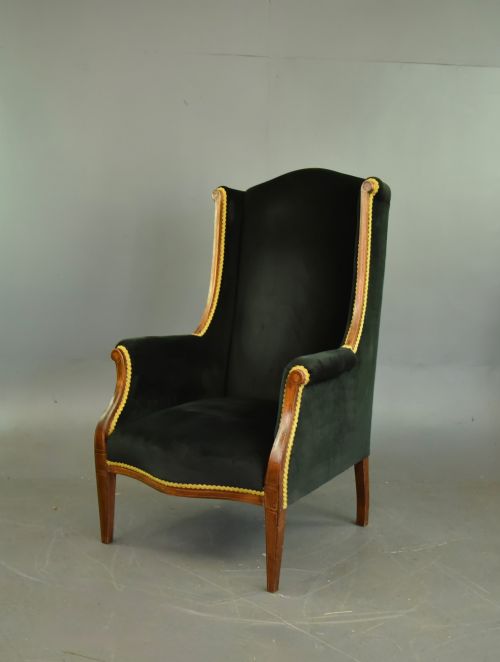
When you search for a traditional winged armchair, you encounter seating designed for warmth and comfort by enclosing the head and shoulders in protective upholstered wings. The examples you meet on this page span several centuries, with particular emphasis on 18th Century and Georgian forms alongside later Victorian and 20th Century iterations.
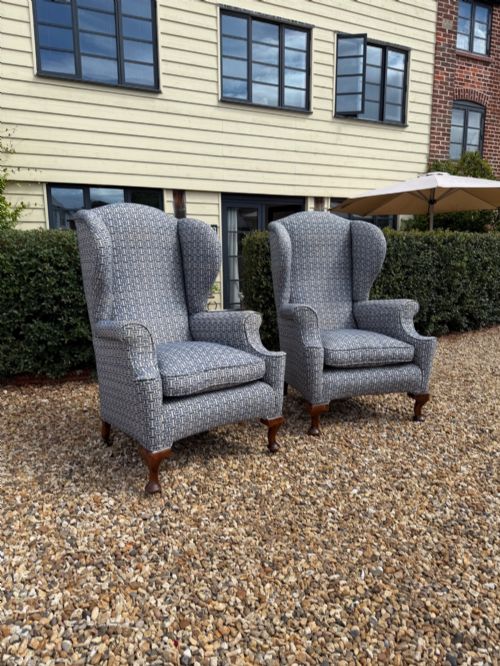
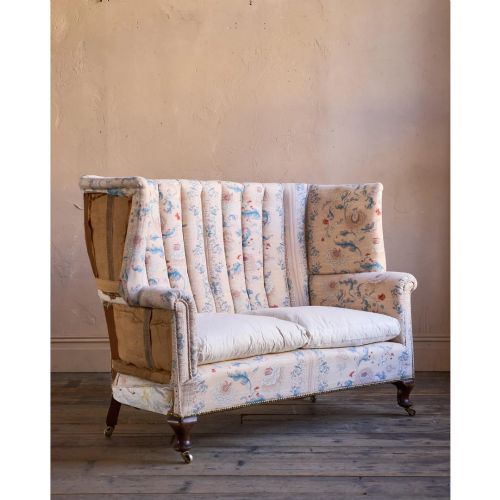
The assortment includes imposing walnut and mahogany frames alongside oak structures, often featuring deep buttoning, generous proportions, and specialised variations like barrel backs or lambing chairs. You will find both single pieces and matched pairs upholstered in leather, velvet, chenille, plaid, and calico.
Origins range across English country house styles, Scottish designs, and occasional continental European pieces, reflecting the enduring utility of a high-backed seat designed to block cold air currents.
What varies in quality
The distinction between tiers of quality rests primarily on the integrity of the timber frame, the scale of the proportions, and the authenticity of the period joinery. Finer pieces demonstrate robust carving on the legs and a well-balanced silhouette that maintains its architectural shape through the wings and back.
Material selection further defines the standard, distinguishing between standard commercial output and exceptional workshop productions utilising premium leathers, fine mahogany, or specialised traditional upholstery methods such as feather filling and traditional stuffing.
The selection includes regional variations such as Scottish Whytock and Reid armchairs, Orkney chairs, and Lakeland lambing chairs alongside standard Georgian styles.
Howard And Sons·Whytock And Reid
The Traditional Winged Armchair Glossary
- Wingback
- An armchair featuring upholstered extensions or wings flanking the backrest designed to shield the sitter from draughts. These elements define the classic silhouette.
- Barrel back
- A seating form where the upholstered back curves continuously around to form integrated arms. This creates a deeply enclosed and cocooning seat.
- Ball and claw
- A type of furniture foot carved to resemble a bird's talon gripping a ball. It frequently appears on Georgian and revival framework.
- Lambing chair
- A traditional high-backed seating form, often constructed from wood and upholstery, historically used by shepherds and farmers. They typically feature enclosed sides for maximum warmth.
- Buttoning
- An upholstery technique where indentations are formed by pulling twine or thread tight through the padding and securing it with buttons. This creates a padded diamond pattern.
Traditional Winged Armchair: Frequently Asked Questions
What is a traditional winged armchair?
A traditional winged armchair is a high-backed seat featuring projecting upholstered side panels, known as wings, designed originally to trap heat and block draughts from open fires.
Over the centuries, cabinetmakers and upholsterers adapted the form across Georgian, Victorian, and Edwardian periods, utilising materials from mahogany and walnut to leather and heavy woolen textiles.
How do I date a wingback chair?
Dating a wingback chair involves examining the timber of the exposed frame, the style of the legs, and the carpentry methods used in the internal construction.
Earlier 18th Century examples often display walnut or mahogany frames with distinct regional characteristics, while Victorian and later revival pieces incorporate different proportions and machine-assisted joinery.
Were wing chairs used in bedrooms?
While primarily associated with libraries, parlours, and firesides where draught protection was paramount, large upholstered seating frequently served multiple domestic rooms.
Their primary function remained comfort and shelter from cold air currents in substantial country houses and smaller residences alike.
What are the wings on an armchair for?
The upholstered side panels were originally engineered to catch heat from the fireplace and shield the occupant's head and neck from cold drafts in unheated rooms.
Over time, the feature evolved from a purely functional heating adaptation into a distinct stylistic hallmark of traditional British seating.