
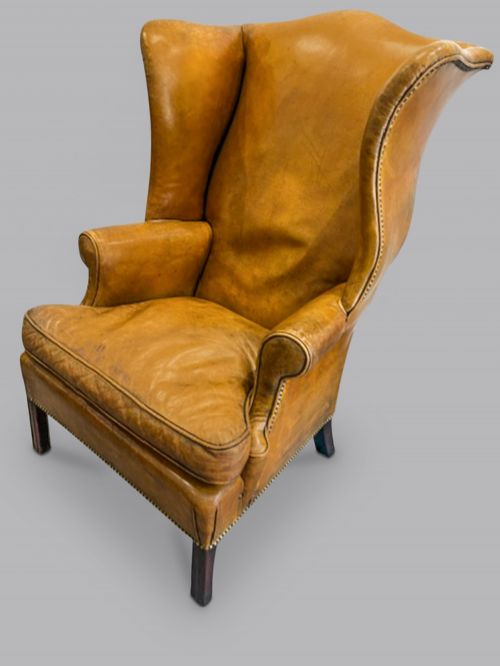
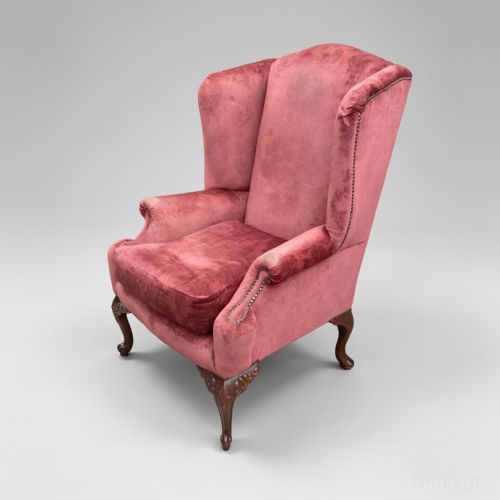


George III Fireside Chair
A george iii fireside chair is a substantial upholstered seat designed to block draughts, bringing period character and comfort to any room.
George III Fireside Chair
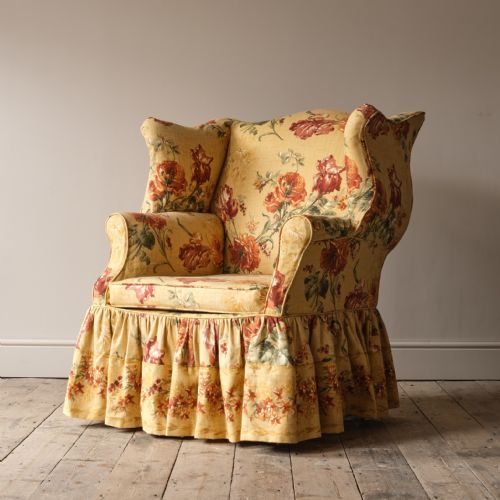
A george iii fireside chair typically takes the form of a high-backed wing chair designed to keep out chilly drafts near the hearth. The pieces found here span genuine Georgian examples alongside later revivals from the nineteenth and twentieth centuries.
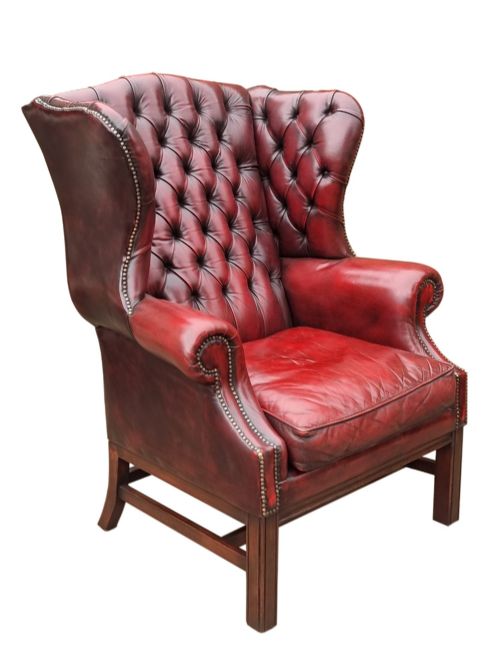
Common regional variations include the deep-seated drunkards chair and the curved barrel back armchair, alongside grander button-back versions. Mahogany and walnut provide the structural framework for the upholstery.
Makers utilised timber frames clothed in leather, velvet, cotton chintz, and damask to achieve both warmth and visual presence. These armchairs range from imposing winged forms to more compact seating options.
Construction and materials
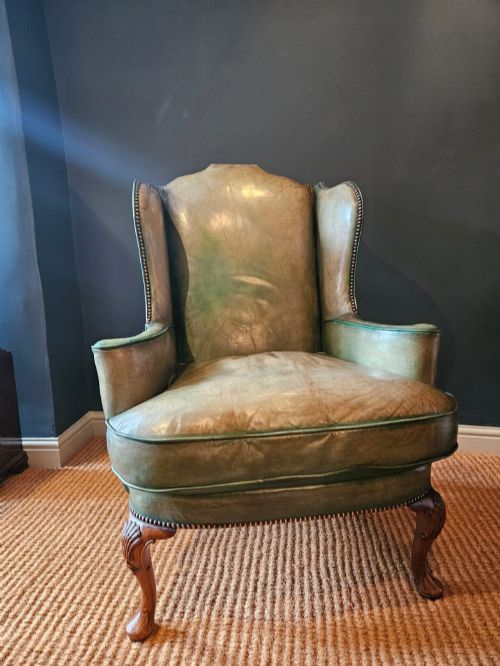
Frames are constructed primarily from solid mahogany and walnut, providing a sturdy skeleton to support heavy upholstery. Cabriole legs feature on specific walnut variations, grounding the heavy upper sections with carved wooden support.
Upholstery techniques rely on durable fabrics including leather, cotton chintz, velvet, and damask, often secured with brass detailing. Interior padding uses traditional stuffing methods appropriate to the period of manufacture, from eighteenth-century originals to later twentieth-century revivals.
Listings include mahogany and walnut frames paired with leather, velvet, and damask upholstery across Georgian and later revival periods.
Judging quality and character
Quality rests in the proportion of the wings and the integrity of the underlying timber frame, separating balanced proportions from clumsy restorations. Original eighteenth-century timbers display greater depth of grain than later twentieth-century reproductions.
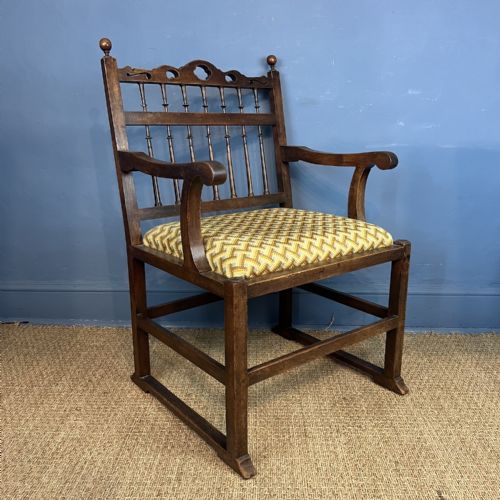
The choice of covering material alters the character significantly, with supple leather and heavy damask commanding different visual weights than plain cotton chintz. Fine joinery in the legs and stretcher base indicates superior cabinetmaking skills.
The George III Fireside Chair Glossary
- Wingback
- An armchair featuring projecting side panels designed to shield the occupant from drafts. These wings transition smoothly into the armrests.
- Cabriole leg
- A furniture leg that curves outward and then tapers inward, ending in a pad or scroll foot. This shape draws inspiration from animal legs.
- Damask
- A reversible figured fabric woven on a loom, featuring patterns formed by contrasting warps and wefts. It provides a formal sheen.
- Drunkards chair
- A specialised armchair variant with a wider seat, traditionally built to accommodate relaxed postures. These seats often feature mahogany frames.
- Chintz
- A printed and glazed cotton fabric often decorated with floral motifs. It offers a lighter textile option compared to heavy velvet.
George III Fireside Chair: Frequently Asked Questions
What is a george iii fireside chair?
A george iii fireside chair is a large upholstered seat, usually featuring protective side wings, designed for use beside a fireplace. These chairs date from the Georgian era or follow its distinct aesthetic.
They combine robust timber frames with deep upholstery to provide comfort and warmth in period interiors.
How do I spot a reproduction?
Reproductions often date from later periods like the nineteen-thirties, using machine-cut timbers rather than period hand tools. Examining the construction underneath reveals modern fixings or newer framing methods.
Comparing the timber patina and upholstery style to documented eighteenth-century examples helps clarify the age of the piece.
Which woods were used?
Mahogany and walnut form the primary structural timbers for these frames, chosen for their strength and rich grain. These hardwoods support the heavy padding and fabric coverings.
Secondary timbers might appear in concealed structural areas, depending on the workshop and the date of manufacture.
Where should I place one?
These armchairs suit principal living spaces, libraries, or studies where their substantial scale anchors the room layout. Placing them near a fireplace echoes their original purpose of blocking drafts.
Ensure adequate floor space around the chair to accommodate the projecting wings and flared legs.