

Traditional Wine Stand
A traditional wine stand offers a compact surface for a glass or bottle, bringing period character to a corner without demanding floor space.
Traditional Wine Stand
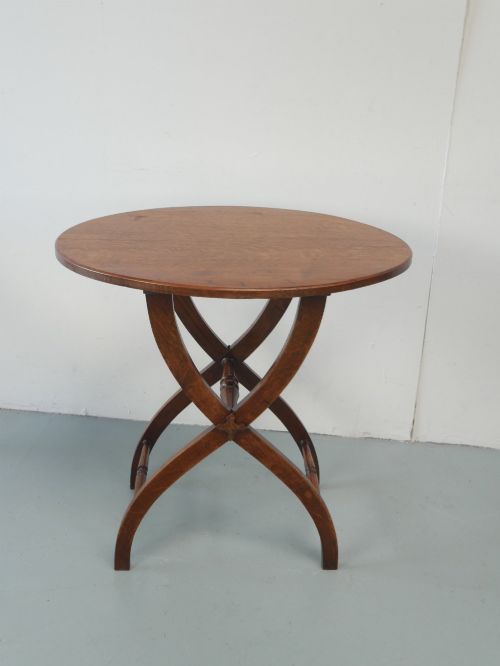
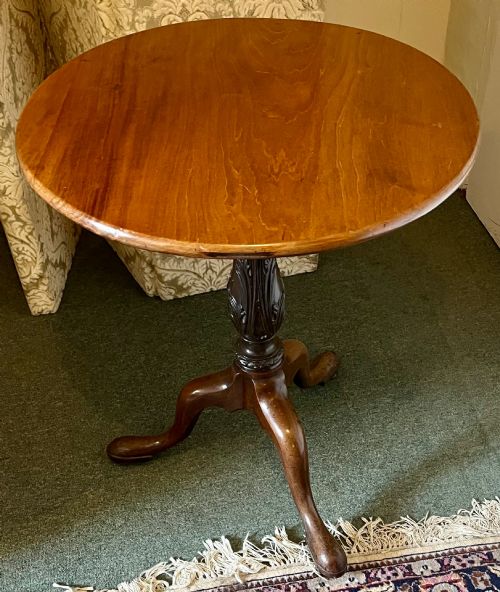
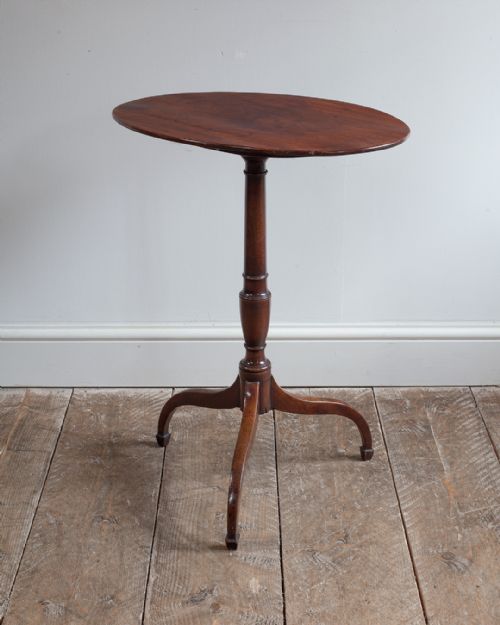
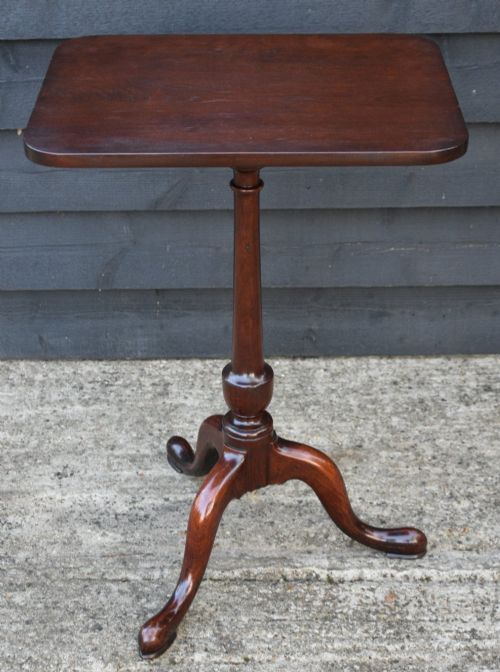
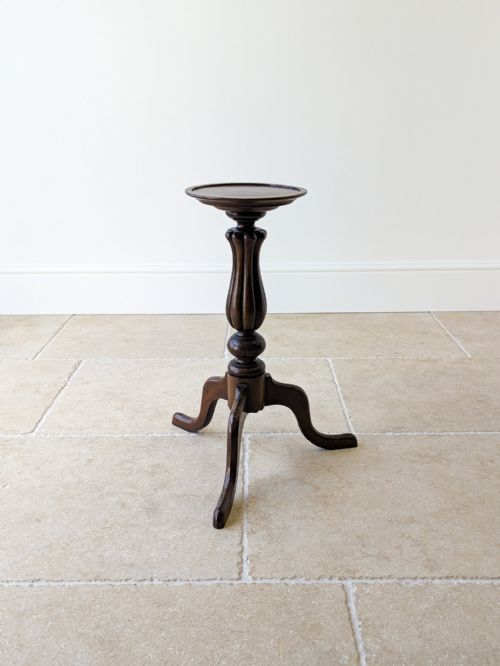
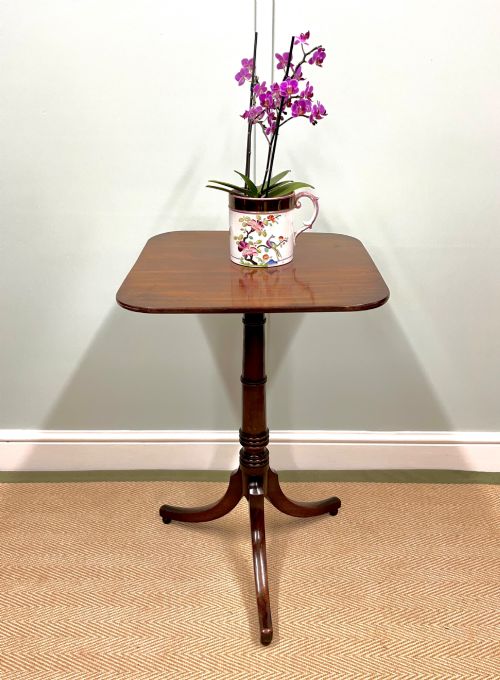
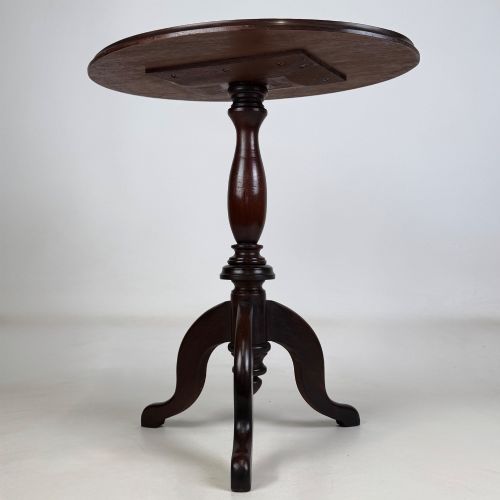
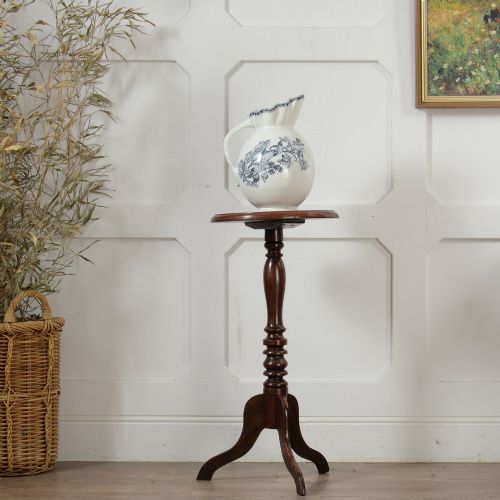
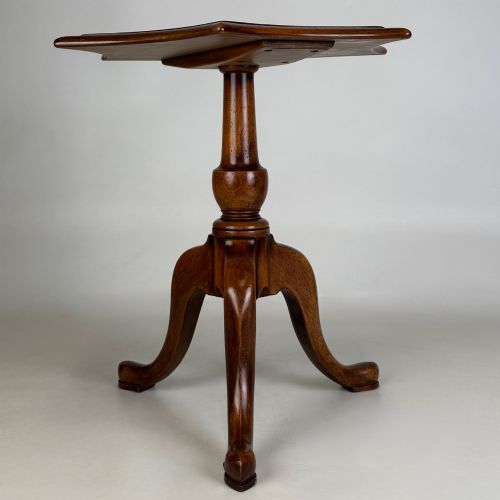
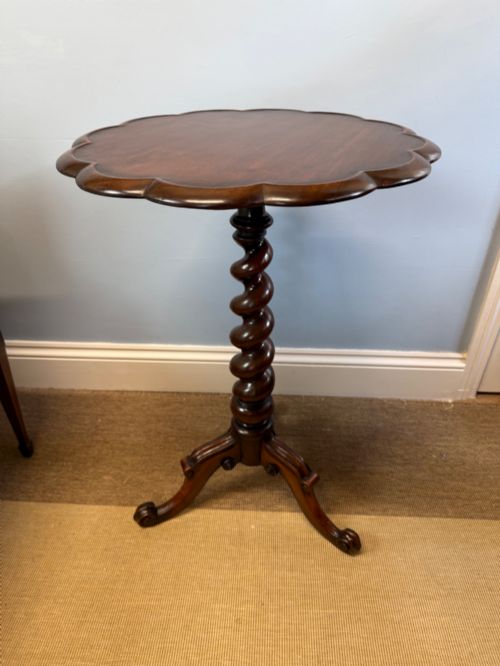
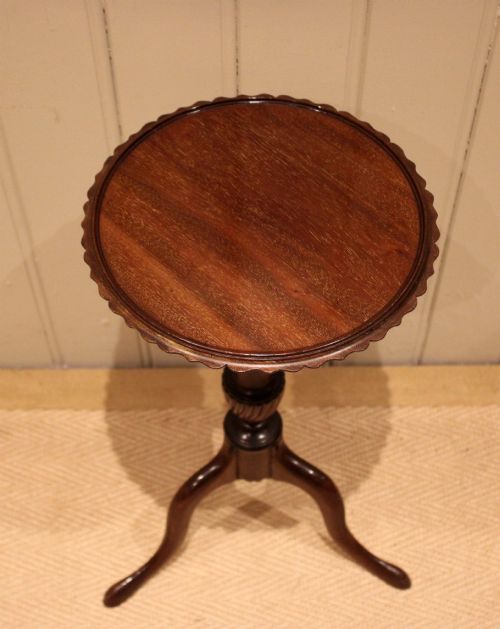
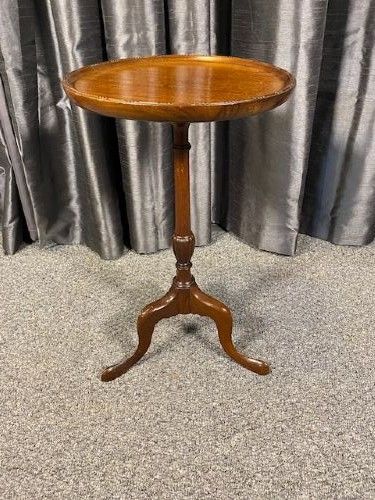
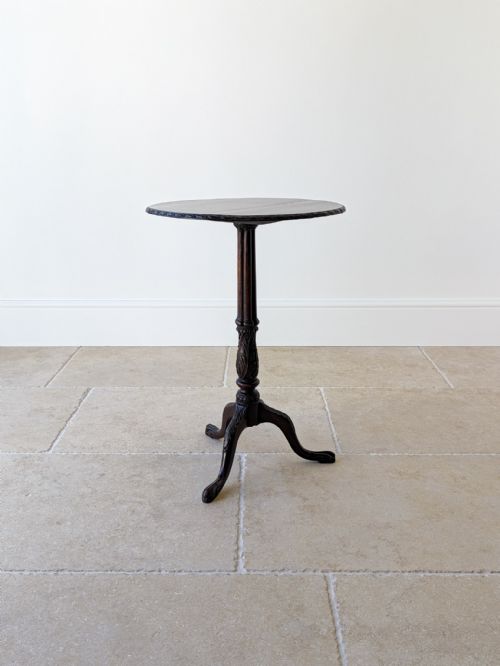
A traditional wine stand most often takes the form of a small occasional table supported by a central pillar and three legs, designed to sit beside a chair or sofa. These pieces appear across the 18th, 19th, and early 20th centuries, spanning the Georgian, Victorian, and Edwardian eras.
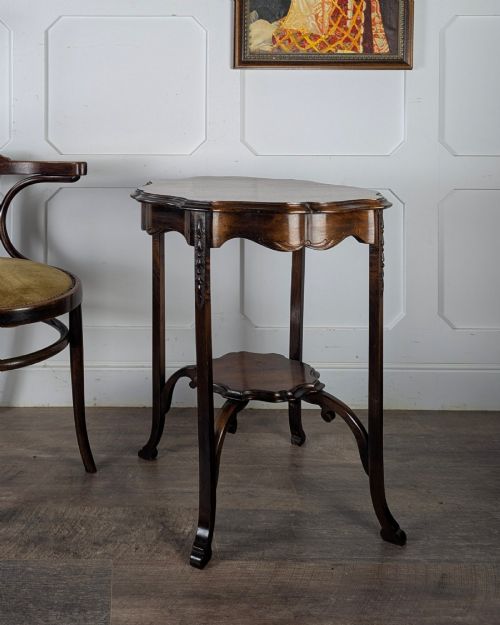
The selections on this page run from George III examples through to Edwardian and revival interpretations. Alongside tripod tables, the forms include small side tables, coasters, urn stands, and occasional tables in mahogany, oak, and walnut.
How they were made
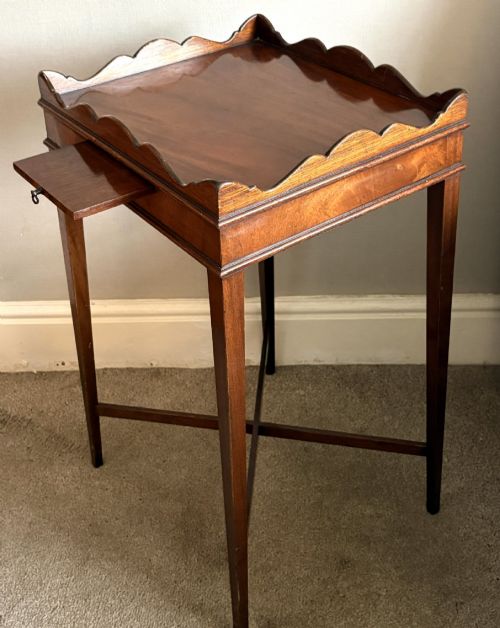
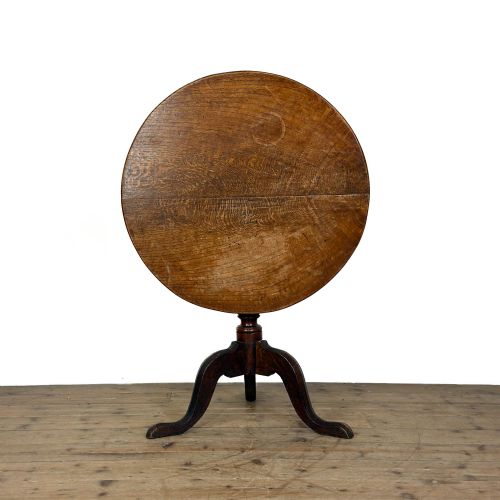
Cabinet makers relied predominantly on solid hardwoods like mahogany, oak, and walnut, frequently shaping timber into tilt-top mechanisms or supporting them on turned and barley-twist pedestals. Surfaces range from plain circular boards to shaped pie-crust rims and serpentine gallery tops.
Veneers such as burr walnut and inlay work in satinwood appear on later revival pieces, while smaller items like bottle coasters incorporate turned treen, silver plating, or sterling silver with grape and vine motifs.
Traditional Wine Stand Retail Price Guide 2026
Typical asking prices for traditional wine stand among the pieces listed under this phrase on Sellingantiques today, from the lower quarter to the upper quarter. They describe what is for sale here now, not the wider market.
Listings feature timbers including mahogany, oak, walnut, satinwood, and burr walnut veneer across the 18th, 19th, and 20th centuries.
What varies in quality
Quality rests in the crispness of the timber carving, the stability of the tripod base, and the choice of grain in the primary wood. Earlier Georgian examples display finer proportions and more precise hand-turned elements than later revival pieces.
The integrity of mechanisms, such as a smoothly operating tilt-top catch or tight joints on the central column, separates standard utilitarian items from finer refined examples.
The Traditional Wine Stand Glossary
- Tripod table
- A small circular table supported by a central pillar and three legs. This construction allows the piece to stand steady on uneven floors.
- Tilt-top
- A tabletop hinged to the pedestal so it can tilt vertically when not in use. This mechanism permitted compact storage against a wall.
- Pie crust rim
- A raised, decoratively carved edge shaped to resemble pastry work. It prevented cups and glasses from sliding off the surface.
- Treen
- Small handmade wooden household objects. These items are shaped by turning or carving.
- Gallery top
- A low decorative rail fitted around the edge of a tabletop. It secures small items placed upon the surface.
Traditional Wine Stand: Frequently Asked Questions
What is a traditional wine stand used for?
These pieces function primarily as small side tables to hold drinks, glasses, or a small lamp near seating. Their compact footprint suits corners and tight spaces where a full-sized table will not fit.
Historical examples also included specialised stands for holding decanters and bottles at the dining table. Today, they serve equally well for display or practical daily use.
How do I date a wine table?
Dating relies on timber choice, construction methods, and stylistic details. 18th-century pieces often feature heavier, hand-carved tripod legs and solid mahogany or oak.
Later Victorian and Edwardian examples show machine-turned elements, revival styling, or lighter satinwood inlay. Comparing the turning style and timber grain helps place a piece within its period.
Are tilt-top tables stable?
A well-made tilt-top table remains stable when the catch securing the top to the pedestal is firmly engaged. The three-legged design naturally accommodates uneven floorboards without rocking.
Wear in the wooden catch or pivot mechanism can introduce minor movement over time. Checking the fit of this joint ensures the top sits level.
How do I care for mahogany and walnut tables?
Polishing timber surfaces with traditional beeswax helps nourish the wood and maintain a soft sheen. Avoiding direct sunlight prevents fading and drying of the grain.
Placing coasters under glasses protects the polished surface from moisture rings. Gentle dusting with a dry cloth keeps the finish clean.