


Traditional Windsor Carver
A traditional windsor carver is a sturdy seated chair built for country homes, offering solid timbers and shaped seats that appeal to collectors of vernacular furniture.
Traditional Windsor Carver
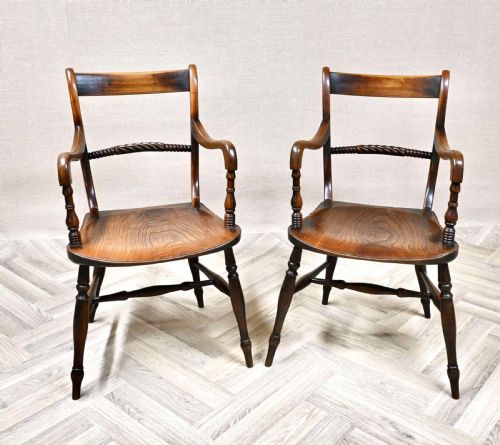
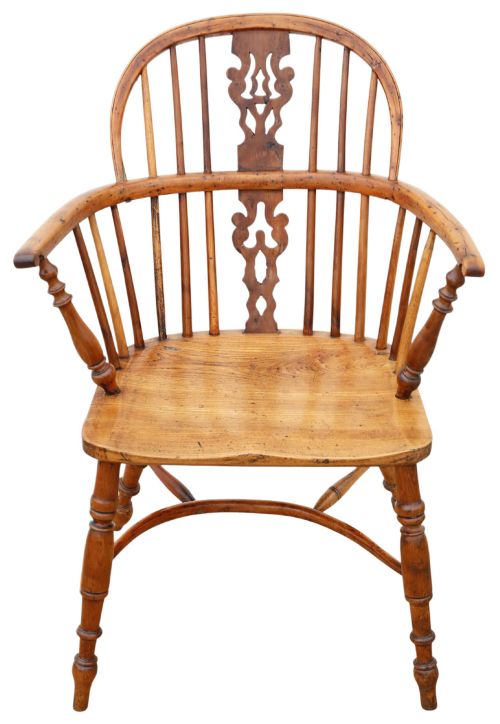
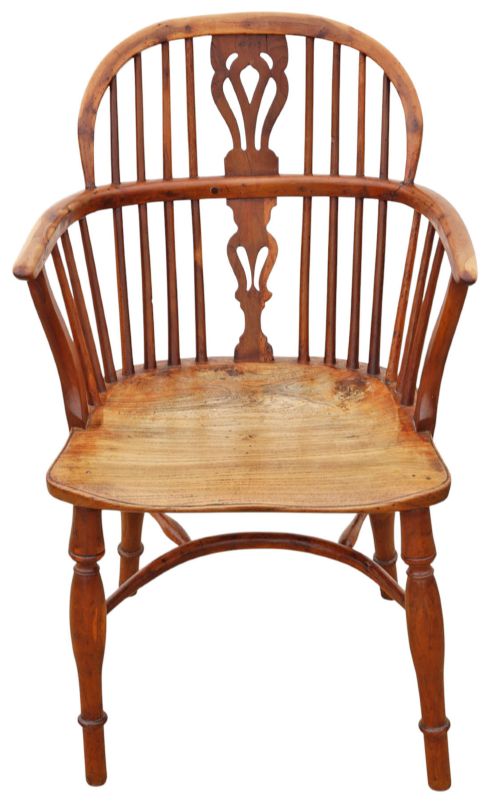
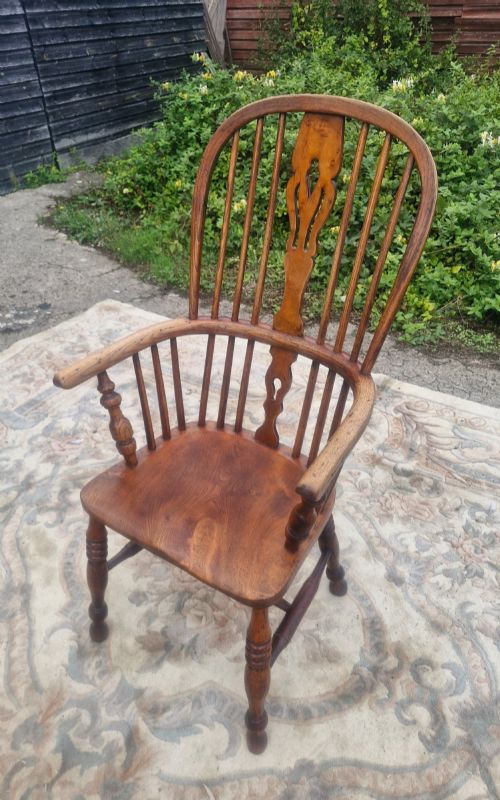
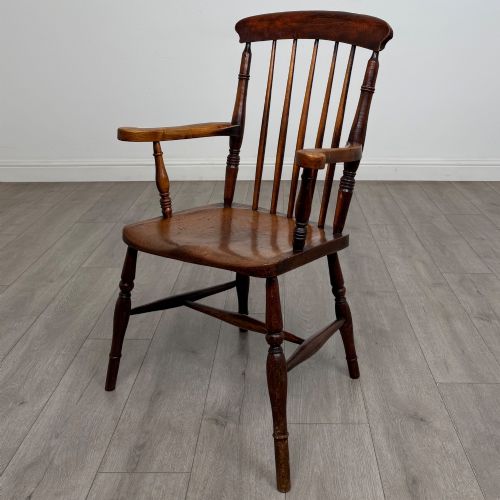
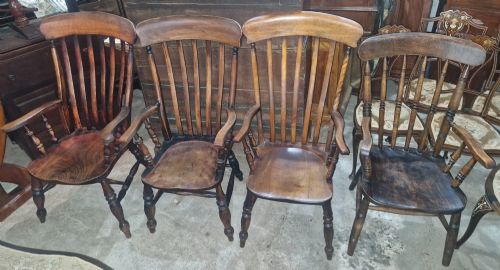
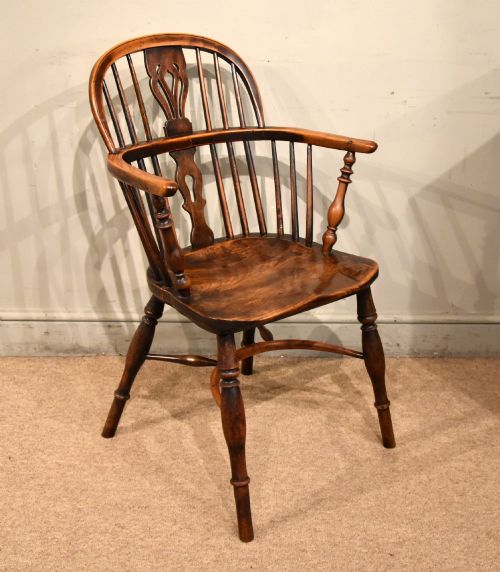
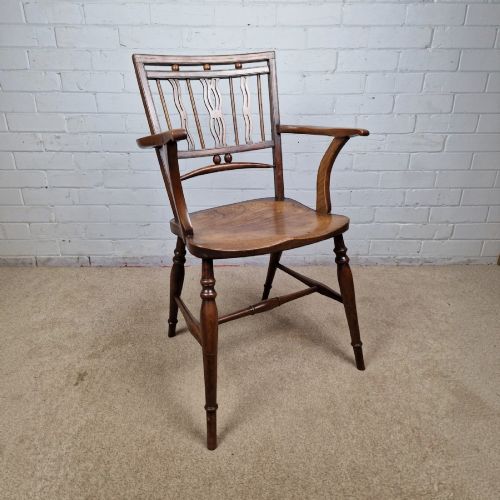
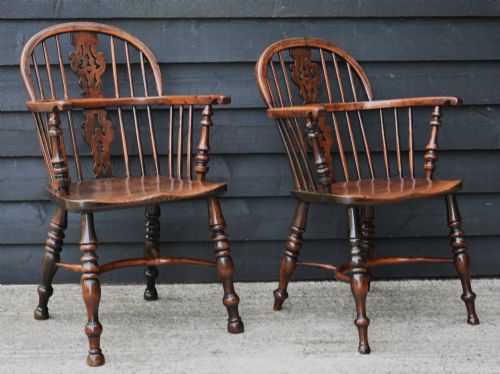
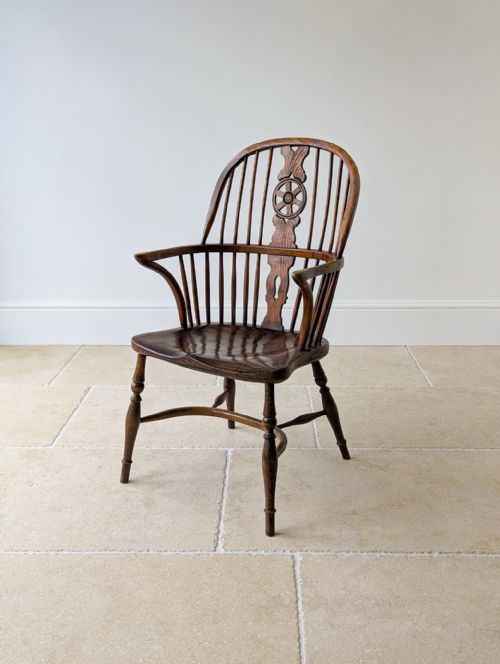
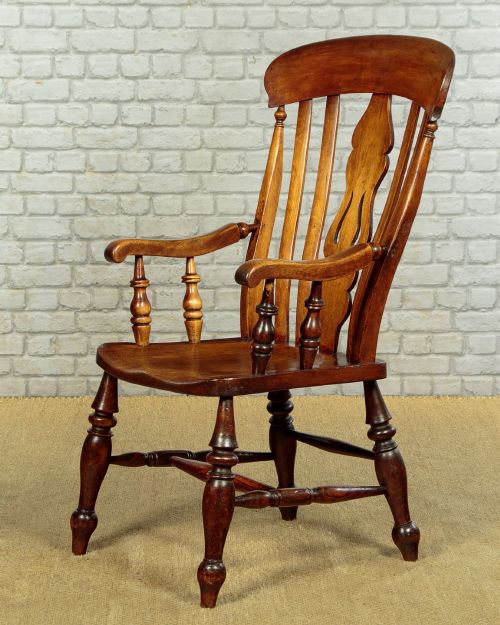
A traditional windsor carver is a wooden armchair designed with a solid plank seat into which the legs and back spindles are wedged directly, moving away from framed upholstery towards structural woodwork. These seating pieces emerge in various vernacular styles such as English Country, Victorian Country, and Georgian, reflecting the regional workshops where they were shaped.
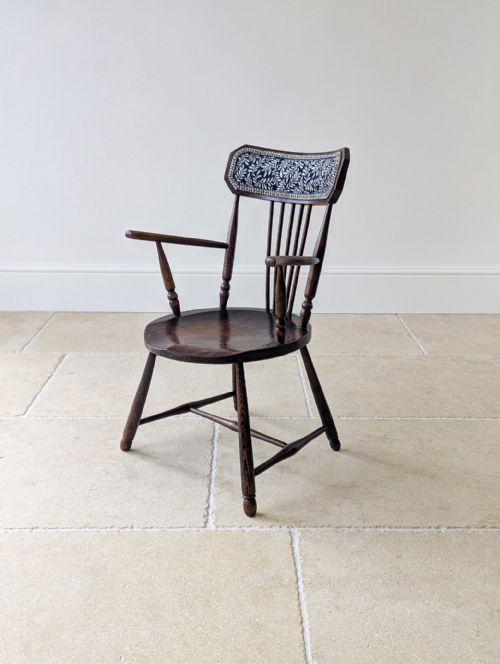
The pieces appearing on this page span several centuries, with nineteenth-century examples and Victorian farmhouse iterations forming the core of the selection. Alongside these, buyers encounter earlier Georgian and eighteenth-century forms, as well as Regency and Arts and Crafts pieces that adapt the classic chair design.
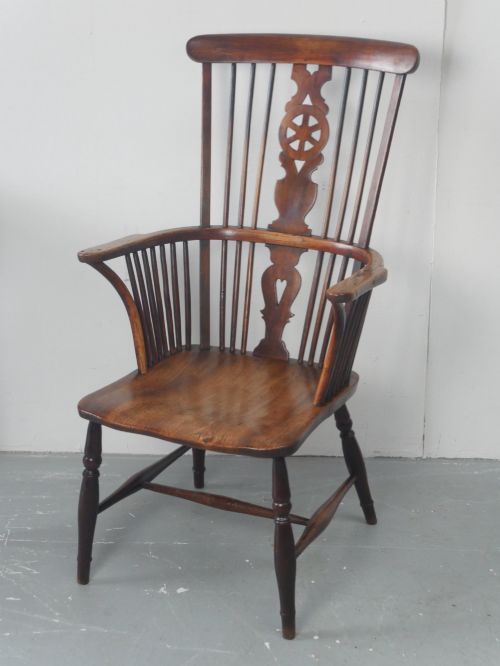
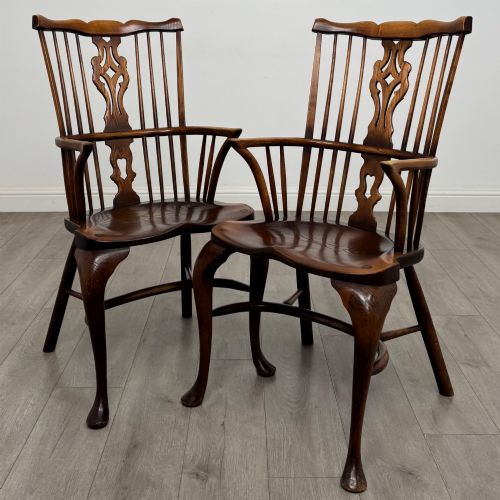
Most entries take the form of armchairs, carvers, and elbow chairs intended for farmhouse kitchens and country houses. Regional variations appear too, including Mendlesham and Lincolnshire variants, alongside wheelback, barback, comb back, and hoop back designs.
Materials and Construction
Makers utilised a combination of native timbers to build these chairs, pairing resilient woods for different structural demands. Elm typically forms the solid, saddled seat because its interlocking grain resists splitting under pressure, while ash, beech, oak, and fruitwood provide strong spindles, legs, and bentwood bows.
The construction relies on socket and wedge joinery, where turned legs and back uprights pass directly through bored holes in the seat plank and are secured from above. Bending green timber using steam allowed makers to shape continuous hoops and comb backs without snapping the grain.
Traditional Windsor Carver Retail Price Guide 2026
Typical asking prices for traditional windsor carver among the pieces listed under this phrase on Sellingantiques today, from the lower quarter to the upper quarter. They describe what is for sale here now, not the wider market.
Makers sometimes used apple or pear fruitwood for spindles, turning orchard gleanings into kitchen seating that outlasted the trees.
Quality and Distinction
Quality rests upon the selection of timbers and the harmony of the turned components, where well-figured yew wood or rich elm grain elevates a chair beyond utility. The depth of the saddle shaping on the seat plank also marks the maker's hand, showing greater comfort and sculptural care.
The Traditional Windsor Carver Glossary
- Carver
- An armchair designed with elbow rests, often matching a set of smaller dining chairs.
- Comb back
- A Windsor chair back featuring a low hoop topped by a horizontal headboard supported by vertical spindles, resembling a dressing comb.
- Crinoline stretcher
- An arched underframe connecting the legs of a chair in a continuous loop, offering extra bracing stability.
- Hoop back
- A continuous bentwood bow forming the back and arm rests in a single fluid curve above the seat.
- Saddle seat
- A wooden chair seat sculpted with hollowed contours to fit the human form for comfort.
- Wheelback
- A Windsor chair back incorporating a pierced central splat carved in the shape of a spoked cart wheel.
Traditional Windsor Carver: Frequently Asked Questions
What is a traditional windsor carver?
A traditional windsor carver is a sturdy wooden armchair with a solid carved seat and upright spindles supporting the back. These pieces were built primarily in rural workshops for use in farmhouses and country homes.
They combine multiple native timbers within a single frame, utilising bentwood bows and turned legs wedged directly into the seat plank.
Where were these chairs used?
These armchairs served practical roles in farmhouse kitchens, dining rooms, and country house parlours. Their robust construction made them suitable for daily domestic tasks.
Over time, they moved from working farmhouses into more formal interiors as collectors began to value vernacular woodwork.
How do I date a windsor carver?
Dating relies on observing construction methods, timber choices, and back designs such as comb backs, wheelbacks, or simple stick backs. Eighteenth-century models often feature yew wood and vernacular framing, while Victorian examples frequently pair elm with beech.
Regional traits, such as those associated with Mendlesham or Lincolnshire, also provide clues to a chair's age and origin.
How do I care for antique wood?
Keep wooden furniture away from direct heat sources and sudden temperature shifts to prevent the timber from drying out or splitting. Maintaining a stable indoor climate preserves the original joins.
Apply occasional beeswaxe polish and buff gently with a soft cloth to nourish the surface without building up heavy residues.