






Traditional Winding Clock
These traditional winding clock pieces are mechanical timepieces driven by springs and weights, offering a tangible connection to historical horology.
Traditional Winding Clock
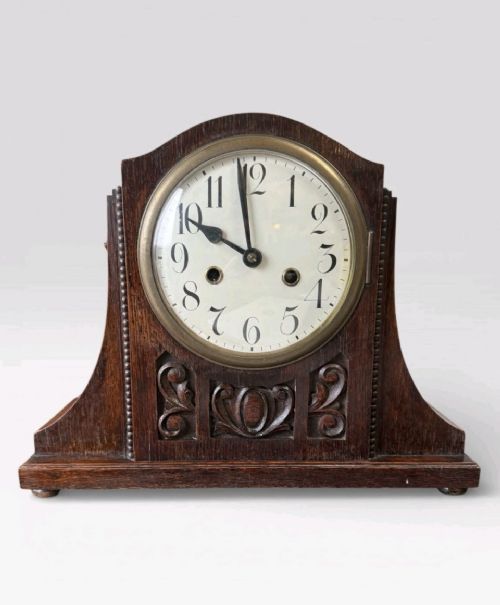
A traditional winding clock brings mechanical timekeeping into domestic spaces through forms such as mantel clocks, bracket clocks, and carriage clocks. These objects function as both practical timekeepers and decorative items for tabletops, shelves, and mantelpieces.
The pieces appearing on this page span several periods, including the nineteenth century, Edwardian era, Art Deco period, and mid-twentieth century decades. Common regional origins represented in the inventory include England and France.
How they were made
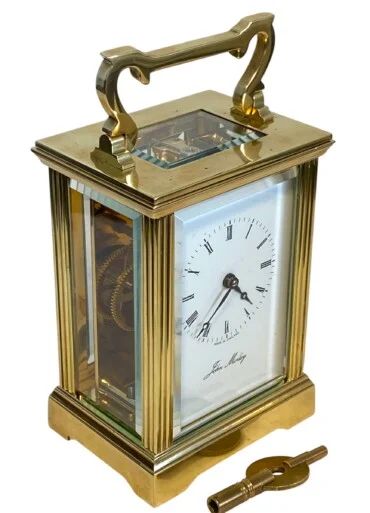
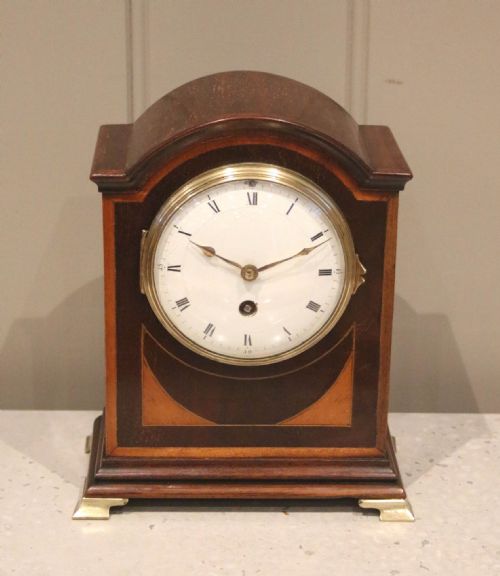
Cases utilise cabinet-making timbers like mahogany and satinwood, frequently enhanced with inlaid veneers, alongside substantial brass housings designed to protect the internal movements. Structural glass panels in carriage clocks allow visibility of the escapement and gear trains within.
Clockmakers employed mechanical movements driven by mainsprings, with specific examples incorporating complex mechanisms such as twin fusee movements, moon phase displays, and date complications. Enamel is utilised for clear dial faces marked with roman or arabic numerals.
Traditional Winding Clock Retail Price Guide 2026
Typical asking prices for traditional winding clock among the pieces listed under this phrase on Sellingantiques today, from the lower quarter to the upper quarter. They describe what is for sale here now, not the wider market.
What varies in quality
The refinement of the casework establishes the initial visual standard, distinguishing simple timber boxes from sophisticated mantel clocks featuring intricate satinwood inlay or heavy brass gorge cases. Cabinet work demonstrates the maker's skill through precise joinery and timber selection.
Mechanical complexity separates standard timepieces from superior examples, particularly the presence of specialised movements like twin fusee systems or additional complications such as moon phases and date indications. The weight and finish of the brass components further delineate manufacturing standards.
John Morley·S Simpson Southampton·DeLa Salle And Christie·L Epee·Penlington And Batty
The Traditional Winding Clock Glossary
- Carriage clock
- A small, portable spring-driven clock originally designed for travellers, typically housed in a brass case with glass panels. These timepieces often feature a folding handle on top.
- Bracket clock
- A portable table or mantel clock originating from a time when such pieces sat upon wall brackets to aid sound projection. They frequently feature architectural wooden cases and high-grade mechanical movements.
- Twin fusee
- A mechanical system utilising two cone-shaped pulleys and chains to equalise the pulling force of the mainspring as it unwinds. This mechanism improves timekeeping accuracy across the power reserve.
- Gorge case
- A stepped brass housing style commonly found on French carriage clocks, named for its distinctive recessed mouldings. It provides robust protection for the delicate movement within.
- Enamel dial
- A clock face created by fusing powdered glass to a metal substrate at high temperatures. This technique produces a durable, glossy white surface that resists tarnishing over decades.
Traditional Winding Clock: Frequently Asked Questions
What is a traditional winding clock?
A traditional winding clock is a mechanical timepiece that relies on a manually wound mainspring rather than electricity or batteries to power its movement.
These pieces encompass various historical styles, including carriage clocks, bracket clocks, and wooden mantel clocks dating from the nineteenth and twentieth centuries.
How do you wind a mechanical clock?
Winding involves inserting a specialised key or turning an attached key mechanism into the winding arbours located on the dial or movement back plate. Turning the key tensions the mainspring inside the barrel to store potential energy for the gear train.
Care must be taken not to overwind the mechanism, stopping as soon as resistance is felt to protect the internal spring.
Where were carriage clocks used?
Carriage clocks were originally designed for travellers during the nineteenth century, allowing people to transport reliable timekeeping inside horse-drawn carriages or trains. Their robust brass frames and protective leather travelling cases suited life on the move.
Over time, they transitioned into stationary decorative objects displayed on domestic mantelpieces and desks.
How do you identify an Edwardian clock?
Edwardian clocks date from the reign of King Edward VII, spanning the early years of the twentieth century. They often reflect lighter design sensibilities than heavy Victorian pieces, utilising satinwood inlay and refined timber cases.
Examining the style of the wooden case, the materials used, and any maker signatures helps place a piece in this specific period.