

Traditional Welsh Cupboard
A traditional welsh cupboard provides robust storage built from solid timber across centuries of country craftsmanship.

Traditional Welsh Cupboard
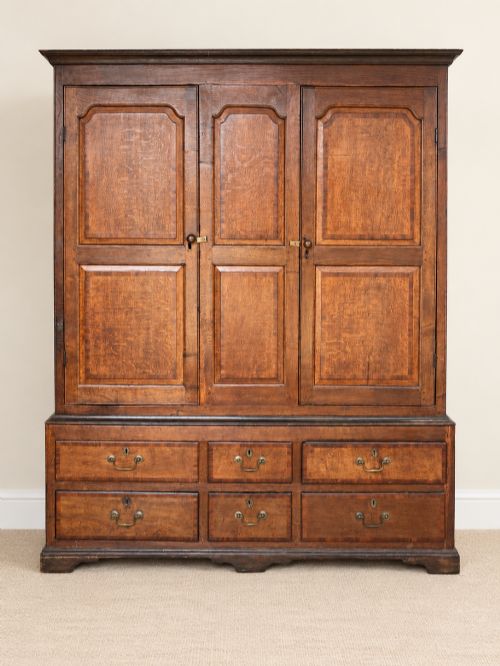
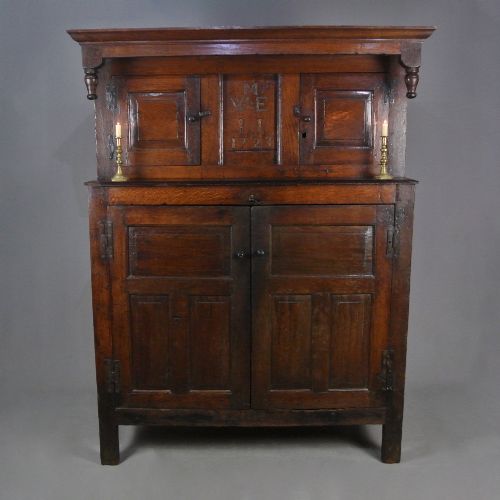
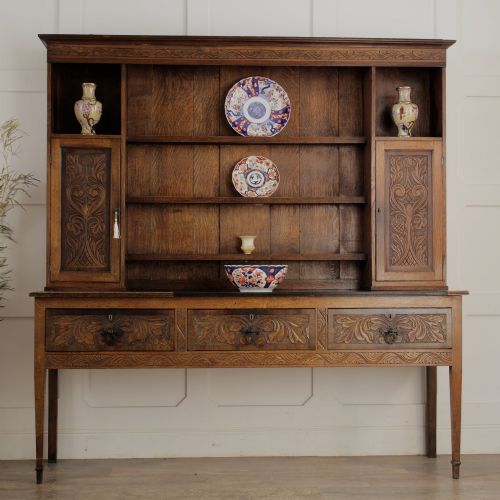
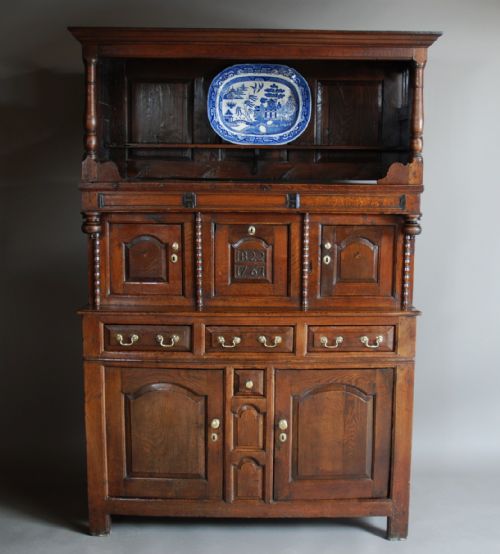
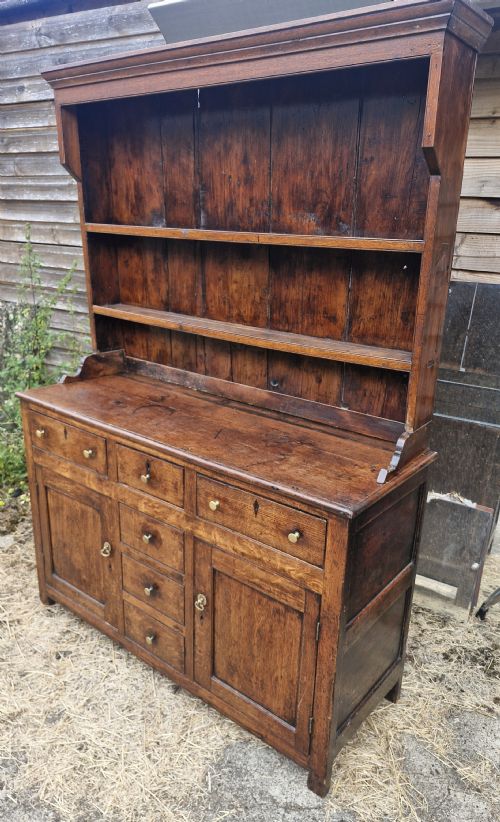
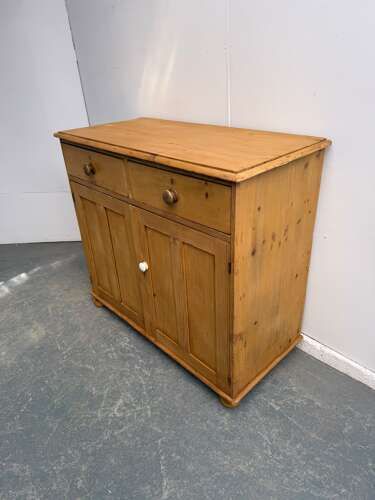
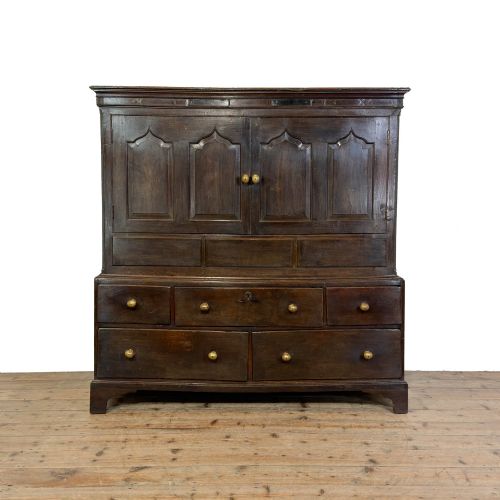
A traditional welsh cupboard encompasses a variety of heavy storage furniture developed in rural domestic settings. Pieces range from multi-tiered cupboards such as the cwpwrdd tridarn and deuddarn to open-backed dressers and food storage units.
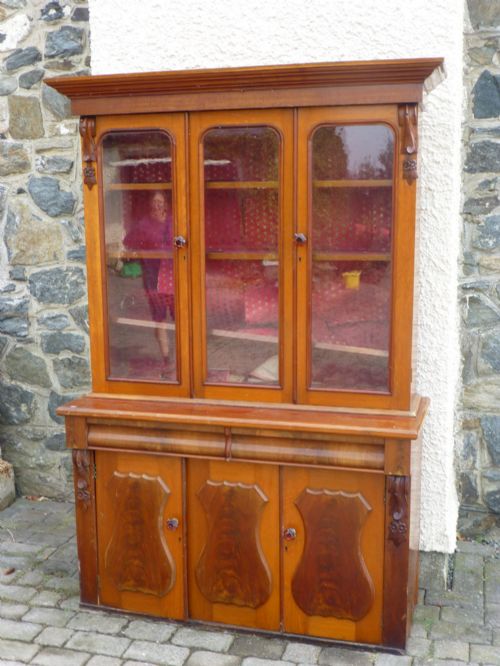
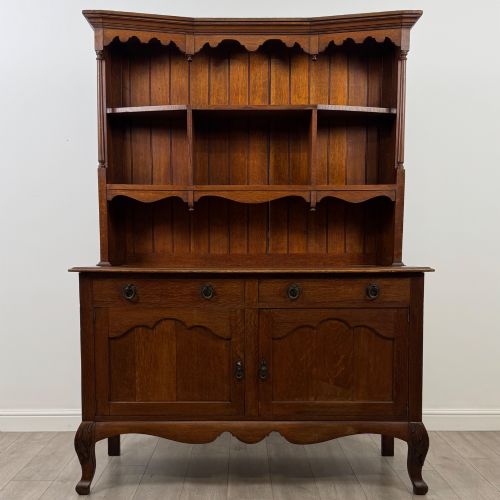
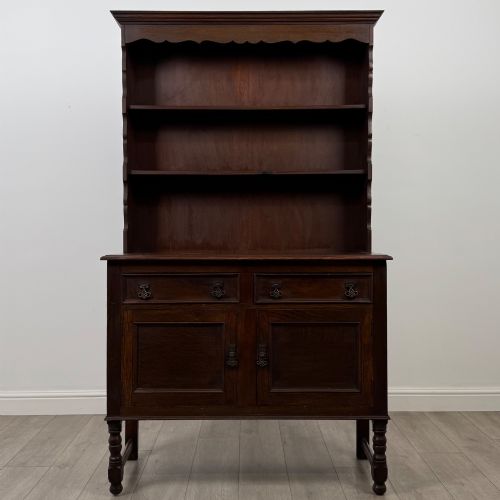
The version most commonly met on this page is the oak dresser or enclosed cupboard originating in the eighteenth or nineteenth century. These forms reflect regional practices across Welsh counties like Carmarthenshire and Snowdonia.
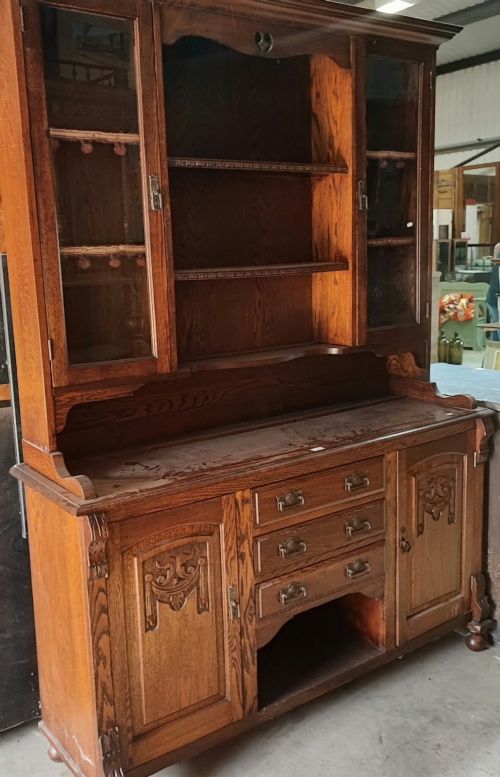
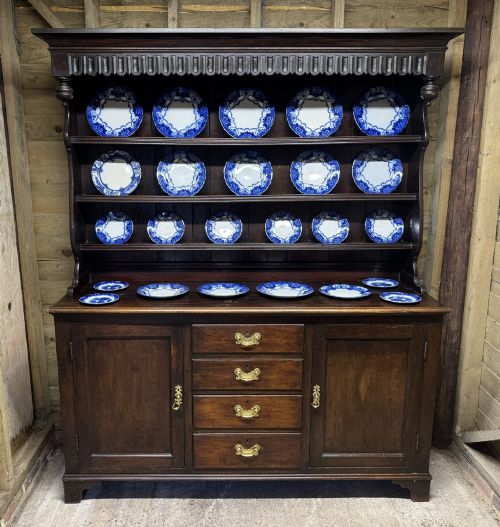
Constructed for utilitarian purposes in farmhouses and cottages, these items combine display shelving with secure lower cabinets. Their robust proportions define the traditional welsh cupboard aesthetic found in country interiors.
Materials and Construction Techniques
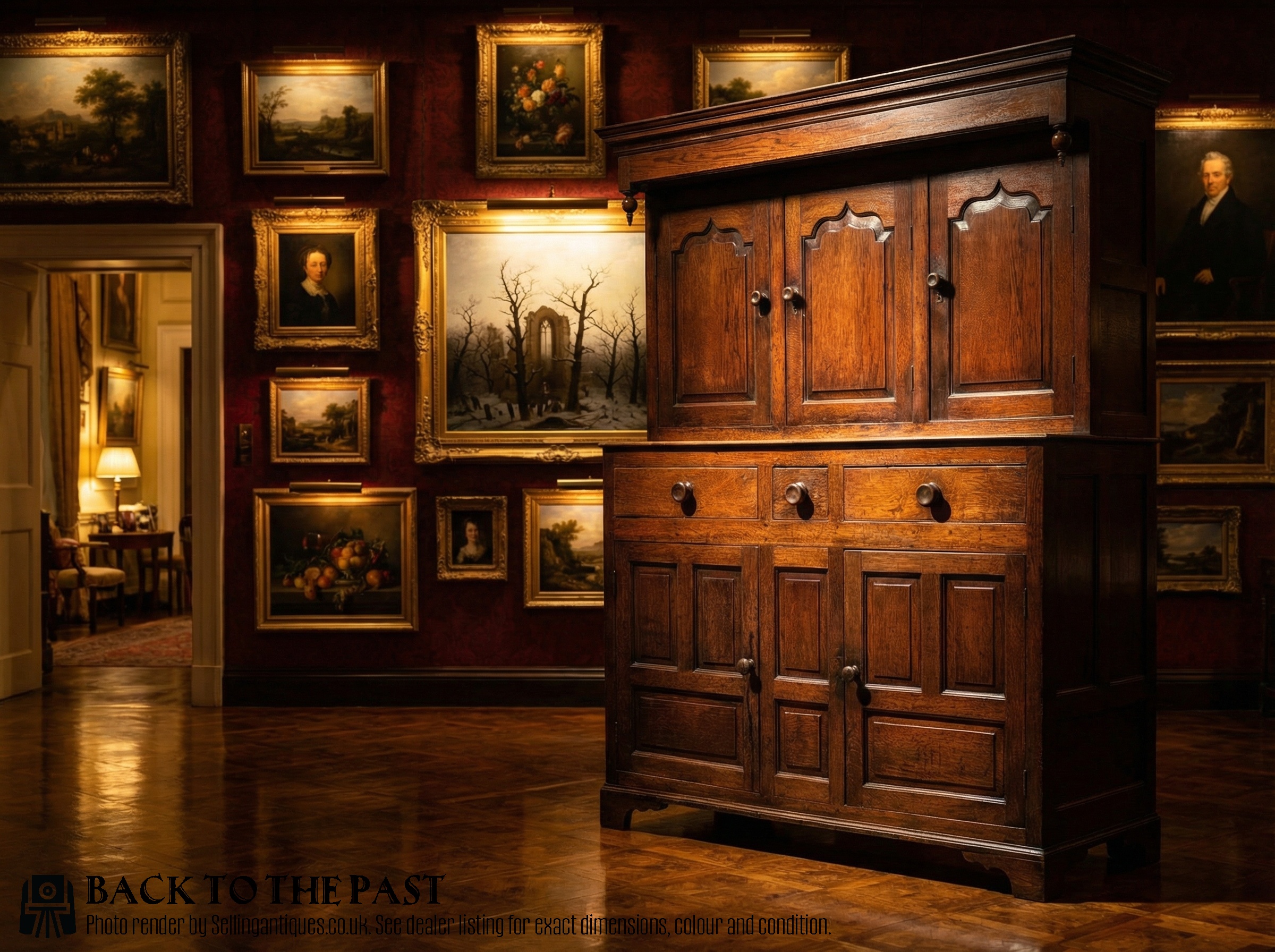
Makers relied primarily on native timber, selecting oak for its strength and durability alongside pine for secondary elements. Occasional contrasting details utilise mahogany, elm, or bone inlay.
Joinery methods rely on traditional framing, pegged mortise and tenon joints, and hand-cut panels. Surfaces show the marks of hand tools, adzes, and planes rather than industrial machinery.
Hardware typically includes iron hinges, latches, and brass pulls, while finishes range from waxed patinas to historic painted surfaces.
Traditional Welsh Cupboard Retail Price Guide 2026
Typical asking prices for traditional welsh cupboard among the pieces listed under this phrase on Sellingantiques today, from the lower quarter to the upper quarter. They describe what is for sale here now, not the wider market.
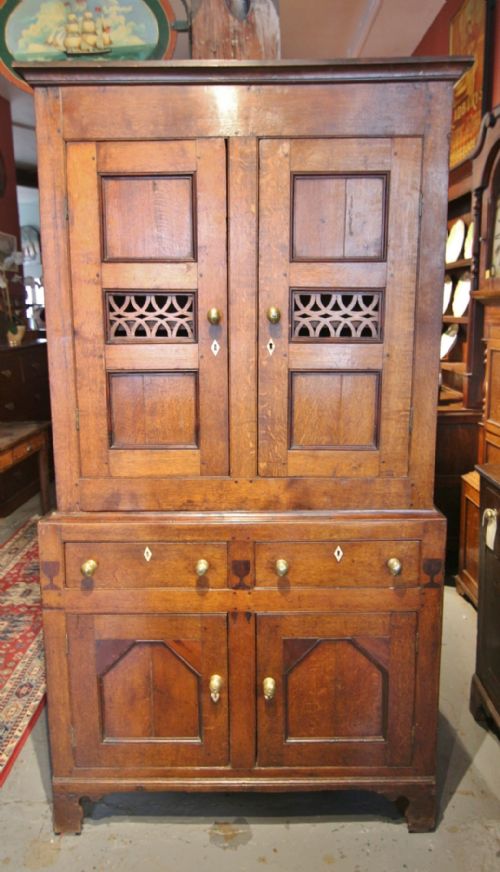
Bread and cheese cupboards carry pierced ventilation panels so cottage cheddar could breathe without attracting the local cat.
Assessing Quality and Authenticity
Quality rests upon the integrity of the timber and the depth of the natural surface patina. Pieces retaining their original boards, hardware, and structural framing stand apart from heavily altered examples.
Regional distinctiveness influences standing, particularly items exhibiting specific vernacular forms such as regional tridarns or documented Carmarthenshire and Snowdonia origin. Proportion and restraint in carved decoration also distinguish finer workshops.
The relationship between the upper plate rack and the lower base unit matters greatly. Original marriages of rack and base carry more authority than later assembled combinations.
The Traditional Welsh Cupboard Glossary
- Cwpwrdd tridarn
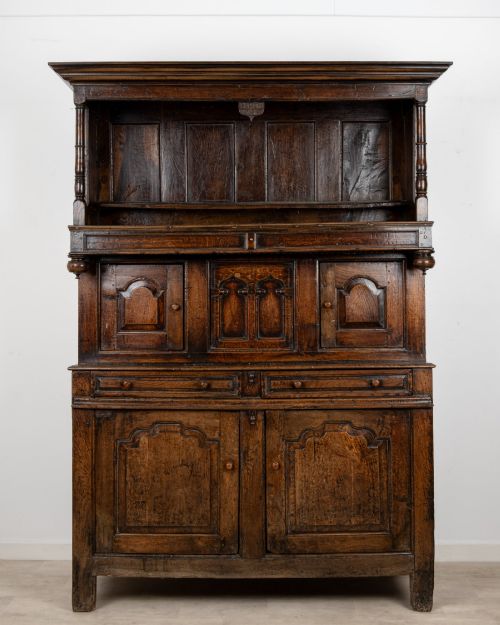
- A traditional three-section Welsh press cupboard featuring an enclosed upper tier, a middle section with turned pendant spindles, and a lower base. This form dates back to the seventeenth and eighteenth centuries.
- Cwpwrdd deuddarn
- A traditional two-section Welsh press cupboard with upper and lower doors, lacking the middle canopy tier of the tridarn. It served as a principal storage piece in rural households.
- Bread and cheese cupboard
- A specialised food storage cabinet featuring pierced or louvered panels for ventilation. These pieces kept dairy and dried goods safe from pests in cottage kitchens.
- Platerack
- An open shelving superstructure mounted above a dresser base to display ceramic plates and platters. Early examples feature boarded backs and distinct plate rails.
- Patina
- The surface sheen and colour developed by wood over decades of handling, waxing, and exposure to light. A deep patina indicates age and regular maintenance.
Traditional Welsh Cupboard: Frequently Asked Questions
How do I identify an 18th century piece?
Eighteenth-century pieces display hand-carved details, pegged mortise and tenon joints, and native oak timber showing deep natural patination.
They often exhibit regional vernacular forms such as the tridarn or deuddarn rather than later revival styles.
Were these cupboards painted originally?
Many working pieces received coats of paint or simple wax finishes to protect the timber in damp rural conditions.
Historic painted surfaces now contribute significantly to the character and authenticity of surviving country furniture.
How do I care for antique oak?
Antique oak benefits from occasional applications of traditional beeswax to nourish the dry grain and maintain the surface sheen.
Keep these pieces away from direct heat sources and sudden humidity changes to prevent timber movement.