





Traditional Water Kettle
Traditional water kettle pieces span George III, Victorian, and Middle Eastern origins, offering heavy copper and brass construction for serious collectors.

Traditional Water Kettle
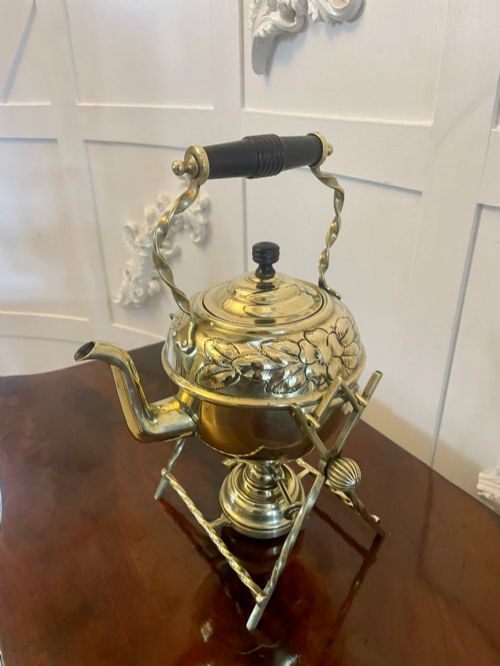
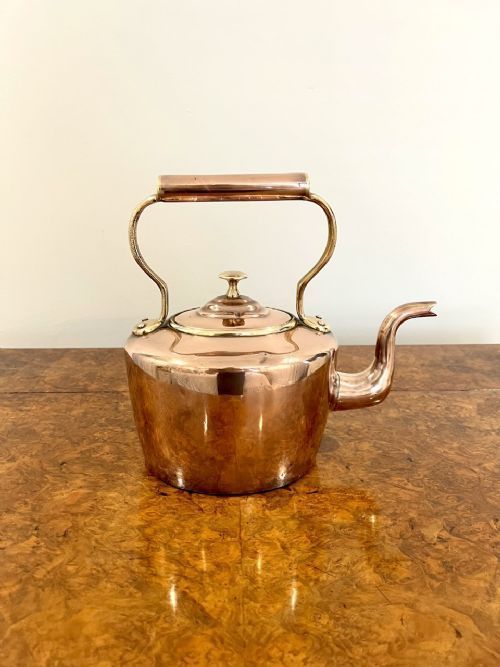
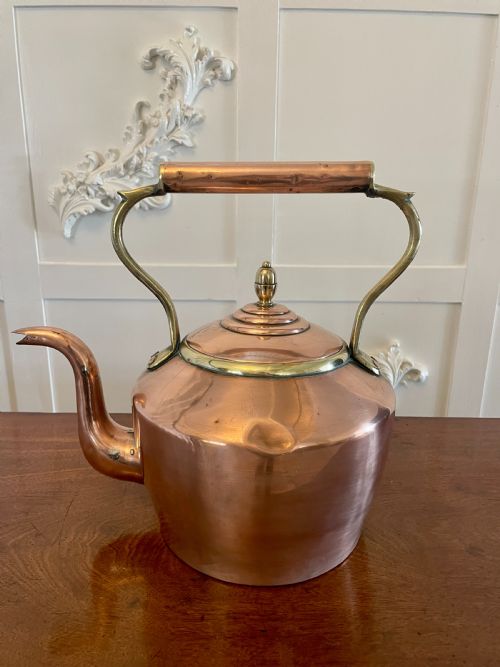
Traditional water kettle items encompass a range of copper and brass vessels originating from the George III period, the nineteenth century, and Victorian times. Buyers encounter utilitarian tea kettles alongside larger samovars, coffee pots, and tea urns.
How they were made
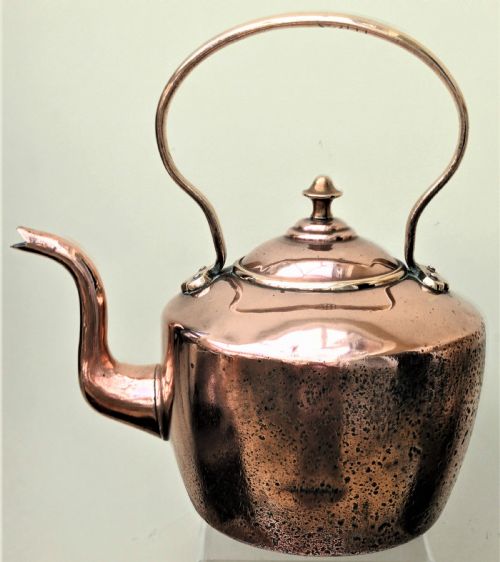
Maker construction relies heavily on hammered or polished copper paired with brass fittings and elements fashioned from wood and ebonised wood. Metal plates are joined securely to withstand heat during daily use over a hearth or stove.
Handles incorporate insulating wooden or ebonised components to protect hands from hot metal during boiling. Brass accents appear on spouts, taps, and mounts, adding structural contrast to the primary copper bodies.
Traditional Water Kettle Retail Price Guide 2026
Typical asking prices for traditional water kettle among the pieces listed under this phrase on Sellingantiques today, from the lower quarter to the upper quarter. They describe what is for sale here now, not the wider market.
Current listings feature copper and brass materials combined with wood across George III and Victorian periods.
What varies in quality
Quality differences emerge in the weight of the metal and the precision of the hand-beaten seams. Heavier copper bodies denote sturdier construction intended for practical longevity.
The integration of brass details and the condition of original wooden or ebonised handles distinguish finer examples from standard utilitarian vessels.
The Traditional Water Kettle Glossary
- Copper
- A malleable reddish-brown metal used to form the primary body of these vessels. It conducts heat efficiently and polishes to a bright finish.
- Brass
- A durable yellow alloy utilised for taps, handles, and decorative mounts. It provides structural reinforcement on kettle and samovar bodies.
- Samovar
- A large heated metal container traditionally used to boil and heat water for tea. These often include a central internal pipe and a spigot.
- Ebonised wood
- Timber treated to resemble ebony, providing dark insulating handles for safe lifting. This material resists heat transfer from the metal body.
Traditional Water Kettle: Frequently Asked Questions
What is a traditional water kettle?
A traditional water kettle is a metal vessel designed for boiling water, typically featuring a sturdy handle and a pouring spout.
These pieces span Georgian and Victorian periods, utilising heavy copper and brass materials.
How were samovars used?
Samovars served as large heated urns to maintain boiling water for tea service over extended periods.
They often incorporated spigots for easy pouring and internal heating chambers in larger domestic settings.
What materials make up these kettles?
The primary material is copper, frequently paired with brass for spouts, taps, and decorative mounts.
Handles commonly feature wood or ebonised wood to prevent heat transfer during handling.
How do I date a copper kettle?
Dating relies on stylistic markers from periods like George III and the Victorian era, alongside construction methods.
Hand-beaten seams and specific handle attachments offer clues to the nineteenth-century manufacturing era.