







Traditional Walnut Cocktail Table
These traditional walnut cocktail tables bring warmth and a grounded presence to a room, spanning periods from the nineteenth century through the 1930s.
Traditional Walnut Cocktail Table
A traditional walnut cocktail table serves as the low centrepiece of a sitting room, providing a steady surface for drinks and books while anchoring the seating arrangement. When people search for a traditional walnut cocktail table, they encounter low coffee tables adapted from earlier forms or built across the Victorian period, 1880, and the 1920 to 1930 decades.
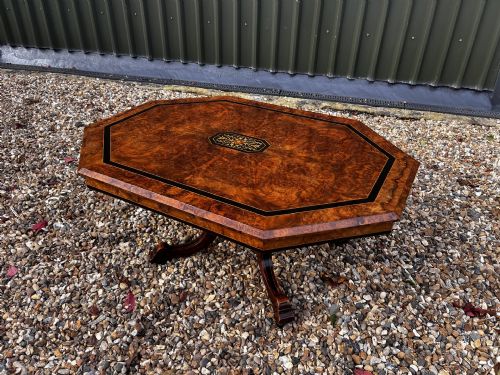
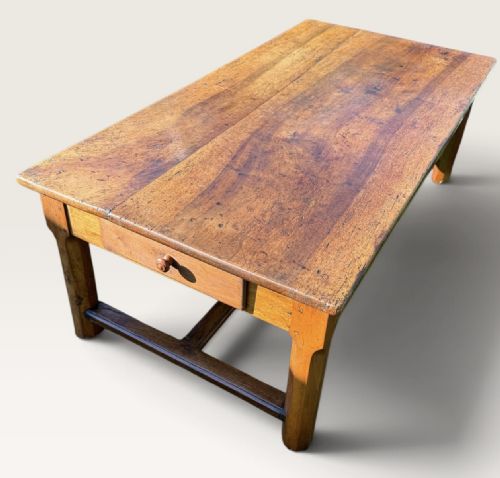
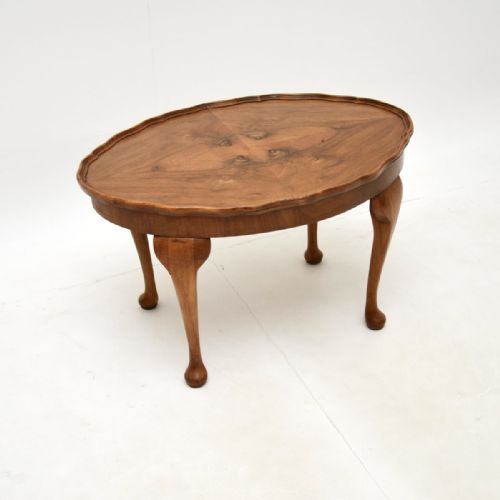
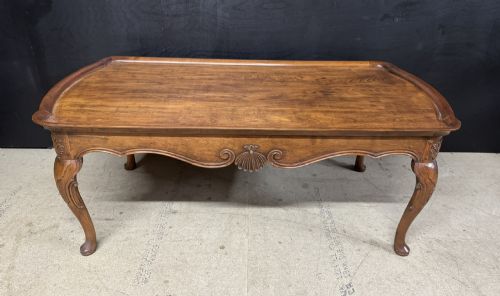
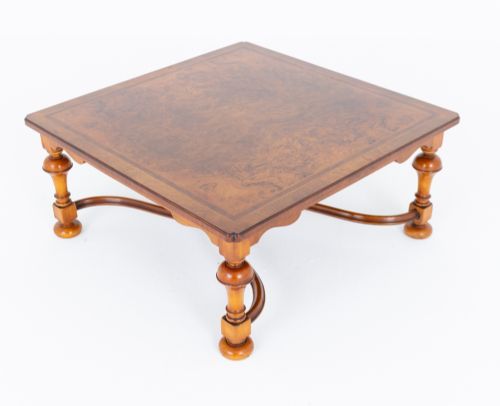
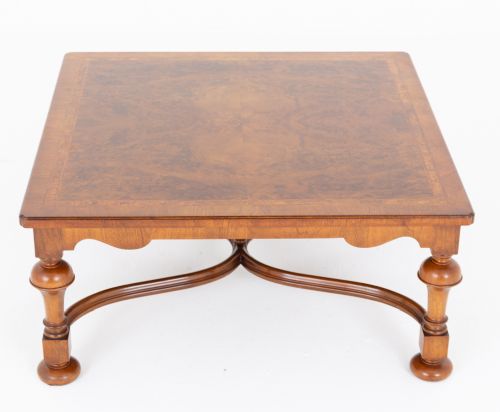
The versions most commonly met on this page draw upon traditional English, Queen Anne Revival, and Carolean styles, alongside occasional rustic farmhouse or rococo revival expressions. These pieces range from simple circular formats to elaborate designs finished with pie crust edges.
Originating predominantly from the nineteenth century and the early decades of the twentieth century, these tables reflect enduring cabinet-making traditions adapted to modern domestic life. Their low stature distinguishes them from dining or side furniture, making them specifically suited for placement before sofas and armchairs.
How they were made
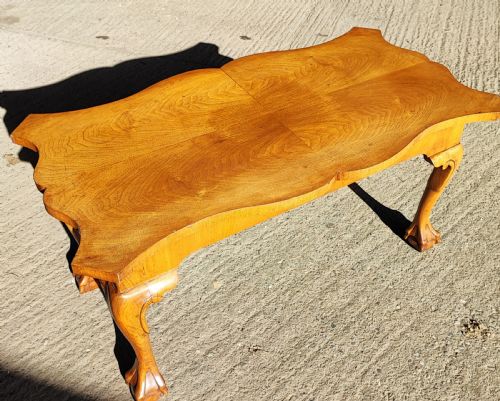
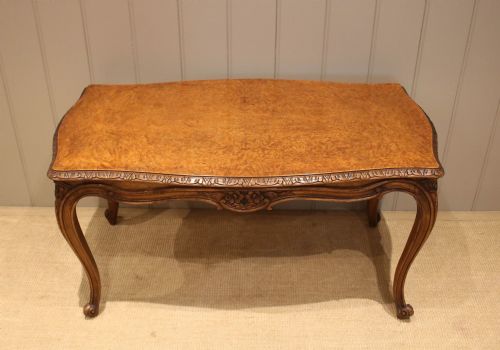
Cabinet-makers relied on solid walnut and burr walnut veneer laid over supporting timber frames to achieve rich surface patterns. Figured walnut timber brought natural movement and depth to the top boards, contrasting with simpler structural elements.
Detailed edge work, such as pie crust shaping, required careful hand carving along the perimeter of circular or shaped tabletops. Metal elements like brass occasionally appeared in mounts or fittings, adding subtle definition to specific revival styles.
Traditional Walnut Cocktail Table Retail Price Guide 2026
Typical asking prices for traditional walnut cocktail table among the pieces listed under this phrase on Sellingantiques today, from the lower quarter to the upper quarter. They describe what is for sale here now, not the wider market.
The furniture spans Victorian, 1880, 19th Century, 1920, and 1930 periods, incorporating Queen Anne and Carolean revival styles.
The Traditional Walnut Cocktail Table Glossary
- Burr walnut
- A specialised timber cut from the wart-like growths on walnut trees, yielding complex and swirling grain patterns. This material was prized by cabinet-makers for tabletops.
- Pie crust edge
- A raised, decoratively carved moulding shaped along the circumference of a circular table top. The undulating edge resembles the crimped crust of a pastry pie.
- Carolean style
- A decorative manner originating from the reign of Charles II, revived in later furniture production with rich turning and scrolling details. Tables in this style show strong architectural influences.
- Queen Anne Revival
- A design movement looking back to early eighteenth-century forms, characterised by graceful curves and refined proportions. Pieces in this style often feature cabriole legs.
- Figured walnut
- Timber exhibiting distinctive, decorative grain formations produced by natural growth irregularities. It is typically sliced into thin veneers to display the pattern across wide surfaces.
Traditional Walnut Cocktail Table: Frequently Asked Questions
What periods do these coffee tables come from?
The pieces span the nineteenth century, the Victorian era, 1880, and the interwar decades of 1920 and 1930. Cabinet-makers across these periods drew upon earlier stylistic traditions.
Revival designs from the 1920s and 1930s frequently reinterpreted Carolean and Queen Anne aesthetics for contemporary homes.
How do I care for a walnut surface?
Protect the polished timber from direct heat and moisture by using coasters and mats. Regular dusting with a soft, dry cloth preserves the finish.
Avoid chemical polishes that can build up residue and dull the natural figure of the burr walnut veneer.
Are these tables sturdy enough for daily use?
Solid timber construction and sturdy framing allow these tables to handle everyday domestic demands. Their low profile provides inherent stability.
Careful placement on level flooring prevents undue strain on the legs and joints over time.