


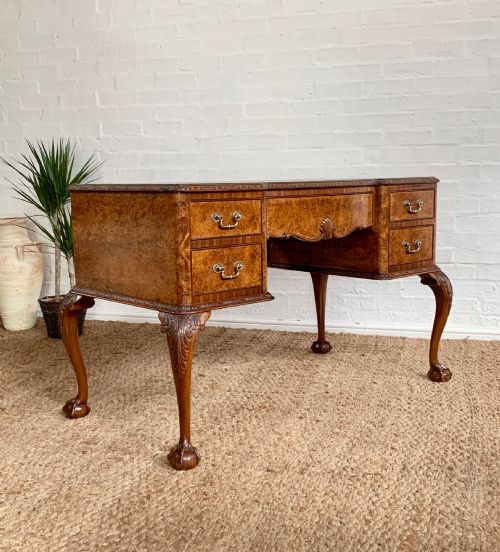
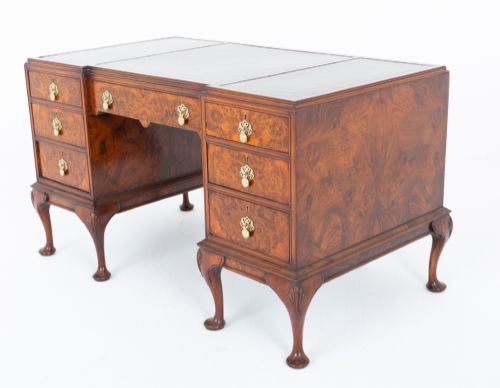
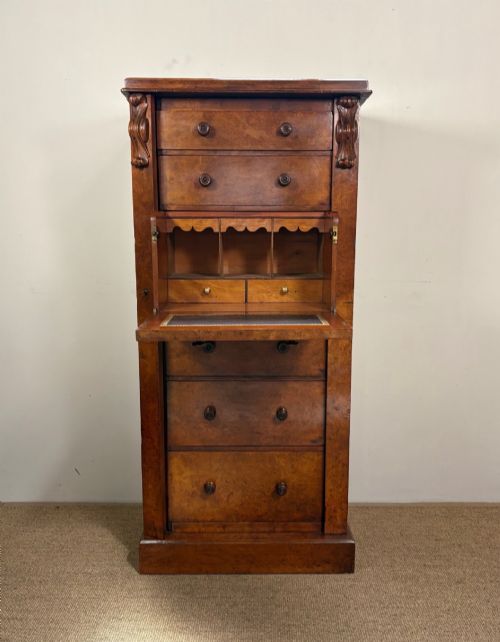
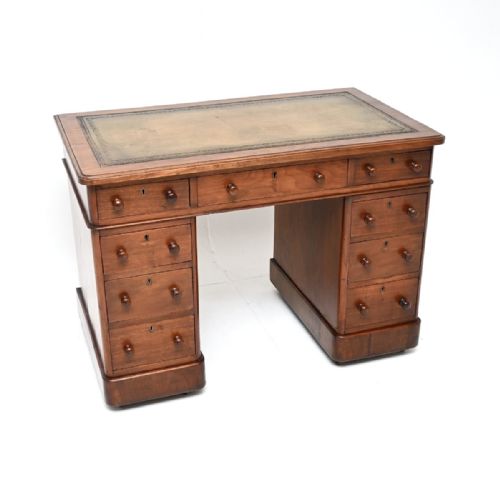

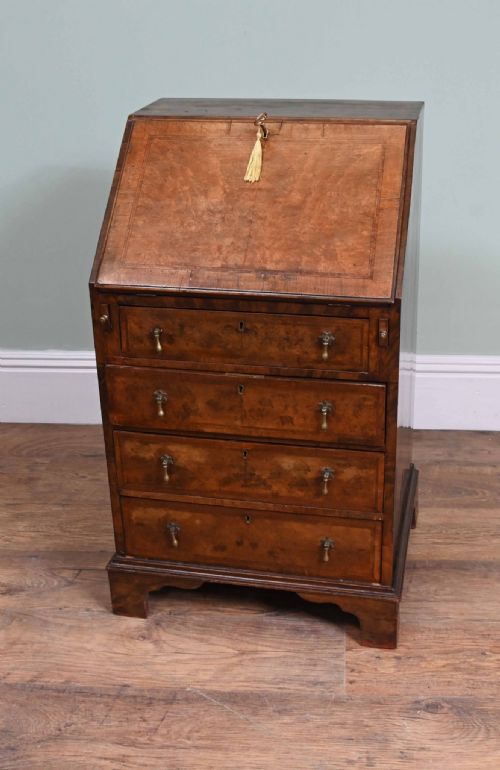


Traditional Walnut Bureau Desk
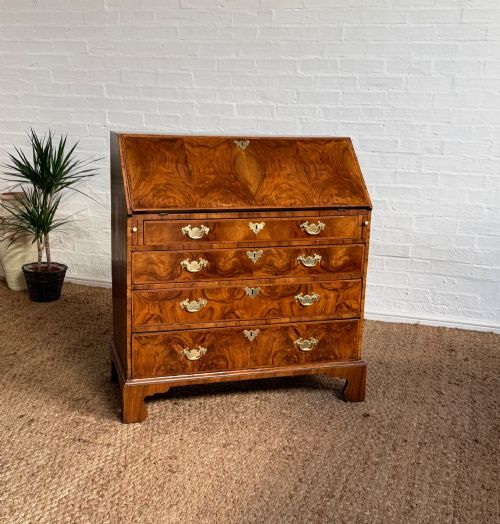
A traditional walnut bureau desk brings timber depth and fitted compartments to a study, offering a sloping fall-front workspace above drawers.
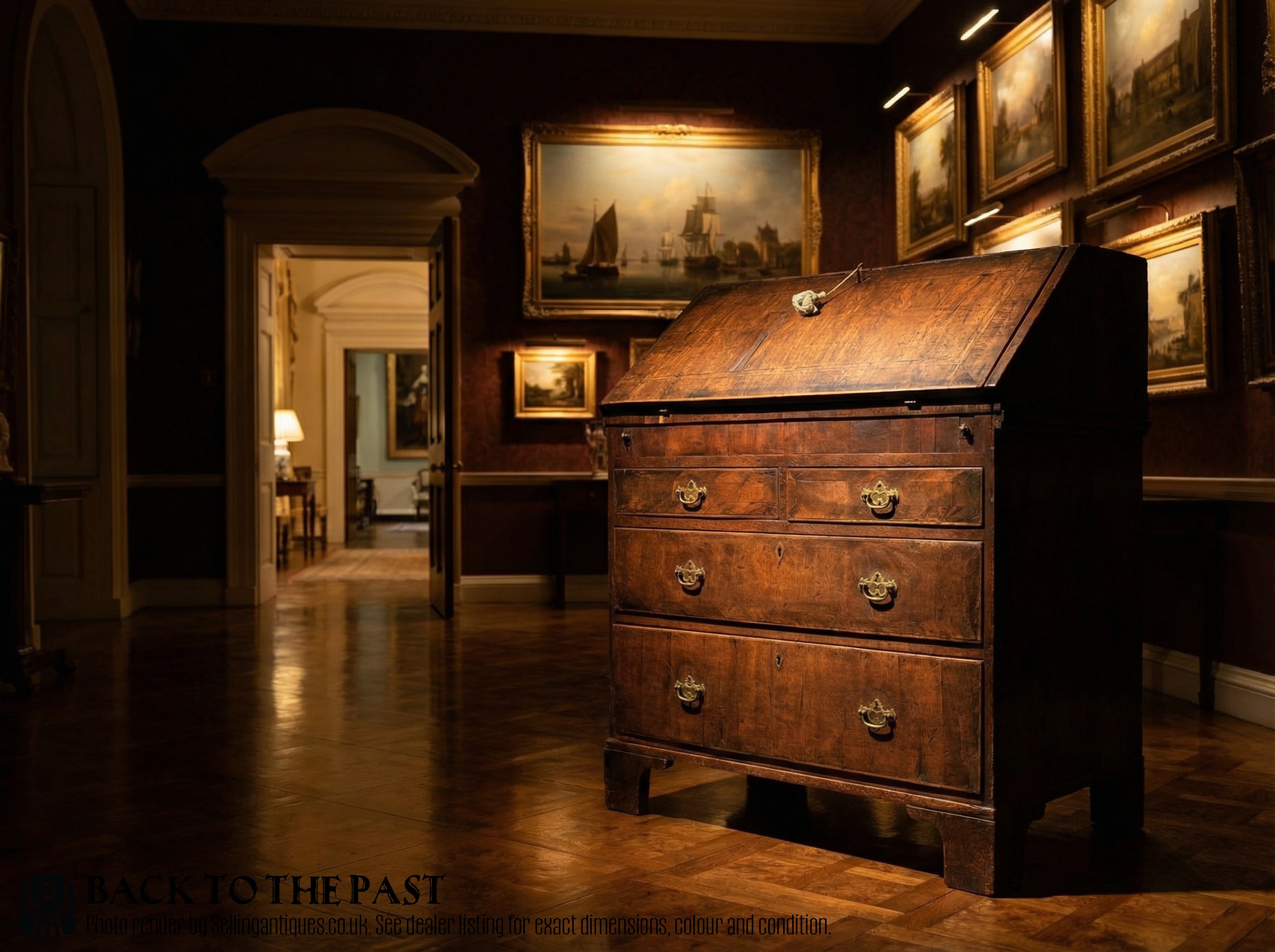
Traditional Walnut Bureau Desk
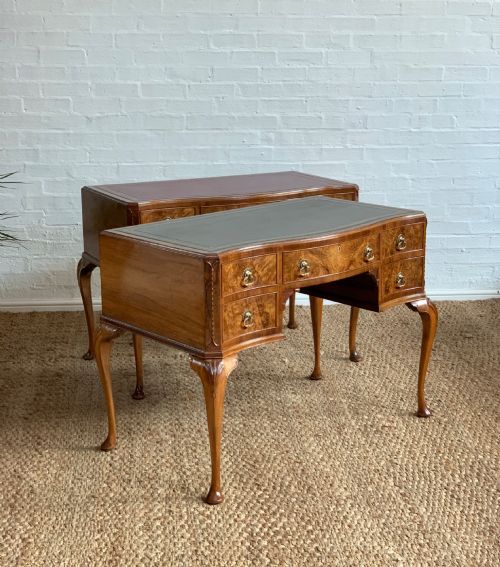
A traditional walnut bureau desk groups together writing furniture built across several periods, most commonly meeting the buyer as a Georgian, Victorian, or early twentieth-century Edwardian example.
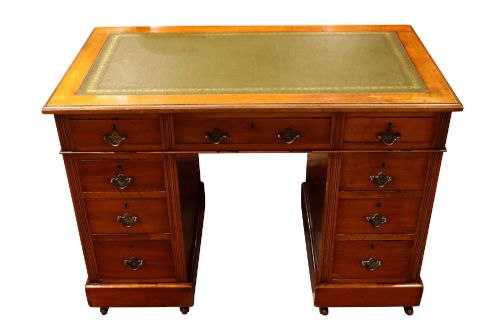
The selections span standard pedestal desks, Davenport writing desks, and bureau bookcases, though the core of the search remains the sloping fall-front bureau.
Makers utilised various regional interpretations, producing Dutch marquetry pieces alongside English iterations finished in Queen Anne or William and Mary styles.
How traditional walnut bureau desk pieces were made
Carpenters constructed these items using solid woods like oak and fruitwood for internal framing, applying figured walnut and burr walnut veneers to external surfaces.
Brass handles, escutcheons, and leather writing surfaces insert into the primary wooden structure, with glass sometimes fitted to upper bookcase doors.
Traditional Walnut Bureau Desk Retail Price Guide 2026
Typical asking prices for traditional walnut bureau desk among the pieces listed under this phrase on Sellingantiques today, from the lower quarter to the upper quarter. They describe what is for sale here now, not the wider market.
Several desks hide internal secret compartments behind miniature drawers, designed centuries ago for private letters and hidden coins.
What varies in quality
Grain selection defines the upper tier, where burr walnut and figured walnut exhibit rich patterning across the fall-front and drawer fronts.
Execution of marquetry inlay, such as floral motifs on Dutch examples, distinguishes simpler production from finer workshop output.
Wylie and Lochhead Glasgow
The Traditional Walnut Bureau Desk Glossary
- Bureau
- A desk featuring a hinged sloping lid that opens to reveal a writing surface and small pigeonholes or drawers.
- Pedestal desk
- A freestanding writing table supported by two columns of drawers beneath the main surface.
- Davenport
- A compact writing desk with a sloped top, typically holding drawers accessed from the side.
- Marquetry
- Decorative veneer work forming intricate patterns using various woods and organic materials.
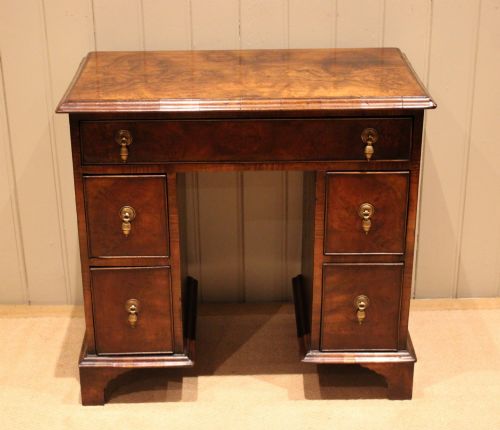
- Kneehole desk
- A writing table featuring a central recess for the sitter's legs, flanked by banks of drawers.
Traditional Walnut Bureau Desk: Frequently Asked Questions
How do I clean a walnut desk surface?
Dust regularly with a dry cloth and apply occasional wax suitable for antique timber.
Avoid chemical polishes that damage aged wood and historic finishes.
Where should I place my bureau desk?
Position the piece away from direct sunlight and radiators to prevent walnut veneers from drying and cracking.
Keep humidity stable in the room to protect the timber joints.
How do I identify a Georgian bureau?
Look for cabinetmaking traits from the eighteenth century, including oak drawer linings and hand-cut dovetails.
Check the timber grain and patination developed over centuries of handling.
What is the difference between a bureau and a Davenport?
A bureau provides a broad fall-front writing flap opening above chest drawers.
A Davenport offers a smaller, compact desk with a top slope and side-opening drawers.