
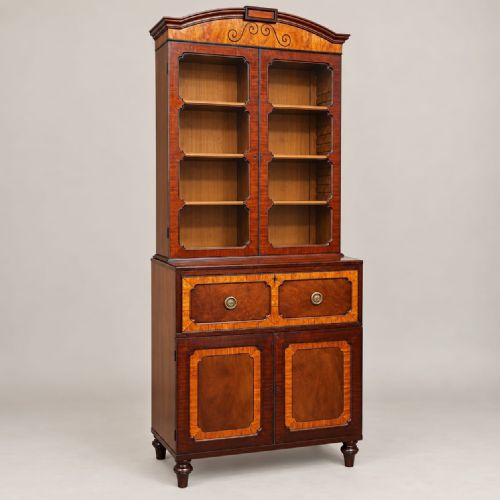
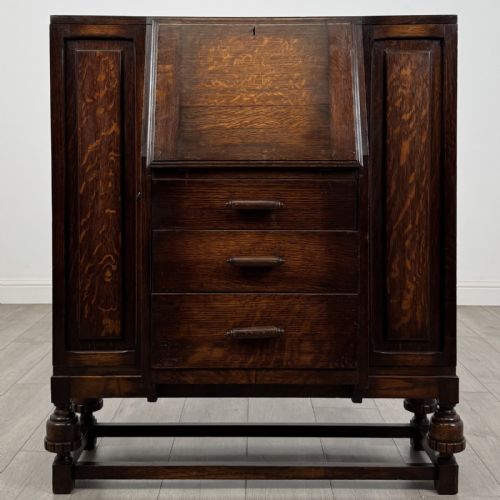
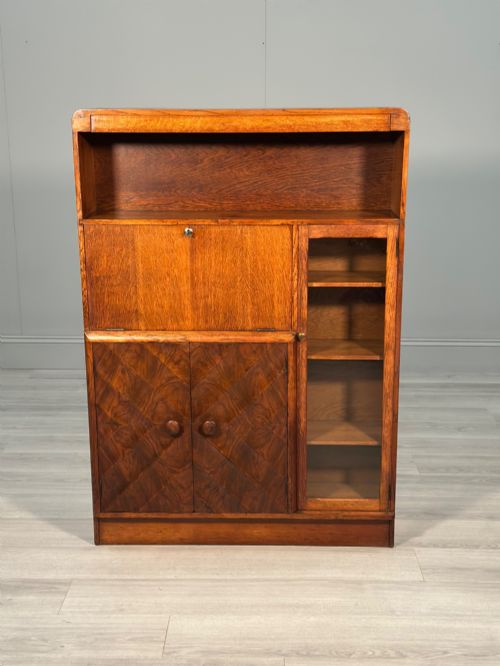
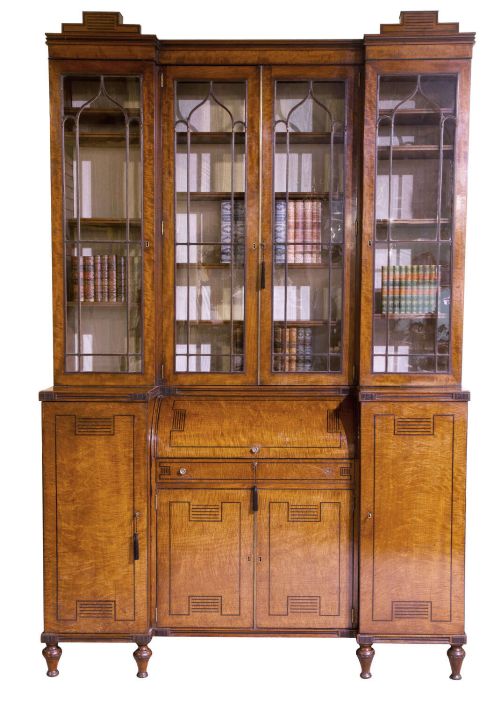
Secretary Writing Desk
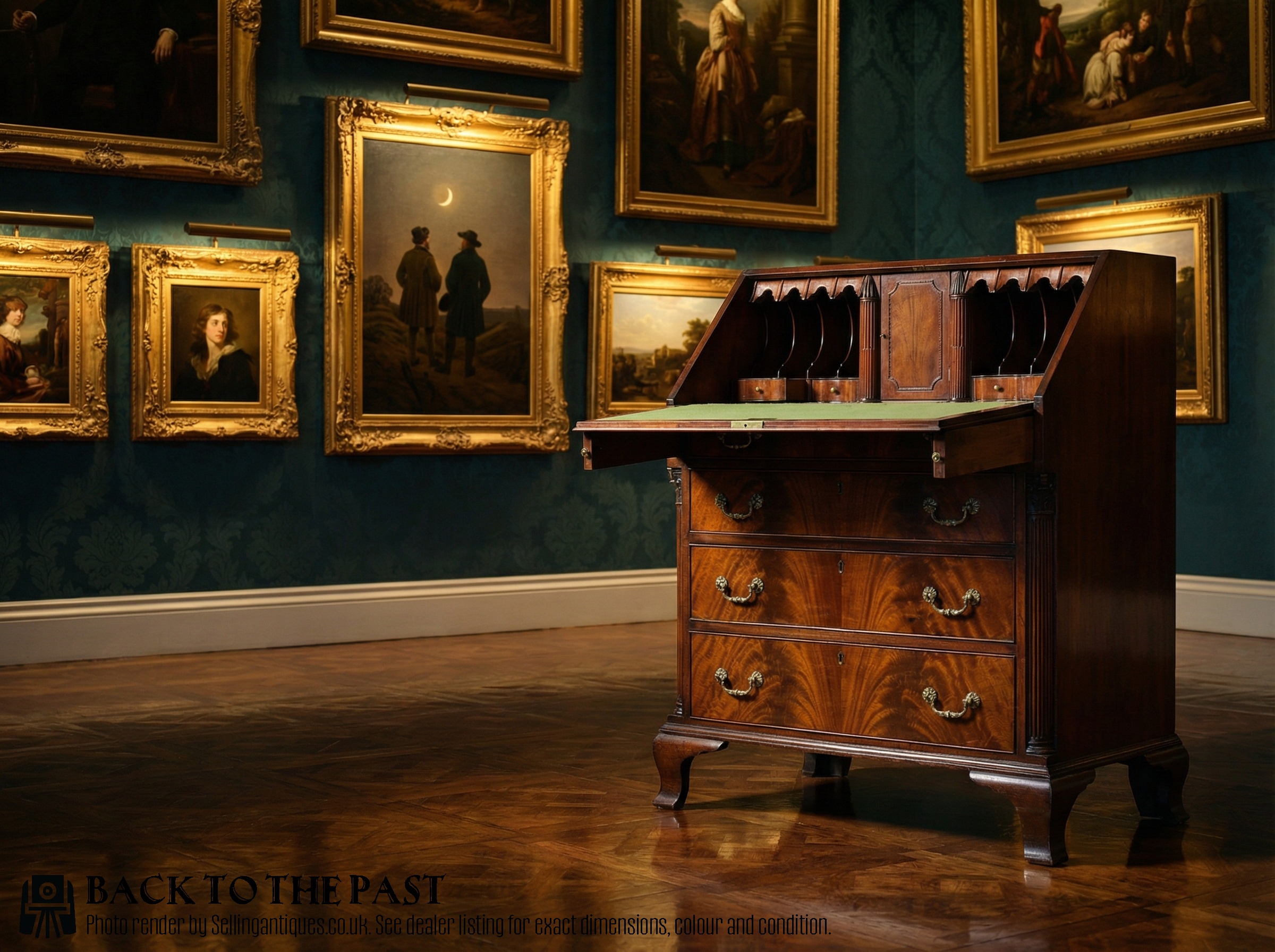
Secretary writing desk forms unite a practical writing surface with concealed compartments and upright storage, bringing centuries of domestic administration into daily use.
Secretary Writing Desk
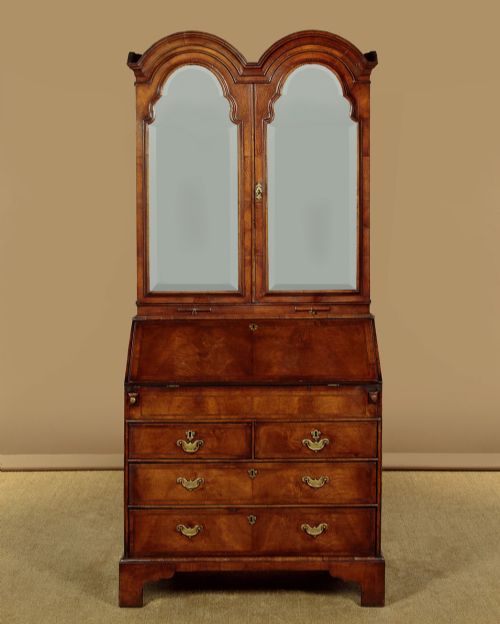
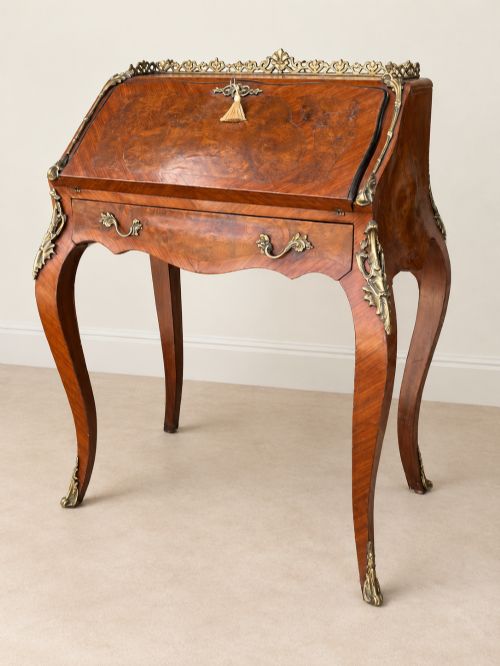
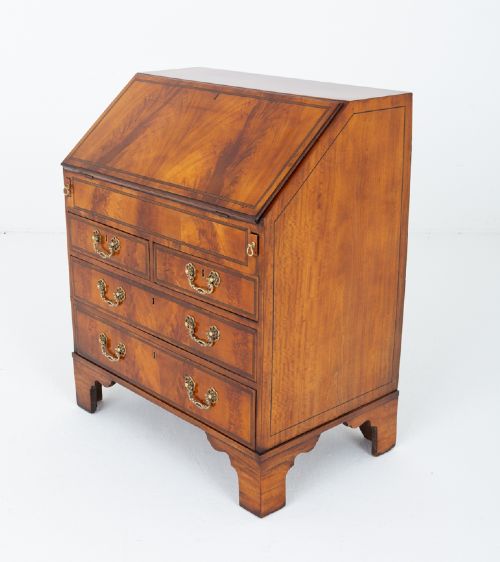
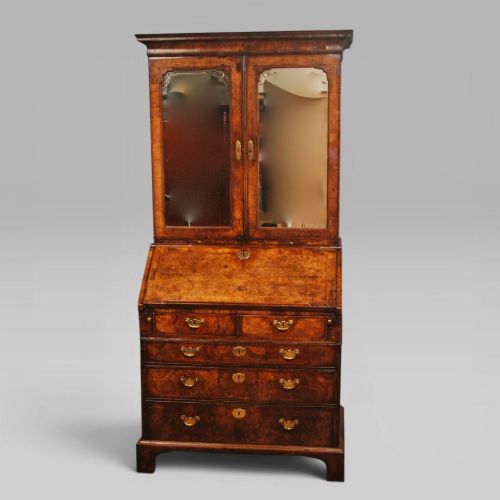
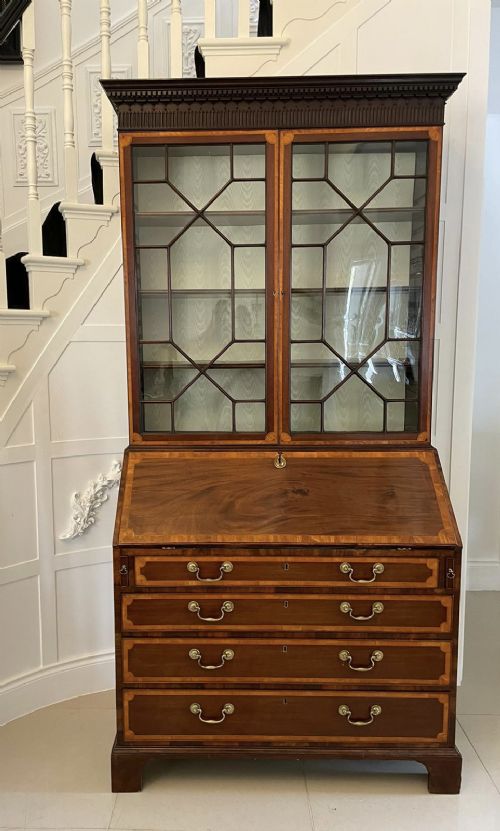
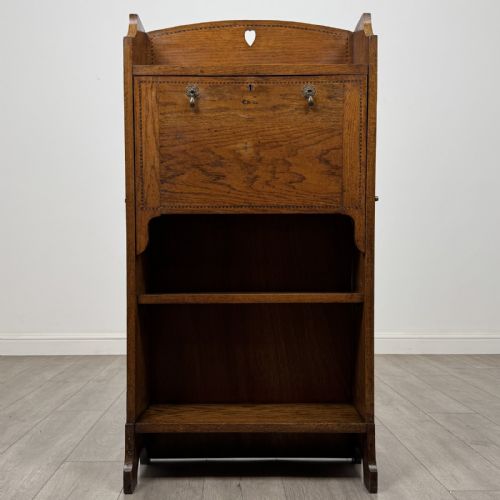
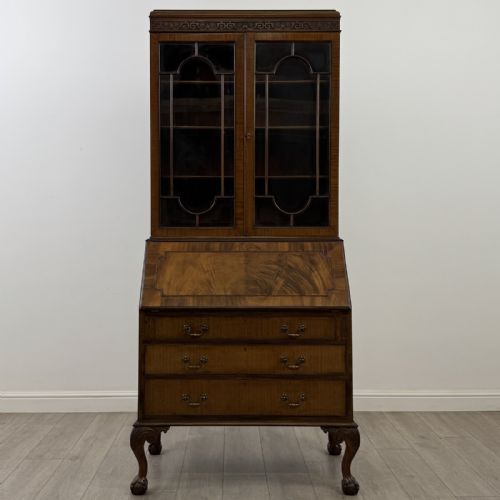
A secretary writing desk combines a sloping or drop-front writing flap with internal pigeonholes and drawers, frequently surmounted by a glazed or panelled bookcase. These pieces span the 18th century, Georgian, Regency, Victorian, Edwardian, and 1920s periods, drawing on styles from Queen Anne to Arts and Crafts.
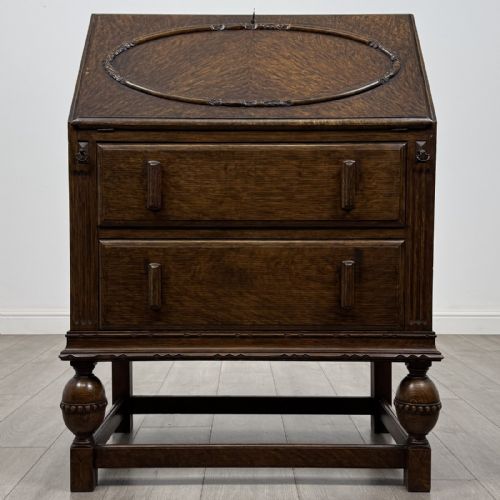
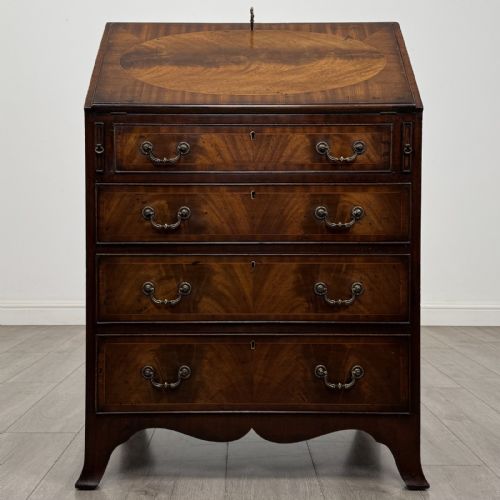
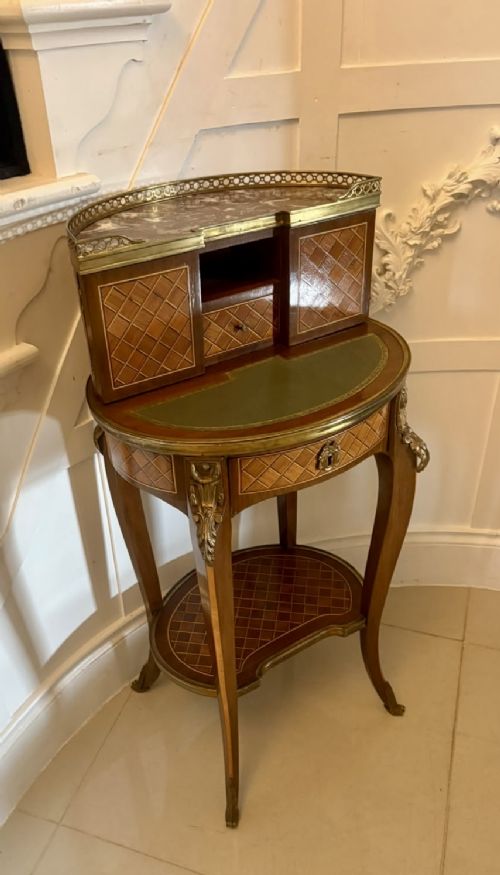
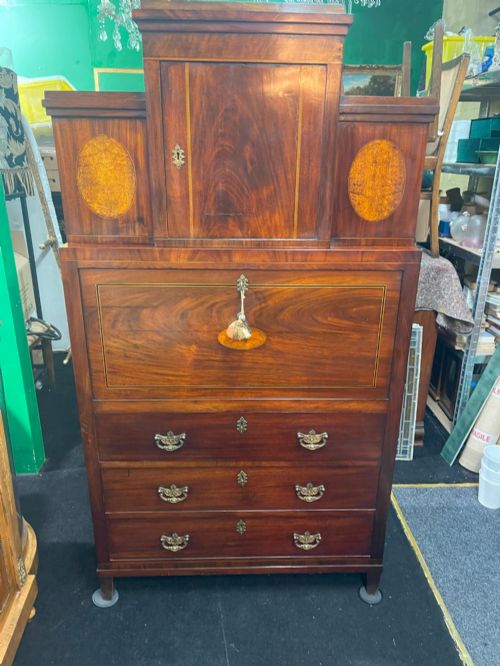
The primary forms met here include standalone bureaux, bureau bookcases, cylinder bureaux, and roll-top desks. Oak, mahogany, and walnut dominate the offerings, occasionally embellished with marquetry or parquetry.
Earlier examples favour compact proportions and fitted stepped interiors, while later iterations incorporate glazed doors, linenfold carving, or freestanding pedestal formats suitable for studies and living spaces.
Materials and construction
Makers utilised solid timbers and figured veneers, selecting mahogany, oak, and burr walnut for their structural resilience and decorative grain patterns. Satinwood and brass hardware frequently accent the interiors and key escutcheons.
Joinery techniques involve dovetailed drawer construction and framed panels, supporting drop fronts on internal lopers or brackets. Glass is leaded or fitted within wooden glazing bars for upper bookcase sections.
Listings feature oak, mahogany, walnut, and burr walnut constructions spanning the Georgian, Victorian, and Edwardian eras.
Factors determining quality
Quality rests upon the selection of timber figures, such as flame mahogany or burr walnut, and the precision of inlaid marquetry work. The complexity and condition of the internal fitted drawers, pigeonholes, and secret compartments dictate the piece's standing.
Structural integrity of the fall front hinges, bracket feet or plinth bases, and original brass fittings separate standard utility items from masterworks. The clarity of carved details, such as linenfold panels or floral motifs, further distinguishes individual examples.
Heals of London
The Secretary Writing Desk Glossary
- Bureau
- A writing desk featuring a sloping fall front that opens to reveal a fitted interior of small drawers and pigeonholes.
- Secretaire bookcase
- A tall cabinet combining a writing drawer or drop-front desk section with an upper bookcase enclosed by doors.
- Fall front
- A hinged writing flap that drops into a horizontal position to provide a surface for correspondence.
- Marquetry
- Decorative veneer work forming pictorial or floral patterns using various coloured woods.
- Lopers
- Wooden pull-out supports that slide out from beneath a fall-front desk to bear the weight of the writing surface.
Secretary Writing Desk: Frequently Asked Questions
What is a secretary writing desk?
A secretary writing desk is a dual-purpose piece of furniture combining a vertical storage cabinet or bookcase with a hinged writing flap. When closed, it conceals correspondence and administrative tools behind timber panels.
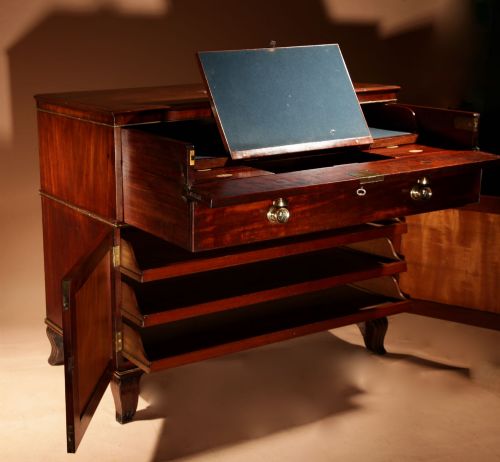
Opening the fall-front flap reveals a fitted interior comprising small drawers, document slots, and central compartments. This layout evolved to meet domestic and professional writing needs across multiple centuries.
How do I date a secretary writing desk?
Dating relies on observing timber choices, construction methods, and stylistic motifs. 18th-century and Georgian pieces frequently feature solid mahogany or burr walnut with bracket feet and stepped internal drawers.
Later Victorian, Edwardian, and 1920s versions introduce oak, roll tops, linenfold carving, or factory labels. Examining internal secondary woods and hardware styles helps narrow the period of manufacture.
Where were secretary writing desks used?
These desks served primarily in domestic parlours, private libraries, and studies where correspondence and household accounts were managed. Their vertical design maximised storage capacity while occupying minimal floor space.
Upper bookcase sections housed personal libraries and ledgers, keeping reference materials close to the writing surface. Lower drawers provided general storage for household documents and personal items.
How do I care for a wooden bureau?
Preserving these pieces requires maintaining stable indoor humidity levels away from direct heat sources and sunlight. Gentle dusting with a dry, soft cloth prevents surface accumulation without damaging polish.
Periodic application of appropriate wax feeds traditional timber finishes and maintains the lustre of mahogany and walnut veneers. Care must be taken to support fall-front hinges and lopers during regular use.