







Traditional Urn Table Lamp
A traditional urn table lamp brings classical form and warm illumination to a room, drawing on centuries of ceramic and metal vessels adapted for lighting.
Traditional Urn Table Lamp
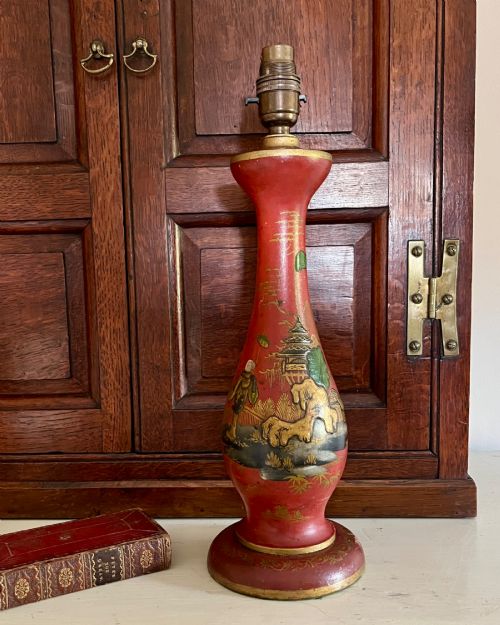
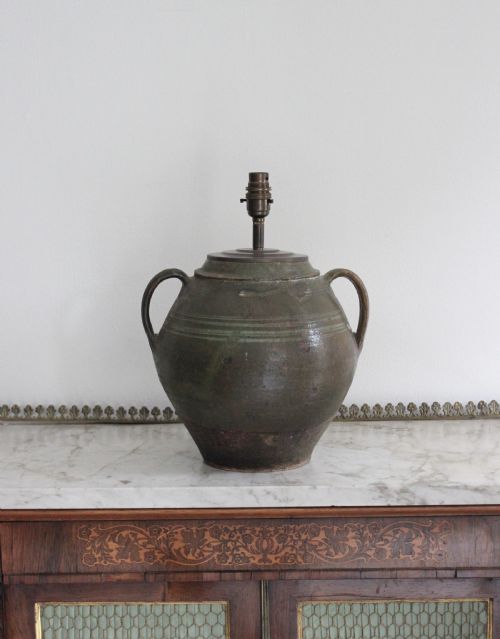
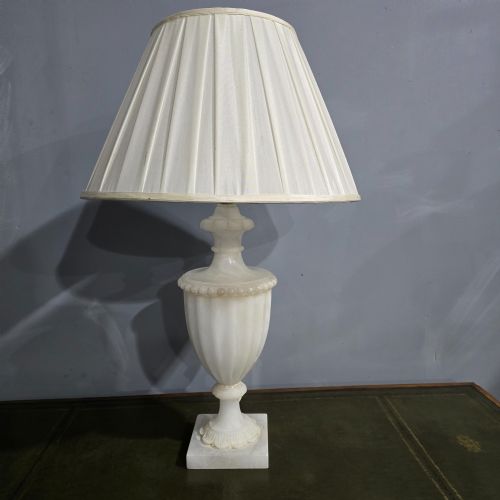
A traditional urn table lamp takes its primary shape from classical urns, amphorae, and vases originating across European, Asian, and Middle Eastern decorative traditions. These pieces often employ bodies made from porcelain, ceramic, bronze, brass, or marble, mounted with electrical fittings for modern use.
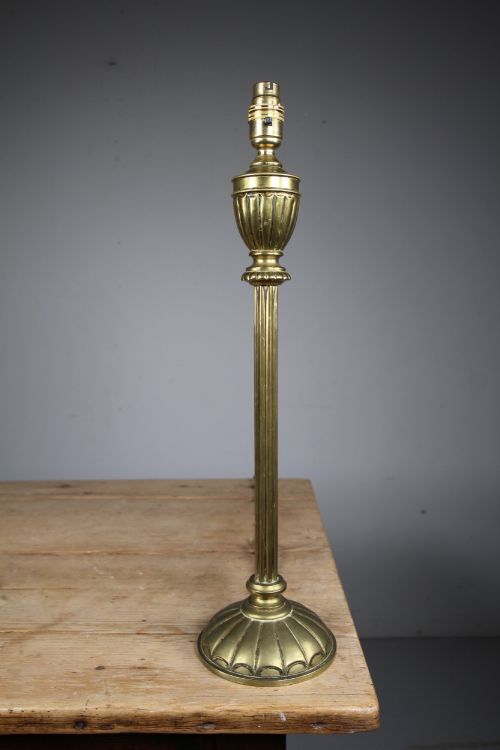
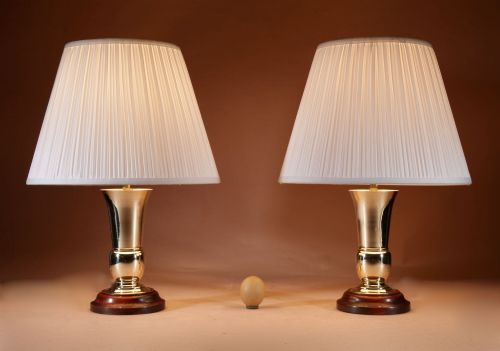
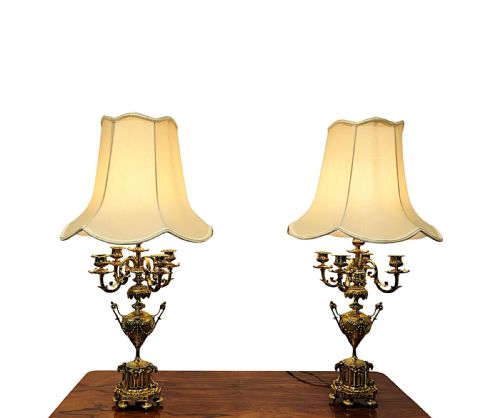
The selections available here range widely in origin and aesthetic, spanning 18th-century Chinese and Japanese porcelain, 19th-century continental giltwood and bronze, and Edwardian brass designs. Many examples utilise converted candlesticks, vases, and classical vessels rather than objects manufactured originally as lamps.
Buyers encountering this category will find forms that include baluster vases, classical amphora shapes, and ginger jar bodies paired with fabric or silk shades. The physical presence of these items makes them suitable for placement on side tables, cabinets, and pedestals within traditional interiors.
Materials and construction methods
The construction of these lamps relies on rigid materials such as hard-paste porcelain, earthenware, cast brass, bronze, marble, and hardwood. Artisans shaped these materials using traditional pottery throwing, metal casting, stone carving, and wood turning techniques before adapting them for electrical components.
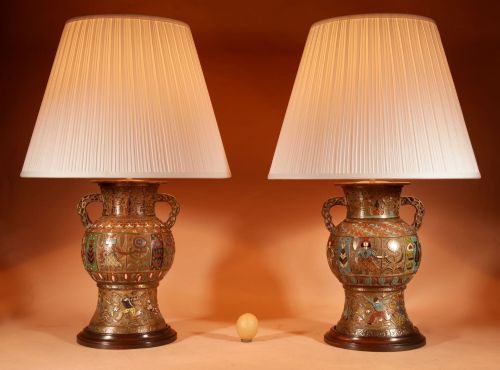
Surface decoration forms a defining characteristic of the category, encompassing hand-painted underglaze blue, famille rose enamels, champlevé enamel work, and intricate giltwood carving. Metal components frequently feature cast mounts, classical masks, and patinated finishes applied during manufacture.
Traditional Urn Table Lamp Retail Price Guide 2026
Typical asking prices for traditional urn table lamp among the pieces listed under this phrase on Sellingantiques today, from the lower quarter to the upper quarter. They describe what is for sale here now, not the wider market.
Listings for a traditional urn table lamp span materials from carved marble and cloisonné to Imari porcelain and cast brass.
Judging quality and execution
Quality in these lamps rests upon the artistic execution of the base vessel, whether that is the precision of hand-painted ceramic detailing or the crispness of cast bronze and brass mounts. Superior pieces display harmonious proportions between the vessel body, the metal fittings, and the overall silhouette.
The integrity of the original material distinguishes high-grade examples from lesser ones, particularly in the weight of the bronze, the clarity of the porcelain glaze, and the absence of crude structural alterations during the conversion process.
The Traditional Urn Table Lamp Glossary
- Urn
- A rounded vessel with a base, often featuring a tapering stem and handles, which serves as the primary body for this style of lamp.
- Baluster
- An architectural form resembling a swelling pillar or vase shape, frequently seen in the profile of ceramic lamp bases.
- Champlevé
- An enamelling technique where troughs are carved into a metal surface and filled with vitreous enamel before firing.
- Imari
- A style of Japanese porcelain decorated in underglaze blue, iron red, and gold, commonly found on antique vase lamps.
Traditional Urn Table Lamp: Frequently Asked Questions
What is a traditional urn table lamp?
A traditional urn table lamp is a lighting fixture constructed by mounting a classical vessel - such as a ceramic vase, bronze urn, or decorative jar - onto a base and adding electrical fittings.
These pieces often repurpose antique or vintage objects, combining historical craftsmanship with modern interior lighting requirements.
Where should I place an urn lamp?
These lamps suit substantial pieces of furniture such as sideboards, hallways tables, and large desks where their height and decorative weight can anchor the space.
Because many examples feature detailed hand-painted or cast surfaces, placing them where light can illuminate the body of the lamp works best.
Are these lamps converted from old vases?
Many examples are indeed converted items, including antique Chinese porcelain vases, Japanese Satsuma vessels, and European bronze candlesticks.
Conversion was a common practice throughout the 19th and 20th centuries, turning decorative ornaments into functional lighting without destroying the original body.