




Oriental Ceramic Bedside Light
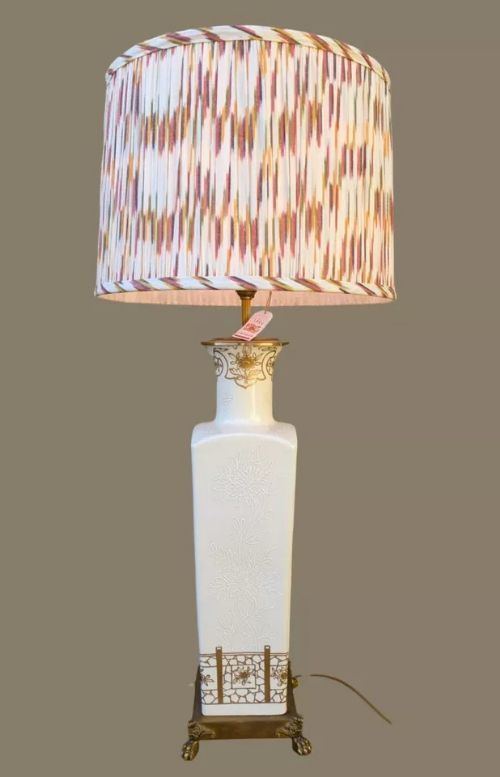
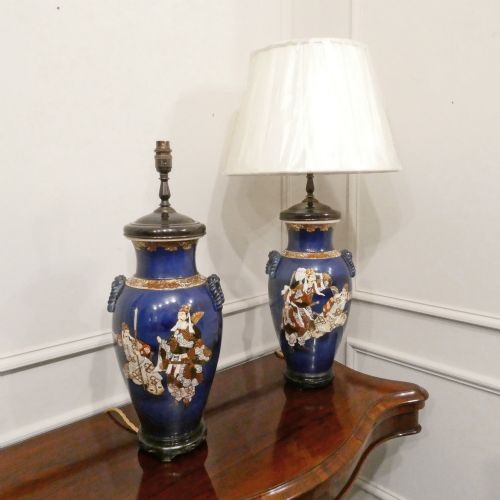
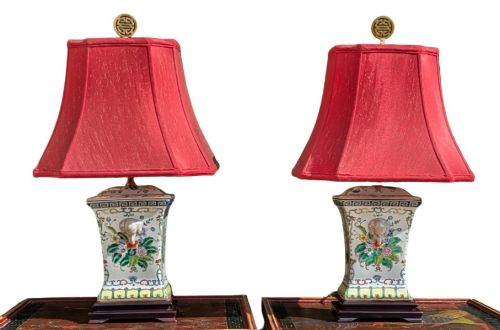
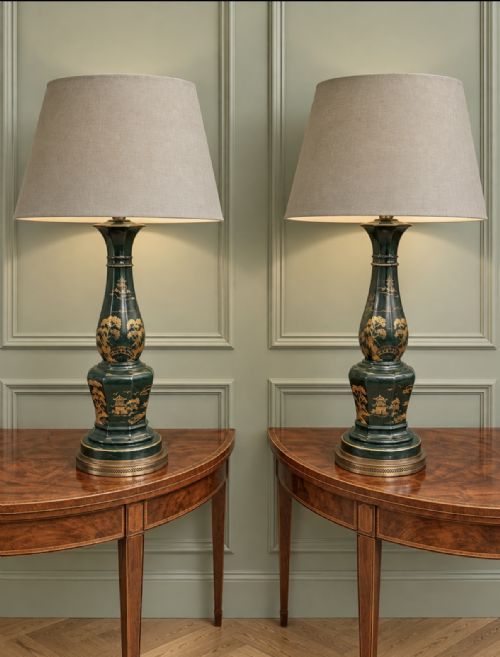
These oriental ceramic bedside light selections bring hand-painted porcelain bodies and traditional overseas forms directly into modern rooms.
Oriental Ceramic Bedside Light
An oriental ceramic bedside light serves as both a functional reading lamp and a decorative focal point in a bedroom. These pieces originate primarily from nineteenth and early twentieth century production, transforming antique vases and ginger jars into domestic illumination.
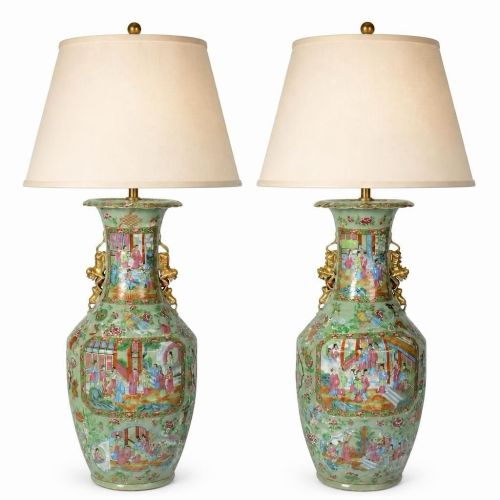
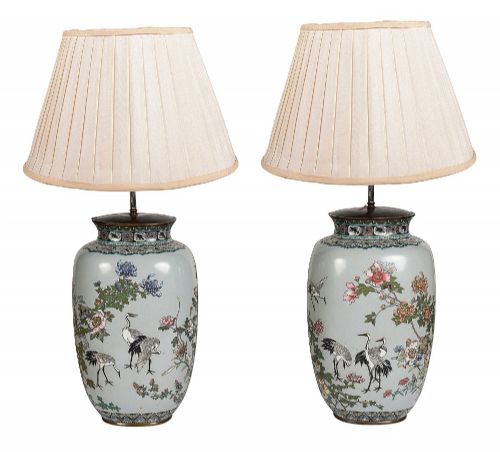
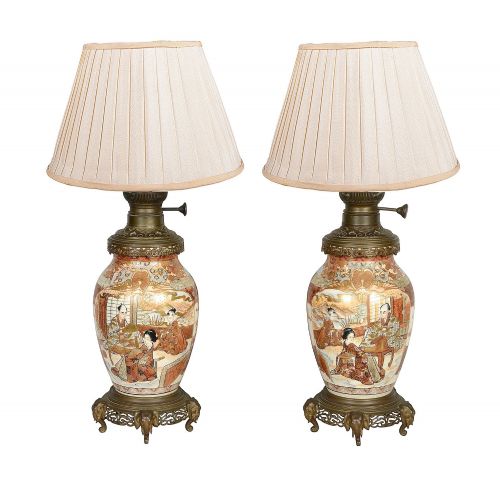
The inventory on this page consists entirely of table lamps created from converted vessels. Buyers encounter blue and white export pieces, polychrome famille wares, and Japanese Satsuma or Kutani ceramics adapted for electrical fittings.
Pairs dominate the selection alongside individual baluster forms and ginger jars. The bodies range from small cabinet vases to large decorative jars mounted with fabric or silk shades.
Materials and construction
The primary bodies utilise porcelain, earthenware, and crackleware ceramics shaped into baluster jars or vases. Artisans applied intricate enamel decoration, underglaze blue, or cloisonné metalwork before the vessels were later wired for electricity.
Metal components in brass and ormolu often secure the electrical hardware to the ceramic neck and base. Silk and fabric shades complete the assembly, casting a soft light over the hand-painted motifs.
Oriental Ceramic Bedside Light Retail Price Guide 2026
Typical asking prices for oriental ceramic bedside light among the pieces listed under this phrase on Sellingantiques today, from the lower quarter to the upper quarter. They describe what is for sale here now, not the wider market.
Shih Tzus disguised as Foo Dogs occasionally peer from the lamps, guarding bedside tables with fierce dignity.
Assessing quality
Quality rests in the crispness of the hand-painted detail and the preservation of the ceramic glaze. Superior examples display subtle brushwork, vibrant enamel colours, and harmonious proportions between the vase and its mount.
The integrity of the original vessel body dictates the overall standard. Pieces with clean drill sites for wiring and minimal wear to the surface decoration represent the finer end of the range.
Samson·Kutani·Fukagawa
The Oriental Ceramic Bedside Light Glossary
- Famille Verte
- A Chinese porcelain palette dominated by green enamels, developed during the Qing dynasty. It often depicts botanical or figurative scenes across the ceramic surface.
- Satsuma
- Japanese earthenware pottery featuring a crackled creamy glaze decorated with elaborate polychrome and gilt designs. These wares were widely exported to Europe in the nineteenth century.
- Baluster
- A vase form with a rounded lower body that tapers towards the neck. This shape provides stability and visual balance when converted into a table lamp.
- Rose Medallion
- A nineteenth-century Canton export style featuring panels of figures alternating with birds and flowers, painted in bright pinks and greens.
- Ginger Jar
- A high-shouldered ceramic vessel originally used for storing spices, now frequently fitted as a lamp base. They offer a robust profile suitable for bedside placement.
Oriental Ceramic Bedside Light: Frequently Asked Questions
How do I choose the right size?
Consider the height of your bedside table and the scale of surrounding furniture before selecting a lamp. Smaller ginger jars fit modest surfaces, while larger baluster vases require more clearance.
Ensure the proportions of the ceramic body balance well with the chosen fabric shade so the light sits comfortably in the room.
Are these lamps wired for modern use?
Most converted antique vessels arrive with contemporary electrical fittings adapted for standard household bulbs. You should consult a qualified electrician if you need to check the safety of older wiring.
Wiring methods vary depending on when the vessel was mounted, so inspecting the fitting helps ensure compatibility with your bedside setup.
How do I clean the ceramic body?
Dust the porcelain or earthenware surface gently with a soft, dry cloth to prevent dirt accumulation. Avoid harsh chemical cleaners that might damage delicate overglaze enamels or gilt highlights.
Take care around brass mounts and wiring components when wiping down the lamp base during routine room maintenance.
Can I match single lamps into pairs?
Finding an exact match for a single lamp can prove challenging due to the hand-painted nature of antique ceramics. Looking through established pairs ensures visual symmetry on twin bedside tables.
If mixing individual pieces, matching the height and general palette creates a cohesive look without requiring identical patterns.