



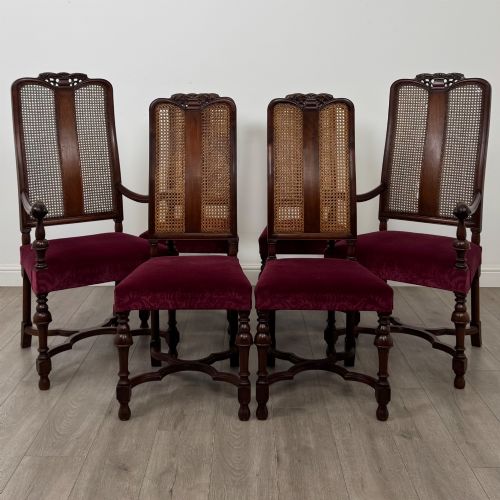
Traditional Turned Armchair
A traditional turned armchair offers sturdy vernacular character, combining time-honoured woodworking with robust domestic utility for everyday seating.
Traditional Turned Armchair
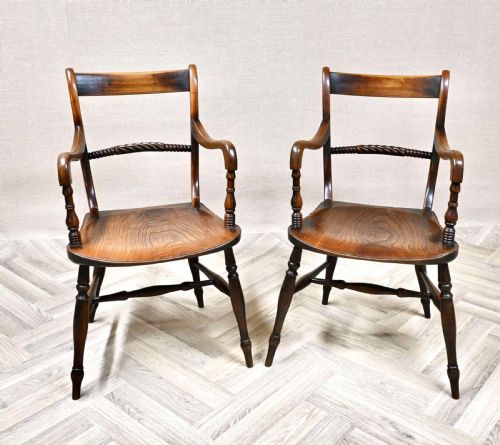
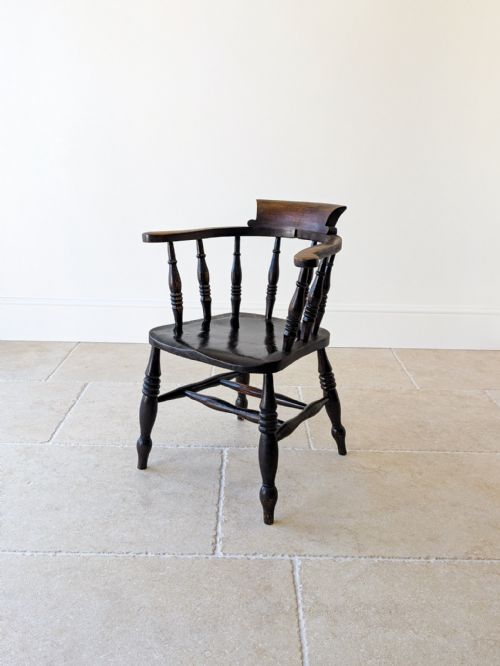
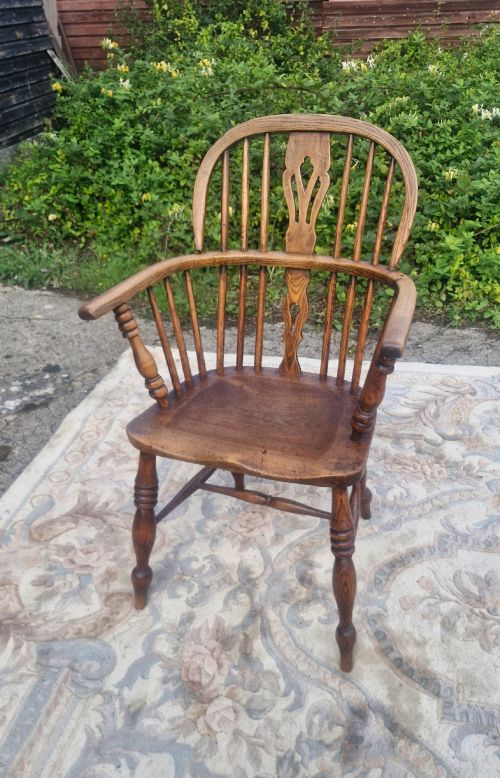
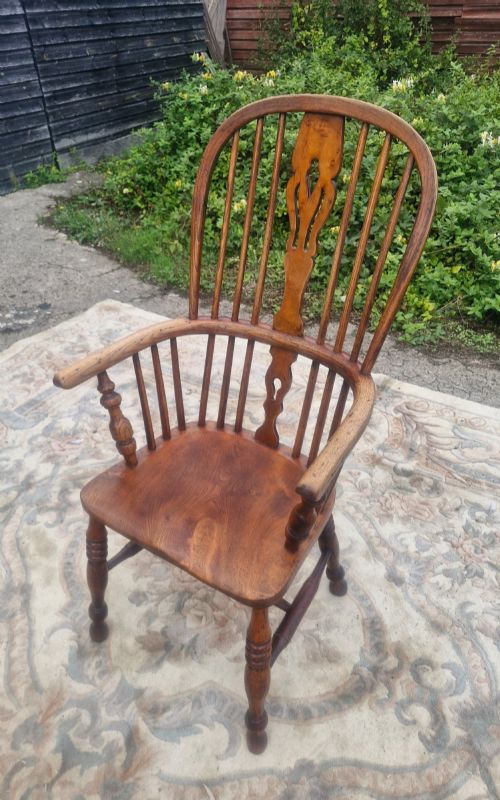
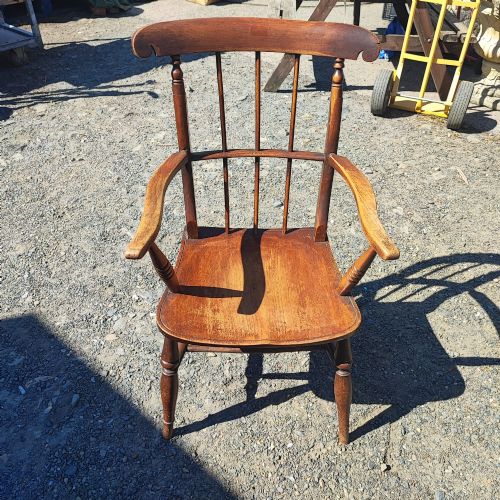
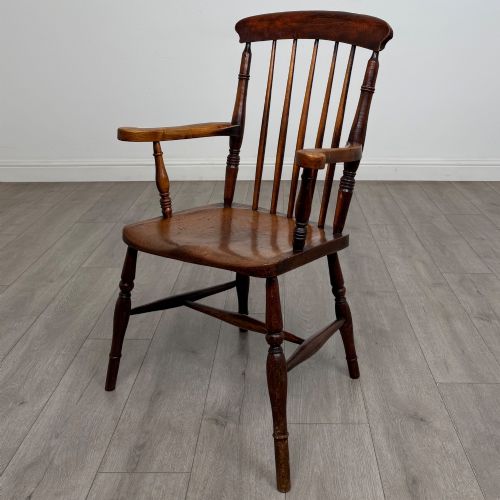
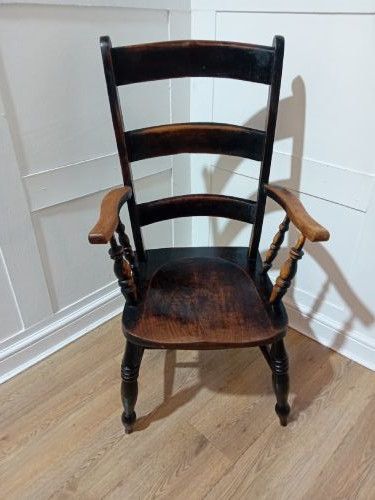
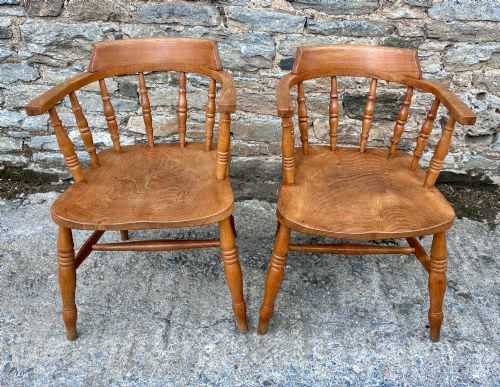
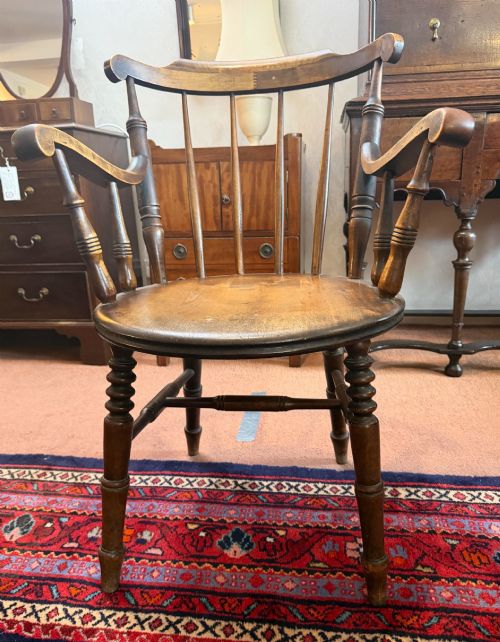
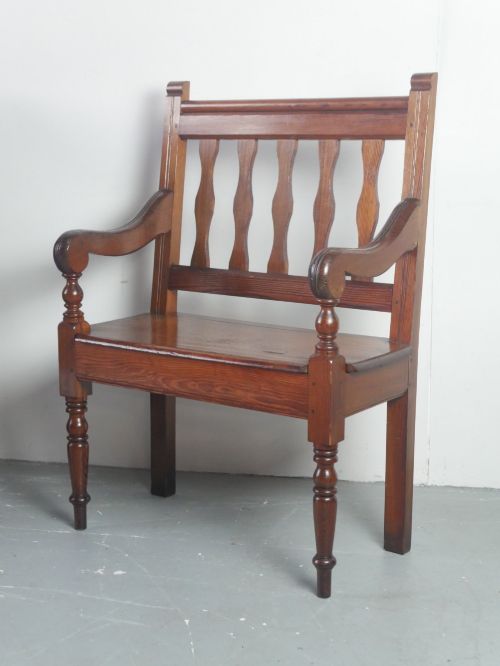
A traditional turned armchair represents a lineage of domestic seating rooted in country houses and rural workshops, spanning the nineteenth century and the Edwardian era. When you search for a traditional turned armchair, you encounter forms such as Windsor chairs, smokers' bows, captain's chairs, and designated turners' chairs.
The prevalent examples on this page date from the Victorian and Edwardian periods, alongside pieces attributed broadly to the nineteenth century. These seating options range from high-backed and low-backed Windsor formats to library armchairs and heavy timber desk chairs.
Regional variations appear across English and Scottish country house contexts, bringing diversity to spindle arrangements and seat configurations. They function primarily as sturdy armchairs, rocking chairs, and study seats rather than formal parlour furniture.
Materials and Construction Methods
Makers utilised a combination of indigenous hardwoods for structural integrity, pairing elm seats with ash, beech, oak, and birch for spindles, arms, and legs. This multi-wood construction allowed craftsmen to use timber best suited to each specific component, such as resilient elm for shaped saddles and flexible ash for steam-bent components.
Joinery relied on traditional turning techniques on a lathe, creating shaped spindles, legs, and stretchers that lock tightly into bored seats. Surface finishes typically include original wax or polish, highlighting the natural grain and age-related patina of the wood.
Assessing Craftsmanship and Condition
Quality in these armchairs depends upon the crispness of the lathe turning, the balance of the proportions, and the integrity of the timber joints. Superior examples display harmonious spindle arrangements and tight joints without excessive replacement parts.
The depth of the natural patina and the preservation of the original surface finish separate standard utility seating from finer vernacular examples. Grain selection in the elm seat saddles also indicates the care taken by the original maker.
J Spencer·Philip Webb·Howard and Sons·George Jack
The Traditional Turned Armchair Glossary
- Smoker's bow
- A low-backed Windsor armchair with a continuous curved arm rail supported by turned spindles, often associated with West Country vernacular traditions.
- Captain's chair
- A sturdy timber armchair featuring a rounded wooden back rail and a solid saddle seat, historically used in offices and captains' quarters.
- Windsor chair
- A wooden chair constructed with a solid saddle-shaped seat into which the back and legs are directly inserted rather than joined through a frame.
- Turned
- Shaped on a wood-turning lathe to create symmetrical decorative profiles along stretchers, legs, and spindles.
- Patina
- The surface sheen and mellowing developed by timber over decades of handling, exposure, and polishing.
Traditional Turned Armchair: Frequently Asked Questions
What is a traditional turned armchair?
A traditional turned armchair is a wooden seat constructed using lathe-turned spindles and structural components, originating largely from nineteenth-century rural and vernacular workshops. These chairs rely on pegged joints and solid timber construction rather than upholstered frames.
They encompass styles like Windsor chairs, captain's chairs, and turners' chairs, designed primarily for durability and everyday utility in kitchens, studies, and country houses.
How do I date a traditional turned armchair?
Dating these chairs involves examining the tool marks, timber species, assembly methods, and wear patterns visible on the structure. Nineteenth-century examples often display hand-turned components and distinct adze marks on the underside of elm seats.
Stylistic shifts between early nineteenth-century country pieces and late Victorian or Edwardian reproductions also guide the dating process, supported by occasional maker stamps.
Where were these armchairs used historically?
Historically, these armchairs served utilitarian roles in farmhouses, country houses, libraries, and offices. Their robust construction made them suitable for daily sitting in high-traffic domestic and working environments.
Lower-backed variants often functioned as desk or smoking chairs, while high-backed Windsor formats provided draught-excluding seating near hearths.
How should I care for an antique wooden armchair?
Maintaining an antique wooden armchair requires stable indoor humidity levels away from direct heat sources and sunlight, which can dry out the timber. Regular dusting with a soft, dry cloth preserves the surface without harming the aged finish.
Application of microcrystalline wax periodically helps nourish the wood and protect the historic patina accumulated over generations of use.